
Cats and dogs have evolved distinct ear structures that reflect their roles as predators, hunters, and companions. While both species possess exceptional hearing compared to humans, their auricular anatomy differs significantly to support different hunting strategies, environmental adaptations, and communication methods. Understanding these biological variations provides insight into how each animal perceives the world and interacts with its surroundings.
The fundamental difference between cat and dog ears lies in their evolutionary specializations: cats are solitary ambush predators requiring high-frequency precision to track small rodents, while dogs are endurance-based pack hunters adapted for tracking prey and maintaining social coordination over longer distances. While both feature pinnae—the external, visible part of the ear—that can rotate to capture sound, the internal structures and muscular control mechanisms are finely tuned to their specific ecological niches.
The Anatomy of the Pinna: Form and Function
The pinna is the most visible difference between cats and dogs. In cats, the pinna is generally triangular, thin, and highly mobile. Domestic cats possess 32 muscles in each ear, allowing them to rotate their ears 180 degrees. This high degree of mobility allows them to pinpoint the exact location of a sound source—such as the faint rustling of a mouse—with extreme accuracy. The shape of the cat ear is an acoustic funnel, designed to capture and amplify high-frequency sounds, which are critical for detecting small, skittering prey.
Dog ears, by contrast, exhibit a far wider range of morphological diversity due to selective breeding. While the ancestral wolf ear is upright and triangular, human intervention has produced floppy, pendulous, and cropped ears in various breeds. Despite this variety, the basic function of the ear remains consistent. Even breeds with floppy ears have muscles that allow for a degree of movement, though they generally lack the extreme rotational precision of the cat. The dog's ear canal is also longer and more L-shaped than the cat's, which provides a different acoustic path to the eardrum, optimized for picking up a broader range of frequencies.
Auditory Range and Frequency Sensitivity
Both species outperform humans in auditory sensitivity, but their peak performance ranges differ. Humans typically hear frequencies between 20 Hz and 20,000 Hz. Cats have one of the widest hearing ranges among small mammals, capable of detecting sounds up to 64,000 Hz. This ability is directly tied to the ultrasonic communication used by rodents. By focusing on these high-frequency vibrations, cats can effectively hunt in low-light conditions where vision is secondary to auditory tracking.
Dogs, while also capable of hearing ultrasonic frequencies (up to roughly 45,000 Hz, depending on the breed), are often more tuned to the mid-range frequencies that overlap with human vocalizations and environmental sounds relevant to pack behavior. Dogs are exceptionally good at distinguishing the sound of their owner's footsteps or a specific whistle, a trait that has been reinforced through thousands of years of domestication. The dog’s brain is wired to filter these specific sounds as a means of maintaining contact with the pack or the human handler.

Comparative Table: Key Differences in Hearing and Anatomy
| Feature | Domestic Cat | Domestic Dog |
|---|---|---|
| Primary Ear Shape | Triangular, upright | Variable (upright to pendulous) |
| Muscle Control | 32 muscles; 180-degree rotation | Fewer muscles; moderate mobility |
| Max Frequency | ~64,000 Hz | ~45,000 Hz |
| Hunting Strategy | Ambush/High-frequency tracking | Endurance/Social tracking |
| Canal Structure | Relatively short/simple | Long, L-shaped curvature |
The Role of Ear Shape in Communication
Beyond physical hearing, ears serve as a primary visual communication tool for both cats and dogs. Because these animals are primarily non-verbal in their social interactions, the position of the pinna serves as a "signal" to other members of their species.
In cats, the ears are a vital indicator of mood. Forward-facing ears generally indicate interest, relaxation, or engagement. Flattened ears, pressed back against the skull, are a universal sign of aggression, fear, or extreme defensiveness. This position serves a dual purpose: it protects the delicate pinna from being bitten or scratched during a conflict and signals to the opponent that the cat is prepared to fight.
Dogs utilize ear positions in a similar manner, but with more complexity due to the variation in ear types. For dogs with upright ears, the signals are clear and similar to the cat’s. However, for dogs with floppy ears, the base of the ear—the area where it meets the skull—becomes the primary indicator. When a dog is alert or confident, the ears are held high and forward. When a dog is submissive or fearful, the ears are pulled back and flush against the head. Observing these subtle shifts in the angle of the ear base is essential for understanding canine social hierarchies and emotional states.
Maintenance and Common Health Issues
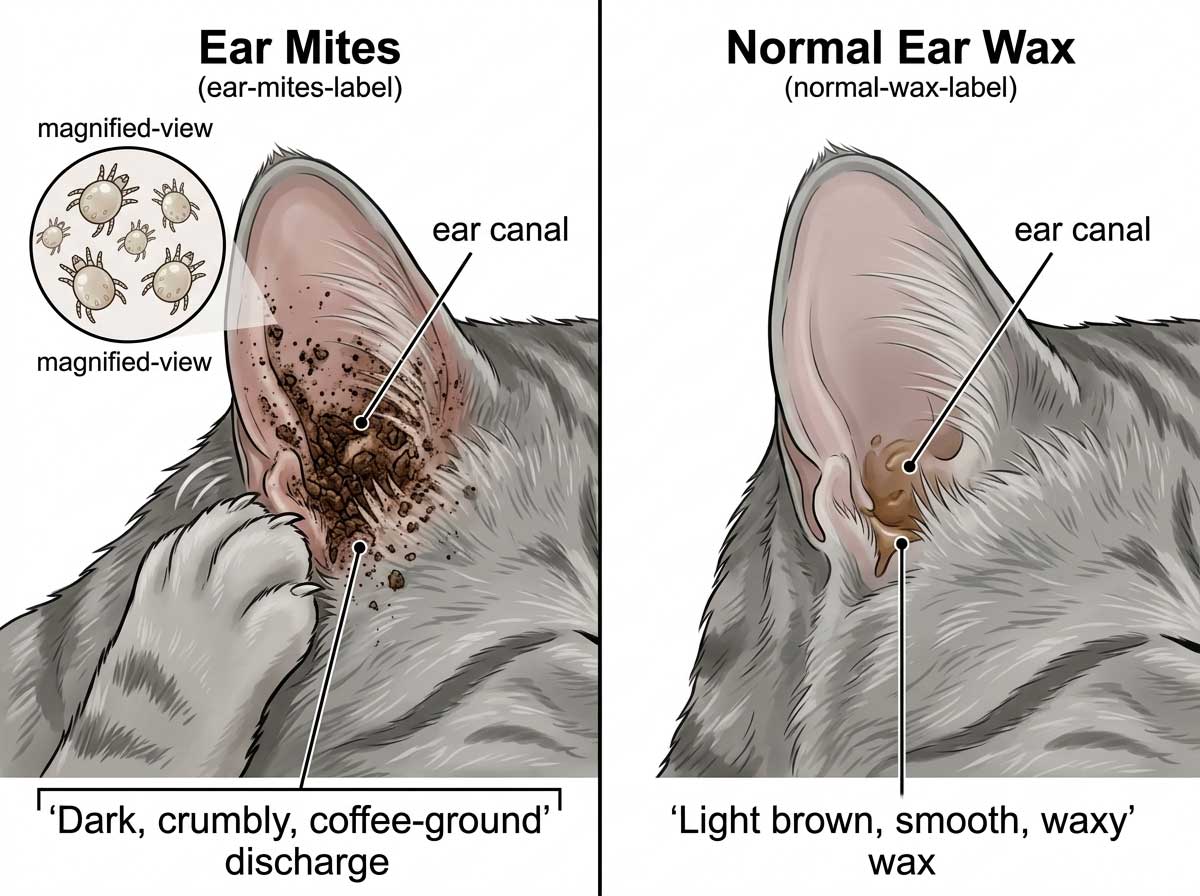
The anatomical differences between cat and dog ears necessitate different approaches to hygiene and medical care. The feline ear canal, being relatively straightforward and having less hair density, is generally easier to inspect for signs of infection. Cats are, however, highly susceptible to ear mites—tiny parasites that thrive in the waxy environment of the ear canal and cause intense irritation.
Dogs, particularly those with long, pendulous ears (like Basset Hounds or Spaniels), face a higher risk of ear infections (otitis externa). The structure of the floppy ear traps moisture, dirt, and debris, creating an ideal environment for yeast and bacterial growth. Owners of breeds with heavy ear flaps must perform regular cleaning to maintain the health of the ear canal. When comparing the two, it is important to note that a dog’s ear is often more prone to chronic, recurring issues that require professional veterinary intervention, while a cat’s ear health is often dictated by the presence of pests or environmental allergens.
Identifying Signs of Ear Distress
Regardless of the species, recognizing when an animal is experiencing ear pain is a crucial skill for any pet owner. Because both cats and dogs hide discomfort well, physical indicators are often subtle.
- Head Shaking: While occasional shaking is normal, frequent or vigorous shaking suggests debris or irritation deep in the canal.
- Excessive Scratching: Constant attention to the ear, often resulting in hair loss or sores on the pinna, indicates intense itching, often caused by infections or allergies.
- Odor or Discharge: A foul-smelling ear or the presence of dark, waxy discharge is a red flag for infection. In cats, this often resembles coffee grounds (a common sign of mite infestation).
- Tilting the Head: If an animal consistently holds its head to one side, this may indicate an inner ear infection affecting balance.
If you observe any of these symptoms in 2026, it is recommended to consult a veterinarian before applying any over-the-counter cleaning solutions. Using the wrong product or inserting a swab too deeply into the canal can cause permanent damage to the delicate tympanic membrane.
Frequently Asked Questions
Why do some dog breeds have floppy ears while cats do not? Floppy ears in dogs are largely the result of selective breeding during domestication. Humans favored certain aesthetic traits, and in many cases, the "floppy" gene is linked to the domestication syndrome, which involves changes in cartilage development. Cats were never bred for such diverse physical shapes, maintaining their ancestral, aerodynamic ear structure.
Can cats hear better than dogs? In terms of pure frequency range and the ability to isolate high-pitched sounds, cats generally outperform dogs. This makes them better equipped to track the ultrasonic sounds produced by rodents. However, dogs are often superior at localizing low-frequency sounds and tracking scents alongside sound, making them more versatile in complex, outdoor environments.
How often should I clean my pet's ears? For most cats and dogs with healthy ears, weekly monitoring is sufficient. Only clean the ear if it is visibly dirty or if recommended by a veterinarian. Over-cleaning can disrupt the natural pH balance of the ear canal, potentially leading to the very infections you are trying to prevent.
Do cats lose their hearing as they age? Yes, like humans and dogs, cats can experience age-related hearing loss (presbycusis). As cats reach their senior years, the sensitivity of the hair cells within the cochlea declines. Owners of senior cats should be aware of this change, as it may affect the cat's startle response and ability to navigate their home environment safely.
Are ear infections contagious between cats and dogs? While bacterial or yeast infections themselves are rarely "contagious" in the traditional sense, the organisms that cause them—such as ear mites—are highly contagious. If one pet in a household is diagnosed with an ear mite infestation, all pets in the home should be treated simultaneously to prevent a cycle of re-infection.
Next Steps for Pet Owners
To ensure the long-term health of your pet's hearing, incorporate a quick "ear check" into your weekly grooming routine. During this time, gently lift the pinna to inspect for redness, swelling, or unusual odors. If you notice any irregularities, record the behavior or discharge and consult your veterinarian. Maintaining the health of the ear canal is a simple, cost-effective way to preserve your pet's quality of life and communication ability well into their senior years.
Image Gallery
Select an image to open it in a new tab.


Omar Farooq
EdTech Innovation and Virtual Pedagogy Journalist
