
Selling a property quickly requires a precise balance between aggressive market positioning, home preparation, and strategic pricing. The most effective method involves a combination of professional staging, high-quality digital marketing, and setting an initial list price slightly below recent comparable sales to stimulate competitive bidding and minimize time on the market.
Assessing Your Timeline and Market Conditions
Before placing a "For Sale" sign in the yard, you must evaluate the current state of your local housing market. Real estate is inherently hyper-local; a "fast" sale in one neighborhood may take three weeks, while in another, it may take three months. To maximize speed, you must understand your local absorption rate—the number of months it takes to sell the current inventory of homes on the market.
When time is the primary constraint, you are often trading a portion of your potential equity for liquidity. If your goal is to sell in under thirty days, you must position your home as the most attractive option for buyers currently shopping in your price bracket. This involves analyzing the "days on market" (DOM) for similar properties and aiming to beat that average by at least 30% through pricing and presentation.
Pricing for Immediate Impact
Pricing is the single most significant factor in how fast a house sells. In 2026, buyers and their agents are highly educated; they have access to real-time data on Zillow, Redfin, and MLS portals. They can identify an overpriced home instantly.
The Psychological Pricing Strategy
Instead of pricing your home at the very top of your appraisal range, consider the "pricing threshold" strategy. If comparable homes are selling for $520,000, listing yours at $499,000 can trigger a psychological shift for buyers who have filtered their searches to "under $500,000." This increased traffic volume often creates a sense of urgency, potentially leading to multiple offers that drive the final price back up to, or even above, the true market value.
Analyzing Comparable Sales (Comps)
To determine your price, look at three key data points:
- Sold properties: Homes that closed in the last 90 days within a one-mile radius that share similar square footage, bedroom/bathroom counts, and finish levels.
- Pending properties: Homes currently under contract, which indicate the recent direction of the market.
- Active listings: Your current competition. If you list your home at the same price as an updated model when yours needs renovation, yours will likely sit on the market longer.

Preparing the Property for a Quick Sale
When you are in a rush, you do not have time for extensive structural renovations. Instead, focus on "high-impact, low-effort" improvements that enhance the perceived value and cleanliness of the home.
Decluttering and Depersonalization
Buyers need to visualize themselves living in the space. Excess furniture, family photographs, and personal collections create visual noise that distracts from the home's architecture. Renting a temporary storage unit to house 50% of your belongings is often the most cost-effective way to make a home appear larger and more inviting.
Curb Appeal and First Impressions
The exterior of your house is the first thing a buyer sees. In the age of digital browsing, your primary listing photo—the exterior shot—is what determines whether a buyer clicks on your listing or scrolls past it. Ensure the lawn is mowed, the entryway is power-washed, and the front door has a fresh coat of paint. These minor investments cost very little but significantly influence the "curb appeal" factor.
Digital Marketing and Professional Presentation
In 2026, the "best way" to sell quickly is through a digital-first approach. Most buyers will experience your home for the first time on a mobile device.
- Professional Photography: Do not use smartphone photos. A professional real estate photographer understands lighting, wide-angle lenses, and how to capture the flow of a room.
- Virtual Tours: Matterport or similar 3D walkthrough technology allows out-of-town buyers or those with tight schedules to tour the home remotely. This expands your buyer pool significantly.
- Staging: While professional furniture staging is an investment, it is highly effective for vacant homes. Staged homes typically sell faster because they define the purpose of each room, helping buyers understand the utility of the floor plan.
Comparing Selling Channels
When you need to sell fast, you generally choose between listing on the open market or selling to an iBuyer/investor.
| Strategy | Speed | Net Proceeds | Effort |
|---|---|---|---|
| Open Market (Agent) | Moderate | Highest | High |
| iBuyer Services | Fast | Lower | Low |
| Cash Investors | Immediate | Lowest | Minimal |
The Role of Real Estate Agents
A high-performing agent provides more than just access to the Multiple Listing Service (MLS). They act as a project manager, coordinating photographers, cleaners, and inspectors. They also possess the negotiation skills necessary to vet offers and ensure that a buyer’s financing is solid, preventing the deal from falling through at the last minute—a common risk that can reset your timeline.
Managing the Transaction Process
Once you receive an offer, the speed of the closing process depends on your ability to clear contingencies.
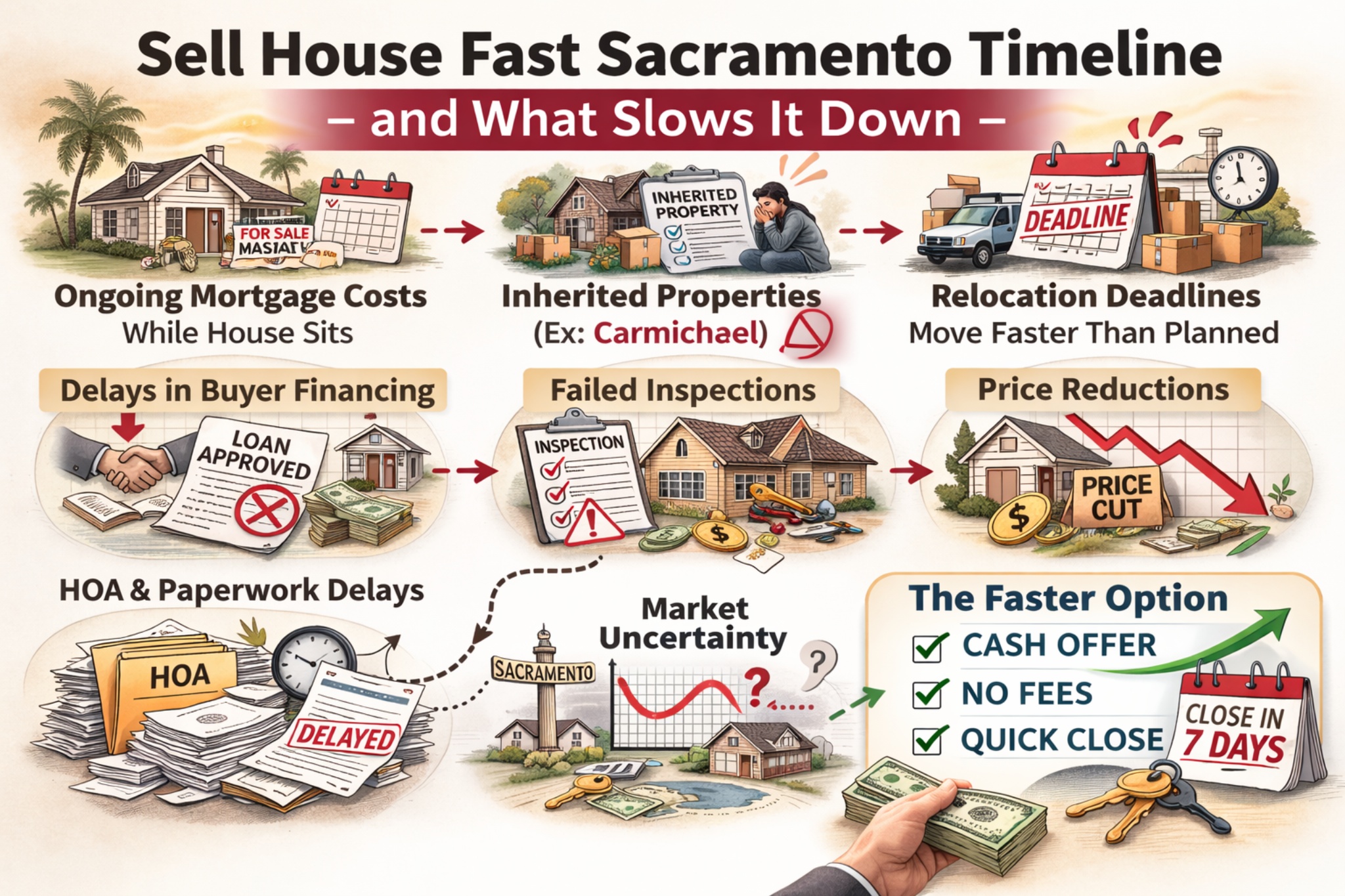
- Inspection Readiness: Many deals stall during the home inspection phase. Consider having a pre-inspection performed before you list. This allows you to repair or disclose issues upfront, preventing surprises that could cause a buyer to walk away or demand a significant price reduction after the offer is accepted.
- Financing Verification: Always require a "pre-approval" letter from a reputable lender rather than a generic "pre-qualification" letter. Ensure your agent verifies the buyer’s deposit size and loan type. Cash offers are the fastest, but they often come with a lower offer price.
- Flexible Closing Dates: If you are willing to move quickly, offering a flexible closing window can be a major selling point. Some buyers have a lease ending or a job relocation that requires a specific, tight timeline.
Common Pitfalls to Avoid
- Ignoring Feedback: If you have had ten showings and no offers, the market is giving you feedback. The issue is almost always price or condition. Be prepared to adjust your strategy within the first two weeks.
- Over-Improving: Do not engage in major remodels (like kitchen guts or room additions) when trying to sell fast. You rarely recoup 100% of the costs of major renovations, and they often lead to delays.
- Restricted Access: The most common mistake sellers make is limiting showing times. If you refuse to allow showings on weekends or require 24 hours of notice, you are actively shrinking your pool of potential buyers. For a fast sale, the home must be accessible.
Frequently Asked Questions
Is it faster to sell to a cash buyer? Yes. Selling to a cash investor or an iBuyer eliminates the mortgage approval contingency, which is the most common reason real estate transactions take longer than 30 days. However, you will usually receive a lower price compared to the open market.
Does leaving the house vacant make it sell faster? Generally, no. A vacant home can feel cold and smaller to buyers. Staging a vacant home with furniture helps define spaces, but if you cannot stage it, ensure the property is impeccably clean and perhaps offer a credit for painting to compensate for the "blank canvas" feel.
When is the best time of year to sell quickly? While real estate remains active year-round, spring and early summer (March through June) typically see the highest buyer demand. If you must sell in the off-season, you must be even more aggressive with your pricing to stand out against lower inventory levels.
Can I sell my house "as-is" to speed things up? Yes, but you must be transparent. Listing a house "as-is" means you are not responsible for repairs. While this attracts investors and buyers looking for a project, it may limit your buyer pool to those who have the cash or the specific renovation loans required to tackle the property.
What is the most important legal document in a sale? The Purchase Agreement is the most critical document. It outlines the timeline, contingencies, and price. Ensure your agent or attorney explains every clause, particularly the "closing date" and "inspection contingency" periods, as these define how long the process will actually take.
Recommendation for Next Steps
If your priority is speed, start by interviewing three local real estate agents who have specific experience selling homes in your price range within the last six months. Ask them for a "Comparative Market Analysis" and a list of specific, low-cost repairs that could add the most value. If their estimated timelines do not meet your goals, request a secondary strategy that focuses on aggressive pricing or a direct-to-investor sale. Do not wait for the market to come to you; take an active role in managing your property’s presentation to ensure it remains at the top of the buyer list.
Image Gallery
Select an image to open it in a new tab.



Akira Tanaka
International Academic Trends Correspondent
