Longevity Secrets of the Okinawa Blue Zone: Lessons in Health and Purpose for 2026
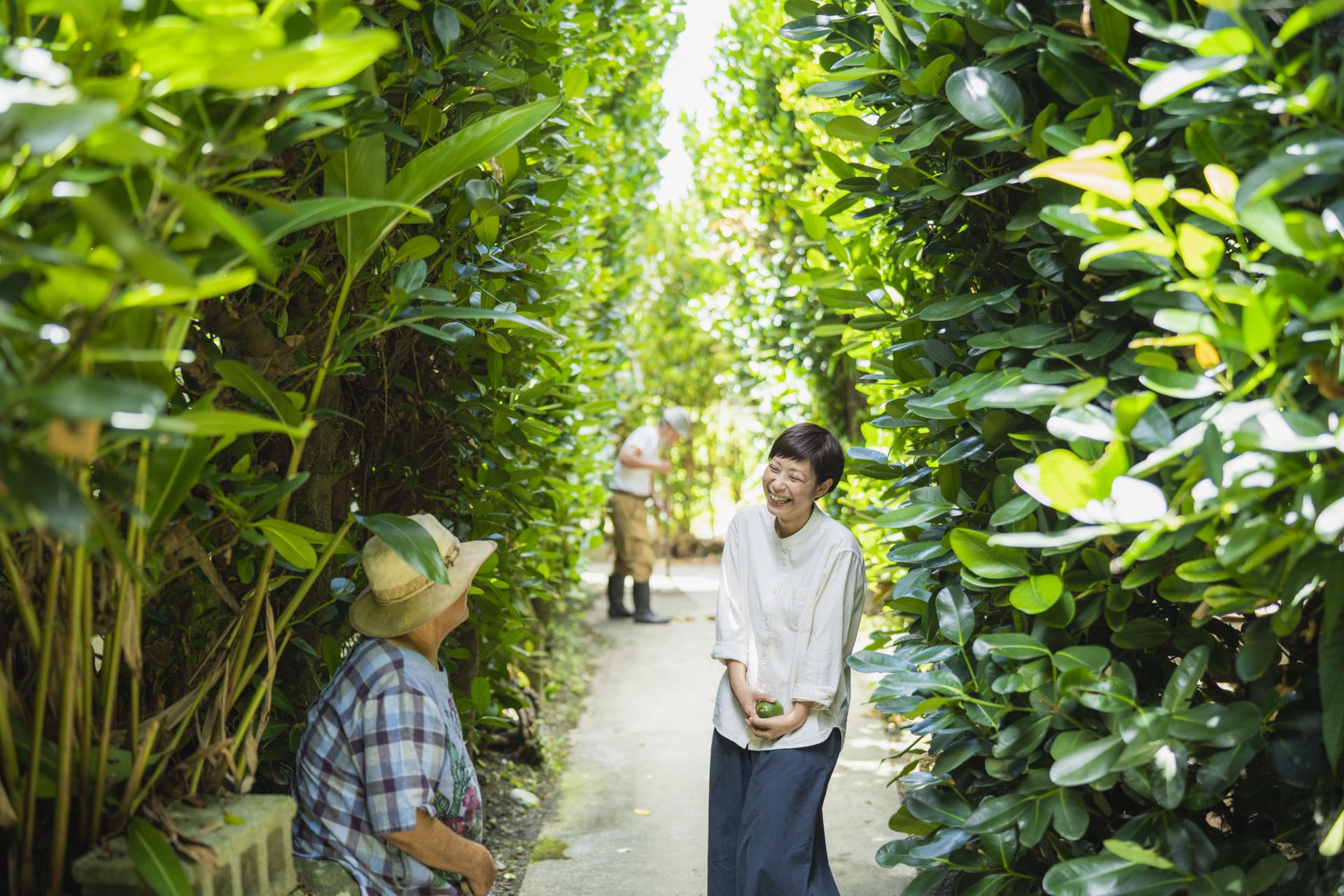
Okinawa, Japan, is a premier "Blue Zone" where residents historically enjoy some of the world's highest life expectancies and lowest rates of chronic disease. This longevity stems from a synergistic combination of a nutrient-dense, plant-heavy diet, lifelong social support networks called Moai, a dedicated sense of purpose known as Ikigai, and consistent, low-intensity natural movement.
The term "Blue Zone" was popularized by researcher Dan Buettner and National Geographic to describe regions where people live exceptionally long lives, often reaching age 100 at rates significantly higher than the global average. While the world has changed considerably by 2026, the foundational lessons from Okinawa remains the gold standard for healthy aging. This article explores the cultural, dietary, and social pillars of Okinawa to provide a roadmap for long-term vitality.
The Foundations of the Okinawan Blue Zone
Okinawa is an archipelago in the East China Sea, part of Japan but possessing a distinct cultural identity rooted in the Ryukyu Kingdom. For decades, researchers have been drawn to these islands to understand the "Okinawa Miracle"—a phenomenon where elderly residents not only live longer but also experience "healthspan," or years lived in good health, that far exceeds Western norms.
The core of this longevity is not found in a single "superfood" or a specific genetic mutation. Instead, it is the result of an environment that makes the healthy choice the easy, default choice. In 2026, as global health systems face the mounting pressures of aging populations, the Okinawan model offers a sustainable alternative to the medicalization of old age.
The Power 9 and the Okinawan Context
While all Blue Zones share certain characteristics—known as the "Power 9"—Okinawa expresses them through unique cultural lenses. These include:
- Move Naturally: Living in environments that nudge them into moving without thinking about it.
- Purpose: Having a reason to wake up in the morning.
- Down Shift: Strategies to shed stress.
- 80% Rule: Stopping eating when the stomach is nearly full.
- Plant Slant: Beans and sweet potatoes are the cornerstones of most centenarian diets.
- Social Circles: Belonging to groups that support healthy behaviors.
The Okinawan Longevity Diet: More Than Just Food
The traditional Okinawan diet is perhaps the most studied aspect of this Blue Zone. Historically, it is characterized by being low in calories but high in nutrient density. Unlike the modern Japanese diet, which relies heavily on white rice, the traditional Okinawan diet was built on the back of a specific complex carbohydrate: the purple sweet potato.
The Role of the Satsuma-imo (Purple Sweet Potato)
Until the mid-20th century, the Satsuma-imo provided up to 60-70% of the calories for the average Okinawan. Unlike the white potato or white rice, these purple tubers have a low glycemic index, meaning they do not cause rapid spikes in blood sugar. They are also exceptionally rich in anthocyanins—the same potent antioxidants found in blueberries—which help reduce inflammation and support cardiovascular health.
Bitter Melon and Medicinal Herbs
Another staple is Goya (bitter melon), a vegetable rich in phytonutrients that have been shown to help regulate blood glucose levels. Okinawans also consume significant amounts of turmeric, mugwort, and seaweeds like kombu and hijiki. These ingredients provide a steady supply of minerals and anti-inflammatory compounds that are often missing from modern processed diets.
The Philosophy of Hara Hachi Bu
Okinawan longevity is as much about how one eats as what one eats. The Confucian-inspired practice of Hara Hachi Bu instructs individuals to eat until they are only 80% full. Scientifically, this practice aligns with research on caloric restriction, which has been shown to slow the aging process in various biological models. By avoiding overconsumption, Okinawans maintain a lean body mass and reduce the oxidative stress associated with digesting large quantities of food.

Moai: The Social Fabric of Long Life
In Okinawa, you don't have to face life's challenges alone. A Moai is a social support group that starts in childhood and often lasts for many decades. Originally formed as a way for a village to pool resources for public works or emergencies, the Moai evolved into a primary source of emotional and social security.
Psychological and Physiological Benefits
The impact of the Moai on health is profound. Loneliness is a known risk factor for premature death, comparable to smoking 15 cigarettes a day. The Moai provides a "safety net" that reduces cortisol levels—the body's primary stress hormone. In 2026, as digital isolation becomes more prevalent, the Moai serves as a reminder that consistent, face-to-face human connection is a biological necessity for longevity.
The commitment to a Moai is formal; members meet regularly to talk, share advice, and contribute a small amount of money to a common fund, which is given to a member in need on a rotating basis. This financial security, combined with the knowledge that someone is always looking out for you, contributes to the low levels of stress-related diseases in the region.
Ikigai: Finding Your "Why"
The concept of Ikigai is often translated as "a reason for being" or "the reason you wake up in the morning." In Okinawa, there is no word for "retirement" in the Western sense. Instead, there is a lifelong pursuit of purpose.
Purpose as a Health Metric
Research indicates that individuals with a clear sense of purpose have lower risks of Alzheimer’s disease, heart disease, and stroke. For an Okinawan centenarian, their Ikigai might be teaching karate, tending to a vegetable garden, or looking after great-grandchildren. This sense of responsibility keeps the mind active and the body moving.
By maintaining an Ikigai, elderly Okinawans remain integrated members of society rather than being sidelined. This prevents the "social death" that often precedes physical death in many Western cultures.
Natural Movement: The Anti-Gym Approach
You will rarely see an Okinawan centenarian lifting weights in a gym or running on a treadmill. Instead, their lives are designed around natural movement. Many Okinawans are lifelong gardeners, a hobby that requires frequent squatting, reaching, and walking.
The Importance of the Floor-Based Culture
Traditionally, Okinawans spend a significant amount of time sitting on the floor (on tatami mats) rather than in chairs. This means they must stand up and sit down dozens of times a day. This simple act builds lower body strength, balance, and flexibility—key factors in preventing falls, which are a leading cause of disability in the elderly.
According to the Blue Zones research, the consistency of this low-intensity activity is more beneficial for long-term health than sporadic bursts of intense exercise followed by hours of sedentary behavior.
The 2026 Reality: The Okinawa Paradox
It is crucial to address the current status of Okinawa. While the elders (the "silent generation") remain the healthiest people on Earth, the younger generations in Okinawa have seen a decline in health metrics. This is often referred to as the Okinawa Paradox.
As Western-style fast food and sedentary lifestyles were introduced to the islands, obesity rates among younger Okinawans rose significantly. By 2026, Okinawa actually has some of the highest obesity rates in Japan among its younger population. This shift underscores a vital lesson: longevity is not purely genetic. When the traditional Okinawan lifestyle is abandoned, the health benefits disappear within a single generation. This makes the preservation and study of traditional Okinawan habits more urgent than ever.
Comparison: Traditional Okinawan vs. Western Lifestyle
| Feature | Traditional Okinawan Lifestyle | Modern Western Lifestyle |
|---|---|---|
| Primary Carbohydrate | Purple Sweet Potato (Low GI) | Refined Grains/Sugar (High GI) |
| Dietary Focus | Plant-based, high fiber | Animal-based, high fat/sugar |
| Eating Habit | Hara Hachi Bu (80% full) | Eating until stuffed |
| Social Structure | Lifelong Moai (In-person) | Digital/Fragmented social circles |
| Physical Activity | Daily gardening, floor sitting | Structured gym sessions/Sedentary |
| Sense of Purpose | Lifelong Ikigai | Retirement-focused |
| Stress Management | Ancestor veneration, community | Individualistic, often neglected |
How to Implement Okinawan Secrets Today
While most people cannot move to a village in Japan, the principles of the Okinawa Blue Zone can be adapted to any environment in 2026.
- Shift Your Starch: Replace white bread and rice with sweet potatoes, legumes, and whole grains. Focus on "whole" foods that are as close to their natural state as possible.
- Cultivate a "Moai": Create a small group of 4–5 friends who commit to supporting each other. Meet regularly and prioritize these relationships over digital interactions.
- Practice Hara Hachi Bu: Slow down during meals. It takes the brain about 20 minutes to receive the signal that the stomach is full. Remind yourself to stop before you feel "full."
- Find Your Ikigai: Identify what you love, what you are good at, and what the world needs. Purpose can be found in small, daily tasks just as much as in grand career goals.
- Design for Movement: If you work at a desk, use a standing desk or take walking meetings. Start a small garden or simply choose the stairs. The goal is to move every 20 minutes.
A Note on Medical Advice
While the Okinawan lifestyle is associated with significant health benefits, it is not a replacement for modern medical care. Individuals should consult with healthcare providers before making radical changes to their diet or exercise routines, especially if they have pre-existing conditions. More information on global health trends and longevity can be found via the World Health Organization.
FAQs
Is the Okinawan diet strictly vegan?
No, the traditional Okinawan diet is not strictly vegan, but it is 97% plant-based. Small amounts of fish are consumed a few times a week, and pork is traditionally reserved for rare ceremonial occasions, where it is boiled for hours to remove much of the fat. The emphasis is overwhelmingly on vegetables, soy (tofu/miso), and sweet potatoes.
What is the specific purple potato they eat?
The potato is known as the Beni Imo. It is native to the region and is distinct from the North American "Okinawan Sweet Potato" often found in specialty stores, though they share similar nutritional profiles. Its deep purple color is a sign of high antioxidant content, specifically anthocyanins, which support brain and heart health.
Why is "Hara Hachi Bu" so effective?
Eating to 80% capacity prevents the over-stretching of the stomach and the subsequent hormonal spikes that lead to lethargy and weight gain. By consuming fewer calories while maintaining high nutrient intake, the body experiences less metabolic stress. This practice is supported by extensive research from the Okinawa Centenarian Study, which has followed the island's elderly for over 40 years.
Can the "Moai" concept work in Western cities?
Yes, but it requires intentionality. In Okinawa, Moais are often baked into the culture. In Western cities, you must "engineer" your social circle. This involves choosing friends who have healthy habits, as behaviors—both good and bad—are contagious within social networks.
What happened to Okinawa's ranking recently?
While the elders still hold longevity records, Okinawa's overall ranking within Japan has slipped due to the adoption of Western diets by younger people. This proves that the "Blue Zone" status is a result of lifestyle and environment, not just genetics. It serves as a cautionary tale for the rest of the world about the impact of processed foods.
Practical Next Step
To begin your journey toward an Okinawan-inspired lifestyle, start with your next meal. Practice Hara Hachi Bu by removing distractions like your phone or television. Focus on the flavor and texture of your food, and stop eating the moment you no longer feel hungry, rather than when the plate is empty. This single habit is the most immediate way to align your physiology with the centenarians of the Blue Zones.
Image Gallery
Select an image to open it in a new tab.








Ingrid Bjornson
Global Cyber Policy and Regulation Analyst
