
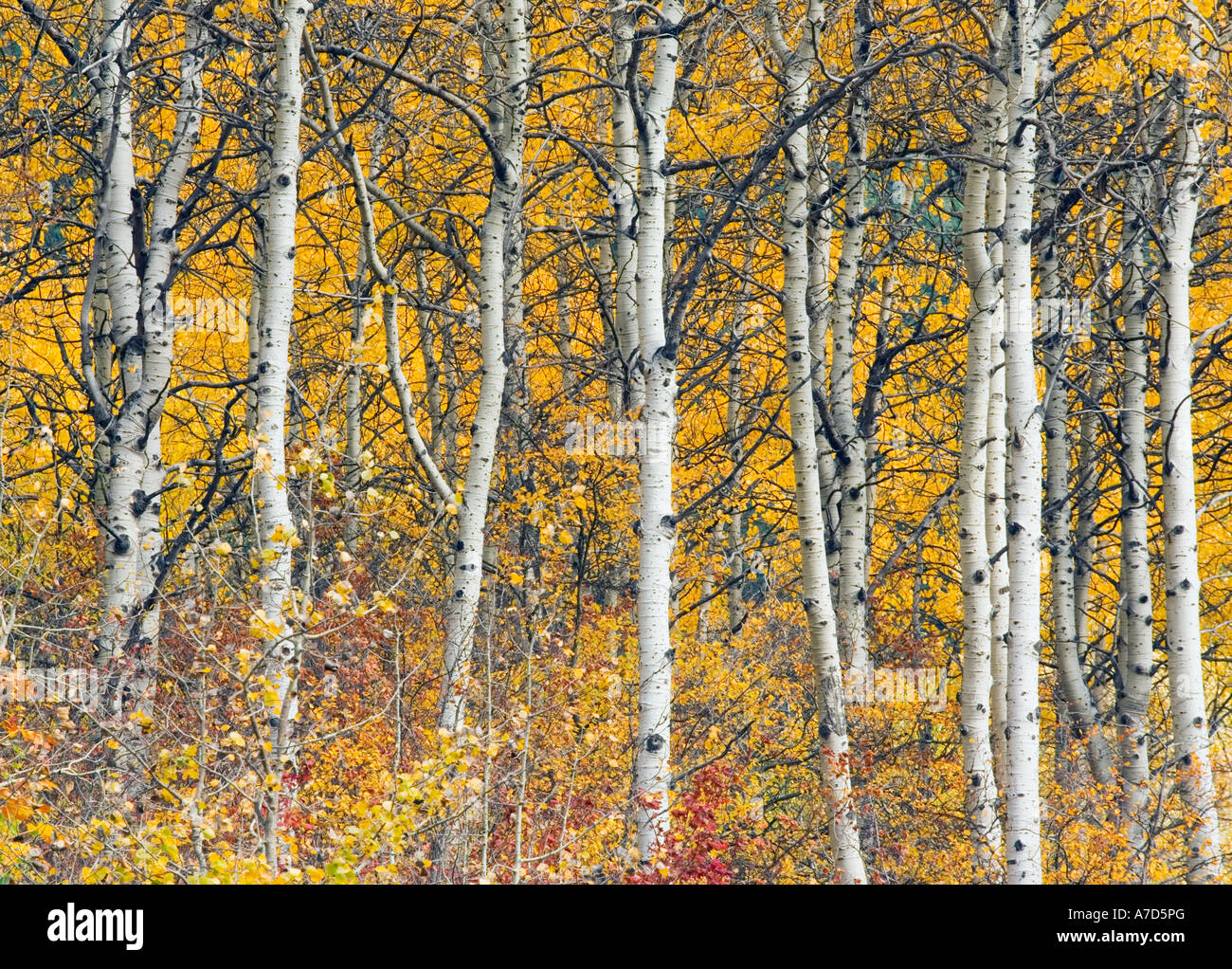
Yes, aspen trees are famous for their dramatic autumn transformation, primarily turning a brilliant, shimmering golden-yellow. This change occurs as chlorophyll breaks down, revealing underlying carotenoid pigments. In certain high-altitude conditions or specific genetic clones, you may also observe rarer shades of vibrant orange or even muted red.
The quaking aspen (Populus tremuloides) is arguably the most iconic deciduous tree of the North American West. While many tree species offer a variety of hues, the aspen is celebrated for its ability to transform entire mountainsides into seas of uniform gold. This phenomenon is not merely a visual treat; it is a complex biological response to shifting environmental cues, deeply rooted in the tree's unique genetic structure and physiological requirements. Understanding why and how the aspen changes color requires a look at plant chemistry, meteorology, and the fascinating world of clonal biology.
The Biological Mechanism of Color Change
The transition of an aspen leaf from deep summer green to autumn gold is a process of revelation rather than a "dyeing" of the leaf. Throughout the spring and summer, leaves are packed with chlorophyll, the pigment responsible for photosynthesis. Chlorophyll is so dominant that it masks other pigments present within the leaf structure.
As the year 2026 progresses into the post-equinox period, the reduction in daylight hours (photoperiodism) signals the tree to begin preparing for winter dormancy. The tree stops producing chlorophyll and begins to break down the existing supply to salvage nutrients, such as nitrogen, which are then stored in the roots for the following spring.
The Role of Carotenoids and Xanthophylls
Once the green chlorophyll fades, the "accessory pigments" become visible. In aspens, these are primarily carotenoids and xanthophylls. These are the same pigments that give carrots their orange hue and corn its yellow color.
- Xanthophylls: These produce the bright, sunny yellows most commonly associated with aspen groves.
- Carotenoids: These contribute to the deeper gold and occasional orange tones.
Because aspens possess high concentrations of these specific pigments and relatively low levels of others, their fall display is remarkably consistent. Unlike maples, which produce varying levels of anthocyanins (red pigments) depending on sugar concentration and light, aspens rely on the steady presence of yellow-producing compounds that were actually in the leaf all summer long.
The Phenomenon of Red Aspens
While yellow is the standard, travelers in regions like Southern Utah or high-altitude Colorado may occasionally spot "red" aspens. This is a subject of significant botanical interest. The production of anthocyanins—the pigments responsible for reds and purples—is usually a response to high sugar concentrations in the leaf coupled with bright sunlight and cold (but not freezing) nights.
In some aspen clones, a genetic predisposition allows for the synthesis of these red pigments under specific environmental stressors. If a sudden cold snap occurs while the days remain exceptionally clear and bright, the sugars trapped in the leaves can convert into anthocyanins, resulting in a rare, flaming orange or reddish-pink hue that stands out sharply against the traditional gold.
The Clonal Factor: Why Aspens Change in Sync
One of the most striking aspects of an aspen forest in the fall is the "patchwork" effect on the landscape. You might see one massive stand of trees that is completely gold, while an adjacent stand remains deep green. This occurs because the aspen is a clonal organism.
An aspen "grove" is often not a collection of individual trees, but rather a single biological entity connected by a massive, subterranean root system. Each trunk (called a "ramet") is a genetic clone of the others in that specific group. This has profound implications for fall color:
- Synchronized Timing: Because every tree in a clone shares the same DNA, they respond to environmental triggers—like temperature and day length—simultaneously. This is why an entire hillside will "turn" at once.
- Uniform Coloration: Genetic consistency ensures that every leaf in a clone will turn the exact same shade of yellow or gold.
- The "Pando" Example: In Utah’s Fishlake National Forest, the Pando clone (one of the largest and oldest living organisms on Earth) demonstrates this beautifully, with its 40,000-plus trunks shifting color in a coordinated wave across more than 100 acres.
For a deeper dive into the clonal nature of these forests, the U.S. Forest Service provides extensive research on aspen ecology and the management of these unique ecosystems.

Environmental Triggers and Peak Timing
While the primary trigger for the color change is the decreasing length of daylight, weather conditions in late summer and early autumn play a critical role in the quality and duration of the display.
Temperature and Moisture
As we observe the 2026 season, the ideal conditions for a "brilliant" year involve a moist growing season followed by a dry, sunny autumn with cool but frost-free nights.
- Dry Autumns: Lack of rain in the fall helps concentrate the sugars in the leaves, leading to more vibrant colors.
- Temperature Gradients: Warm days allow for continued sugar production, while cool nights (above freezing) slow the movement of these sugars out of the leaf, enhancing pigment expression.
- The Threat of Early Frost: A "killing frost" (temperatures significantly below 32°F/0°C) can end the season prematurely. If the cells in the leaf freeze before the abscission layer (the "break" point at the base of the stem) has fully formed, the leaves will turn brown and shrivel rather than transitioning to gold.
Altitude and Latitude
The "wave" of color moves geographically. In North America, the change begins in the north (Alaska and Canada) and at the highest elevations of the Rocky Mountains in late August or early September. It then moves south and down in elevation. In the Southern Rockies, peak color typically occurs between the third week of September and the first week of October.
| Region | Typical Peak Window | Dominant Color | Factors |
|---|---|---|---|
| Northern Rockies / Canada | Early to Mid-September | Lemon Yellow | Short growing season, rapid cooling. |
| Central Rockies (CO/UT) | Late Sept to Early Oct | Golden Yellow / Orange | High elevation, intense UV exposure. |
| Great Lakes Region | Mid to Late October | Pale Yellow | Higher humidity, mixed with hardwood forests. |
| Sierras (California) | October | Vibrant Gold | Arid conditions, high-altitude pockets. |
The "Quaking" Effect and Visual Aesthetics
The aspen's fall display is not just about color; it is also about movement. The tree gets its name, "Quaking Aspen," from its unique leaf structure. The petiole (leaf stalk) is flattened at a 90-degree angle to the plane of the leaf. This makes the leaf aerodynamically unstable.
Even the slightest breeze causes the leaves to pivot back and forth rapidly. In the autumn, when the leaves are dry and golden, this creates two distinct sensory experiences:
- The Shimmer: As the leaves flip, they catch the sunlight at different angles, creating a shimmering, metallic effect that can be seen from miles away.
- The Sound: The dry leaves striking one another produce a soft, white-noise rustle that is characteristic of aspen forests.
This combination of movement, sound, and color makes the aspen's fall change a multisensory event that differs significantly from the static, heavy colors of oak or maple forests.
Common Threats to Fall Color Quality
Not every year results in a spectacular display. Several factors can diminish the aspen’s autumn performance.
Fungal Infections
Leaf spots, such as those caused by the fungus Marssonina, can be prevalent during unusually wet summers. This fungus causes dark brown spots on the leaves, which can spread and cause the leaves to drop before they ever have a chance to turn yellow. In 2026, foresters continue to monitor these outbreaks as they significantly impact the "leaf-peeping" tourism industry in Western states.
Drought Stress
While a dry autumn is good, a severe summer drought is not. If the trees are stressed by a lack of water during the growing season, they may enter "survival mode" and drop their leaves early to conserve moisture. These leaves often turn a dull yellow-brown and fall off weeks before the traditional peak.
Wind Events
Because of their delicate petioles, aspen leaves are easily detached once the abscission layer begins to form. A single high-wind event in late September can strip a grove of its golden crown in a matter of hours, leaving the trees bare even if the temperatures are still mild.
Comparison: Aspen vs. Other Fall Favorites
To understand why the aspen is unique, it helps to compare it to other trees known for their autumn foliage.
| Feature | Quaking Aspen | Sugar Maple | White Oak |
|---|---|---|---|
| Primary Color | Golden-Yellow | Orange/Red/Yellow | Russet/Brown |
| Color Uniformity | Extremely High (Clonal) | Low (Individual variation) | Moderate |
| Leaf Movement | High ("Quaking") | Low | Minimal |
| Bark Contrast | White (High contrast) | Grey/Brown (Low contrast) | Grey (Textured) |
| Peak Duration | Short (approx. 1 week) | Long (2-3 weeks) | Moderate |
The white bark of the aspen provides a stark, high-contrast backdrop for the yellow leaves, which is why they are often considered more photogenic than maples, which have darker, more muted bark.
Frequently Asked Questions
Do all aspen trees turn the same color?
Within a single clone (a group of trees connected by one root system), yes, they generally turn the exact same shade. However, different clones in the same area may vary from pale lemon yellow to a deep, burnished gold or even orange. This creates the "patchwork" look seen on mountainsides.
Why do some aspen leaves turn black or brown instead of yellow?
This is usually caused by either a sudden, hard freeze that kills the leaf tissue before the color-change process is complete, or by a fungal infection like Marssonina leaf spot. Drought stress can also cause leaves to wither and turn brown prematurely.
How long does the aspen color change last?
The window is relatively narrow. Once a grove reaches its peak color, the leaves typically remain on the tree for about 7 to 10 days, provided there are no heavy winds or rain. The entire "season" across different elevations in a single region may last about three weeks.
Can I grow an aspen in my yard to get fall color?
Aspens can be grown in home landscapes, particularly in USDA zones 2 through 7. However, they are susceptible to many pests and diseases when planted at low elevations or in urban environments. They also spread aggressively via root suckers, which can be a challenge for small gardens.
Is the white "powder" on the bark related to the color change?
No, the white powdery substance on aspen bark is actually a natural sunscreen that protects the tree from high-altitude UV rays and prevents "sunscald" in the winter. It is present year-round and provides the beautiful white contrast to the yellow autumn leaves.
Practical Recommendations for 2026 Leaf Peepers
If you are planning to view the aspen color change in 2026, timing and location are everything. To maximize your chances of seeing the best gold:
- Monitor "Leaf Trackers": Many state park services and national forests (such as those in Colorado and Utah) provide weekly updates starting in early September.
- Vary Your Elevation: If the colors haven't turned at 8,000 feet, drive up to 10,000 feet. The color change is a descending wave.
- Look for Clonal Borders: Seek out areas where different clones meet. You will see sharp lines where one group of trees is vibrant gold and the next is still lime green, providing excellent photographic opportunities.
- Visit Early in the Day: The low angle of the morning sun through the translucent yellow leaves creates a "glow" effect that is much more dramatic than mid-day light.
Image Gallery
Select an image to open it in a new tab.


Vivian Cho
Executive IT and Emerging Technologies Reporter
