
Investing in anti-drone technology stocks involves identifying companies that develop Counter-Unmanned Aircraft Systems (C-UAS) to detect, track, and neutralize unauthorized drones. This sector includes major defense primes and specialized electronic warfare firms. Investors should focus on companies with established government contracts, scalable directed-energy weapons, and advanced artificial intelligence-driven detection software.
The Evolution of the Counter-UAS Market in 2026
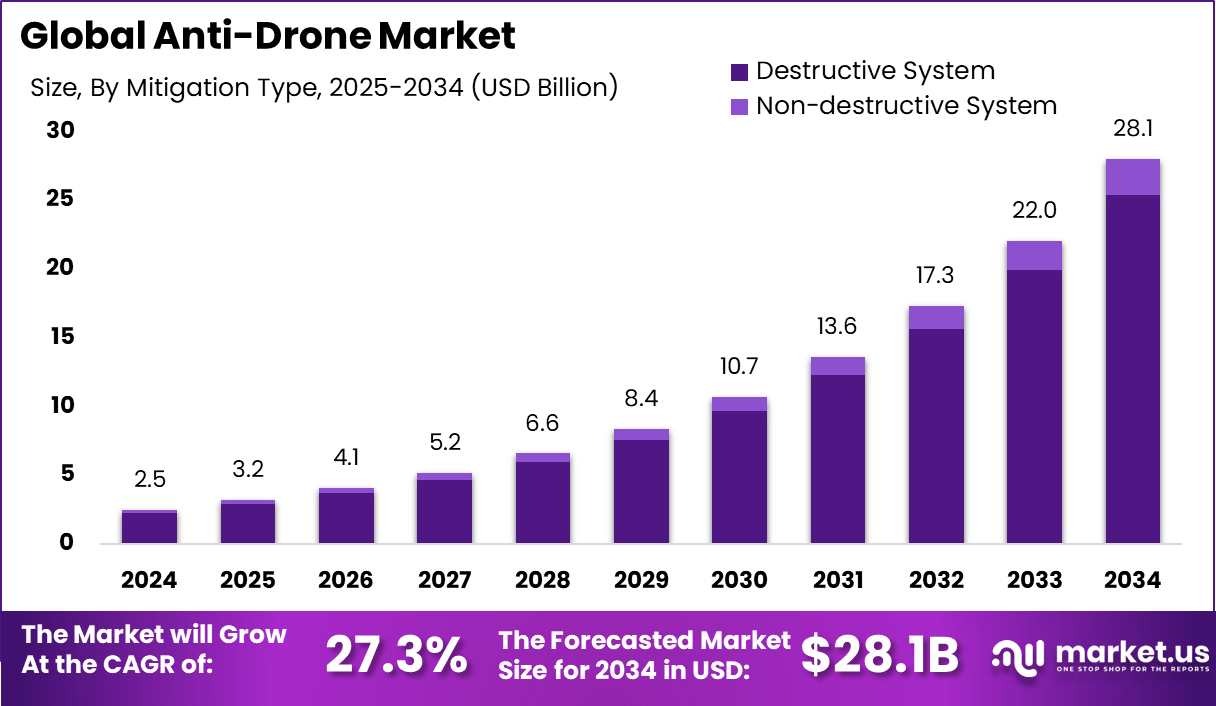
As of 2026, the landscape of modern warfare and domestic security has been fundamentally altered by the ubiquity of small, inexpensive, and highly lethal unmanned aerial vehicles (UAVs). What was once a niche concern for high-level military installations has evolved into a critical requirement for airports, power plants, stadium venues, and tactical military units. The "drone gap"—the disparity between the low cost of offensive drones and the high cost of traditional missile defense—has forced a massive influx of capital into anti-drone technology.
The anti-drone market is no longer just about "jamming" signals. It has matured into a sophisticated multi-layered ecosystem. In 2026, the industry is defined by the integration of Artificial Intelligence (AI) for autonomous threat recognition and the deployment of "cost-per-shot" efficient weapons like high-energy lasers and high-power microwaves. For investors, this represents a transition from speculative venture-style bets to a core component of a modern defense and aerospace portfolio.
Key Technologies Driving the Anti-Drone Sector
To invest effectively, one must understand the specific technologies that make up a C-UAS suite. Companies rarely succeed by offering just one component; the most valuable firms are those providing integrated "system-of-systems" solutions.
Detection and Identification Systems
Before a drone can be neutralized, it must be found. Traditional radar often struggles with small, low-flying plastic drones that have a minimal RCS (Radar Cross Section). 2026's leaders in this space use a combination of:
- Radio Frequency (RF) Sensors: These "listen" for the signals between the drone and the controller.
- Electro-Optical/Infrared (EO/IR) Cameras: Used for visual confirmation and tracking, often enhanced by AI to distinguish a bird from a drone.
- Acoustic Sensors: Microphones that detect the unique motor signature of specific drone models.
Soft-Kill Mitigation (Electronic Warfare)
"Soft-kill" refers to neutralizing a drone without physically destroying it. This is the preferred method for urban environments where falling debris is a risk.
- Jamming: Flooding the drone’s frequency (GPS or Control) with noise, forcing it to land or return to home.
- Protocol Manipulation (Spoofing): Taking over the command link of the drone to steer it safely away. This is high-level "cyber-kinetic" warfare and is a high-growth area for specialized tech firms.
Hard-Kill Mitigation (Kinetic and Directed Energy)
When a swarm of drones approaches a military asset, soft-kill methods may be overwhelmed. This is where "hard-kill" technology applies.
- High-Energy Lasers (HEL): These systems use light to burn through drone components. The primary advantage is the "infinite magazine," as long as there is power.
- High-Power Microwaves (HPM): These emit bursts of energy that fry the electronic circuits of multiple drones simultaneously, making them the premier defense against "swarm" attacks.
- Kinetic Interceptors: Smaller, "suicide" drones designed to ram into or explode near incoming threats.

Top Anti-Drone Technology Stocks to Consider
The market is split between "Defense Primes"—massive conglomerates where C-UAS is one of many divisions—and "Pure-Plays," which are smaller, more volatile, but offer higher growth potential.
The Defense Giants (Diversified Exposure)
1. RTX Corporation (formerly Raytheon Technologies) RTX remains a dominant force in the C-UAS space through its "Coyote" interceptor program. By 2026, the Coyote Block 2 and 3 systems have become standard issue for the U.S. Army’s integrated air and missile defense. RTX also leads in high-energy laser development, making it a "safe" pick for investors looking for exposure to proven, large-scale government contracts.
2. Lockheed Martin (LMT) Lockheed Martin has focused heavily on the directed energy segment. Their HELIOS (High Energy Laser with Integrated Optical-dazzler and Surveillance) system is a prime example of technology that has transitioned from testing to active naval deployment. Lockheed’s advantage lies in its ability to integrate C-UAS into broader battle management systems like Aegis.
3. Northrop Grumman (NOC) Northrop Grumman specializes in the "brain" of the operation. Their Forward Area Air Defense Command and Control (FAAD C2) software is the standard architecture used by the U.S. military to link different sensors and shooters together. Investing in NOC is a bet on the software and networking layer of the anti-drone market.
Specialized and Pure-Play Firms
4. DroneShield Limited (ASX: DRO / OTC: DRSHF) DroneShield is one of the few publicly traded "pure-play" anti-drone stocks. Based in Australia but with a massive U.S. presence, they specialize in handheld and portable C-UAS equipment. Their products, like the DroneGun, are widely used by law enforcement and specialized military units. As a smaller cap stock, it offers higher volatility but has shown significant revenue growth as global tensions rise.
5. Leonardo DRS (DRS) Leonardo DRS provides the M-LIDS (Mobile-Low, Slow, Small-Unmanned Aircraft System Integrated Defeat System). This is a vehicle-mounted solution that has seen rapid procurement cycles. DRS sits in a "sweet spot" between a massive prime and a small specialist, offering a more focused C-UAS portfolio than the giants.
6. Teledyne FLIR (Part of Teledyne Technologies - TDY) While Teledyne is a broad industrial tech company, its FLIR division provides the "eyes" for a vast majority of the world's anti-drone systems. Their thermal imaging and long-range cameras are essential components for almost every C-UAS platform, making them a "picks and shovels" play for the industry.
Comparative Analysis of Anti-Drone Market Leaders
| Company | Primary Tech Focus | Target Market | Investment Profile |
|---|---|---|---|
| RTX Corp | Kinetic (Coyote), Lasers | Global Military (Tier 1) | Blue-chip, Dividends |
| Lockheed Martin | High-Energy Lasers | Naval & Fixed Site | Defensive, High-Barrier |
| DroneShield | RF Jamming & Detection | Law Enforcement / Tactical | Growth, High Volatility |
| Leonardo DRS | Mobile Vehicle Integration | Army / Expeditionary | Mid-Cap Growth |
| Epirus (Private)* | High-Power Microwave | Swarm Defense | Potential IPO Candidate |
| Northrop Grumman | Command & Control (C2) | Infrastructure Layer | Systems Integration |
*Note: Epirus is included as a benchmark for the HPM sector; investors should watch for potential SPAC or IPO activity in 2026/2027.
Market Drivers and Growth Catalysts for 2026
Several macroeconomic and geopolitical factors are sustaining the demand for C-UAS stocks:
- Asymmetric Warfare Costs: A $500 hobbyist drone rigged with an explosive can disable a $100 million fighter jet or a multi-billion dollar substation. Governments are desperate for C-UAS solutions where the "cost per intercept" is low (e.g., lasers costing $1 per shot vs. missiles costing $100,000).
- Regulatory Mandates for Critical Infrastructure: In 2026, we are seeing new regulations requiring major airports, sea ports, and nuclear facilities to have permanent, active C-UAS installations. This creates a recurring "subscription-like" revenue model for software and maintenance.
- The Rise of Autonomous Swarms: AI-driven drone swarms that do not rely on a constant RF link render traditional jammers useless. This is forcing a massive upgrade cycle toward "hard-kill" systems like HPM and lasers, benefiting companies with advanced R&D in these fields.
- Civilian Protection: VIP protection and privacy for high-net-worth individuals have created a secondary, high-margin commercial market for portable anti-drone tech.
Risk Factors in Anti-Drone Investing
While the growth trajectory is steep, investors must remain aware of several significant risks:
- The "Cat and Mouse" Technical Race: Anti-drone technology can become obsolete quickly. If a company invests heavily in RF jamming but drones move to fiber-optic control or fully autonomous inertial navigation, that company’s product line may lose its market value overnight.
- Collateral Damage and Legal Liability: In civilian environments, "hard-kill" methods are rarely used because of the risk of the drone (or the interceptor) falling on bystanders. Companies that cannot solve the "safe neutralization" problem may find their addressable market limited to active war zones.
- Government Procurement Cycles: Defense stocks are at the mercy of national budgets. A shift in political priority or a "thaw" in global tensions (though unlikely in 2026) could lead to canceled contracts or delayed orders.
- Signal Interference: Many "soft-kill" technologies interfere with local Wi-Fi, cellular, and emergency signals. Navigating the regulatory hurdles of the FCC (in the US) or similar global bodies is a constant challenge for C-UAS firms.
Strategic Approach for Investors
For those looking to enter this space in 2026, a "Barbell Strategy" is often recommended. This involves:
- The Anchor (70-80%): Investing in established defense primes like RTX or Lockheed Martin. These companies provide stability, dividends, and the "shelf-space" to acquire smaller innovators if they lose their internal R&D lead.
- The Growth Engine (20-30%): Allocating capital to pure-plays like DroneShield or mid-caps like Leonardo DRS. These stocks are more likely to see "multi-bagger" returns if their specific technology becomes the global standard for a specific use case, such as airport security.
Frequently Asked Questions
What is the most effective anti-drone technology to invest in?
Currently, directed energy—specifically High-Power Microwaves (HPM)—is considered the highest-growth technical area. This is because HPM is the only effective way to neutralize an entire swarm of drones simultaneously without using expensive individual missiles.
Are there any anti-drone ETFs?
There are no ETFs dedicated exclusively to anti-drone technology. However, aerospace and defense ETFs such as the iShares U.S. Aerospace & Defense ETF (ITA) or the SPDR S&P Aerospace & Defense ETF (XAR) hold significant positions in the major C-UAS players like RTX, Lockheed Martin, and Northrop Grumman.
Can I buy stocks in private anti-drone companies?
Directly, no. However, many private innovators like Anduril or Epirus are backed by venture capital or have partnerships with public firms. Investors can sometimes gain indirect exposure through the "Defense Prime" partners or wait for these companies to go public via IPO.
How do anti-drone stocks perform during peacetime?
Historically, defense stocks are less volatile during peacetime but also see slower growth. However, the "anti-drone" niche is unique because it has a dual-use case: military defense and civilian security (protecting airports from hobbyists). This dual-market potential provides a cushion that traditional "missile-only" companies may lack.
Is DroneShield a good investment in 2026?
DroneShield (ASX: DRO) has established itself as a leader in portable C-UAS. While its stock is more volatile than a defense prime, its consistent contract wins with the U.S. DoD and international agencies make it a primary candidate for investors seeking a high-growth "pure-play" in the sector.
Next Actions for Prospective Investors
If you are ready to move forward, your first step should be to review the most recent FY 2025 and Q1 2026 earnings calls for the companies mentioned above. Specifically, look for "Backlog" figures—this represents signed contracts that haven't been billed yet and is the best indicator of future revenue.
Additionally, monitor the National Defense Authorization Act (NDAA) for the upcoming fiscal year to see specific line-item allocations for "Counter-UAS." This legislative document is the ultimate roadmap for which technologies the government intends to fund and deploy in the coming years.
Financial Disclosure: This article is for informational purposes only and does not constitute financial, investment, or legal advice. Investing in defense and technology stocks involves significant risk. Consult with a certified financial advisor before making any investment decisions.
Image Gallery
Select an image to open it in a new tab.




Vivian Cho
Executive IT and Emerging Technologies Reporter
