The Complete Guide to the Temporary Foreign Worker Program in Canada (2026 Edition)
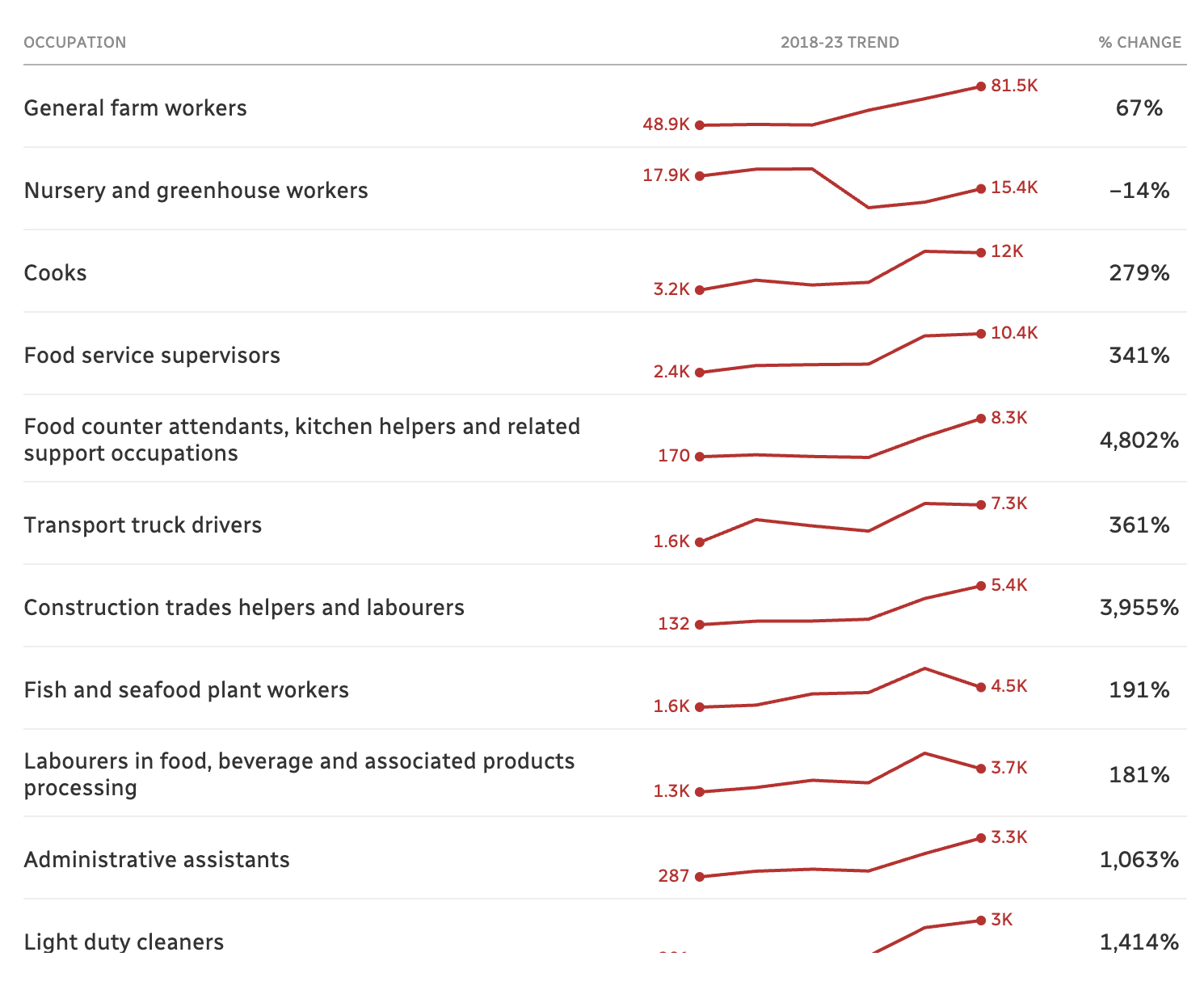
The Temporary Foreign Worker Program (TFWP) is a federal initiative that allows Canadian employers to hire foreign nationals to fill immediate labor and skill shortages when qualified Canadian citizens or permanent residents are unavailable. Managed by Employment and Social Development Canada (ESDC) and Immigration, Refugees and Citizenship Canada (IRCC), the program requires most employers to obtain a neutral or positive Labour Market Impact Assessment (LMIA) before a work permit can be issued.
Understanding the Foundations of the TFWP
In 2026, the Temporary Foreign Worker Program remains a cornerstone of the Canadian economy, balancing the needs of industries facing labor crunches with the protection of the domestic labor market. To navigate this system effectively, it is essential to distinguish between the two primary pathways for foreign labor: the TFWP and the International Mobility Program (IMP).
While the IMP focuses on broader economic, cultural, or reciprocal interests (such as CUSMA or youth exchange) and usually waives the need for a labor market test, the TFWP is strictly merit-based and demand-driven. It exists to solve a specific problem: a lack of local workers for a specific role at a specific location.
The Role of ESDC and IRCC
The administration of the TFWP is a dual-agency responsibility. Employment and Social Development Canada (ESDC), specifically through Service Canada, handles the "Labour Market Impact Assessment" (LMIA). They verify that the employer has made a genuine effort to hire locally and that bringing in a foreign worker will not negatively impact the Canadian economy.
Once a positive LMIA is issued, Immigration, Refugees and Citizenship Canada (IRCC) takes over. IRCC evaluates the individual foreign worker’s eligibility, including their work experience, education, and security background, before granting a work permit.
The Labour Market Impact Assessment (LMIA)
The LMIA is the most critical document in the TFWP process. It is the employer's responsibility to apply for and pay the associated fees for this assessment. As of 2026, the standard processing fee for an LMIA remains $1,000 CAD per position, unless the application falls under a fee-exempt category like primary agriculture.
Advertising and Recruitment Requirements
Before applying for an LMIA, employers must prove they have exhausted local options. This generally involves:
- Advertising for at least four weeks prior to submitting the LMIA application.
- Using the Canada Job Bank as one of the primary recruitment platforms.
- Conducting at least two additional methods of recruitment targeting different audiences (e.g., niche industry sites, local newspapers, or indigenous career fairs).
- Demonstrating that the salary offered meets the prevailing wage for the occupation in that specific geographic region.
The Transition Plan
For high-wage positions, employers are often required to submit a "Transition Plan." This document outlines how the company intends to reduce its reliance on temporary foreign workers over time, such as through increased training for current staff, apprenticeships, or active headhunting of underrepresented Canadian groups.
Primary Streams of the TFWP
The TFWP is divided into several "streams" based on the wage offered and the nature of the work. Each stream has distinct criteria and processing timelines.
1. High-Wage Stream
If the wage offered is at or above the provincial or territorial median hourly wage, the application is processed under the High-Wage Stream. These roles often include specialized professionals, management roles, or skilled trades. Because these positions are high-value, the government requires the aforementioned Transition Plan to ensure the employer is working toward a long-term domestic solution.
2. Low-Wage Stream
Positions paying below the provincial/territorial median wage fall under the Low-Wage Stream. To protect the domestic labor market, Canada imposes a "cap" on the percentage of low-wage temporary foreign workers a business can employ—generally 20% of the workforce at a specific location, though certain sectors like construction and healthcare have seen historical fluctuations in these limits.
3. Global Talent Stream (GTS)
The GTS is a fast-track program designed for innovative companies that need highly specialized global talent to scale. It offers a 10-business-day processing standard for LMIA applications. This stream is split into two categories:
- Category A: For high-growth companies referred by a designated partner.
- Category B: For employers seeking to fill specific highly skilled occupations found on the Global Talent Occupations List.
4. Agricultural Streams
Canada’s food security relies heavily on foreign labor. The Agricultural Stream and the Seasonal Agricultural Worker Program (SAWP) allow farmers to bring in workers from specific countries for primary agriculture. These streams often have lower fees and modified recruitment requirements but require employers to provide high-quality on-site or off-site housing.
Summary of TFWP Stream Characteristics
| Stream Name | Wage Requirement | LMIA Fee | Key Requirement |
|---|---|---|---|
| High-Wage | At/Above Median | $1,000 | Transition Plan required |
| Low-Wage | Below Median | $1,000 | Cap on percentage of workforce |
| Global Talent | Varies by role | $1,000 | 10-day processing standard |
| Primary Agriculture | Industry Standard | $0 (often) | Must provide suitable housing |
| SAWP | Negotiated rates | $0 | Specific to Mexico/Caribbean nations |
Rights and Protections for Foreign Workers
In 2026, Canada continues to strengthen the rights of temporary foreign workers to prevent exploitation. It is a common misconception that TFWs have fewer rights than Canadian citizens; legally, they are entitled to the same workplace protections.
- Workplace Safety: Workers must be covered by provincial/territorial workplace safety insurance.
- Employment Standards: Employers must adhere to minimum wage laws, overtime rules, and rest period requirements.
- Abuse Prevention: If a worker is being abused or is at risk of abuse, they can apply for an Open Work Permit for Vulnerable Workers. This allows them to leave their specific employer and find work elsewhere without losing their legal status.
- No Recruitment Fees: It is illegal for an employer or a third-party recruiter to charge a foreign worker for their job or the LMIA process.
The Step-by-Step Application Process
Navigating the TFWP requires a coordinated effort between the employer and the prospective employee.
- Employer Recruitment: The employer advertises the role for at least 30 days and interviews Canadian candidates.
- LMIA Submission: If no Canadian candidate is suitable, the employer submits the LMIA application via the TFWP Online Portal.
- LMIA Approval: ESDC issues a "Positive LMIA" letter.
- Worker Application: The employer sends the LMIA copy and a formal job offer to the foreign worker. The worker then applies for a Work Permit through IRCC.
- Visa/eTA Issuance: Depending on their country of origin, the worker may also need a Temporary Resident Visa (TRV) or an Electronic Travel Authorization (eTA).
- Entry to Canada: Upon arrival, the Canada Border Services Agency (CBSA) issues the physical work permit at the port of entry.
Transitioning to Permanent Residency (PR)
For many, the TFWP is a stepping stone to permanent residency. Having Canadian work experience significantly boosts a candidate's score in the Express Entry system, specifically under the Canadian Experience Class (CEC).
- Provincial Nominee Programs (PNP): Many provinces have specific streams for workers already employed in the province on a TFWP permit, particularly in high-demand sectors like tech, healthcare, and early childhood education.
- Agri-Food Pilot: Workers in the agricultural stream may be eligible for specific pathways to residency if they meet language and education requirements and have a full-time job offer.
Common Challenges and Troubleshooting
Despite the structured nature of the program, several hurdles can arise:
- LMIA Refusal: Often caused by inadequate recruitment documentation or offering a wage below the regional average. Employers should use the Job Bank Wage Report to ensure their numbers are accurate.
- Processing Delays: While GTS is fast, the Low-Wage and High-Wage streams can take several months. Employers are encouraged to plan at least six months in advance.
- Compliance Audits: ESDC frequently conducts inspections. Employers must keep all records related to the TFW's employment for six years, including payroll, hours worked, and recruitment efforts.
Frequently Asked Questions
Can a temporary foreign worker change employers?
Under the TFWP, work permits are usually "employer-specific" or "closed." This means the worker is only authorized to work for the employer listed on the permit. To change employers, the new employer must obtain a new LMIA, and the worker must apply for a new work permit. The only exception is if the worker obtains an Open Work Permit through a specific program or due to a vulnerable situation.
Does the employer have to pay for the worker's airfare?
This depends on the stream. For the Low-Wage Stream and Agricultural Streams, the employer is generally responsible for paying the worker's round-trip transportation costs to and from their country of residence. For the High-Wage Stream, this is usually negotiable and not a legal requirement of the program.
Can my family come with me on a TFWP work permit?
In many cases, yes. Spouses or common-law partners of high-skilled foreign workers (TEER 0, 1, 2, or 3) may be eligible for an Open Work Permit, allowing them to work for any employer in Canada. Dependent children may also be eligible for study permits to attend Canadian schools.
How long can a worker stay in Canada under the TFWP?
The duration of the work permit is typically tied to the duration requested in the LMIA. Most permits are issued for one to two years. While permits can often be renewed, there is a focus on ensuring the program remains "temporary." Workers are encouraged to explore permanent residency pathways if they wish to stay long-term.
What is the "Recognized Employer Pilot" (REP)?
The REP is a simplified process for employers who have a history of high compliance with the TFWP. Recognized employers gain access to LMIA validity periods of up to 36 months and simplified LMIA applications for future hires, reducing administrative burdens for frequent users of the program.
Final Recommendations for 2026
For employers, the key to success in 2026 is early planning and meticulous record-keeping. Given the scrutiny on the LMIA process, ensuring that your recruitment efforts are genuine and well-documented is paramount. For workers, it is vital to understand that your work permit is a legal document with specific conditions; maintaining compliance is the only way to ensure eligibility for future extensions or permanent residency.
Before beginning any application, both parties should consult the official IRCC website to verify the latest median wage requirements and processing times, as these are subject to change based on economic shifts.
Image Gallery
Select an image to open it in a new tab.

Vivian Cho
Executive IT and Emerging Technologies Reporter
