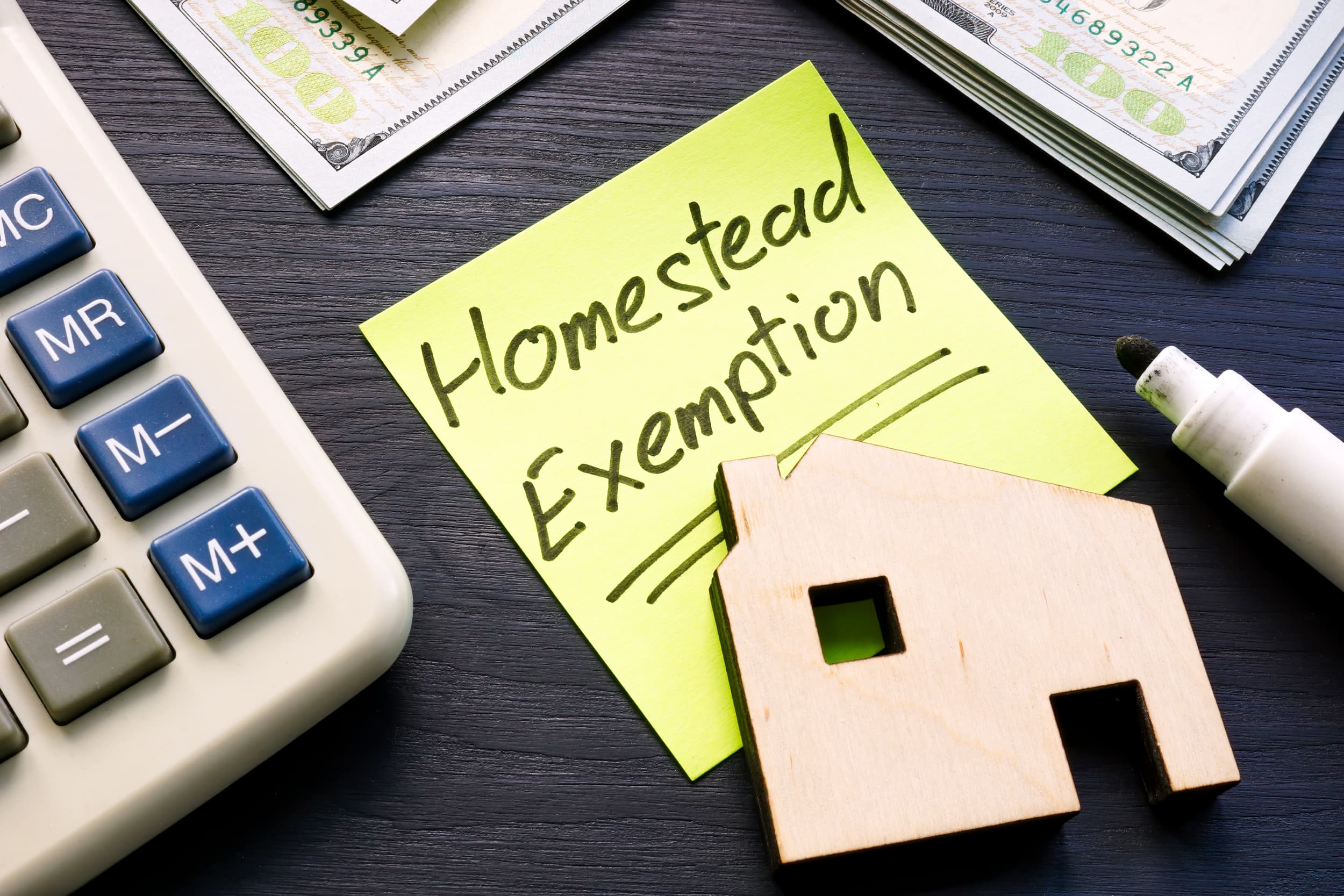
A homestead benefit is a legal provision or tax credit designed to reduce property tax burdens for homeowners on their primary residence. By exempting a portion of a home’s value from taxation or providing a direct rebate, these programs help maintain housing affordability for residents, particularly seniors, veterans, and individuals with disabilities.
Property taxes are one of the most significant recurring costs of homeownership. As property values rise, so do the tax assessments, which can sometimes outpace a homeowner's income growth. To combat this, many jurisdictions offer "homestead benefits." While the terminology varies—ranging from "homestead exemptions" in Florida and Texas to the "ANCHOR" program in New Jersey—the underlying goal remains the same: protecting the primary roof over a citizen’s head from becoming an unbearable financial liability.
Understanding how these benefits work requires a deep dive into tax assessments, eligibility criteria, and the specific legal protections that "homesteading" provides against creditors. In this guide, we will explore the mechanisms of the homestead benefit as of 2026, helping you maximize your savings and secure your property rights.
The Core Mechanisms of Homestead Benefits
The term "homestead benefit" is often used as a catch-all for several different types of financial and legal protections. To understand the benefit fully, one must distinguish between tax exemptions, tax credits, and asset protection.
Homestead Tax Exemptions
The most common form of this benefit is the tax exemption. This is not a direct cash payment but rather a reduction in the "assessed value" of your home. For example, if your home is valued at $400,000 for tax purposes and your state offers a $50,000 homestead exemption, you are only taxed on $350,000 of that value. Over time, this results in thousands of dollars in savings depending on the local millage rate.
Homestead Rebates and Credits
Some states, such as New Jersey, have transitioned from exemptions to rebate programs. Under these systems, homeowners pay their full property tax bill to the municipality, and the state later issues a direct deposit or check as a "benefit" payment. These are often tiered based on gross income, ensuring that lower-income households receive a larger share of the relief.
Valuation Caps (Assessment Limits)
A critical but often overlooked homestead benefit is the assessment cap. In high-growth real estate markets, property values can jump 10% or 20% in a single year. States like Florida utilize "Save Our Homes" provisions that limit the annual increase in the assessed value of a homesteaded property to a small percentage (often 3% or the change in the Consumer Price Index, whichever is lower). This "benefit" acts as a shield against market volatility.
Eligibility and Residency Requirements
Not every property owner is entitled to a homestead benefit. These programs are strictly regulated to ensure that tax relief goes to permanent residents rather than real estate investors or vacation home owners.
The "Primary Residence" Rule
To qualify for a homestead benefit, the property must be your primary residence. In legal terms, this is your "domicile"—the place where you intend to remain and to which you return after an absence. You cannot claim a homestead benefit on a secondary home, a rental property, or a business-only property.
Ownership and Titling
The applicant must hold legal or beneficial title to the property. This typically includes traditional fee simple ownership, but it can also extend to properties held in a living trust, provided the occupant is the creator of the trust and retains the right to live there. Complex ownership structures, like LLCs, often disqualify a property from homestead benefits because the entity, not a human resident, owns the home.
Timing and Deadlines
In 2026, most jurisdictions require homeowners to have occupied the property as of January 1st of the tax year. Application deadlines vary, but they usually fall in the early spring (e.g., March 1st or April 15th). Missing a deadline typically results in the forfeiture of the benefit for that entire calendar year, with no retroactive credits available.

How the Benefit is Calculated
The actual dollar value of a homestead benefit depends on local tax rates and the specific laws of the state. To calculate your potential savings, you must understand the relationship between market value, assessed value, and the millage rate.
- Market Value: What the home would sell for on the open market.
- Assessed Value: The value assigned by the local tax assessor (often a percentage of market value).
- Exemptions: The amount subtracted from the assessed value.
- Taxable Value: The remainder after exemptions are applied.
- Millage Rate: The tax rate applied per $1,000 of taxable value.
For example, if your city has a millage rate of 20 (meaning $20 for every $1,000 of value), a $25,000 homestead exemption saves you exactly $500 per year ($25 x 20). If you qualify for additional exemptions—such as those for seniors or disabled veterans—the savings can double or triple.
| Type of Benefit | Primary Function | Common Example |
|---|---|---|
| Standard Exemption | Reduces the taxable value of the home. | $25,000 off assessed value in TX or FL. |
| Income-Based Rebate | Provides a direct cash payment or credit. | NJ ANCHOR program payments. |
| Assessment Cap | Limits how much the tax value can rise annually. | Florida’s 3% "Save Our Homes" cap. |
| Senior/Disabled Credit | Adds additional relief for vulnerable populations. | Expanded exemptions for residents over 65. |
| Asset Protection | Protects equity from being seized by creditors. | Homestead protection in bankruptcy filings. |
Legal Protection and Asset Shielding
Beyond tax savings, "homesteading" provides a powerful legal benefit: protection from creditors. In many states, the "homestead" is a designated sanctuary that cannot be forcibly sold to satisfy a civil judgment, such as credit card debt or medical bills.
It is important to note that this protection is not absolute. It generally does not protect against:
- Mortgage Foreclosure: If you do not pay your mortgage, the lender can still seize the home.
- Property Tax Liens: The government can always seize a home for unpaid taxes.
- Mechanic's Liens: If you fail to pay a contractor for work done on the home, they may have a claim.
In states like Florida and Texas, the asset protection is virtually unlimited in value (though limited in acreage), making it a cornerstone of regional wealth preservation strategies. In other states, the protection is limited to a specific dollar amount (e.g., the first $150,000 of equity).
State-Specific Examples in 2026
While the concept is universal, the execution is local. Here is how some major programs are operating in 2026:
New Jersey (ANCHOR Program)
As of 2026, New Jersey continues to provide relief through the ANCHOR (Affordable New Jersey Communities for Homeowners and Renters) program. Unlike traditional exemptions, this is a rebate. Homeowners earning under a certain threshold (historically $250,000) receive payments that are often applied as credits to their future property tax bills. The program also uniquely includes a benefit for renters, recognizing that property taxes are "passed down" through rent.
Florida (Save Our Homes)
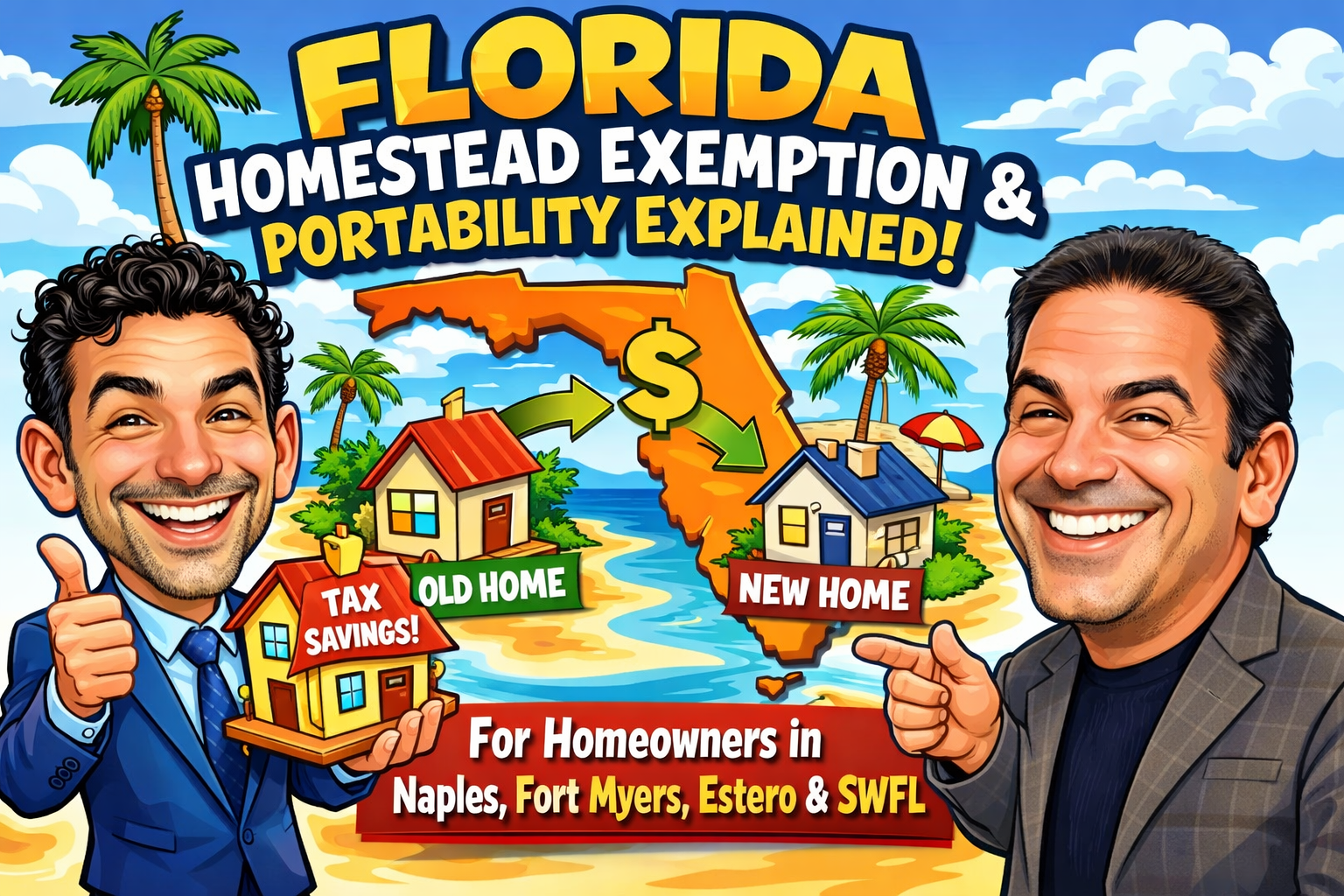
Florida’s homestead benefit is two-fold. First, it offers a standard $50,000 exemption (split into two $25,000 tiers). Second, the "Save Our Homes" amendment ensures that even if market values skyrocket, the assessed value for a homesteaded property cannot increase by more than 3% annually. This creates a "portability" benefit, allowing residents to transfer their tax savings to a new home within the state.
Texas (School District Exemptions)
Texas provides a substantial homestead exemption specifically for school district taxes. In recent years, the state has moved to increase this exemption significantly—reaching $100,000 in many jurisdictions by 2026—to offset the lack of a state income tax. This drastically reduces the largest portion of the Texas property tax bill.
Common Pitfalls and How to Avoid Them
Even though the homestead benefit is a right for most homeowners, many lose out due to administrative errors.
Failure to Re-apply After a Deed Change: If you move your home into a trust or add a spouse to the deed, the tax office may view this as a "change of ownership" and drop your homestead status. Always notify the assessor of deed changes to ensure continuity.
Renting Out the Property: If you rent out your primary residence for an extended period, you may lose your homestead status. Most states allow for temporary absences (such as military deployment), but "abandoning" the property as a residence will trigger a "save our homes" reset or a loss of the exemption.
Dual Residency Claims: You can only have one homestead. Claiming a homestead exemption in two different states is considered tax fraud. Tax assessors now use sophisticated data-sharing tools to flag individuals claiming benefits in multiple jurisdictions.
Frequently Asked Questions
Do I have to apply for the homestead benefit every year?
In most states, the homestead exemption is "permanent" once granted, meaning it carries over each year as long as you remain in the home. However, rebate programs like NJ's ANCHOR often require a new application or a confirmation of details annually. Always check with your local County Tax Assessor's office to verify your status.
Does the homestead benefit transfer to the new owner when I sell my home?
No. Homestead benefits are tied to the owner, not just the property. When a home is sold, the exemptions are usually removed at the end of the tax year. The new owner must apply for their own benefit based on their own eligibility. This often leads to a "tax shock" for buyers who expect to pay the same low taxes as the previous long-term owner.
Can I get a homestead benefit if I live in a mobile home?
Yes, in most jurisdictions, if you own the mobile home and use it as your primary residence, you are eligible for the homestead benefit. This applies whether you own the land or are "curtiled" in a park, though the application process for the latter may involve different forms through the Department of Motor Vehicles or the Department of Housing.
What is "Portability" in relation to homestead benefits?
Portability is a feature in certain states (notably Florida) that allows you to take your tax savings with you. If you sell a home with a large gap between its market value and its capped assessed value, you can apply that "savings" to the purchase of a new home, effectively lowering the starting tax basis of your next property.
Are there income limits for the homestead benefit?
It depends on the program. Standard homestead exemptions usually do not have income limits. However, "Senior Freeze" programs or income-based rebates often have strict household income caps. For 2026, many of these caps have been adjusted upward to account for inflation.
Practical Recommendations for Homeowners
To ensure you are receiving the maximum homestead benefit permitted by law, follow these steps:
- Verify Your Current Status: Check your most recent property tax bill or search your name on the local tax collector's website. If you do not see a "Homestead Exemption" or "Credit" listed, you are likely overpaying.
- Audit Your Deed: Ensure the names on your property deed match the names on your tax application exactly. Discrepancies can lead to delays or denials.
- Explore Supplemental Exemptions: If you are over 65, a veteran, or have a disability, you may be entitled to additional layers of relief. These are rarely applied automatically; you must provide documentation (such as a VA disability letter or proof of age) to the assessor.
- Monitor Deadlines: Mark your calendar for January and February. This is the window when most applications are processed for the upcoming tax year.
- Keep Records of Residency: In the event of an audit, keep copies of your driver’s license, voter registration, and utility bills, all showing the property address as your primary location.
By taking an active role in managing your homestead status, you can protect your equity and significantly reduce the cost of living in your home.
Image Gallery
Select an image to open it in a new tab.






Mateo Castillo
Decentralized Finance and E-Payments Strategist
