
Yes, seronegative rheumatoid arthritis (RA) is a well-established and clinically recognized diagnosis. It refers to a form of rheumatoid arthritis where a patient displays the classic clinical symptoms of the disease—such as joint inflammation, morning stiffness, and systemic fatigue—but tests negative for specific antibodies typically associated with the condition, namely rheumatoid factor (RF) and anti-cyclic citrullinated peptide (anti-CCP). While the lack of these biomarkers can sometimes make the diagnostic process more complex, medical guidelines from organizations like the American College of Rheumatology (ACR) confirm that seronegative RA is a legitimate, treatable, and serious autoimmune condition.
The Role of Biomarkers in Rheumatoid Arthritis
To understand why the term "seronegative" exists, one must first understand how rheumatologists traditionally identify rheumatoid arthritis. The diagnosis of RA is rarely based on a single test. Instead, it relies on a combination of patient history, physical examinations, imaging, and blood work.
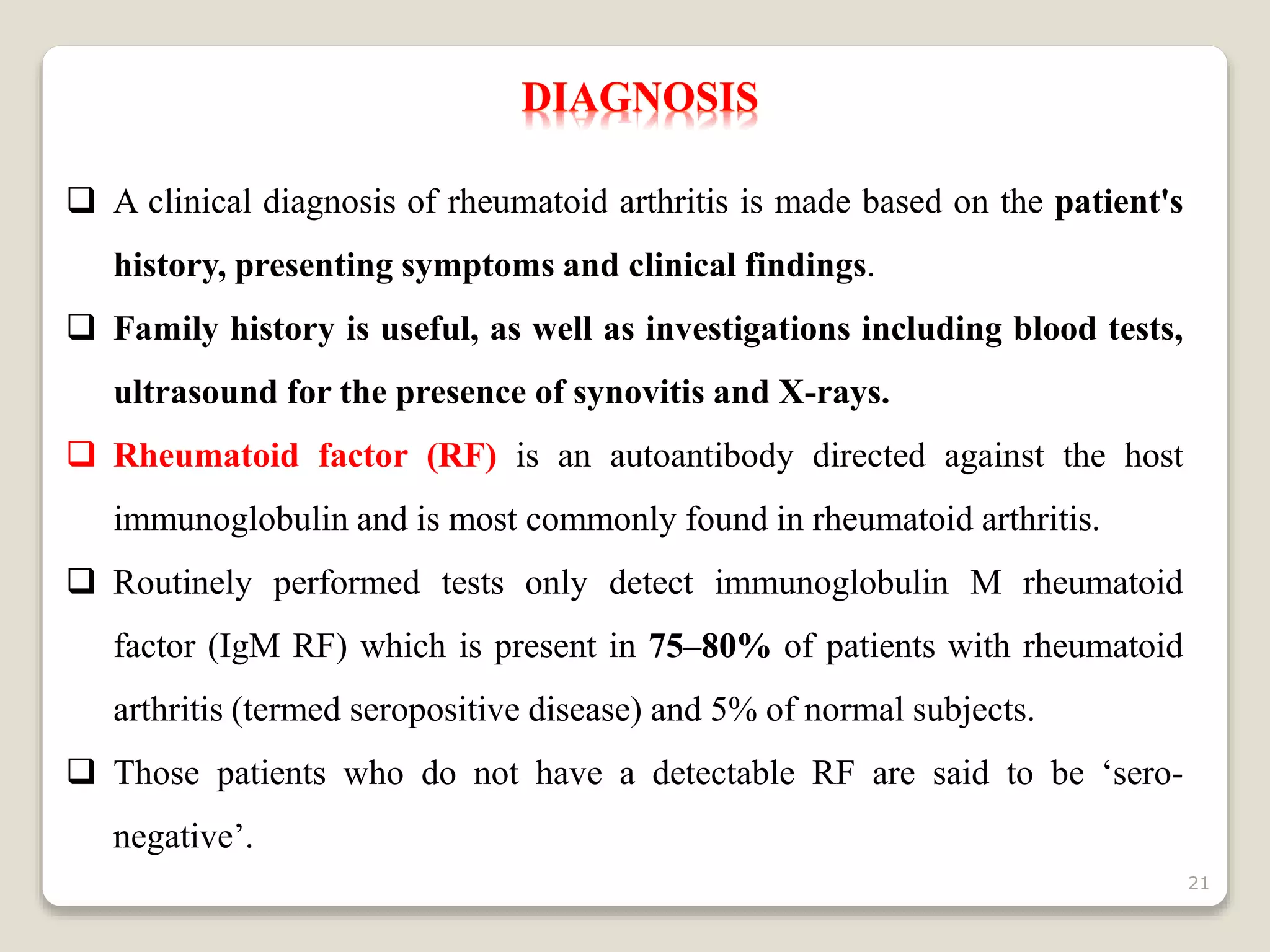
In "seropositive" RA, patients test positive for Rheumatoid Factor (RF) and/or anti-CCP antibodies. These proteins are indicators that the immune system has begun to attack the synovium—the lining of the joints. For many years, these markers were considered the "gold standard" for confirming the diagnosis. However, clinical research has consistently shown that a significant percentage of people suffering from inflammatory arthritis do not have these specific antibodies in their bloodstream, even though their joints are experiencing identical patterns of destruction and inflammation.
When a patient exhibits clear signs of RA—such as symmetrical joint swelling in the hands, wrists, or feet—but the blood work comes back negative, the condition is classified as seronegative RA. It is a real medical entity, not a separate disease from RA, but rather a subset of the condition defined by the absence of specific circulating proteins.
Diagnostic Criteria for Seronegative Patients
Because the blood tests are inconclusive, rheumatologists use the 2010 ACR/EULAR (European Alliance of Associations for Rheumatology) classification criteria to reach a diagnosis. These criteria assign numerical scores based on several factors:
- Joint Involvement: How many and which joints are affected? Small joints (like those in the fingers and toes) carry more weight than large joints (like knees or shoulders).
- Symptom Duration: Are symptoms persisting for six weeks or longer?
- Acute Phase Reactants: Are there elevated levels of C-reactive protein (CRP) or an increased erythrocyte sedimentation rate (ESR), which indicate systemic inflammation?
- Serology: This is where the "negative" aspect comes in. If a patient is negative for RF and anti-CCP, they score zero points in this category, meaning they must present with more widespread joint involvement or higher inflammatory markers to meet the diagnostic threshold.
This criteria-based approach allows doctors to diagnose seronegative RA with high confidence, even without the presence of the most common blood markers.
Why Seronegative Results Can Be Misleading
There are several reasons why a patient might test negative for RA markers. First, the biology of the disease varies. Some patients may have different, currently undiscovered antibodies that are driving their inflammation. Second, timing matters. It is possible for a patient to be "seronegative" early in the disease progression and later develop detectable antibodies, a phenomenon sometimes called "seroconversion."
Furthermore, patients should be aware of "false negatives" occurring due to laboratory errors or variations in testing sensitivity. However, for those who remain persistently seronegative, the diagnosis remains firm because the clinical symptoms—bone erosion seen on X-rays or MRI, synovial thickening, and persistent inflammatory markers—provide sufficient evidence of autoimmune activity.
Clinical Comparison: Seropositive vs. Seronegative RA
| Feature | Seropositive RA | Seronegative RA |
|---|---|---|
| RF/Anti-CCP Antibodies | Present in blood work | Absent in blood work |
| Joint Symptoms | Classic symmetrical pain/swelling | Classic symmetrical pain/swelling |
| Disease Progression | Often more aggressive joint damage | Can be variable, often less erosive |
| Treatment Response | Usually responds well to DMARDs | Often responds to the same DMARDs |
| Diagnosis Basis | Antibodies + Clinical symptoms | Clinical symptoms + Imaging + Markers |
Treatment Approaches and Goals
The treatment goal for seronegative RA is identical to that of seropositive RA: to achieve clinical remission or, at the very least, low disease activity. Because the underlying pathology—an overactive immune system attacking joint tissues—is the same, the medication classes used are often identical.
- Conventional Synthetic DMARDs: Drugs like methotrexate are typically the first line of defense. They work by suppressing the overall immune system to reduce inflammation.
- Biologics: If traditional DMARDs are insufficient, biologic agents (such as TNF inhibitors) are used. These target specific pathways of the immune system that drive inflammation.
- JAK Inhibitors: These are newer oral medications that interfere with the intracellular signaling that leads to joint damage.
The choice of medication is determined by the severity of the symptoms and the patient’s individual health profile, not by whether the patient is seropositive or seronegative.
Managing the Psychological Impact of a "Negative" Diagnosis
One of the most difficult aspects of seronegative RA is the psychological burden. Patients often feel as though their disease is being invalidated because they do not have a "positive" test result to show friends, family, or even skeptical employers. It is common for these patients to feel like they are being told "there is nothing wrong" when they are clearly in pain.
It is crucial to recognize that the lack of an antibody test does not mean the disease is "less real." It simply means the disease is presenting in a way that requires more nuanced diagnostic work. Finding a rheumatologist who specializes in early inflammatory arthritis is often the most effective way to navigate this, as these experts are accustomed to identifying seronegative cases that general practitioners might overlook.
Common Questions Regarding Seronegative RA
Can seronegative RA turn into seropositive RA later? Yes, some patients may test negative during the initial onset of symptoms but develop detectable antibodies years later. This does not mean they had a different disease; it means their antibody profile changed over the course of the condition.
Is seronegative RA easier to treat than seropositive RA? Not necessarily. Some clinical studies have suggested that seronegative RA may have a slightly more favorable prognosis regarding joint erosion, but every patient’s experience is unique. The severity of the inflammation, rather than the antibody status, is usually the better predictor of treatment difficulty.
Are there other conditions that mimic seronegative RA? Yes. Conditions such as psoriatic arthritis, ankylosing spondylitis, and systemic lupus erythematosus (SLE) can sometimes present with joint pain that mimics RA. A rheumatologist must perform a differential diagnosis to ensure that the patient is receiving the correct treatment for their specific condition.
Does insurance cover treatment for seronegative RA? Yes. Because seronegative RA is a recognized medical diagnosis, insurance providers cover the same standard of care medications and diagnostic imaging (like ultrasound or MRI) that they cover for seropositive patients, provided the diagnostic criteria are met by your physician.
What imaging tests are most useful for diagnosis? When blood tests are negative, doctors often rely on musculoskeletal ultrasound or MRI. These tools can detect "subclinical" inflammation—meaning swelling and synovial thickening that are not yet visible to the naked eye but confirm that the disease process is active in the joints.
Next Steps for Patients
If you suspect you have rheumatoid arthritis but have tested negative for RF and anti-CCP, the most important step is to maintain a detailed symptom journal. Document your morning stiffness, which joints are painful, and how long the pain lasts. Request a referral to a board-certified rheumatologist who is experienced with seronegative conditions. Be prepared to discuss your family history and any systemic symptoms, such as fatigue or low-grade fevers, which are also hallmarks of RA.
Do not accept a "wait and see" approach if you are experiencing joint pain and stiffness. Early intervention is the most effective way to prevent permanent joint damage, regardless of your serological status. Work with your healthcare team to establish a baseline of your joint health through physical exams and, if necessary, imaging, to ensure you receive the appropriate treatment plan for your specific clinical needs.

Image Gallery
Select an image to open it in a new tab.




Simon Caldwell
Enterprise Technology and Systems Editor
