Who Manufactures OnePlus Phones? The Complete Corporate and Manufacturing Guide
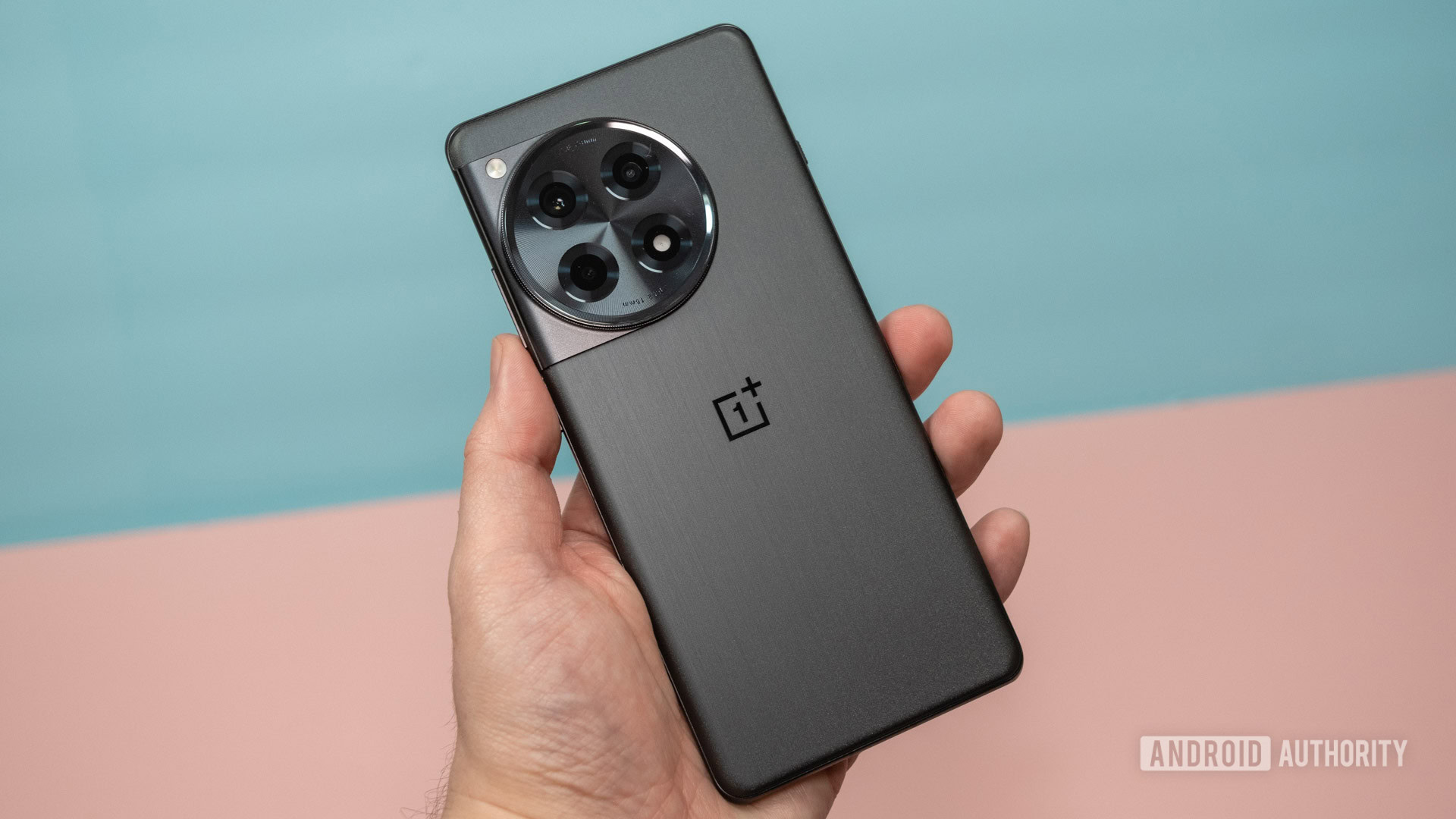
OnePlus phones are primarily manufactured by OPPO, a major subsidiary of the Chinese multinational conglomerate BBK Electronics. Since the formal merger of OnePlus and OPPO in 2021, OnePlus has operated as a sub-brand under OPPO's corporate umbrella. The majority of OnePlus hardware is produced in massive manufacturing facilities located in Dongguan, China, and Noida, India.
The BBK Electronics Legacy and the OnePlus Origin
To understand who manufactures OnePlus phones in 2026, one must first look at the intricate web of Chinese electronics giants. OnePlus was founded in December 2013 by Pete Lau and Carl Pei. Both founders were former executives at OPPO, and from its inception, OnePlus maintained a close, albeit often obscured, relationship with its parent organization.
For many years, OnePlus marketed itself as a "disruptor" or a "startup" that was independent of mainstream corporate interests. However, industrial records and supply chain logistics always pointed back to BBK Electronics. BBK is a massive private conglomerate based in Dongguan, Guangdong. While BBK officially restructured in recent years to give its subsidiaries more autonomy, the core manufacturing DNA remains shared across its major brands: OPPO, Vivo, Realme, and OnePlus.
By 2026, the distinction between "who owns" and "who manufactures" has become clearer. While OnePlus maintains its own marketing and product design philosophy, it is physically manufactured using OPPO’s industrial infrastructure. This vertical integration allows OnePlus to access high-end components and manufacturing processes that would be cost-prohibitive for a truly independent small company.
The 2021 Merger: A Turning Point for OnePlus Manufacturing
The most significant shift in OnePlus's manufacturing history occurred in 2021. This was the year OnePlus officially "integrated" with OPPO. While the brands remain distinct in the eyes of consumers, the backend operations—including Research and Development (R&D), supply chain management, and assembly lines—were unified.
Pete Lau, the co-founder of OnePlus, took on a dual role as the Chief Product Officer for OPPO while remaining the CEO of OnePlus. This move was designed to streamline production and compete more effectively with global giants like Samsung and Apple. For the consumer, this meant that the manufacturing quality of a OnePlus 14 or OnePlus 15 (the current flagship models in 2026) is identical to that of OPPO’s premium "Find" series.
Benefits of the Unified Manufacturing Process
The integration with OPPO provided OnePlus with several manufacturing advantages:
- Economies of Scale: By purchasing millions of sensors from Sony or chipsets from Qualcomm alongside OPPO, OnePlus can secure lower component costs.
- Shared R&D: Technologies like "SuperVOOC" fast charging, which was originally an OPPO innovation, were seamlessly manufactured into OnePlus devices under the "Warp Charge" or "SUPERVOOC" branding.
- Enhanced Quality Control: OnePlus gained access to OPPO’s sophisticated testing laboratories, which are among the most advanced in the world.
Primary Manufacturing Hubs: Where are OnePlus Phones Made?
OnePlus does not own its own dedicated factories. Instead, it utilizes the massive production capacity of OPPO’s global manufacturing network. As of 2026, there are two primary regions responsible for the vast majority of OnePlus smartphone production.
The Dongguan Hub (China)
Dongguan is the heart of the BBK/OPPO empire. The facilities here are more than just factories; they are industrial cities. Most OnePlus devices destined for the European, North American, and Chinese markets are assembled here.
The manufacturing process in Dongguan involves high-precision Surface Mount Technology (SMT) lines where motherboards are populated with micro-components. Following the assembly of the internal hardware, the devices move to clean-room environments where the displays are bonded to the chassis. The final stages involve rigorous automated and manual testing to ensure the IP (Ingress Protection) ratings for water and dust resistance are met.
The Noida Mega-Factory (India)
India is the largest market for OnePlus outside of China. To comply with the Indian government’s "Make in India" initiative and to avoid high import duties on finished electronics, OnePlus (via OPPO) established a massive manufacturing footprint in Noida, Uttar Pradesh.
The Noida facility is one of the largest smartphone manufacturing units in the world. It doesn't just assemble imported parts (SKD - Semi Knocked Down); it has increasingly moved toward Deep Manufacturing (CKD - Completely Knocked Down), where even the printed circuit boards are populated locally. Phones manufactured in Noida are primarily sold within the Indian market, though some units are exported to neighboring regions.
The Global Supply Chain: Key Component Manufacturers
While OPPO handles the final assembly and manufacturing, a OnePlus phone is a product of a globalized supply chain. The "manufacturer" in a broad sense includes the vendors who provide the critical sub-assemblies.
Semiconductor Production
The "brain" of every OnePlus phone, typically a Qualcomm Snapdragon 8-series processor in the flagship models, is designed in the United States by Qualcomm and manufactured by foundries like TSMC (Taiwan Semiconductor Manufacturing Company) or Samsung Foundry. These chips are then shipped to the OPPO factories for integration into the OnePlus motherboards.
Display Technology
OnePlus has long been known for its "Fluid AMOLED" displays. These panels are manufactured by Samsung Display or BOE Technology. The manufacturing agreement involves specific calibrations requested by OnePlus engineers to ensure the high refresh rates and color accuracy the brand is known for.
Camera Systems and Hasselblad Integration
Since 2021, OnePlus has partnered with the legendary Swedish camera manufacturer Hasselblad. While Hasselblad does not physically manufacture the camera sensors (which are usually produced by Sony), they co-engineer the lens optics and the software-based color science. The manufacturing process for the camera module is a collaborative effort where Sony sensors are paired with specialized lens elements and then calibrated using Hasselblad’s color standards on the OPPO assembly line.
| Feature | Primary Manufacturer | Location / Note |
|---|---|---|
| Final Assembly | OPPO (BBK Electronics) | Dongguan, China & Noida, India |
| Main Processor (SoC) | Qualcomm / TSMC | Taiwan / South Korea |
| AMOLED Display | Samsung Display / BOE | South Korea / China |
| Camera Sensors | Sony | Japan |
| Battery Cells | ATL / Sunwoda | China |
| Operating System | OnePlus Software Team | Built on the ColorOS Codebase |
Manufacturing Quality and Testing Standards
One of the common questions regarding "who manufactures OnePlus phones" is whether the quality matches that of more established brands like Apple. Under the OPPO manufacturing umbrella, OnePlus devices undergo a series of "torture tests" before a model enters mass production.
These tests include:
- Drop Tests: Devices are dropped from various heights onto hard surfaces from multiple angles.
- Tumble Tests: The phone is placed in a rotating drum to simulate repetitive minor impacts.
- Environmental Chamber Testing: Exposure to extreme temperatures (ranging from -20°C to +55°C) and high humidity to ensure the internal components don't corrode or fail.
- Button Durability: Automated machines press the power and volume buttons hundreds of thousands of times.
By utilizing OPPO's manufacturing scale, OnePlus can afford the high-end machinery required for these tests, which was more difficult during the brand's early "startup" phase between 2014 and 2018.
The Evolution of Brand Identity in Manufacturing
Even though OnePlus and OPPO are manufactured in the same buildings, they are not identical products. In 2026, the manufacturing instructions for a OnePlus device emphasize different priorities than an OPPO "Reno" or "Find" device.
OnePlus manufacturing focuses heavily on "thermal dissipation" and "performance sustained." This means the internal layout often includes larger vapor chambers and specialized cooling graphite, which are specifically requested by the OnePlus design team to cater to their gaming-heavy and "power user" demographic.
Furthermore, while the software (OxygenOS) now shares a unified codebase with OPPO’s ColorOS, the manufacturing of the "user experience" remains distinct. The software is optimized specifically for the OnePlus hardware configurations to maintain the "fast and smooth" reputation that the brand built its foundation upon.
Impact of Geopolitics on OnePlus Manufacturing
As we navigate through 2026, geopolitical factors continue to influence who manufactures OnePlus phones and where. Trade tensions and the desire for supply chain resilience have led BBK Electronics to diversify its manufacturing footprint.
While China remains the primary hub, the expansion in India and the exploration of manufacturing sites in Southeast Asia (such as Vietnam and Indonesia) are strategic moves. For North American consumers, it is important to note that while the phones are manufactured in China, they must meet strict FCC and carrier-specific certifications before they can be sold through partners like T-Mobile or Amazon.
Is OnePlus Still an "Independent" Manufacturer?
Technically, the answer is no. OnePlus is a brand, not an independent manufacturing entity. It is a specialized division within the OPPO mobile business group. However, in the smartphone industry, this is the norm rather than the exception.
For example, most consumers are aware that Alphabet manufactures Pixel phones, but the actual assembly is often contracted to companies like Foxconn or Compal. In the case of OnePlus, the relationship is even tighter because it is an internal subsidiary relationship. This allows for a level of hardware-software integration that third-party contract manufacturing cannot easily replicate.
FAQs
Does OnePlus own its own factories?
No, OnePlus does not own or operate its own independent factories. It utilizes the manufacturing facilities and supply chain infrastructure owned by its parent company, OPPO, which is part of the BBK Electronics group.
Are OnePlus phones made in the USA?
No, OnePlus phones are not manufactured in the United States. The vast majority of assembly takes place in China and India. However, the company has corporate offices and design teams in various locations globally to manage regional market needs.
Is OnePlus the same as OPPO?
From a corporate and manufacturing standpoint, they are virtually the same entity as of 2026. However, from a consumer perspective, they remain two distinct brands with different design aesthetics, target audiences, and software features. OnePlus focuses on high-performance "enthusiast" hardware, while OPPO often focuses on lifestyle and camera-centric innovation.
Who manufactures the batteries for OnePlus?
OnePlus batteries are typically manufactured by specialized battery firms such as ATL (Amperex Technology Limited) or Sunwoda. These companies produce the high-capacity, dual-cell batteries required for OnePlus’s extremely fast charging speeds (up to 150W in some 2026 models).
Does Carl Pei still manufacture OnePlus phones?
No. Carl Pei, the co-founder of OnePlus, left the company in late 2020. He went on to found a new consumer electronics company called Nothing, which manufactures its own line of smartphones (the Nothing Phone series) independently of BBK Electronics.
Why is OnePlus manufactured in India?
OnePlus manufactures in India primarily to satisfy local "Make in India" regulations, which impose high tariffs on imported electronics. By manufacturing in Noida, OnePlus can sell its devices at much more competitive prices in the Indian market, which is one of its most successful regions globally.
Summary of Next Actions
If you are a consumer looking to verify the manufacturing origin of a specific OnePlus device, you can usually find this information on the retail packaging. Look for the "Made in..." label, which will typically specify China or India depending on your region.
For those concerned about manufacturing quality, the merger with OPPO has generally resulted in higher build standards and better long-term reliability compared to the brand's early years. If you are a power user, rest assured that despite the corporate changes, the manufacturing focus for OnePlus remains centered on high-performance hardware and industry-leading charging technology.
Image Gallery
Select an image to open it in a new tab.
Vivian Cho
Executive IT and Emerging Technologies Reporter
