
Securing free private domain ownership is a common goal for website owners looking to protect their personal information from public disclosure. By default, domain registrations are subject to WHOIS database requirements, which mandate the publishing of registrant contact details. True "free" private ownership is typically achieved through registrars that include WHOIS privacy protection—often branded as Domain Privacy or WHOIS Redaction—as a complimentary service included with the base registration or renewal fee.
The Foundation of WHOIS and Public Disclosure
To understand why privacy protection is necessary, one must first understand the purpose of the WHOIS database. Managed by the Internet Corporation for Assigned Names and Numbers (ICANN), the WHOIS system was designed as a directory to provide transparency regarding domain ownership. This was intended to facilitate technical troubleshooting, copyright enforcement, and law enforcement investigations.
However, the public nature of this database has historically led to the mass harvesting of personal data. Spammers, telemarketers, and malicious actors frequently scrape WHOIS records to build contact lists, leading to an influx of unsolicited communications for new domain owners. Since the implementation of the General Data Protection Regulation (GDPR) in 2018, ICANN has evolved its policies. Under the current Temporary Specification for gTLD Registration Data, many registrars now redact contact information for individuals by default, significantly changing the landscape of what was once a paid premium service.
Distinguishing "Free" Privacy from Paid Add-ons
In the current market, it is vital to distinguish between mandatory privacy and optional services. Most reputable registrars now provide WHOIS redaction at no additional cost because they are required to comply with data protection laws. When a registrar advertises "free privacy protection," they are generally referring to this standard, legally mandated redaction.
Conversely, some registrars still offer "Domain Privacy" as an upsell. This service often includes additional features beyond simple redaction, such as a masked email address, a dedicated forwarding service, or the use of a proxy entity's address on public records. While simple redaction is free, these value-added proxy services may carry a recurring annual cost.
Key Differences in Privacy Levels
| Feature | Standard Redaction (GDPR-Compliant) | Premium Privacy/Proxy Service |
|---|---|---|
| Public Data | Replaces details with generic values | Uses third-party company details |
| Cost | Usually free (included in registration) | Often requires an annual subscription |
| Legal Status | Required by most registries | Optional value-added service |
| Email Privacy | Contact form usually provided | Masked email address forwarding |
| Transparency | Minimal contact info remains | Hides actual owner identity completely |
Prerequisites for Private Domain Registration
Before attempting to secure private ownership, you must ensure that your chosen Top-Level Domain (TLD) supports privacy features. Not all domain extensions are created equal; while common TLDs like .com, .net, and .org provide robust privacy options, country-code TLDs (ccTLDs) such as .us, .ca, or .de operate under the policies of their respective national registries. Some ccTLDs prohibit privacy services entirely or have specific residency requirements that supersede standard privacy masking.
Furthermore, you must provide accurate information to your registrar during the registration process, even if that information is destined to be redacted. ICANN rules mandate that the registrant contact information must be verified. If the registrar determines your registration data is false or invalid, they are contractually obligated to suspend or terminate the domain. Privacy services are designed to mask your data from the public, not from your registrar or the governing registry.
Step-by-Step Implementation
Securing your private ownership status involves a few tactical steps during the domain acquisition process:
- Verify Registrar Privacy Policies: Review the terms of service for your registrar. Look for explicit mentions of "WHOIS Redaction" or "Privacy Protection." Confirm whether this is an "included" feature or a "trial" feature that expires.
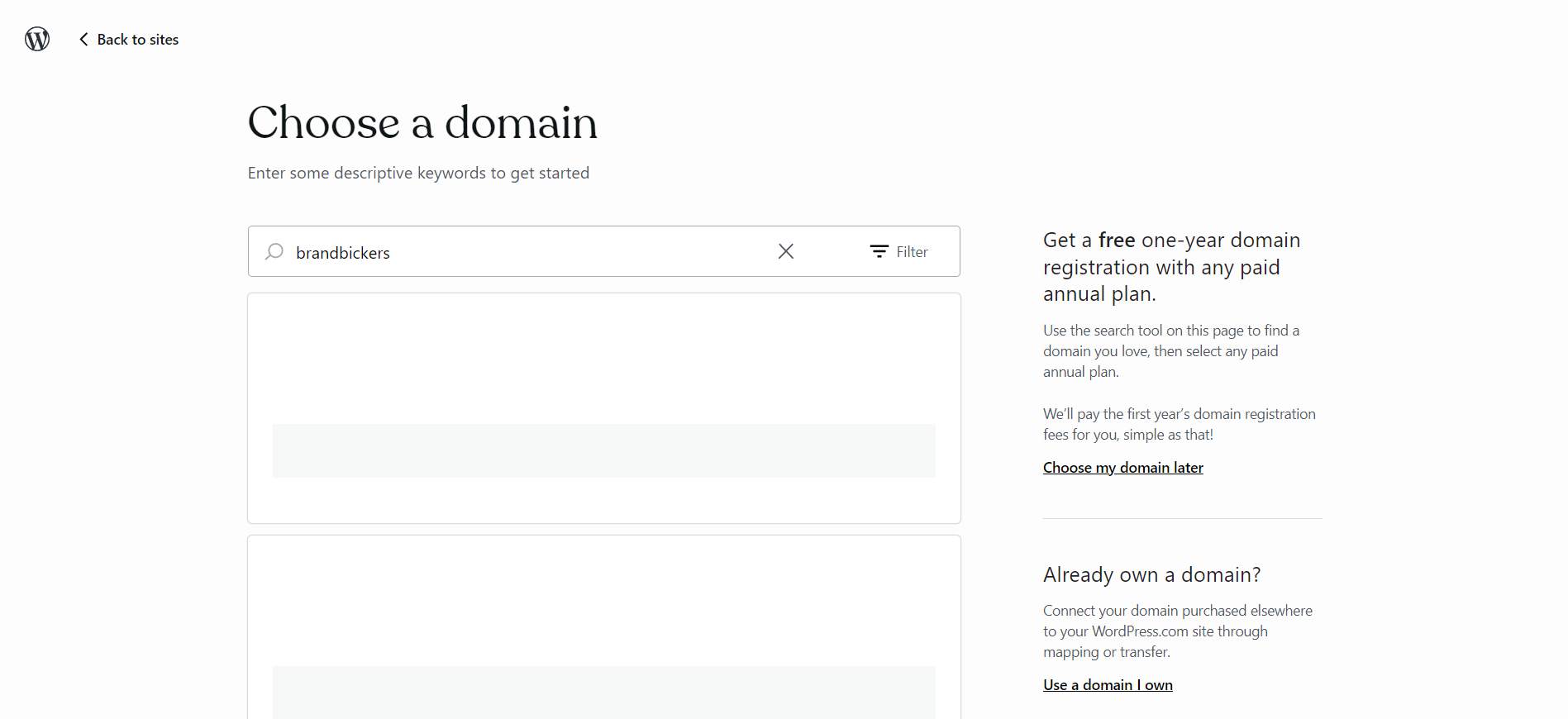
- Review During Checkout: During the cart phase of registration, ensure the "Privacy Protection" or "WHOIS Privacy" checkbox is active. If the service is listed with a price, look for a "free" alternative or choose a different provider that includes it by default.
- Configure Settings: Post-registration, log into your registrar’s dashboard. Navigate to the "Domain Settings" or "WHOIS Management" section to verify that the privacy toggle is set to "On."
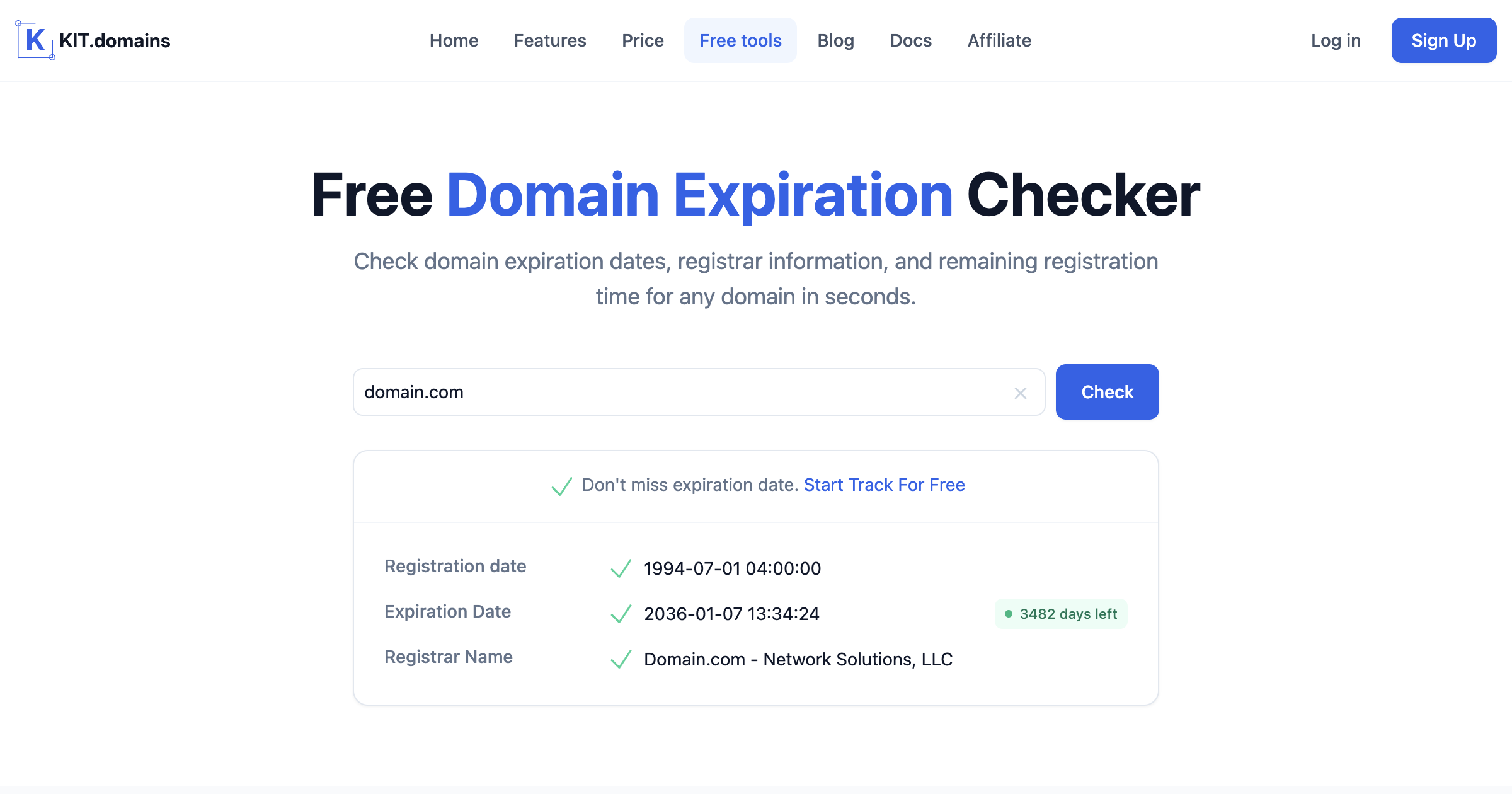
- Periodic Audit: Perform a manual WHOIS lookup using an ICANN-approved lookup tool. Verify that your personal name, physical address, email, and phone number are properly redacted or replaced with the registrar's proxy information.
Limitations and Legal Considerations
Even with privacy protection enabled, you are not entirely anonymous. Privacy services are "proxy" solutions rather than "anonymity" solutions. If you receive a valid legal order, such as a subpoena or a court-ordered request for disclosure regarding illegal activity, your registrar is legally compelled to reveal your actual identity to the requesting party.
Furthermore, if you are conducting e-commerce, certain jurisdictions require you to display contact information clearly on your website regardless of your WHOIS privacy settings. These laws, such as the EU E-Commerce Directive, focus on consumer protection and transparency, mandating that businesses be identifiable to their customers. Using a privacy service on your domain registration does not exempt you from these local legal disclosure requirements.
Troubleshooting Common Issues
If you find that your information is still visible, consider these common troubleshooting paths:
- Propagation Delay: After enabling privacy, it may take 24 to 48 hours for the changes to propagate through the global WHOIS database.
- Registry Restrictions: You may have registered a domain extension that does not permit privacy. If this is the case, your information will remain public regardless of your registrar’s settings.
- Cached WHOIS Data: Third-party "WHOIS lookup" websites often cache data. If your registrar confirms that the change is active, the issue may be with the specific lookup tool you are using rather than the actual registration record. Try an official registry lookup portal instead.
- Verification Delays: If your email address has not been verified, some registrars will disable privacy features until the verification link in the confirmation email is clicked.
Frequently Asked Questions
Is free privacy protection as effective as paid services?
For most individual website owners, standard, free, GDPR-compliant redaction is fully effective. It prevents scrapers from harvesting your email and phone number. Paid services are generally only necessary if you require specific features like a proxy mailing address or enhanced legal shielding.
Will private registration affect my domain ownership rights?
No. You remain the legal registrant of the domain. Privacy services are an administrative layer that handles public data requests, but the contractual relationship with the registry remains solely yours.
Can I add privacy to a domain I already own?
Yes. Most registrars allow you to enable privacy protection at any time through your account dashboard. Simply locate the domain in your management portal and look for the "Privacy" or "WHOIS" settings.
Do business domains require privacy protection?
Business domains often have different transparency requirements. While you may want to avoid spam, using a proxy service on a commercial site can sometimes conflict with trust-building efforts. Many businesses choose to display professional contact information rather than masking it.
Does "free" mean I can own a domain for free?
No. "Free private domain ownership" refers to the privacy service being free of charge. You must still pay the annual registration and renewal fees for the domain name itself.
What happens if I move my domain to a new registrar?
Privacy settings do not always transfer automatically. When transferring a domain, you must re-verify the privacy settings at the gaining registrar to ensure your data is not accidentally exposed during the transition.
Final Recommendation
To maintain private domain ownership, prioritize registrars that include WHOIS privacy as a core, no-cost service rather than an add-on. Before finalizing any purchase, perform a manual search for your preferred TLD to ensure it supports the level of privacy you require. Keep your administrative contact information accurate and verified within your account, as your registrar must be able to reach you to maintain your legal right to the domain. If you are operating a commercial enterprise, balance your desire for privacy with the legal requirements for business transparency in your operating jurisdiction.
Image Gallery
Select an image to open it in a new tab.

Declan O'Connor
Higher Education and Campus Culture Reporter
