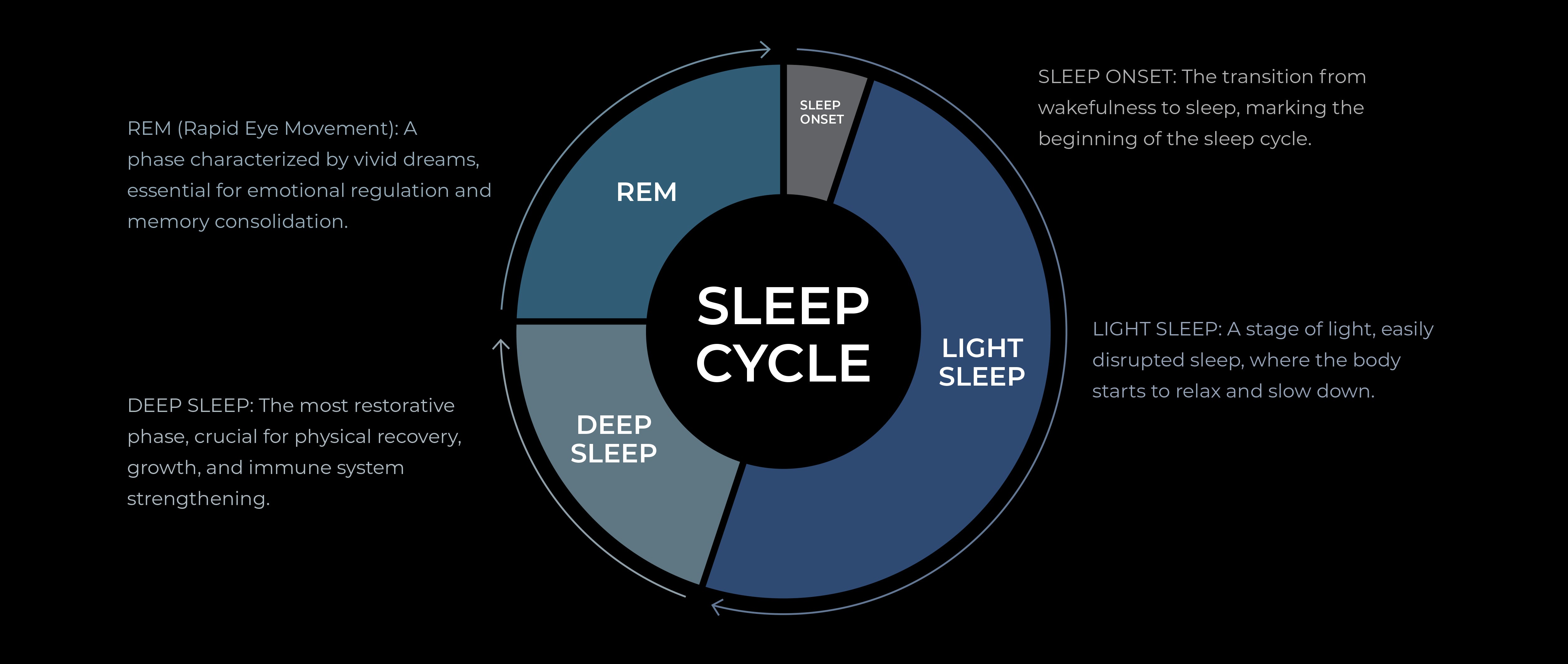
Rapid Eye Movement (REM) sleep typically accounts for approximately 20% to 25% of total sleep time in healthy adults, occurring in recurring cycles that last roughly 90 to 120 minutes each. Over the course of a standard eight-hour rest period, an individual will move through four to six of these cycles, with the duration of REM phases progressively lengthening as the morning approaches.
The Architecture of the Human Sleep Cycle
To understand the rhythm of human sleep, one must first view it as an organized architectural process rather than a static period of unconsciousness. The human sleep cycle is divided into two primary categories: Non-REM (NREM) sleep and REM sleep. These states are not uniform; they operate in a structured, oscillating sequence.
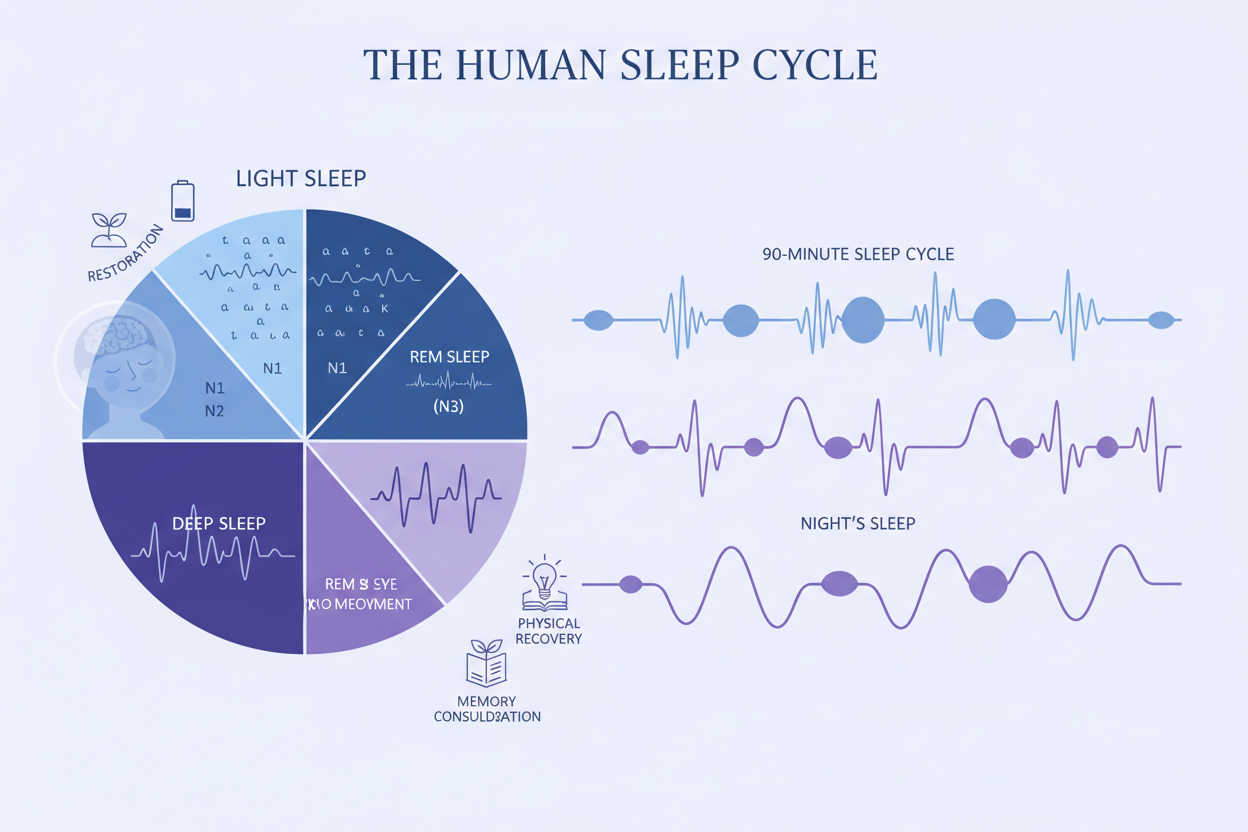
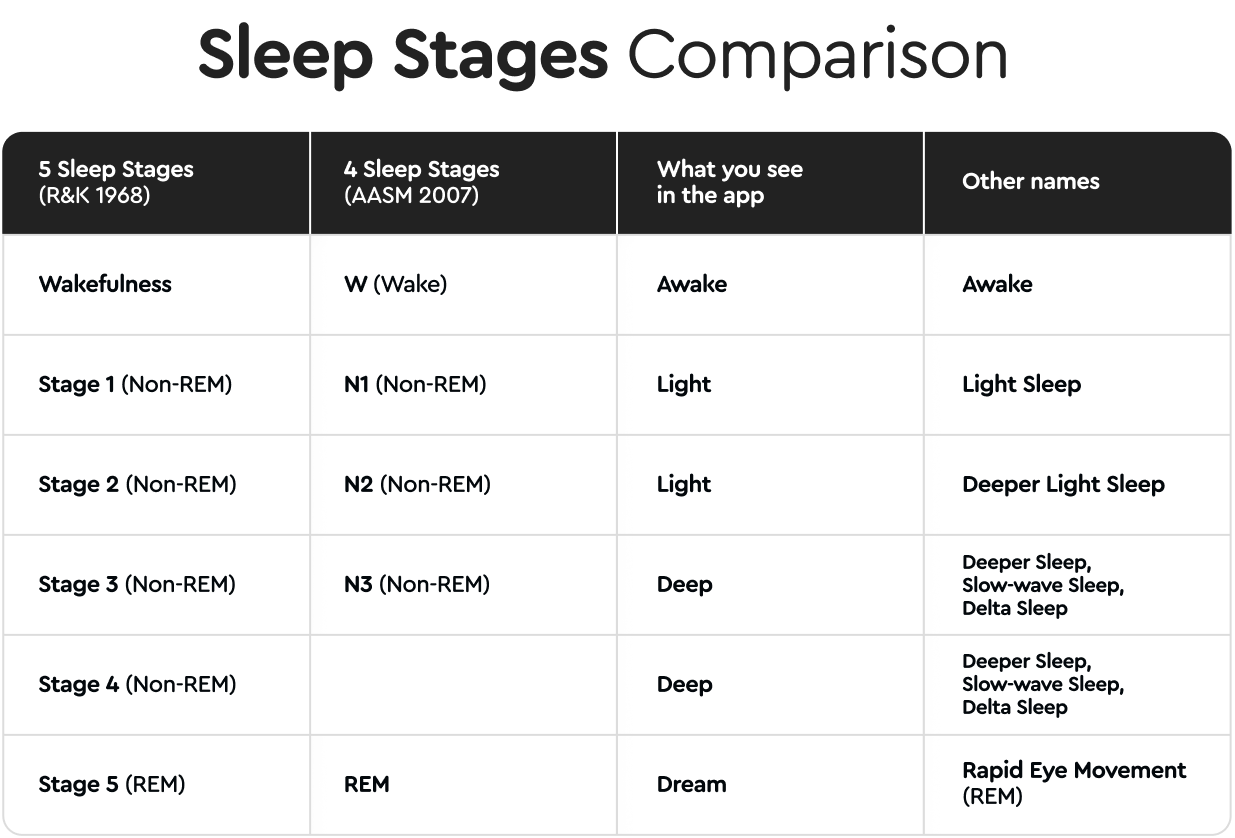
NREM sleep consists of three distinct stages—N1, N2, and N3—which transition from light drowsiness to deep, restorative slow-wave sleep. Following the completion of the N3 stage, the body enters the REM stage. This transition is marked by physiological changes, including increased brain activity, rapid horizontal eye movements, and temporary muscle atonia, a state where the major voluntary muscles remain paralyzed to prevent the physical acting out of dreams.
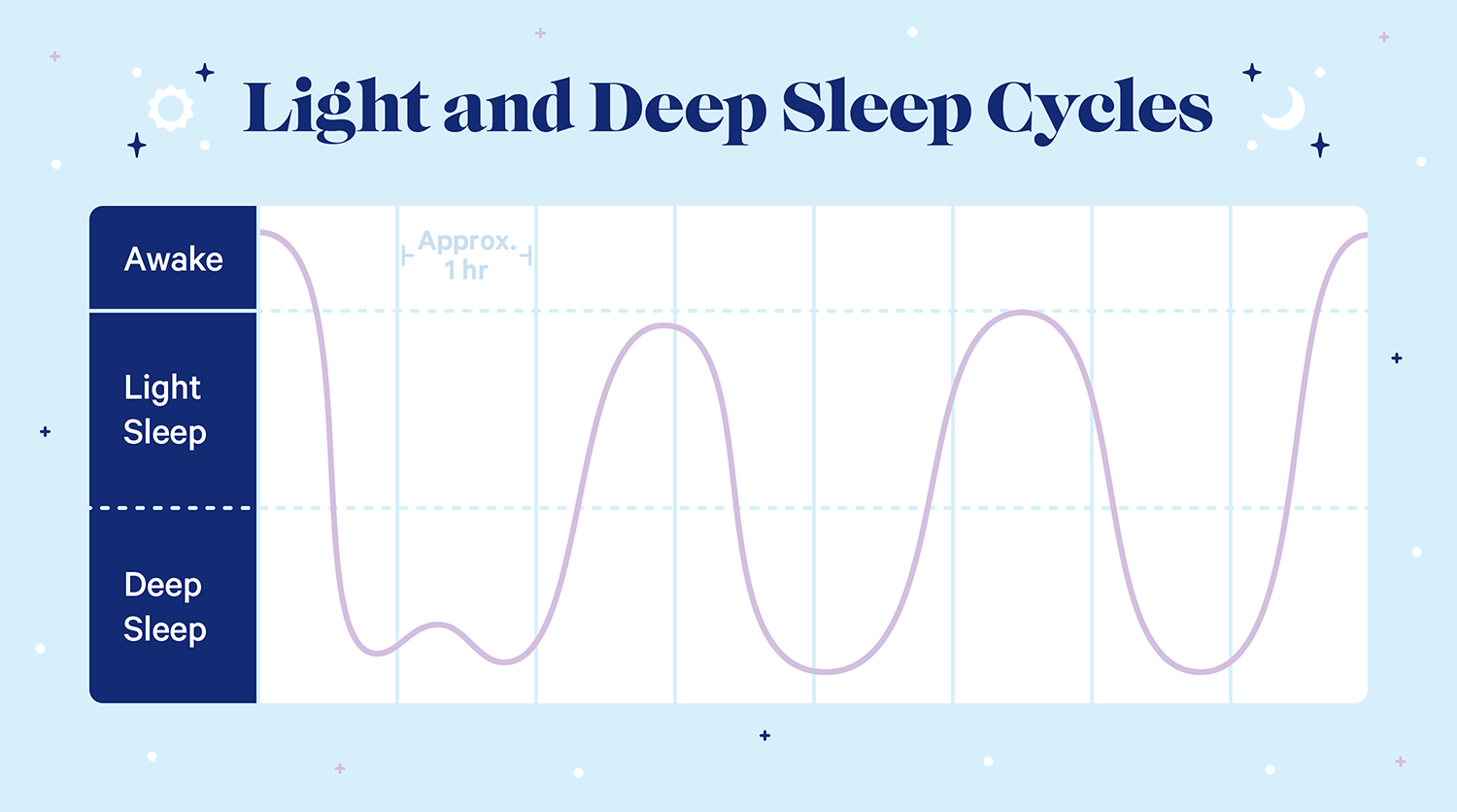
The distribution of these stages is not equal across the night. In the early nocturnal hours, the body prioritizes N3 (deep) sleep, which is critical for physical restoration and immune function. As the night progresses, the time spent in N3 sleep diminishes, while the duration allocated to REM sleep expands. This pattern is fundamental to understanding why the latter portion of a sleep session is often associated with the most vivid dreaming and cognitive memory consolidation.
Determining REM Duration and Frequency
The timing of REM sleep is governed by the interaction between the circadian rhythm and the homeostatic sleep drive. The circadian rhythm, regulated by the suprachiasmatic nucleus in the brain, dictates the body’s internal clock, while the homeostatic drive represents the accumulation of "sleep pressure" that builds throughout the day.
In an average sleep cycle of 90 to 120 minutes, the first REM period is often quite short, sometimes lasting only 5 to 10 minutes. As subsequent cycles occur, the REM duration increases. By the time an individual reaches the fourth or fifth cycle, a single REM period may last for 30 to 60 minutes.
Comparative Sleep Stage Distribution
The following table summarizes the typical progression of sleep stages during a single 90–120 minute cycle and how they shift throughout a night of rest.
| Sleep Stage | Characteristics | Timing Preference |
|---|---|---|
| NREM Stage 1 (N1) | Transition, light sleep | Early cycles |
| NREM Stage 2 (N2) | Heart rate slows, body temp drops | Throughout the night |
| NREM Stage 3 (N3) | Deep, restorative sleep | First half of the night |
| REM | Rapid eye movement, dreaming | Second half of the night |
It is important to note that these values represent a standard profile for healthy adults. Variations in age, underlying health conditions, and external environmental factors can significantly alter these patterns.
Factors Influencing REM Architecture
Several variables can disrupt the standard 90-minute oscillation of REM cycles. Recognizing these factors is essential for anyone seeking to understand their own sleep quality.
Age-Related Changes
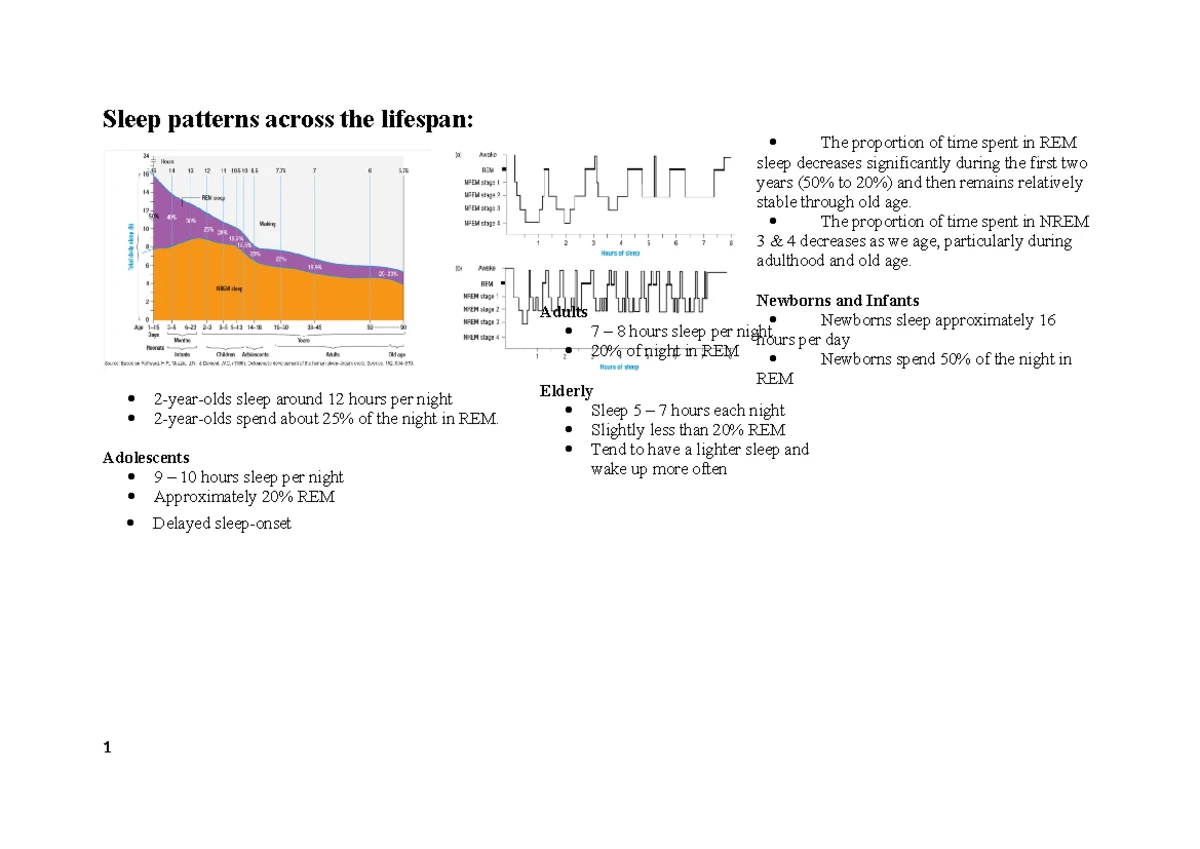
Sleep architecture changes dramatically throughout the human lifespan. Infants spend approximately 50% of their sleep time in REM, as it is believed to be vital for brain development and synaptic plasticity. By the time an individual reaches adulthood, this percentage stabilizes. In older adults, the total amount of sleep may decrease, and the architecture often becomes fragmented, leading to more frequent awakenings and a reduction in the efficiency of reaching deep REM states.
Pharmacological and Lifestyle Impacts
Alcohol, while often viewed as a sedative, has a documented suppressive effect on REM sleep. When alcohol is consumed, the onset of the first REM cycle is frequently delayed, and the total duration of REM sleep is reduced during the first half of the night. As the body metabolizes the alcohol, a "rebound effect" may occur, leading to fragmented, often intense or disturbing dream states in the later hours.
Similarly, medications such as antidepressants, stimulants, and certain blood pressure treatments can alter the latency—the time it takes to enter the first REM stage—and the overall density of REM sleep. Always consult a healthcare professional regarding how specific prescriptions may interact with natural sleep patterns.
Circadian Misalignment
Shift work and irregular sleep schedules force the body to attempt to enter REM sleep at times when the internal circadian clock is signaling alertness. This mismatch often leads to "REM fragmentation," where the brain struggles to maintain the prolonged states necessary for effective cognitive processing.
The Role of REM in Cognitive Function
REM sleep is not merely a period of intense dreaming; it is a period of intense neural activity. Research suggests that REM sleep is essential for procedural memory consolidation—the process by which the brain stores information related to "how to" tasks—and emotional regulation. During REM, the brain processes the emotional experiences of the day, effectively "stripping" the emotional charge from memories, which helps in maintaining long-term psychological equilibrium.
When REM sleep is repeatedly truncated—a common issue with restricted sleep schedules—individuals may experience impaired concentration, increased irritability, and difficulty with complex problem-solving. This highlights why the total duration of sleep is only half the equation; the structural integrity of the cycles is equally critical.
Monitoring Sleep Patterns
In 2026, various consumer-grade devices utilize actigraphy and photoplethysmography to estimate sleep stages. While these wearable devices provide helpful insights, it is important to understand their limitations compared to a clinical polysomnography (PSG) study. A PSG is the gold standard for measuring sleep architecture, using electroencephalography (EEG) to monitor brain waves, electrooculography (EOG) for eye movements, and electromyography (EMG) for muscle activity.
Wearables are useful for identifying trends—such as a consistent decrease in REM duration over several weeks—but they should not be used to self-diagnose sleep disorders. If you suspect your sleep patterns are chronically abnormal, a clinical evaluation is the only way to obtain an accurate assessment.
Frequently Asked Questions
Why do I feel more tired if I wake up during an early morning hour? Waking up during the final cycles of the night often means you are being pulled out of a prolonged REM period. This can result in "sleep inertia," a state of grogginess that feels more intense than waking up from a lighter stage of sleep, as the brain is transitioning from a highly active, dream-rich state.
Can I intentionally increase my REM sleep duration? You cannot force your brain into REM sleep, but you can create the conditions that support it. Prioritizing a consistent sleep schedule that allows for 7 to 9 hours of total sleep is the most effective method. Because REM stages are longer in the second half of the night, shortening your sleep duration—even by 60 to 90 minutes—disproportionately reduces the amount of REM sleep you receive.
How does caffeine intake affect REM cycles? Caffeine has a long half-life in the human body. Consuming caffeine late in the day can interfere with the transition into the deeper stages of NREM sleep, which creates a ripple effect that delays and potentially shortens the subsequent REM periods.
What is REM rebound? REM rebound occurs when an individual is sleep-deprived and finally catches up on sleep. The brain will attempt to compensate for the lost time by entering the REM stage much faster and staying there for longer than usual, often resulting in vivid or intense dreams.
Is it normal for REM cycles to vary from night to night? Yes, it is entirely normal. Factors like physical exertion, stress levels, and meal timing can cause subtle variations in your sleep architecture from one night to the next. A healthy sleep pattern is characterized by long-term consistency, not night-to-night rigidity.
Recommendations for Better Sleep Architecture
To optimize your REM cycles, focus on sleep hygiene that protects the natural progression of your sleep architecture.
- Maintain Consistency: Go to bed and wake up at the same time every day, including weekends. This stabilizes your circadian clock, ensuring your brain knows when to initiate the long REM cycles of the morning.
- Manage Evening Stimulants: Avoid caffeine at least eight hours before your intended bedtime.
- Optimize the Environment: Keep the bedroom cool, dark, and quiet. REM sleep is highly sensitive to environmental disruptions; if your sleep is fragmented by light or noise, your body may struggle to complete its full cycle, cutting off REM prematurely.
- Consistency Over Duration: While duration is important, the regularity of your sleep-wake rhythm is the strongest driver of a healthy cycle. If you cannot get eight hours, aim for a consistent seven hours rather than oscillating between four hours on weekdays and ten hours on weekends.
If you continue to experience excessive daytime sleepiness or notice persistent issues with your sleep patterns despite maintaining good hygiene, consult with a sleep medicine specialist. They can determine if an underlying condition, such as sleep apnea or a parasomnia, is disrupting your ability to complete your REM cycles naturally.

Image Gallery
Select an image to open it in a new tab.

Simon Caldwell
Enterprise Technology and Systems Editor
