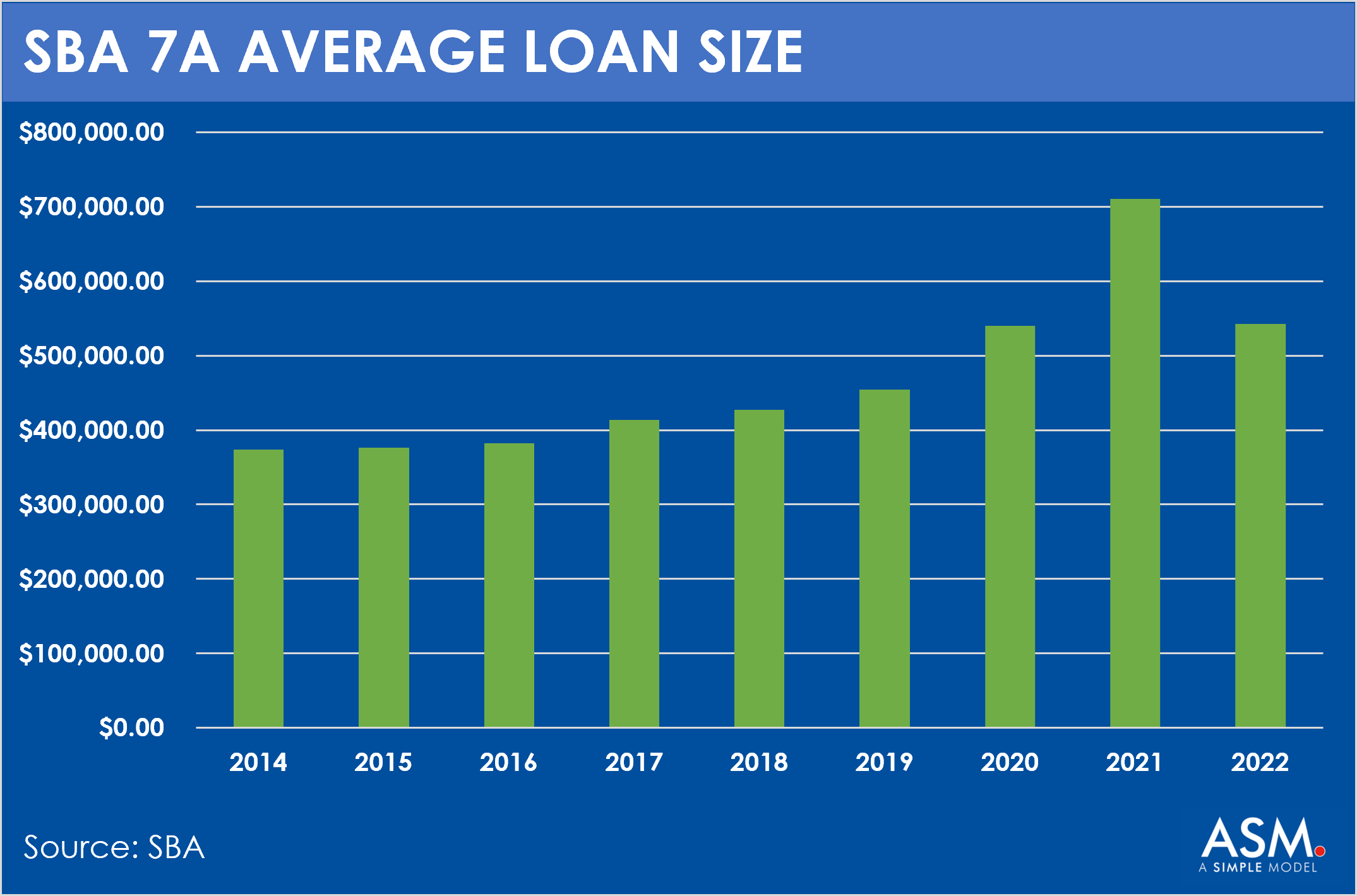
There is no formal statutory "minimum" SBA loan amount set by the Small Business Administration for its core lending programs. While lenders are technically permitted to issue loans for any amount, most financial institutions establish their own internal minimums—often between $30,000 and $50,000—due to the administrative costs and fixed underwriting requirements associated with processing government-backed debt.
Navigating the SBA Loan Landscape
Small Business Administration (SBA) loans are highly sought after by entrepreneurs because they offer some of the most competitive interest rates and longest repayment terms in the market. However, a common point of confusion for small business owners is whether they can secure a small-dollar loan for needs like equipment upgrades, minor inventory purchases, or temporary working capital.
Because the SBA acts as a guarantor rather than the direct lender in most instances, the institution providing the capital has significant latitude regarding its loan policies. When a bank or credit union processes a loan, it must perform extensive documentation, credit analysis, and ongoing monitoring for the life of the loan. For smaller amounts, the cost of this due diligence can exceed the potential profit margin for the lender. As a result, while the SBA does not have a federal floor for loan sizes, the practical reality of commercial lending creates a barrier to entry for very small loan requests.
The 7(a) Loan Program: Understanding the Reality of Lending
The 7(a) loan program is the SBA’s primary method for providing financial assistance to small businesses. The maximum loan amount for a 7(a) loan is $5 million, but there is no explicitly stated minimum in the SBA’s official Standard Operating Procedures (SOP).
Despite the lack of a federal minimum, you will rarely find a commercial bank willing to underwrite a 7(a) loan for less than $30,000 to $50,000. Lenders view these loans through the lens of a "cost-to-originate" model. Because the government-backed portion of the loan requires specific administrative steps—regardless of whether the loan is for $10,000 or $500,000—the labor cost is nearly identical. If a bank charges interest and fees based on a percentage of the loan, a small loan may not generate enough revenue to compensate the bank for the time spent processing the application.
Factors Influencing Your Ability to Access Smaller Loans
If you are seeking a loan below $50,000, your success depends heavily on the type of lender you approach. The following entities typically have different internal policies regarding minimums:
- Large National Banks: These institutions often prioritize high-volume, high-dollar-amount loans. They are the most likely to have high internal minimums or to move smaller requests into conventional "small business" products that do not utilize an SBA guarantee.
- Community Banks and Credit Unions: Smaller, local lenders are often more flexible. Because they are focused on regional economic development, they may be willing to issue loans in the $10,000 to $25,000 range if the borrower has a strong local presence and a long-standing relationship with the institution.
- Mission-Based Lenders: Organizations such as Community Development Financial Institutions (CDFIs) are specifically designed to serve borrowers who have difficulty accessing traditional capital. They frequently specialize in smaller loan amounts and are more likely to work with businesses that do not meet the internal thresholds of large commercial banks.
Alternatives for Small Capital Requirements
If you find that your funding needs fall below the practical minimums set by traditional SBA lenders, you are not necessarily out of options. Before assuming you must secure a larger loan than you need, consider the following alternatives:
- SBA Microloan Program: This is a distinct program where the SBA provides funds to intermediary lenders, who then provide loans of up to $50,000 to small businesses. The average Microloan is significantly smaller—often around $13,000 to $15,000. These lenders are explicitly tasked with helping startups and smaller enterprises.
- SBA Express Loans: While these are still 7(a) loans, the application process is streamlined for lenders. Because the bank can use its own documentation and procedures, the administrative burden is lower, which may make them more willing to approve smaller amounts.
- Business Lines of Credit: If your goal is working capital rather than a fixed asset purchase, a bank-issued line of credit may have different qualification metrics than an SBA term loan.
- Community Advantage Loans: Similar to the Microloan program, these are designed to increase access to credit for small businesses in underserved markets and may provide more flexibility regarding loan size.
Comparison of SBA Financing Pathways
| Program Type | Typical Size Range | Primary Purpose | Lender Flexibility |
|---|---|---|---|
| SBA 7(a) (General) | $50k – $5M | General business purposes | Low for small amounts |
| SBA Express | Up to $500k | Faster working capital | Moderate |
| SBA Microloan | Up to $50,000 | Startup/small business needs | High |
| Community Advantage | Up to $350,000 | Underserved communities | High |
Strategic Considerations for Loan Applications
When applying for an SBA loan, your objective is to align your request with the lender's profit model. If you are requesting a smaller amount, you should provide a highly organized and comprehensive business plan. A lender is much more likely to approve a smaller, higher-maintenance loan if the business owner presents a file that is "ready to approve."
This includes having your tax returns for the last three years, personal financial statements, a clear debt schedule, and a specific narrative explaining how the funds will be used to generate revenue. In the world of lending, the "risk" is often perceived as much as it is calculated. By presenting a professional, error-free application package, you reduce the perceived administrative risk, which may allow you to bypass the lender's standard minimums.
Common Pitfalls and Troubleshooting
A frequent mistake borrowers make is asking for a loan amount that is significantly higher than they need, simply because they believe their target amount is "too small" to qualify. This is a strategic error. Applying for more capital than your business plan can support—a practice often called "over-leveraging"—can lead to a denial. Underwriters scrutinize the "use of proceeds" section of your application to ensure that the request aligns with the business's current cash flow.
If you are consistently being turned down due to the size of your request, ask the loan officer for a referral. Lenders often know exactly which organizations in the community handle smaller loan volumes. Do not be discouraged by a rejection from a large commercial bank; it is often a matter of institutional policy rather than a reflection of your business's creditworthiness.
Frequently Asked Questions
Does the SBA have a federal minimum loan amount? No, there is no statutory minimum for SBA loans. However, lenders almost universally set their own minimums because of the overhead costs associated with servicing a loan, which makes smaller loans less profitable for the financial institution.
Can I get an SBA loan for $10,000? Yes, but you will likely need to look toward the SBA Microloan program or a local CDFI. Most traditional commercial banks will find a $10,000 request inefficient to process under standard SBA 7(a) guidelines and may direct you to other loan products.
Why do banks prefer larger loan amounts? Banks incur significant fixed costs when underwriting an SBA loan, including the time required for credit checks, documentation, and reporting to the SBA. These costs do not scale down linearly, meaning a bank makes significantly less profit on a $20,000 loan than a $200,000 loan, even though the amount of work remains largely the same.
What is the best way to find a lender for a small amount? The best strategy is to contact a local SBA office or use the "SBA Lender Match" tool on the official SBA website. You should specifically filter for lenders that indicate a willingness to work with startups or smaller loan amounts.
What happens if I need more money after getting a small loan? If your business grows and your capital needs increase, you can often apply for an additional loan or expand your existing credit relationship with your lender. Maintaining a positive payment history on your initial loan significantly increases your credibility for future, larger requests.
Final Recommendation
If your financing needs are under $50,000, do not waste time negotiating with major national commercial banks that prioritize high-volume loans. Instead, immediately research your local Community Development Financial Institutions (CDFIs) and credit unions that participate in the SBA Microloan program. Prepare your financial statements with professional care, and clearly document how the specific funds will contribute to your business's growth. By targeting the right type of lender from the outset, you dramatically increase your chances of securing the capital you need regardless of its size.

Image Gallery
Select an image to open it in a new tab.
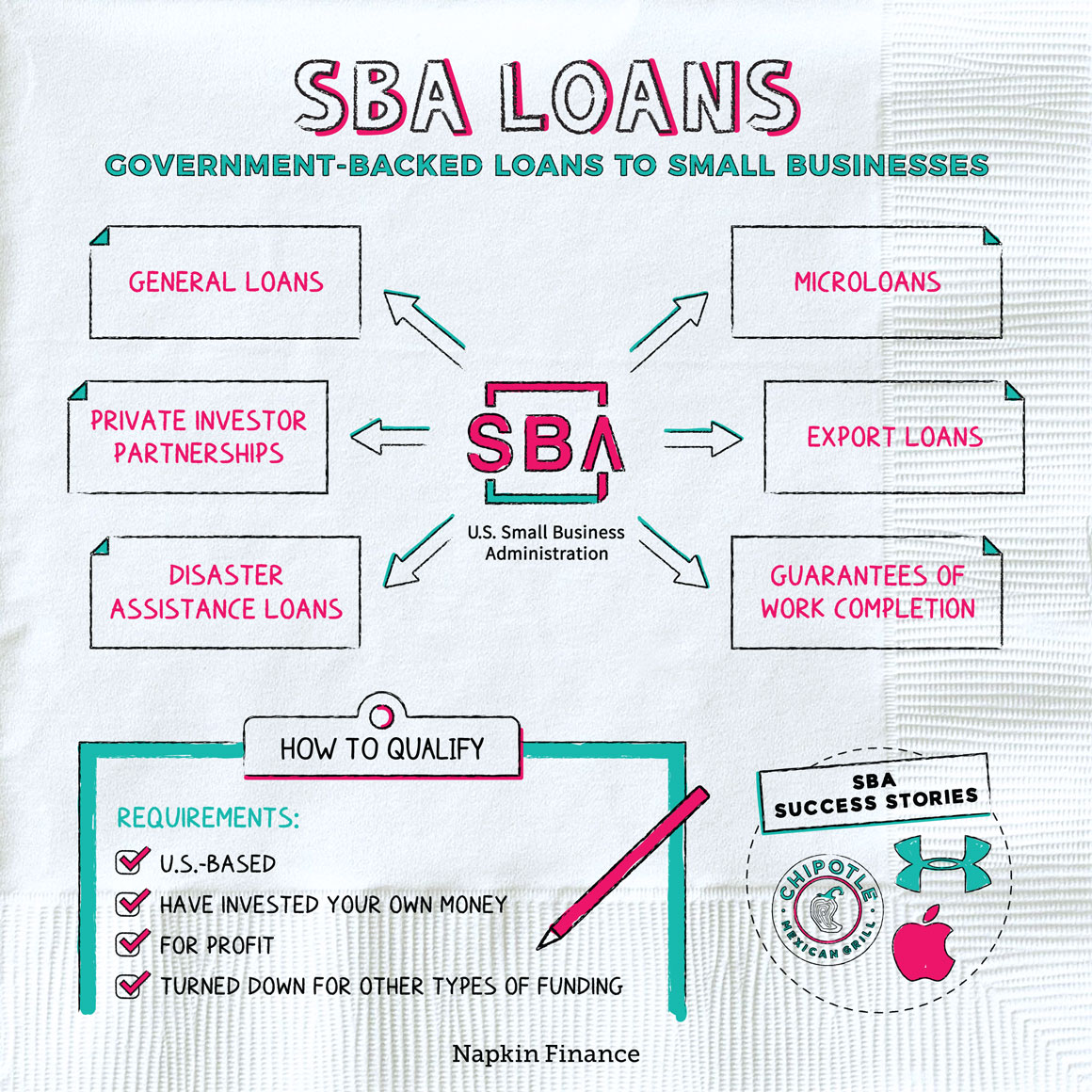


Akira Tanaka
International Academic Trends Correspondent
