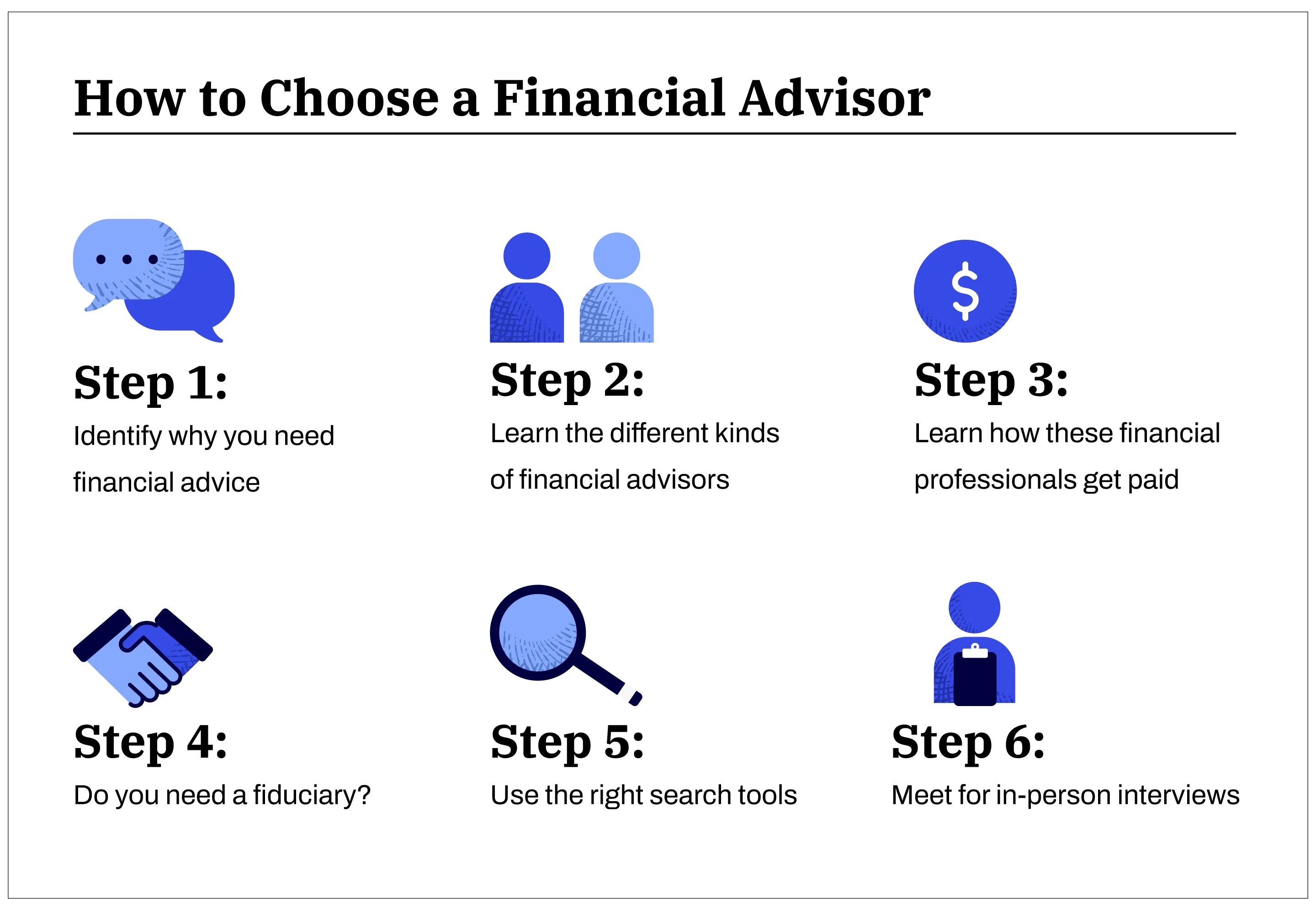
Choosing a financial planner in Washington requires verifying their fiduciary status, understanding their fee structure, and ensuring they have expertise in Washington-specific tax laws, such as the state's capital gains tax and estate tax. In 2026, investors should prioritize advisors who combine traditional wealth management with localized tax-efficiency strategies and transparent, fee-only compensation models.
Navigating the financial landscape in Washington State involves more than just selecting a generic investment manager. As of 2026, the state's unique tax environment—characterized by the absence of a personal income tax but the presence of a localized capital gains tax and a relatively low estate tax threshold—demands a specialized approach. Whether you are a tech professional in Seattle dealing with Restricted Stock Units (RSUs), a retiree in Spokane, or a small business owner in Vancouver, your choice of a financial planner will significantly impact your long-term wealth preservation and growth.
Understanding the Washington Financial Landscape in 2026
Washington presents a distinct set of challenges and opportunities that differ from neighboring states like Oregon or Idaho. While the lack of a state income tax is a primary draw, Washington has implemented several specific taxes that require active management. A competent financial planner in Washington must be intimately familiar with the Department of Financial Institutions (DFI) regulations and the state’s evolving tax code.
In 2026, two major factors dominate the local planning conversation: the Washington State Capital Gains Tax and the WA Cares Fund. The 7% tax on the sale or exchange of long-term capital assets (exceeding the annually adjusted threshold, currently around $262,000 in 2026) requires sophisticated timing and harvesting strategies. Furthermore, the WA Cares Fund, the state’s mandatory long-term care insurance program, affects almost every W-2 employee. A planner who is not well-versed in these local nuances may inadvertently leave your assets exposed to unnecessary taxation.
The Role of the Washington Department of Financial Institutions (DFI)
The Washington DFI is the primary state regulator for investment advisers who manage less than $100 million in assets. Firms managing more than this threshold generally register with the Securities and Exchange Commission (SEC). When choosing a planner, your first step should be verifying their registration status through the DFI’s Securities Division or the SEC’s Investment Adviser Public Disclosure (IAPD) website. This ensures the firm is legally permitted to operate and allows you to view their Form ADV, a document that discloses their business practices, fees, and any history of disciplinary actions.
Defining Your Specific Financial Goals
Before interviewing candidates, you must categorize your needs. Financial planning is not a monolithic service; different planners specialize in different life stages and financial complexities. In 2026, the market has bifurcated into "niche" specialists.
Retirement and Income Planning
For those nearing retirement, the focus shifts from wealth accumulation to sustainable distribution. In Washington, this includes managing "bracket creep" at the federal level, especially since the sunsetting of the Tax Cuts and Jobs Act (TCJA) provisions at the end of 2025 has resulted in higher federal tax rates for many in 2026. A planner should help you determine when to claim Social Security and how to draw down from 401(k)s, IRAs, and taxable accounts to minimize the total tax bite.
Tech Professional and Equity Compensation
If you work for major Washington employers like Microsoft, Amazon, or Google, your primary concern is likely equity compensation. RSUs, Non-Qualified Stock Options (NQSOs), and Incentive Stock Options (ISOs) require a planner who understands the concentration risk and the specific tax triggers associated with these instruments. In 2026, managing these assets also involves navigating the state's capital gains tax, which specifically targets the types of gains often realized by tech employees.
Estate Planning and the "Washington Gap"
Washington is one of the few states with its own estate tax, and its exemption threshold is significantly lower than the federal limit. While the federal exemption remains relatively high (even after the 2025 sunset), the Washington state exemption sits at approximately $2.193 million. This "gap" means many families who do not owe federal estate taxes will still owe Washington state estate taxes. Your planner must work closely with an estate attorney to implement trusts or gifting strategies to mitigate this liability.

The Fiduciary Standard vs. The Suitability Standard
One of the most critical decisions in choosing a financial planner is determining whether they are a fiduciary. In 2026, the distinction between a fiduciary and a broker (often called a "financial consultant" or "wealth manager") remains vital for consumer protection.
A Fiduciary is legally and ethically obligated to act in your best interest at all times. They must disclose any conflicts of interest and prioritize your financial well-being over their own compensation. Most Independent Registered Investment Advisers (RIAs) operate under this standard.
A Broker-Dealer representative may only be held to a "suitability" or "Regulation Best Interest" (Reg BI) standard. While Reg BI improved protections, it still allows for the sale of products that may pay the advisor a higher commission, provided the product is "suitable" for you. When interviewing a planner in Washington, ask point-blank: "Are you a fiduciary for all the services you provide to me, and will you state that in writing?"
Evaluating Compensation Models
How you pay your financial planner is often a predictor of the advice you will receive. In 2026, the industry has largely shifted away from commissions, but they still exist.
Fee-Only Planners
Fee-only planners are paid directly by the client. They do not receive commissions for selling insurance, mutual funds, or other financial products. This model is widely considered the most transparent. Common fee-only structures include:
- Assets Under Management (AUM): A percentage of the assets managed (e.g., 1% annually). This is the standard for long-term wealth management.
- Flat Fee or Project-Based: A set fee for a specific task, such as creating a one-time financial plan.
- Hourly Rate: Best for clients who only need occasional advice on specific questions.
Fee-Based Planners
"Fee-based" is often confused with "fee-only," but there is a major difference. Fee-based planners charge a fee for their advice but can also earn commissions from products they sell. This creates a potential conflict of interest that requires careful scrutiny.
Commission-Only
This model is becoming less common for comprehensive planning. The advisor is paid entirely by the companies whose products they sell. This model may be appropriate for simple product purchases (like a term life insurance policy) but is generally insufficient for holistic financial planning.
Necessary Credentials and Qualifications
In a crowded field, professional designations serve as a shorthand for expertise and ethical commitment. You should prioritize planners who hold the following:
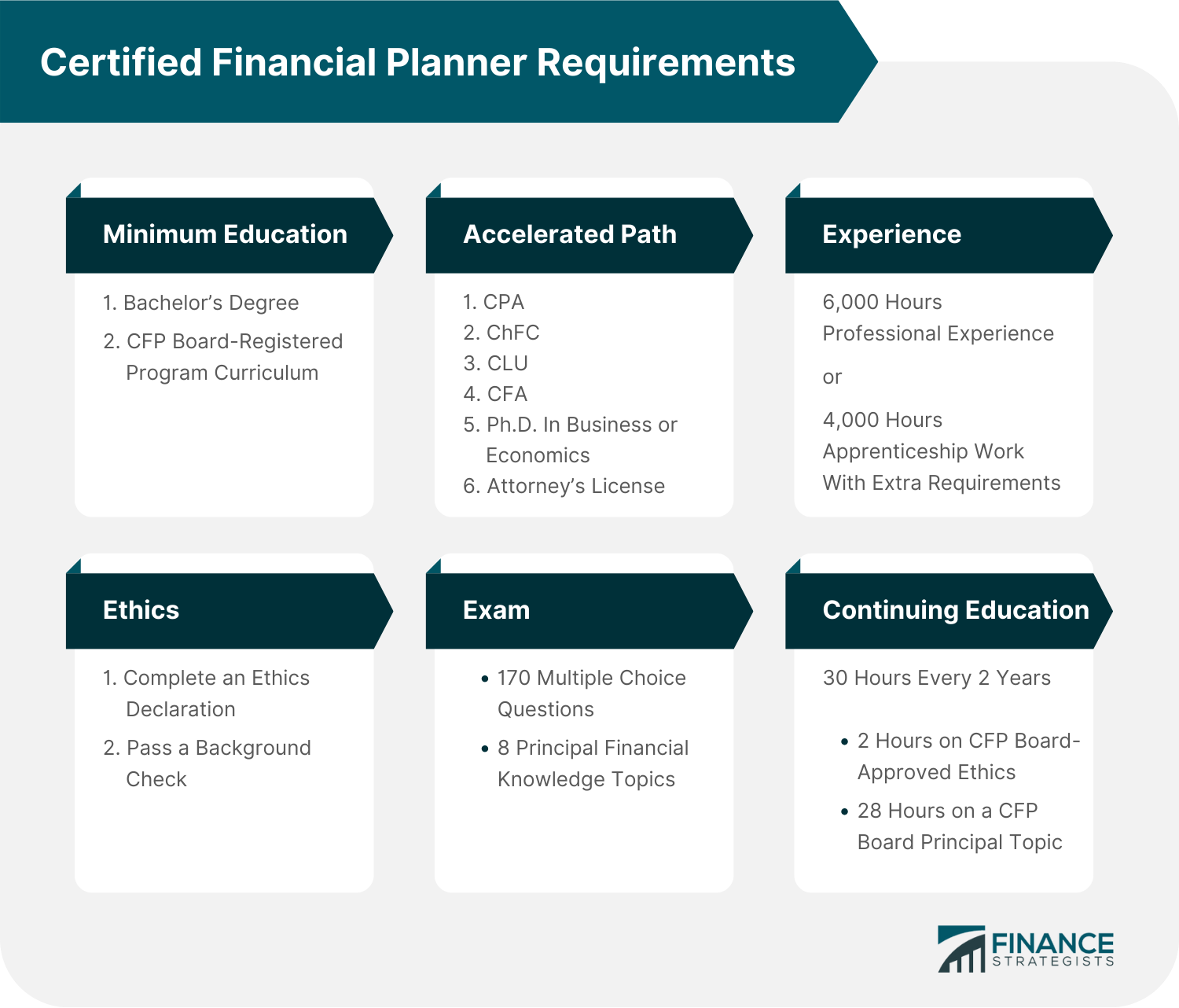
- Certified Financial Planner (CFP®): This is the industry standard. It requires extensive coursework, a rigorous examination, and a commitment to the CFP Board's fiduciary standards.
- Chartered Financial Analyst (CFA): While more common in institutional investing, a CFA indicates a deep mastery of investment analysis and portfolio management.
- Certified Public Accountant / Personal Financial Specialist (CPA/PFS): Ideal for Washington residents with complex tax situations. These are CPAs who have undergone additional training in financial planning.
Key Steps to Selecting Your Planner
Once you have identified potential candidates in Washington, follow this structured evaluation process:
- Check the IAPD and BrokerCheck: Visit the Investment Adviser Public Disclosure website. Look for "Form ADV Part 2A," which is a plain-English brochure describing the firm's fees, services, and any disciplinary history. For brokers, use FINRA BrokerCheck.
- Conduct Initial Interviews: Most planners offer a 30-minute introductory "get to know you" session. Use this to gauge their communication style. Do they listen more than they talk? Do they explain complex 2026 tax concepts clearly?
- Ask About Their Investment Philosophy: Do they believe in active management (trying to beat the market) or passive management (using low-cost index funds)? In 2026, the consensus for most individual investors leans toward low-cost, tax-efficient passive strategies, but your specific needs may vary.
- Inquire About Their Tech Stack: In 2026, a top-tier planner should provide a client portal that offers real-time views of your net worth, automated tax-loss harvesting, and secure document storage.
Comparison of Financial Advisor Types in Washington (2026)
| Feature | Registered Investment Adviser (RIA) | Broker-Dealer / Wirehouse | Robo-Advisor |
|---|---|---|---|
| Legal Standard | Fiduciary (Best Interest) | Reg BI (Best Interest/Suitability) | Fiduciary (Algorithm-based) |
| Primary Fee Model | Fee-Only (AUM or Flat) | Commissions or Fee-Based | Low AUM (0.25% - 0.40%) |
| Best For | Holistic Planning & Tax Strategy | Product Access & Trade Execution | Simple Wealth Accumulation |
| WA Tax Knowledge | Often High (Customized) | Variable | Low (Generic) |
| Human Contact | High | Moderate to High | None to Minimal |
Washington-Specific Planning Checklists
For the "Pre-Retiree" (Ages 50-65)
- WA Cares Fund Audit: Have you opted out with private insurance, or are you prepared for the 0.58% payroll tax?
- Estate Tax Calculation: Is your net worth (including home equity and life insurance) above $2.193 million?
- Capital Gains Strategy: Have you mapped out the sale of highly appreciated assets to stay under the 7% state tax threshold?
For the Tech Professional (Amazon, Microsoft, etc.)
- RSU/Option Diversification: Is more than 10-15% of your net worth in a single company stock?
- Alternative Minimum Tax (AMT) Planning: With the 2026 federal tax changes, are your ISO exercises triggering AMT?
- Deferred Compensation: Are you maximizing "mega-backdoor" Roth 401(k) opportunities allowed by your employer?
Common Mistakes to Avoid
A common error for Washington residents is hiring a planner who is located in a different state and lacks familiarity with local rules. While "virtual" planning is common in 2026, your advisor must demonstrate expertise in Washington's specific quirks. For example, a planner in Florida might not realize that Washington treats "community property" differently, which affects the "step-up in basis" for capital gains when a spouse passes away.
Another mistake is focusing solely on investment returns while ignoring the "tax drag." In 2026, with the 7% state capital gains tax and higher federal brackets, a 10% return can quickly become a 6% net return if not managed within a tax-efficient framework. Ensure your planner emphasizes "after-tax" returns.
Frequently Asked Questions
Do I need a financial planner if I don't have $1 million?
No, you do not need a high net worth to benefit from financial advice. While many RIAs have minimums, many Washington-based planners now offer "subscription-based" or hourly models specifically for "HENRYs" (High Earners, Not Rich Yet). These services focus on cash flow, debt management, and early-stage career planning.
How does the 2026 federal tax sunset affect my choice of planner?
The expiration of the Tax Cuts and Jobs Act (TCJA) means that in 2026, federal income tax brackets have reverted to higher rates, and the standard deduction has decreased. You need a planner who is proactive about tax planning—someone who can implement strategies like "Roth conversions" or "charitable bunching" to counteract these higher federal costs.
Can a financial planner help with the Washington State Long-Term Care tax?
Yes. A qualified planner can help you evaluate whether the state's WA Cares Fund benefit (currently capped at $36,500) is sufficient for your needs or if you should seek private long-term care insurance. They can also help you understand the current 2026 requirements for maintaining an exemption if you previously opted out.
What is the difference between a financial planner and a wealth manager?
In 2026, these terms are often used interchangeably, but "wealth management" typically implies a focus on investment portfolio construction for high-net-worth individuals. "Financial planning" is broader, encompassing budgeting, insurance, estate planning, and tax strategy. Most people in Washington benefit from a professional who provides both.
How often should I meet with my Washington financial planner?
Most clients should meet with their planner at least twice a year. One meeting should focus on "Big Picture" goals and life changes, while the second (typically in Q4) should focus on year-end tax planning, specifically addressing Washington's capital gains tax and federal tax loss harvesting.
Practical Recommendation
To find the right financial planner in Washington in 2026, start by using the search tools provided by the National Association of Personal Financial Advisors (NAPFA) or the XY Planning Network. These organizations require their members to be fee-only fiduciaries. Once you have a shortlist, verify their history on the SEC's IAPD website and schedule at least three interviews. Prioritize candidates who can articulate a specific strategy for managing Washington’s estate and capital gains taxes.
Professional Advice Limitation: This article is provided for informational purposes only and does not constitute legal, tax, or financial advice. Tax laws, including the Washington State Capital Gains Tax and federal regulations, are subject to change and vary based on individual circumstances. Always consult with a qualified professional regarding your specific financial situation.
Image Gallery
Select an image to open it in a new tab.


Vivian Cho
Executive IT and Emerging Technologies Reporter
