
The Atlanta murders of 1979 to 1981 comprised a devastating series of killings that claimed the lives of at least 28 African American children, adolescents, and young adults in Atlanta, Georgia. The terror culminated in the arrest and conviction of Wayne Williams, though profound questions regarding the full scope of the crimes and the possibility of other perpetrators have persisted for decades.
Historical Context and Sociopolitical Climate of Atlanta in the Late 1970s
To understand the trajectory and impact of the Atlanta murders, one must examine the city's unique socio-political landscape during the late 1970s and early 1980s. Atlanta was experiencing a period of significant transition and relative prosperity. Often hailed as "Too Busy to Hate," the city prided itself on racial progress, boasting a thriving Black middle class, prominent academic institutions, and a burgeoning political infrastructure. In 1973, Maynard Jackson took office as Atlanta's first African American mayor, symbolizing a new era of municipal leadership and empowerment.
However, beneath the surface of political advancement, deep-seated racial tensions, economic disparities, and urban decay persisted. Many low-income neighborhoods faced high unemployment, inadequate public resources, and systemic neglect. When children and young adults began disappearing or turning up dead, these underlying structural vulnerabilities amplified the terror within the community. The disappearances shattered the illusion of safety and prosperity, forcing residents to confront the grim reality that marginalized youth remained acutely vulnerable despite broader political gains.
The atmosphere in Atlanta during these years was thick with anxiety and distrust. Parents kept their children under strict curfews, schools and community centers organized safety patrols, and volunteer groups scoured wooded areas, abandoned buildings, and riverbanks looking for clues. The psychological toll on the city was immense, creating a pervasive sense of siege that tested the resilience of local institutions and law enforcement agencies alike.
The Chronology of Disappearances and Discoveries
The crisis began in July 1979 with the disappearance and murder of 14-year-old Edward Hope Smith, whose body was found discarded near a wooded embankment. Shortly thereafter, 13-year-old Alfred Evans vanished, his body discovered days later. As the months progressed, the pattern became unmistakably clear: young African American males, predominantly aged 7 to 15, were disappearing from streets, apartment complexes, and shopping centers, only to be found dead weeks or months later. A small number of young women and older teenagers were also added to the official toll as investigations expanded.
Law enforcement agencies initially treated the early cases as isolated incidents. However, by late 1979 and early 1980, the frequency of the crimes forced local police to recognize they were dealing with a serial predator or a coordinated ring of killers. The victims vanished under varying circumstances—some were last seen playing video games at local arcades, others walking home from school, and some running errands for family members. The discovery sites were scattered across metropolitan Atlanta, complicating efforts by local detectives to establish a single crime scene or secure reliable eyewitness testimony.
| Victim Name | Age | Date Disappeared / Found | Location Found |
|---|---|---|---|
| Edward Hope Smith | 14 | July 21, 1979 / July 28, 1979 | Southwest Atlanta embankment |
| Alfred Evans | 13 | July 25, 1979 / July 29, 1979 | DeKalb County wooded area |
| Milton Harvey | 14 | September 4, 1979 / November 1979 | Abandoned car, Atlanta |
| Yusef Bell | 9 | October 21, 1979 / November 8, 1979 | Behind an abandoned school |
| Angel Lenair | 12 | March 4, 1980 / March 10, 1980 | Southwest Atlanta |
| Curtis Walker | 13 | July 19, 1980 / September 13, 1980 | South River, DeKalb County |
The expanding list of casualties overwhelmed the resources of the Atlanta Police Department. Families of the victims organized grassroots advocacy groups, most notably the Committee to Stop Children's Murders, demanding greater federal intervention and comprehensive investigative support from state authorities. The pressure on city officials mounted as national media outlets descended upon Atlanta, transforming local grief into a national spectacle.

Law Enforcement Response and the Formation of the Special Task Force
As public outcry intensified, the fragmented police response evolved into a unified operation. In July 1980, the Atlanta Public Safety Commissioner established a dedicated task force composed of local detectives, state troopers, and personnel from the Georgia Bureau of Investigation (GBI). Soon afterward, the Federal Bureau of Investigation (FBI) joined the effort, providing behavioral profiling expertise, forensic support, and advanced surveillance equipment.
The task force faced formidable logistical and operational hurdles. Investigators pursued hundreds of leads daily, ranging from credible tips to wild conspiracy theories. Forensic science in the early 1980s lacked modern DNA profiling capabilities, meaning investigators relied heavily on fiber analysis, hair comparisons, and circumstantial evidence. Task force members staked out bridges, river crossings, and major thoroughfares following a hypothesis that the killer or killers were disposing of bodies in waterways to eliminate forensic evidence. This bridge-surveillance strategy ultimately served as the catalyst for apprehending the primary suspect.
The Arrest, Trial, and Conviction of Wayne Williams
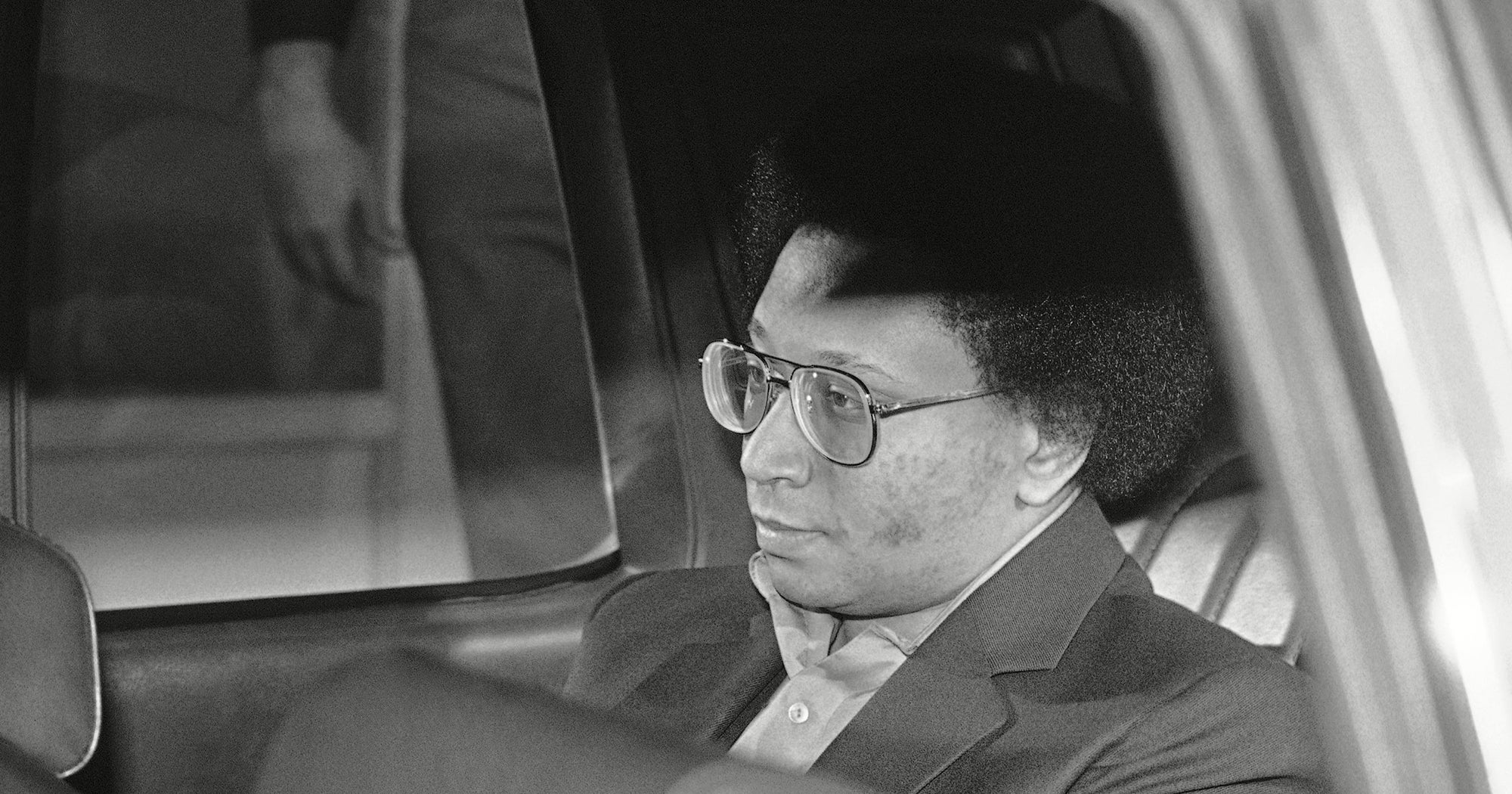
On May 22, 1981, police officers stationed near the James Jackson Parkway Bridge over the Chattahoochee River heard a loud splash in the water below. They stopped a station wagon driven by Wayne Williams, a 23-year-old self-employed local music promoter and freelance photographer. Williams told police he was heading to a nearby town to scout a singer, but investigators considered his explanation suspicious. Two days later, the body of 27-year-old Nathaniel Cater was pulled from the river downstream from the bridge.
Subsequent forensic investigations focused intensely on Williams. Microscopic fiber and hair comparisons formed the cornerstone of the state's case against him. Prosecutors presented extensive expert testimony arguing that yellow-green nylon carpet fibers and violet-acetate dog hairs recovered from multiple victims' bodies matched items found inside Williams's home and automobile.
| Evidence Category | Description | Prosecution Significance | Defense Counter-Argument |
|---|---|---|---|
| Carpet Fibers | Yellow-green nylon fibers found on victims | Linked directly to carpet in Williams's bedroom | Common fiber type manufactured in high volume |
| Animal Hairs | Dog hair recovered from victim clothing | Matched DNA/microscopic profile of family dog | Widespread distribution and lack of individual specificity |
| Geographical Proximity | Sightings and vehicle stops near bodies | Established pattern of movement matching murders | Presence in public spaces is not proof of criminality |
| Behavioral Profile | FBI psychological profile of offender | Claimed profile matched Williams's background | Argued profile was generalized and subjective |
In November 1981, following a grueling two-month trial that captured international attention, a Fulton County jury convicted Wayne Williams of the murders of two adult men: Nathaniel Cater and Jimmy Ray Payne. Following the verdict, Atlanta Police Department officials officially attributed a large proportion of the remaining child murders to Williams, closing the active investigation into those specific cases without securing formal indictments for them.
Controversies, Doubts, and Reexaminations
Despite the conviction, controversy surrounding the Atlanta murders has never fully dissipated. From the outset, defense attorneys, civil rights advocates, and several victims' families expressed skepticism regarding the completeness of the prosecution's case. Critics pointed out that while Williams was convicted of killing two adult men, the vast majority of the victims attributed to him were young children—a departure from traditional serial killer behavior patterns, which typically do not shift demographics so drastically.
Over the decades, persistent questions regarding alternative suspects and unexamined evidence led to repeated calls for official reviews. Some investigators and family members theorized that Ku Klux Klan involvement or other extremist groups might have played a role in some of the killings, citing unpursued leads from the early investigation regarding white supremacist activity in Georgia. Furthermore, advances in forensic science prompted repeated legal motions by Williams's defense teams seeking DNA testing on preserved physical evidence.
In March 2019, Atlanta Mayor Keisha Lance Bottoms announced that the city would reopen the investigatory files, allowing law enforcement agencies and independent experts to reexamine available evidence using modern scientific techniques. This reexamination underscored the enduring cultural and emotional weight of the tragedy, demonstrating that the pursuit of complete transparency and accountability remains a priority for the city of Atlanta.
Frequently Asked Questions
How many victims were officially linked to the Atlanta murders?
While estimates varied during the height of the investigation, official consensus eventually recognized at least 28 victims, primarily African American children, adolescents, and young adults, killed between July 1979 and May 1981.
Was Wayne Williams convicted of killing the children?
No. Wayne Williams was formally tried and convicted in 1981 for the murders of two adult men, Nathaniel Cater and Jimmy Ray Payne. However, law enforcement authorities closed numerous child murder cases based on circumstantial and fiber evidence linking Williams to those victims.
What role did the FBI play in the investigation?
The FBI provided behavioral profiling, investigative task force leadership, forensic analysis, and surveillance support to local authorities in Atlanta, helping coordinate the massive influx of tips and evidence during 1980 and 1981.
Have modern DNA tests cleared or confirmed Wayne Williams's guilt?
Modern DNA testing efforts have been pursued intermittently by defense attorneys and prosecutors. While some tests on preserved hairs and fibers have yielded inconclusive results due to environmental degradation, debates over the reliability of the original 1981 fiber evidence continue.
Why did the investigation focus heavily on bridges?
Investigators noticed a pattern where several bodies were recovered near rivers and overpasses. This led the task force to establish round-the-clock surveillance on major bridges crossing the Chattahoochee River, which ultimately led to the traffic stop of Wayne Williams.
Next Steps and Historical Preservation
For researchers, journalists, and historians examining the Atlanta murders of 1979 to 1981, consulting primary archives—such as trial transcripts, GBI investigative reports, and contemporary journalism from the Atlanta Constitution—provides the most accurate foundation for analysis. Those seeking a deeper understanding of the human impact should explore documentaries, oral history projects, and official municipal records documenting the community resilience that sustained Atlanta through its darkest crisis.
Image Gallery
Select an image to open it in a new tab.





Akira Tanaka
International Academic Trends Correspondent
