Living in the Puget Sound Residential Region: A Comprehensive Guide to Pacific Northwest Life
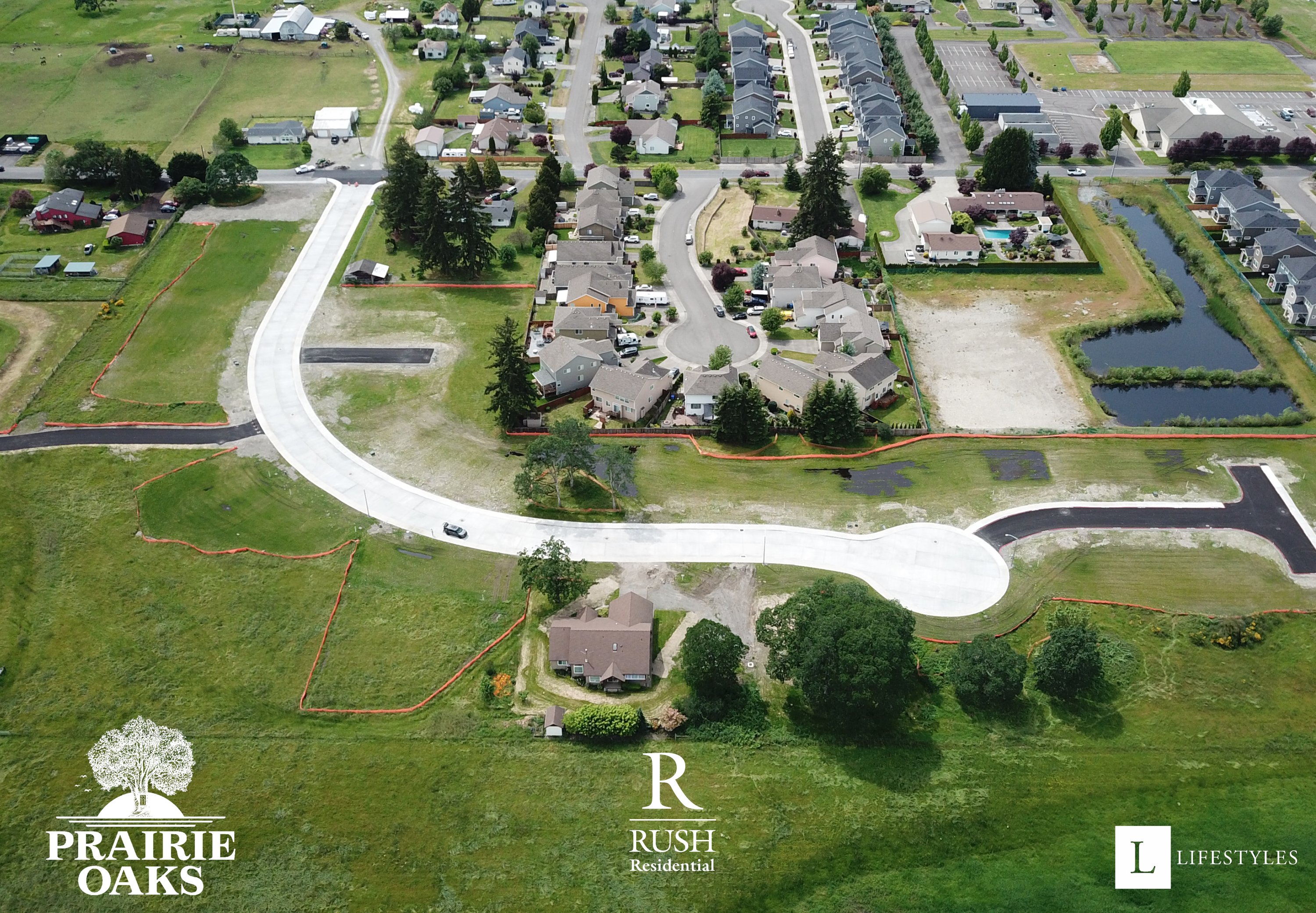
Living in the Puget Sound residential region offers a distinctive lifestyle defined by dramatic natural landscapes, a dynamic economy, and distinct subclimates across its diverse counties. Spanning the marine inlet of the Pacific Northwest in Washington State, this area combines vibrant metropolitan hubs with rugged coastal and mountain environments, presenting specific considerations for housing, climate adaptation, transportation, and daily living.
Choosing to make the Puget Sound residential region your home requires balancing the area's robust economic opportunities and recreational access with its high cost of living, damp climate, and intricate geography. From the dense urban neighborhoods of Seattle and Tacoma to the suburban expanses of King, Pierce, Snohomish, and Kitsap counties, daily life is deeply influenced by the surrounding waters of the Sound, the Cascade Mountains to the east, and the Olympic Mountains to the west.
Geographical Scope and Microclimates of the Puget Sound
The Puget Sound region encompasses a vast inland marine water system and the surrounding lowlands of western Washington. Understanding its geography is essential for prospective residents, as the region is not a monolith; rather, it is a collection of distinct counties and communities with their own unique environmental profiles.
Key Counties and Urban Centers
The core of the region is anchored by four primary counties:
- King County: The most populous county, featuring Seattle as its economic engine, alongside major suburban centers like Bellevue, Renton, and Kirkland.
- Pierce County: Located south of King County, centered around Tacoma, offering a blend of historic urban neighborhoods, military presence near Joint Base Lewis-McChord, and rural foothill communities.
- Snohomish County: Stretching north from Seattle toward the Cascade foothills and Skagit County, balancing industrial aerospace hubs in Everett with sprawling suburban and rural tracts.
- Kitsap County: Situated across the waters of the Sound on the Kitsap Peninsula, accessible primarily by state ferries or bridges, offering a more maritime, tight-knit community feel centered around Bremerton and Bainbridge Island.
The Myth and Reality of Local Weather
While the Pacific Northwest is universally known for rain, the Puget Sound microclimates create surprising regional variations. The region experiences a marine temperate climate characterized by mild summers and cool, wet winters. However, the rain shadow effect created by the Olympic Mountains significantly impacts precipitation.
Areas like Sequim on the Olympic Peninsula receive minimal rainfall, while locations like downtown Seattle average around 38 inches of rain annually—less in total volume than cities like Atlanta or New York, but distributed across a much higher number of overcast, drizzly days. Summers, by contrast, are generally dry, sunny, and temperate, with daytime temperatures hovering comfortably in the mid-70s to low 80s from July through September.
Housing, Real Estate, and Cost of Living Considerations
The Puget Sound residential real estate market is among the most dynamic and competitive in the United States, driven by tech, aerospace, healthcare, and biotech employment. Navigating housing here requires a clear grasp of inventory types, zoning regulations, and financial realities.
Housing Market Dynamics
Residential architecture ranges from classic mid-century modern ramblers and Craftsman bungalows to contemporary urban high-rise condominiums and waterfront estates. Because the region is geographically constrained by water, mountains, and strict state Growth Management Act (GMA) boundaries, urban sprawl is heavily regulated. This containment preserves green spaces and agricultural land but concentrates housing demand, leading to high property valuations across King and southern Snohomish counties.
Buyers moving from other states often find that suburban communities—such as Bothell, Issaquah, Puyallup, or Edmonds—offer varying trade-offs between commute times, property sizes, and home prices. Multi-family housing and townhomes have also proliferated in urban centers to accommodate density, while detached single-family homes remain highly sought after.
Cost of Living Breakdown
Beyond housing, the overall cost of living in the Puget Sound region runs significantly higher than the national average.
- Utilities: Electricity costs are relatively moderate, often supplied by public utility districts (PUDs) harnessing regional hydroelectric power.
- Taxes: Washington State has no state personal income tax, a factor that attracts many high earners. However, the state relies heavily on sales tax (often exceeding 10% in urban areas like Seattle) and property taxes, which vary by county.
- Goods and Services: Groceries, dining, and general services reflect the regional median income levels, which are bolstered by major employers headquartered in the area.
| Expense Category | Puget Sound Average vs. National Average | Primary Influencing Factors |
|---|---|---|
| Housing | Significantly Higher | Geographic constraints, GMA urban growth boundaries, high demand. |
| Utilities | Moderate to Low | Abundant regional hydroelectric power generation. |
| Taxes | Mixed (No Income Tax) | Zero state income tax offset by high local sales and property taxes. |
| Transportation | Higher | Regional fuel taxes, tolls on select bridges, and public transit fares. |
Transportation and Infrastructure
Getting around the Puget Sound requires navigating a complex network of highways, water crossings, and public transit systems shaped by the region's unique topography of hills, lakes, and marine channels.
Commuting and Regional Transit
For daily commuters, Interstate 5 serves as the main north-south artery, while Interstate 90 and State Route 520 cross Lake Washington via floating bridges to connect Seattle with the Eastside tech hubs of Bellevue and Redmond. Traffic congestion during peak hours is a well-known feature of regional life, making proximity to transit infrastructure a major priority for homebuyers.
The regional transit agency, Sound Transit, operates the Link light rail system, commuter rail (Sounder), and regional express buses, connecting downtown Seattle north to Lynnwood, south to Tacoma, and east across Lake Washington to Bellevue and Redmond. Additionally, the Washington State Ferries (WSF) system operates as an essential marine highway, carrying vehicles and foot passengers across the Sound between Seattle, Bainbridge Island, Bremerton, Vashon Island, and Whidbey Island.
Employment Economy and Industry Sectors
The Puget Sound economy is robust, diversified, and innovation-driven. It serves as a global economic powerhouse anchored by several dominant industry clusters:
- Technology: Home to global tech giants like Microsoft (Redmond) and Amazon (Seattle), alongside major engineering offices for Google, Meta, and Apple, creating a deep pool of tech and data science employment.
- Aerospace and Advanced Manufacturing: Centered heavily around Boeing and its extensive supply chain in Snohomish and Pierce counties, alongside emerging space exploration and defense contractors.
- Healthcare and Biotechnology: Renowned institutions like the University of Washington Medicine, Fred Hutchinson Cancer Center, and numerous regional health networks anchor a thriving life sciences sector.
- Maritime and Global Trade: The Ports of Seattle and Tacoma—combined as the Northwest Seaport Alliance—represent a premier gateway for international trade, commercial fishing, and maritime logistics.
Culture, Recreation, and Outdoor Lifestyle
The primary draw for many residents moving to the Puget Sound region is the unparalleled access to nature. The phrase "Pacific Northwest lifestyle" typically denotes a seamless blend of sophisticated urban culture and rugged outdoor recreation.
Outdoor Recreation
Residents have immediate access to world-class natural playgrounds:
- Water Sports: Kayaking, paddleboarding, sailing, and powerboating on the Sound, Lake Washington, and Lake Union.
- Hiking and Mountaineering: Trails in the Cascade Mountains (such as Snoqualmie Pass and Mount Rainier National Park) and the Olympic Peninsula offer everything from gentle forest walks to technical alpine climbs.
- Winter Sports: Skiing and snowboarding are accessible within a 1-to-2-hour drive at resorts like Summit at Snoqualmie, Crystal Mountain, and Stevens Pass.
Arts, Cuisine, and Community
Urban centers feature vibrant arts communities, including the Seattle Symphony, Pacific Northwest Ballet, and numerous independent theaters. The culinary scene draws heavily on Pacific Northwest ingredients, celebrated for fresh seafood (such as Dungeness crab, wild salmon, and oysters), farm-to-table dining, and an internationally influential coffee culture. Independent roasters and cafes line nearly every neighborhood block, reflecting a deep-rooted appreciation for specialty coffee.
Frequently Asked Questions About Living in the Puget Sound
How do residents manage the long, dark winters in the Puget Sound?
Winters in the region are characterized by short daylight hours and frequent overcast skies, with sunset occurring as early as 4:20 PM in December. Residents combat seasonal affective challenges by embracing outdoor activities year-round with appropriate waterproof gear, utilizing vitamin D supplementation, and participating in winter sports like skiing to enjoy the local mountain snowpacks.
Is car ownership mandatory for living in the Puget Sound?
While urban cores like downtown Seattle, Capitol Hill, and parts of Tacoma offer high walkability and robust transit options via light rail, buses, and rideshares, owning a car remains practically necessary for exploring the broader region, accessing trailheads, and living in suburban or peninsula communities.
What are the earthquake risks associated with the Puget Sound region?
The Puget Sound is an active seismic zone due to the Cascadia Subduction Zone and local fault lines like the Seattle Fault. Modern residential construction and retrofitting programs adhere to strict seismic building codes to enhance structural resilience, and local emergency management agencies actively provide disaster preparedness resources for residents.
How does the public school system perform across the region?
School district quality varies considerably by municipality and neighborhood. Suburban districts in areas like Bellevue, Lake Washington, Northshore, and Bainbridge Island consistently rank well in state academic metrics, while urban districts feature specialized magnet schools, alternative programs, and comprehensive neighborhood options.
What type of clothing is essential for everyday life here?
Layering is the cornerstone of Pacific Northwest wardrobes. Essential items include a high-quality waterproof and breathable rain jacket, comfortable waterproof footwear for walking, fleece or wool mid-layers for fluctuating temperatures, and sunglasses for bright summer months. Heavy winter parkas are rarely necessary in the lowlands due to the mild marine temperatures.
Next Actions for Prospective Residents
If you are planning a relocation to the Puget Sound residential region, begin by identifying your priorities regarding commute times versus housing space. Explore specific county tax structures, research individual school districts if you have children, and visit during the late fall or winter months to experience the regional climate firsthand before committing to a neighborhood.
Image Gallery
Select an image to open it in a new tab.
Akira Tanaka
International Academic Trends Correspondent
