Understanding the Core Concepts: What Is a Pessimist and an Optimist
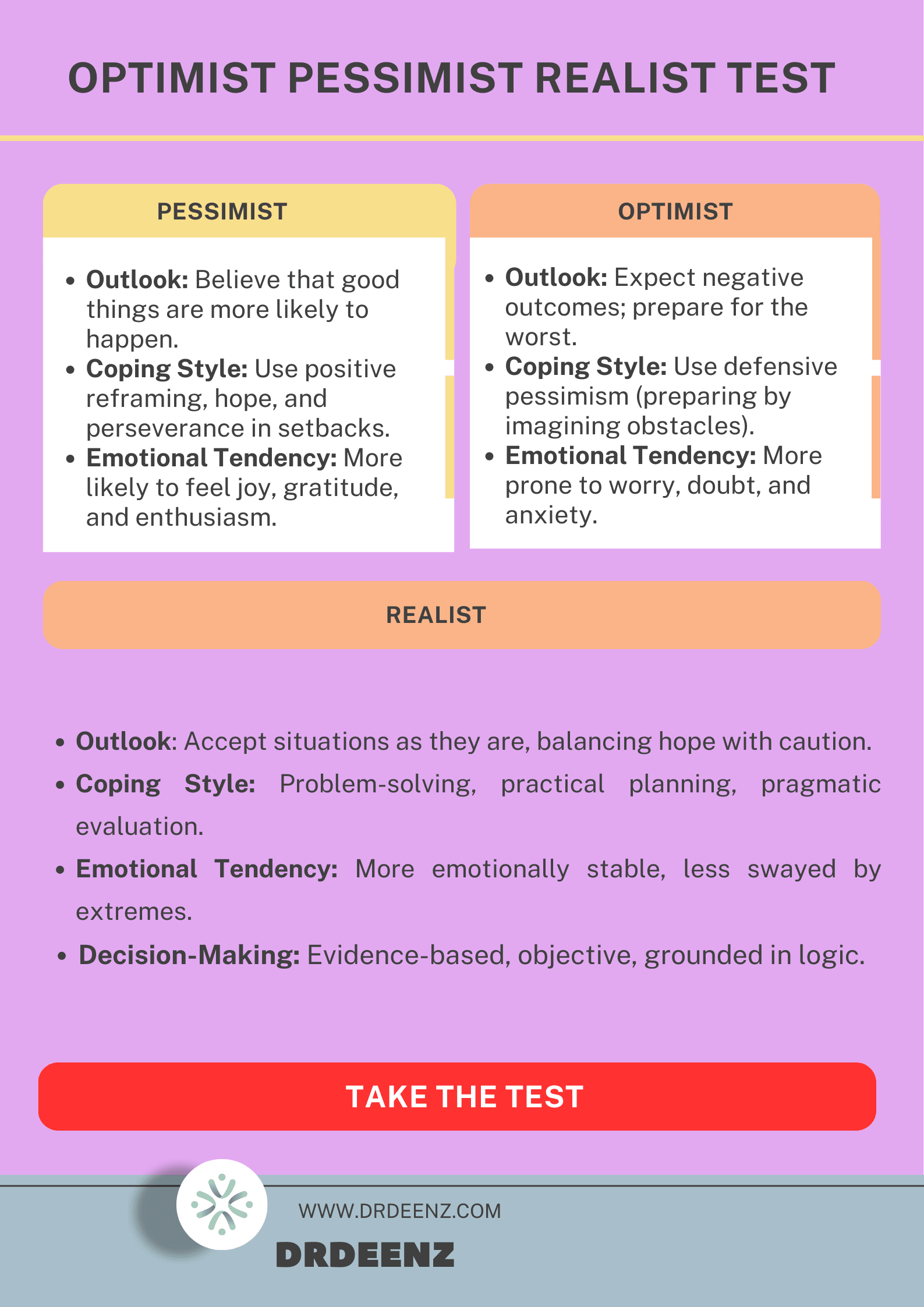
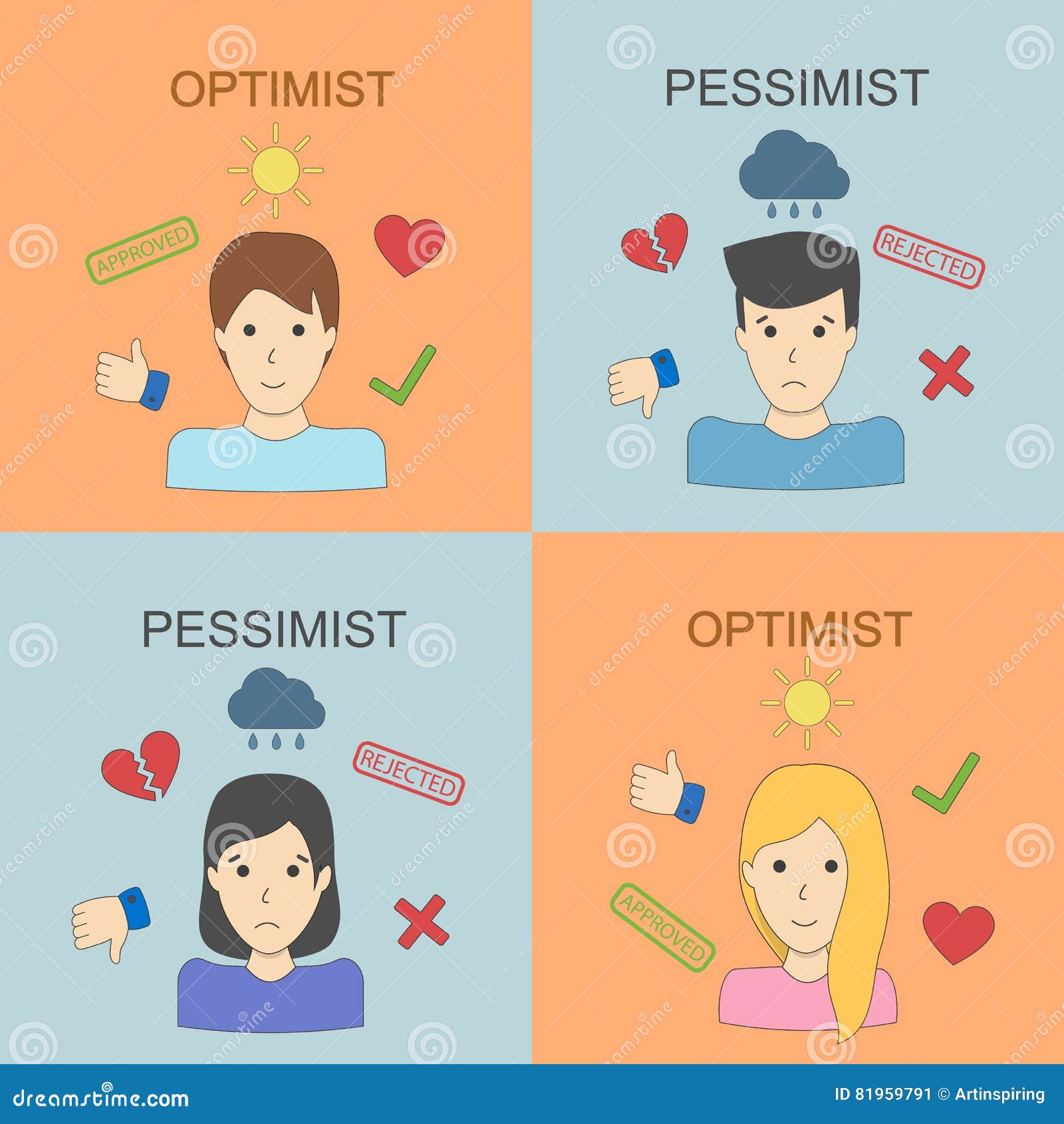
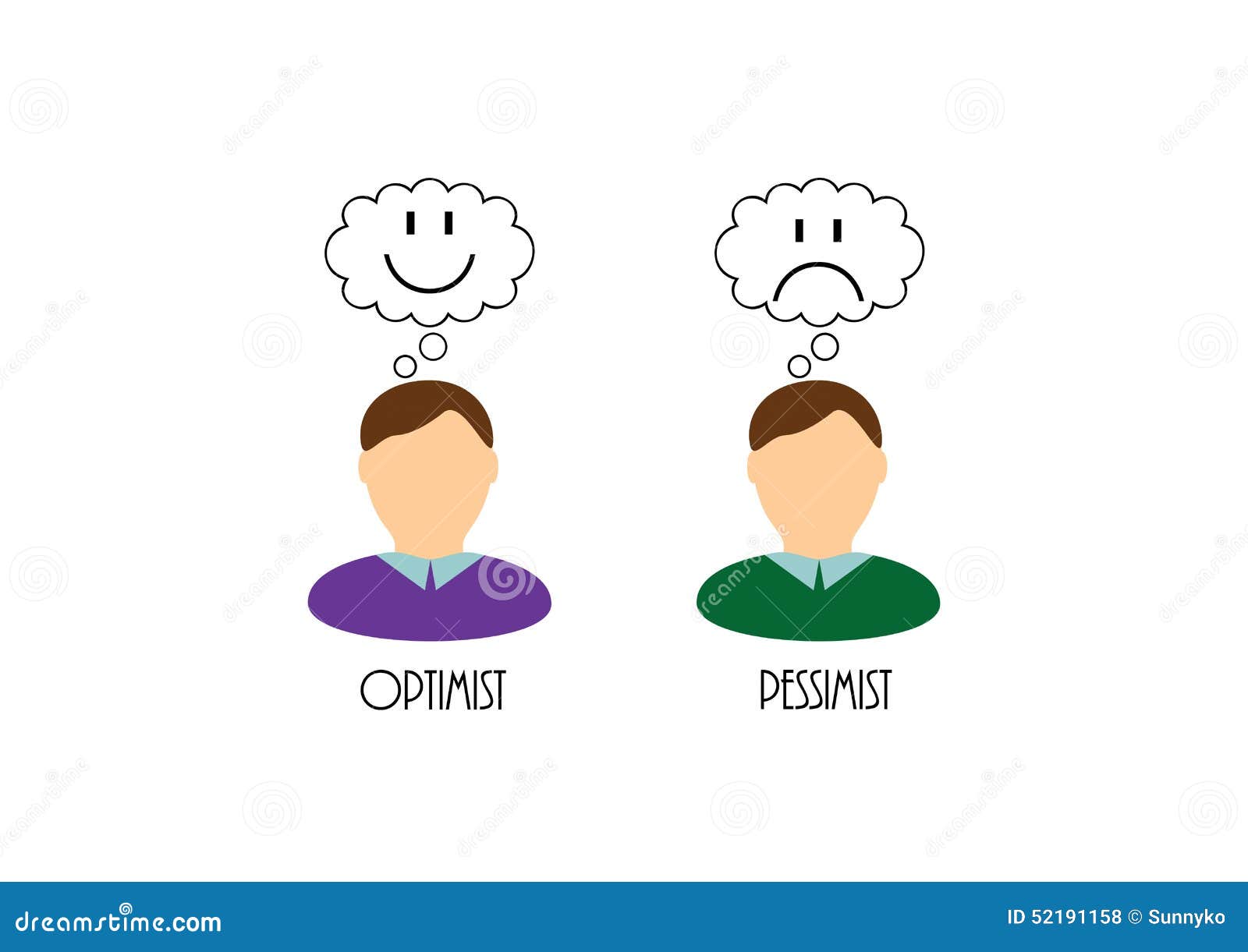
An optimist is an individual who predominantly expects favorable outcomes, interprets setbacks as temporary and specific, and views challenges as opportunities for growth. Conversely, a pessimist tends to anticipate unfavorable results, perceives difficulties as permanent and pervasive, and often views obstacles as proof of inherent limitations or impending failure.
Human psychology is fundamentally shaped by how individuals perceive, interpret, and respond to the world around them. Among the most enduring cognitive frameworks used to categorize these perspectives are optimism and pessimism. Far beyond simple positive or negative thinking, these mindsets represent deeply rooted cognitive styles that influence decision-making, emotional well-being, physical health, and interpersonal relationships.
Examining what defines an optimist and a pessimist requires exploring the underlying psychological mechanisms, behavioral patterns, and real-world implications of each orientation. Rather than viewing these traits as rigid, binary opposites, contemporary psychological science often frames them as a spectrum. Understanding where individuals fall on this spectrum provides valuable insight into human behavior, stress management, and long-term adaptation.
Defining the Optimist: Core Traits and Cognitive Styles
An optimist is characterized by a generalized, stable expectation that good things will happen across various domains of life. Psychologists often distinguish between two primary forms of optimism: dispositional optimism and explanatory style.
Dispositional optimism, a concept popularized by psychologists like Michael Scheier and Charles Carver, treats optimism as a stable personality trait. Dispositional optimists generally believe that the future will be favorable because they possess personal agency and because external circumstances tend to work out for the best.
When examining the cognitive style of an optimist through the lens of explanatory style—a framework developed by psychologist Martin Seligman—optimists exhibit a specific pattern of attribution when confronting negative events. They interpret setbacks using three specific dimensions:
- Temporality: Optimists view bad events as temporary and time-limited. A failed project is seen as a bad day or a specific hurdle, not an endless streak of failure.
- Specificity: They isolate setbacks, believing the negative outcome is specific to a particular context rather than reflective of their entire life or capabilities.
- Externality: While taking accountability for their actions, optimists recognize when external factors, bad timing, or systemic variables contribute to a failure, preventing unwarranted self-blame.
Behavioral Manifestations of Optimism
Optimists are statistically more likely to engage in active, problem-focused coping strategies. Because they believe their actions can influence future outcomes, they tend to confront stressors directly, seek out practical solutions, and mobilize social support networks when necessary. This proactive stance often translates into higher persistence in the face of obstacles, as the anticipated reward or successful resolution serves as a strong motivational driver.
Defining the Pessimist: Core Traits and Cognitive Styles
A pessimist is characterized by the chronic expectation that unfavorable outcomes are more likely than favorable ones. Like optimism, pessimism is rooted in distinct cognitive patterns and explanatory styles that dictate how an individual processes environmental cues and life events.
Pessimists utilize an explanatory style that directly contrasts with that of optimists. When faced with adversity, pessimists typically interpret events through a lens of permanence, universality, and personalization:
- Permanence: Pessimists view negative events as permanent and enduring. If a relationship ends or a business venture fails, they believe the situation will never improve and that similar outcomes are inevitable in the future.
- Universality: They generalize specific failures across all domains of life. A professional setback is interpreted not just as a poor work performance, but as evidence of personal incompetence, social awkwardness, and general inadequacy.
- Personalization: Pessimists tend to internalize negative outcomes, attributing them entirely to their own permanent flaws rather than recognizing external or situational variables.
Behavioral Manifestations of Pessimism
The behavioral consequences of pessimism vary depending on whether the individual exhibits defensive pessimism or hopeless pessimism. Defensive pessimism is a cognitive strategy where individuals set low expectations and mentally rehearse all potential worst-case scenarios. Paradoxically, this anxiety is used as motivation to work harder and prepare exhaustively to avoid failure.
In contrast, hopeless pessimism leads to passivity, resignation, and withdrawal. When individuals believe that no amount of effort will alter a negative outcome, they are prone to learned helplessness—a state where they stop trying even when opportunities for change are available.
Comparative Analysis: Optimism vs. Pessimism
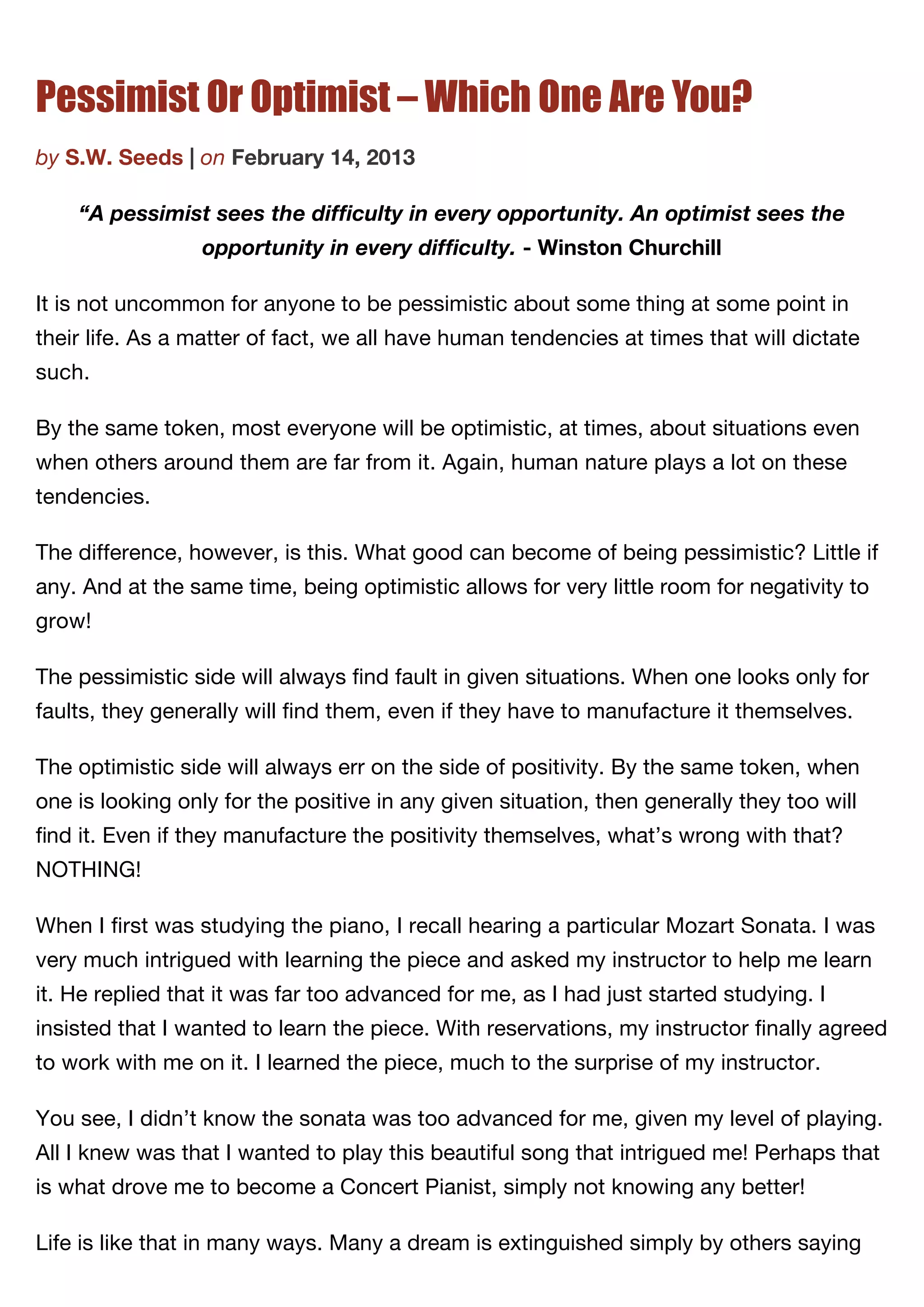
To fully grasp the psychological divergence between these two mindsets, it is helpful to examine how an optimist and a pessimist process identical scenarios. The following table highlights the core operational differences in their cognitive and behavioral approaches.
| Psychological Dimension | The Optimist | The Pessimist |
|---|---|---|
| Primary Expectation | Anticipates favorable outcomes and future success. | Anticipates unfavorable outcomes and potential failure. |
| View of Setbacks | Temporary, isolated, and surmountable challenges. | Permanent, pervasive, and reflective of deep flaws. |
| Coping Mechanism | Active, problem-focused coping; seeking practical solutions. | Avoidance, defensive preparation, or learned helplessness. |
| Stress Response | Lower chronic stress; views stress as manageable. | Higher physiological reactivity; chronic worry and anxiety. |
| Risk Assessment | Tends to focus on potential rewards and upside gains. | Tends to focus on potential risks, losses, and downsides. |
The Nuance of Realism: Defensive Pessimism and Flexible Thinking
Popular culture often paints optimism as universally beneficial and pessimism as entirely detrimental. However, clinical and cognitive psychology reveals a much more nuanced reality. Neither extreme represents a flawless approach to navigating the complexities of human existence.
Defensive pessimism, studied extensively by psychologist Julie Norem, demonstrates that negative expectations can serve a functional purpose for certain individuals. An anxious person who anticipates every possible failure is compelled to plan meticulously, rehearse presentations thoroughly, and build robust safety nets. For these individuals, forcing an overly optimistic mindset can disrupt their preparation ritual and lead to higher anxiety and poorer performance.
Furthermore, absolute, ungrounded optimism can sometimes border on toxic positivity or cognitive distortion. Expecting positive outcomes without acknowledging real risks can lead to poor financial decisions, inadequate preparation for crises, and a dismissal of legitimate warning signs.
This has led researchers to value realistic optimism or flexible thinking. Realistic optimists maintain a generally positive outlook regarding their long-term goals and capabilities, but they remain clear-eyed, objective, and analytical about immediate obstacles, risks, and short-term failures. They harness the motivational drive of optimism while retaining the analytical caution traditionally associated with pessimism.
Health, Well-Being, and Lifespan Implications
Extensive research in behavioral medicine and positive psychology has investigated the physiological and psychological correlates of habitual optimism and pessimism. The findings indicate that these cognitive styles have tangible impacts on human biology.
Cardiovascular and Immune Function
Optimism has consistently been linked to better cardiovascular health and enhanced immune system functioning. Longitudinal studies indicate that individuals with high dispositional optimism have a lower incidence of cardiovascular events, such as myocardial infarction, and faster recovery rates following surgery. This resilience is often attributed to lower levels of systemic inflammation, reduced cortisol reactivity to stress, and healthier lifestyle habits, such as regular exercise and balanced nutrition.
Conversely, chronic pessimism and the associated rumination can keep the sympathetic nervous system in a prolonged state of hyper-arousal. Elevated levels of stress hormones over extended periods can contribute to hypertension, weakened immune response, and a higher vulnerability to stress-related disorders.
Mental Health Outcomes
The link between pessimism and clinical depression is well-documented. The pessimistic explanatory style—attributing negative events to internal, stable, and global factors—is a core component of the cognitive model of depression developed by Aaron Beck. When individuals believe they are helpless and that their circumstances will never improve, their risk of developing depressive symptoms increases significantly. Optimism, meanwhile, acts as a psychological buffer, fostering psychological resilience and protecting against burnout during periods of intense chronic stress.
Practical Guidance: Cultivating a Balanced Perspective
While temperament and personality have genetic and environmental baselines, cognitive styles are not entirely fixed. Neuroplasticity allows individuals to retrain their cognitive habits through conscious effort and targeted psychological techniques. Those who find themselves trapped in chronic pessimism can take deliberate steps to develop a more constructive, balanced outlook.
- Cognitive Restructuring: Borrowed from Cognitive Behavioral Therapy (CBT), this technique involves identifying automatic negative thoughts, examining the evidence for and against them, and consciously reframing them into more balanced statements. Instead of thinking, "I always ruin everything," reframe the thought to, "This specific approach did not work; what can I adjust for the next attempt?"
- Practicing Gratitude: Regularly documenting specific, positive occurrences helps counteract the brain's natural negativity bias. This trains the nervous system to notice favorable outcomes and incremental progress.
- Focusing on Controllables: When facing a crisis, list the aspects of the situation you can directly influence versus those outside your control. Directing energy exclusively toward actionable steps reduces feelings of helplessness.
- Engaging in Realistic Planning: Adopt elements of defensive pessimism constructively by anticipating obstacles, but pair them immediately with concrete, step-by-step contingency plans rather than unstructured worry.
By understanding the distinct mechanics of what makes a pessimist and an optimist, individuals can better evaluate their own cognitive habits. Moving toward flexible, realistic thinking allows one to balance the protective caution of the pessimist with the proactive resilience of the optimist.
Image Gallery
Select an image to open it in a new tab.





Celine Dubois
Contemporary Living and Global Arts Columnist
