The case of Melanie McGuire, often referred to as the "Suitcase Killer," remains one of the most analyzed forensic investigations in American history. Central to the narrative is her extramarital affair with her employer, Dr. Bradley Miller, which many believe provided the primary motive for the 2004 murder of her husband, William "Bill" McGuire. As of 2026, over two decades since the crime occurred, public interest persists, fueled by podcasts and documentaries that often blur the line between verified court testimony and speculative theory.
To understand the reality of the case, one must distinguish between the interpersonal drama of a workplace affair and the criminal evidence presented in the New Jersey Superior Court. While Melanie McGuire is currently serving a life sentence at the Edna Mahan Correctional Facility for Women, Dr. Bradley Miller was never charged with a crime. This article provides a factual debunking of the most common myths surrounding their relationship, Miller’s alleged involvement, and the forensic realities of the investigation.
The Context of the 2004 "Suitcase Murder" Case
In late April 2004, the dismembered remains of William McGuire were found in three Kenneth Cole suitcases that washed up along the Chesapeake Bay. The subsequent investigation revealed a chilling timeline. Melanie McGuire, a registered nurse at the Reproductive Medicine Associates of New Jersey (RMANJ), was found to have purchased a .357 Magnum handgun just days before the murder and possessed sedatives similar to those found in Bill's system.
Dr. Bradley Miller entered the public eye as the "other man." As a partner at the fertility clinic where Melanie worked, their affair became a focal point for the prosecution. However, the media's portrayal of Miller often suggested a "Bonnie and Clyde" dynamic that the evidence simply did not support. To debunk the myths, we must look at the specific legal findings and the testimonies provided during the 2007 trial.
Myth 1: Dr. Bradley Miller Was a Co-Conspirator or Accomplice
The most persistent myth is that Dr. Bradley Miller helped plan or execute the murder of Bill McGuire. Because the dismemberment of the body was described by forensic experts as "surgical" or "precisely executed," many early observers assumed a medical doctor must have been involved.
The Forensic Reality of the Dismemberment
While the term "surgical" was used in media reports, the actual forensic evidence suggested a far more rudimentary process. The prosecution argued that as a nurse, Melanie McGuire had sufficient anatomical knowledge to perform the dismemberment. Furthermore, the tool used was a standard Sawzall or similar power saw, not specialized surgical instruments.
Miller’s Lack of Physical Evidence
During the exhaustive investigation, law enforcement found no physical evidence—DNA, fingerprints, or digital footprints—linking Dr. Miller to the crime scene at the McGuires' Woodbridge apartment or the disposal site at the Chesapeake Bay. Miller’s whereabouts were accounted for, and he cooperated fully with the New Jersey State Police.
Testimony as a Witness
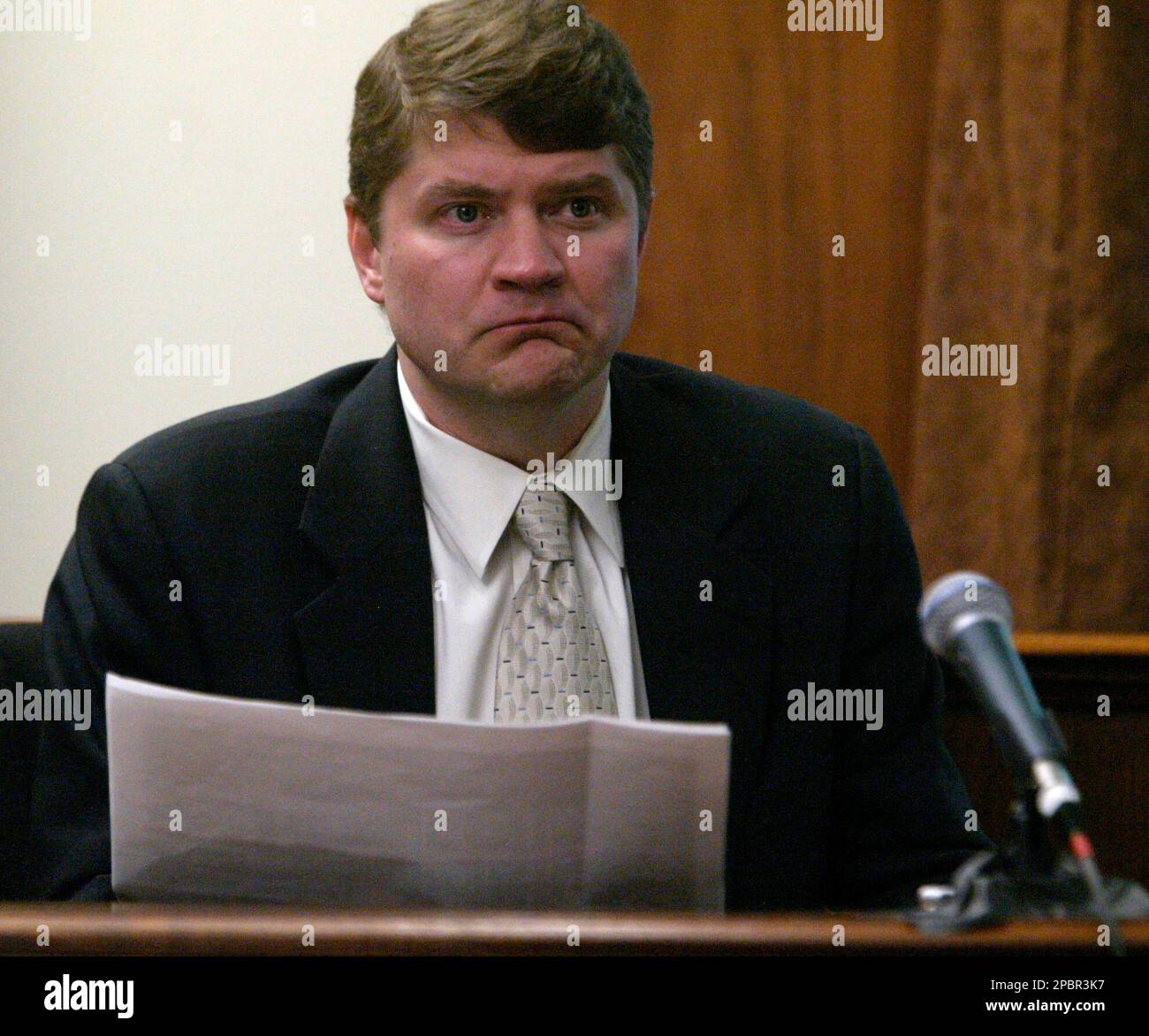
In a courtroom setting, an accomplice is usually charged or offered immunity in exchange for testimony. Dr. Miller was never a defendant. He was called as a witness for the prosecution to establish Melanie’s state of mind and the nature of their relationship. His testimony actually damaged Melanie’s defense, as he detailed her desire to start a new life with him, which provided the "motive" element of the State's case.
Myth 2: The Sedatives Used Came Directly from Miller’s Prescription Pad
A common misconception is that Dr. Miller knowingly provided the chloral hydrate—a powerful sedative found in Bill McGuire’s toxicology report—to Melanie for the purpose of the murder.
Access at the Fertility Clinic
As a nurse at a high-volume fertility clinic, Melanie McGuire had direct access to a variety of medications and medical supplies. The investigation showed that chloral hydrate was present at the clinic. It was not necessary for Dr. Miller to write a fraudulent prescription or hand over the drugs; Melanie’s professional role granted her the opportunity to divert medications without a doctor’s direct involvement or knowledge.
The Pharmacy Paper Trail
There was evidence presented at trial regarding a "fictitious" prescription, but it was linked back to Melanie’s actions rather than a collaborative effort with Miller. The prosecution’s theory was that Melanie used her professional expertise to acquire the drugs, intending to incapacitate Bill before shooting him. This maneuver was a solo act of deception, not a joint medical malpractice.
Myth 3: The Current Relationship Status of Miller and McGuire
True crime enthusiasts frequently speculate that Miller and McGuire remained in contact or that their "love" survived the trial. Some myths even suggest Miller has been funding her legal appeals or visiting her in prison.
The Immediate Severing of Ties
The reality is that the relationship ended almost immediately after the investigation focused on Melanie. During his 2007 testimony, Dr. Miller was visibly uncomfortable and sought to distance himself from the defendant. He described the affair as a mistake and indicated that his priority was his family and his professional standing.
Miller’s Life Post-Trial
As of 2026, Dr. Bradley Miller has remained out of the public eye. He continued his career in medicine, though he left the specific practice where the affair occurred. There is no evidence of correspondence, financial support, or visitation between the two. Melanie McGuire has spent the last two decades focusing on her appeals—most notably the "Proclamation of Innocence" podcast initiatives—while Miller has moved on to a private life, far removed from the "Suitcase Killer" narrative.
Myth 4: Dr. Miller Had Foreknowledge of the Crime
Another theory suggests that while Miller might not have helped, he "knew it was coming." This is often based on the idea that Melanie would have told her lover about her plans to leave her husband.
Motive vs. Intent
It is a documented fact that Melanie and Miller discussed a future together. They even looked at homes. However, discussing a divorce and a new life is legally and practically distinct from planning a homicide. Miller testified that he believed Melanie was going through a standard, albeit messy, divorce process.
The "Panic" Reactions
Miller’s behavior following Bill’s disappearance also debunks the foreknowledge myth. Records of their communications showed that Miller was often confused by Melanie’s erratic behavior during the days Bill was missing. Had he been "in on it," their communications would likely have been more coordinated or characterized by a shared narrative. Instead, Melanie was the one feeding Miller stories about Bill’s supposed gambling debts and "disappearing acts."
Myth 5: The Case Was Entirely Circumstantial Without Direct Evidence
Critics of the conviction often claim that because no one saw the murder and there was no "smoking gun" directly linked to Melanie in the act of shooting, the case is built on myths and coincidences involving her affair with Miller.
The Weight of Forensic Evidence
While the affair with Miller provided the "Why," the forensic evidence provided the "How." To debunk the myth of a "weak" case, one must look at the physical evidence that had nothing to do with Dr. Miller:
- The Green Towels: Fibers from green towels found with the body matched towels found in the McGuire home.
- The Suitcases: The Kenneth Cole suitcases were identified as part of a set owned by the McGuires.
- EZ Pass Records: Melanie’s EZ Pass was recorded at the Delaware Memorial Bridge at a time that coincided with the disposal of the body.
- Ballistics: The bullets recovered from Bill’s body were matched to the type of ammunition Melanie had purchased alongside her .357 Magnum.
Comparison Table: Myth vs. Verified Fact
| Subject | Common Myth | Verified Fact (Court Record/Evidence) |
|---|---|---|
| Miller's Role | He helped dismember the body using surgical tools. | No physical evidence linked Miller to the scene; a power saw was used. |
| The Weapon | Miller provided the gun or the money for it. | Melanie purchased the .357 Magnum in Pennsylvania using her own ID and funds. |
| The Drugs | Miller wrote a prescription for Chloral Hydrate. | Melanie had access to clinic supplies; she diverted the drugs independently. |
| Communication | They planned the murder via secret emails. | Communications showed Melanie misled Miller about Bill's whereabouts. |
| Post-Trial | They remain in a secret relationship. | Ties were severed in 2005; Miller testified against her as a witness. |
Evaluating the Persistence of These Myths
Why do myths about Dr. Bradley Miller and Melanie McGuire continue to circulate in 2026? Much of it stems from the "Fatal Attraction" trope that the media found irresistible in the mid-2000s. A beautiful nurse, a successful doctor, and a gruesome murder created a tabloid-friendly story that favored drama over the dry reality of forensic science.
Furthermore, Melanie McGuire’s continued insistence on her innocence has led to various "alternative theories." These theories often require a secondary actor—a "real killer"—and because Dr. Miller was the most visible person in her life outside of her husband, he becomes the most convenient target for speculation. However, the New Jersey appellate courts have repeatedly upheld her conviction, noting that the evidence against her was "overwhelming."
Legal and Ethical Implications for Dr. Bradley Miller
It is important to note the distinction between moral failing and criminal guilt. Dr. Bradley Miller was widely criticized for engaging in an affair with a subordinate and a married woman. This behavior was unprofessional and, for many, ethically reprehensible. However, the legal system distinguishes between an unfaithful partner and a murderer.
The debunking of these myths is essential not just for historical accuracy, but for understanding how the legal system functions. The prosecution utilized Miller to establish the timeline and the motive, but they never attempted to paint him as a killer because the evidence simply wasn't there. In the eyes of the law, Miller was a witness to a crumbling marriage and a woman’s desperation, but he was not an architect of death.
Frequently Asked Questions
Was Dr. Bradley Miller ever a suspect?
Yes, in the early stages of the investigation, the New Jersey State Police looked at everyone close to Melanie McGuire. However, he was quickly cleared of any physical involvement in the homicide due to a lack of forensic evidence and a confirmed alibi for critical windows of time.
Did Melanie McGuire try to frame Dr. Miller?
While she didn't directly frame him for the murder, her defense team attempted to suggest that other people had more motive or opportunity to kill Bill. However, the strategy largely failed because the physical evidence (the gun purchase, the EZ Pass, and the suitcases) pointed exclusively to her.
What happened to the fertility clinic (RMANJ)?
The clinic continued to operate and remains a leading institution in reproductive medicine. The scandal was treated as a private matter involving two employees, and the clinic cooperated with law enforcement during the 2004–2007 period.
Can Melanie McGuire still appeal her case in 2026?
By 2026, most of Melanie McGuire’s standard direct appeals and Post-Conviction Relief (PCR) petitions have been exhausted. Any new appeal would require significant "newly discovered evidence," which, to date, has not materialized.
Why was the dismemberment called "surgical" if it wasn't?
The term "surgical" was a descriptive adjective used by the media to convey the neatness of the task, which led the public to assume a surgeon was involved. Forensic pathologists later clarified that while the work was methodical, it did not require the skills of a surgeon—only basic anatomical knowledge and the right tools.
Practical Recommendation for Further Research
For those seeking to verify the facts of the case and move beyond internet myths, the most reliable source remains the New Jersey Courts Public Records. Specifically, the appellate division's rulings on State of New Jersey v. Melanie McGuire provide an exhaustive summary of the evidence, the trial testimony of Dr. Bradley Miller, and the forensic justifications for the verdict.
When consuming true crime media, listeners should look for "primary source" citations. If a podcast or article claims Dr. Miller was involved without citing specific trial transcripts or police reports, it is likely engaging in the same speculation that has kept these myths alive for over twenty years.
Image Gallery
Select an image to open it in a new tab.
Simon Caldwell
Enterprise Technology and Systems Editor
