Comprehensive Guide to Auto Insurance in 2025: Rates, Technology, and Coverage Trends
In 2025, auto insurance markets faced continued pressure from high repair costs and advanced vehicle technology, with average annual premiums for full coverage stabilizing around $2,400 in the United States. Key developments included the near-universal adoption of telematics and adjusted risk modeling for electric vehicles and autonomous safety features.
The Economic Landscape of Auto Insurance in 2025
The 2025 calendar year represented a period of "sticky" inflation within the insurance sector. While broader consumer price indices began to cool in late 2024, the specific inputs for auto insurance—namely automotive parts, specialized labor, and medical costs—remained elevated. Understanding why premiums stayed high requires a look at the supply chain and the labor market.
Insurance carriers in 2025 continued to grapple with the rising cost of "totaling" a vehicle. As used car prices stabilized, the gap between a high-cost repair and the actual cash value of the vehicle narrowed. Consequently, insurers were quicker to declare vehicles a total loss, particularly when high-voltage batteries in electric vehicles (EVs) or sophisticated sensor arrays in internal combustion engine (ICE) vehicles were compromised.
Furthermore, "social inflation" became a primary driver of rate hikes. This term refers to the rising costs of insurance claims resulting from societal trends, such as increased litigation and larger jury awards for personal injury. In 2025, many states saw a surge in legal representation for even minor collisions, forcing insurers to increase their liability reserves, which was directly passed on to policyholders through higher base rates.
The Impact of Advanced Driver Assistance Systems (ADAS)
By 2025, Advanced Driver Assistance Systems (ADAS), such as automatic emergency braking, lane-keeping assist, and blind-spot monitoring, became standard on nearly all new vehicles. While these technologies are designed to reduce the frequency of accidents, they have paradoxically increased the severity of repair costs.
A minor front-end collision that might have cost $1,500 to repair a decade ago often exceeded $5,000 in 2025. This is because the front bumper is no longer just a piece of plastic and foam; it houses radar sensors, ultrasonic park assist sensors, and often cameras that require precise calibration. The National Highway Traffic Safety Administration (NHTSA) has monitored these safety outcomes, noting that while fatal crashes have seen a downward trend in certain segments, the technical complexity of modern vehicles has created a new floor for insurance premiums.
Calibration is the "hidden" cost of 2025 insurance claims. After a windshield replacement or a body repair, sensors must be re-synchronized with the vehicle’s central computer. This requires specialized equipment and software, often proprietary to the manufacturer, leading to higher labor rates at certified repair facilities.

Telematics and Usage-Based Insurance (UBI) as the Standard
The year 2025 marked the definitive shift from traditional "class-based" underwriting to "individual-based" underwriting through telematics. Usage-Based Insurance (UBI) programs, which monitor driving habits via smartphone apps or factory-installed hardware, moved from being an optional discount to a primary method of policy pricing.
Drivers in 2025 were increasingly categorized by their "driving score," a metric derived from:
- Braking Events: The frequency and intensity of hard braking.
- Acceleration: Smoothness of speed increases.
- Time of Day: Identifying high-risk windows, such as midnight to 4:00 AM.
- Cornering: Lateral G-forces during turns.
- Distracted Driving: Phone handling while the vehicle is in motion.
For the first time, major carriers began implementing "surcharges" for poor telematics data rather than just offering "discounts" for good behavior. This shift underscored the industry’s reliance on real-time data to mitigate the risks of distracted driving. Privacy concerns persisted, but the potential for 15% to 30% savings drove adoption rates above 60% for new policyholders in 2025.
The Electric Vehicle (EV) Insurance Paradox
Insuring an electric vehicle in 2025 remained 15% to 25% more expensive than insuring a comparable gasoline-powered vehicle. Several factors contributed to this discrepancy. First, the weight of EVs—driven by heavy battery packs—means that in a collision, they exert more force, often causing more damage to the other vehicle or property involved.
Second, the "repairability" of EV batteries remained a contentious issue. In 2025, even minor damage to an EV’s undercarriage could result in a total loss if the battery casing was breached, as many manufacturers did not yet offer modular battery repairs. This led to high comprehensive and collision payouts.
However, 2025 also saw the rise of manufacturer-branded insurance. Companies like Tesla and Rivian utilized their proprietary vehicle data to offer insurance directly to consumers, often undercutting traditional carriers by accurately measuring the safety benefits of their specific Autopilot or Driver+ systems.
Regulatory Changes and State-Specific Trends
The regulatory environment in 2025 was characterized by state departments of insurance attempting to balance carrier solvency with consumer affordability. In states like California and New Jersey, insurers faced long wait times for rate approval, leading some companies to restrict the number of new policies issued to maintain their required capital ratios.
Conversely, Florida underwent significant shifts following legislative reforms aimed at reducing "bad faith" litigation and assignment of benefits (AOB) abuse. While these reforms began in 2023 and 2024, their impact on premiums only began to manifest in 2025 as the backlog of old litigation cleared.
| Driver Category | Avg. Annual Premium (2025) | Primary Cost Driver |
|---|---|---|
| Clean Record (Age 35-55) | $2,150 - $2,400 | Vehicle Tech & Labor Rates |
| Teen Driver (Age 16-19) | $5,800 - $7,200 | High Frequency of Distracted Driving |
| EV Owner | $2,800 - $3,300 | Battery Replacement & Specialized Labor |
| High-Mileage Commuter | $2,600 - $3,100 | Increased Exposure & Telematics Risk |
| Senior Driver (Age 70+ ) | $2,300 - $2,700 | Medical Cost Inflation |
Essential Coverage Types and Limits in 2025
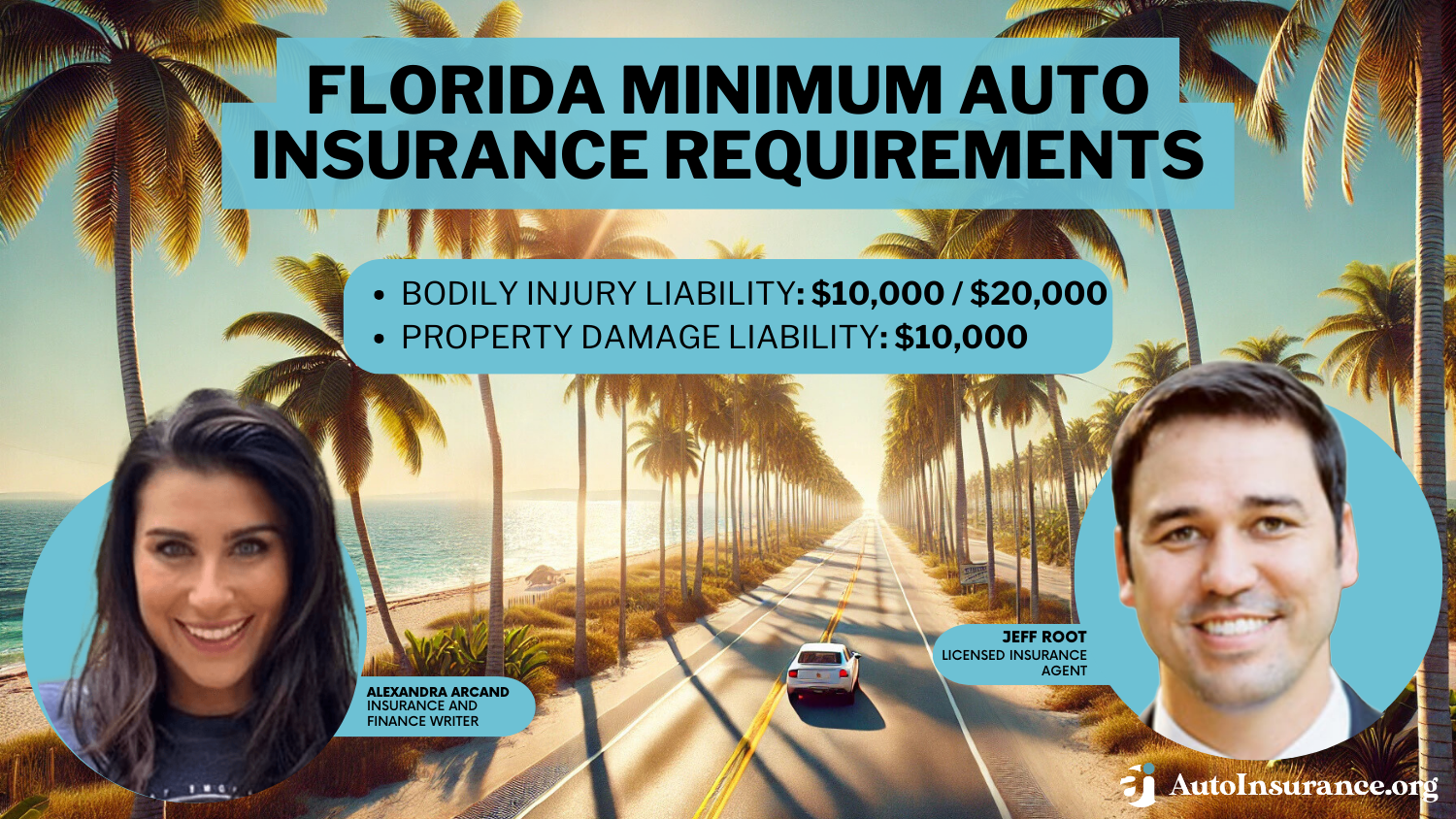
As vehicle values remained high in 2025, the "standard" 25/50/25 liability limits (representing $25,000 for bodily injury per person, $50,000 per accident, and $25,000 for property damage) were widely considered inadequate. With the average new car price exceeding $48,000, a $25,000 property damage limit could easily leave a driver personally liable for tens of thousands of dollars after a moderate accident.
Most financial advisors in 2025 recommended a minimum of 100/300/100 coverage. Additionally, the following coverages gained prominence:
- Gap Insurance: Essential for those who purchased vehicles during the high-price peaks of previous years, as it covers the difference between the car's value and the remaining loan balance.
- Uninsured/Underinsured Motorist (UM/UIM): As premiums rose, the number of uninsured drivers increased. UM/UIM coverage became a critical safeguard against being hit by a driver without sufficient policy limits.
- New Car Replacement: Because of rapid depreciation in certain EV segments, this rider ensured that if a car was totaled within the first two years, the owner would receive the value of a current-year model.
Claims Processing and AI Integration
The consumer experience of filing a claim changed drastically by 2025. Artificial Intelligence (AI) moved from the "experimental" phase to the "operational" phase. When an accident occurred, many policyholders were directed to upload 360-degree photos and videos of the damage through the insurer's app.
AI algorithms, trained on millions of previous crash images, could generate an initial repair estimate in minutes. While this accelerated the "photo-to-payment" timeline, it also led to friction when body shops discovered hidden damage that the AI could not see. This necessitated a secondary "supplemental" claim process, which remained a primary point of frustration for consumers in 2025.
Frequently Asked Questions
Why did my car insurance go up in 2025 even though I didn't have an accident?
Premiums are influenced by "group risk" and operational costs. In 2025, even if your record was clean, insurers raised rates to compensate for the rising costs of labor, vehicle parts, and the higher frequency of total losses across their entire pool of insured drivers. Furthermore, the increasing severity of weather-related claims—such as hail and flooding—affected comprehensive rates for everyone in high-risk regions.
Is telematics mandatory for car insurance in 2025?
While not legally mandatory, telematics has become functionally necessary for many drivers to achieve an affordable rate. Some "non-standard" or "high-risk" insurers began requiring telematics as a condition of coverage in 2025 to monitor risk more closely. For the average driver, opting out of telematics often resulted in being placed in a higher "base" rate tier.
Does insuring an electric vehicle still cost more than a gas car?
Yes, in 2025, EVs generally cost 15% to 25% more to insure. This is due to the specialized equipment needed for repairs, the high cost of battery components, and the lack of a robust secondary market for refurbished EV parts. As battery technology becomes more modular and repairable, this gap is expected to close, but it remained a reality for the 2025 policy year.
How do ADAS features like lane assist affect my 2025 premium?
ADAS features have a dual impact. They often qualify you for a small safety discount because they reduce the likelihood of a crash. However, they also increase the cost of any repairs that do occur. In 2025, the increased cost of repair usually outweighed the safety discount, leading to a net increase in premiums for high-tech vehicles.
What is the best way to lower auto insurance costs in 2025?
The most effective strategies in 2025 included shopping for a new policy every 12 months, increasing deductibles to $1,000 or $1,500, and bundling auto insurance with home or renters' policies. Additionally, maintaining a high credit score remained one of the strongest predictors of lower premiums in states where credit-based insurance scoring is permitted.
Practical Recommendation for 2026
If you are reviewing your coverage based on the 2025 market shifts, the most important action is to verify your Property Damage Liability limits. Given that the average vehicle on the road is now more technologically advanced and expensive than ever, the "minimum" state requirements are no longer sufficient to protect your assets. Aim for at least $100,000 in property damage coverage and consider a telematics-based policy if you are a low-mileage or cautious driver, as this remains the most direct way to bypass generalized rate increases.
Image Gallery
Select an image to open it in a new tab.


Declan O'Connor
Higher Education and Campus Culture Reporter
