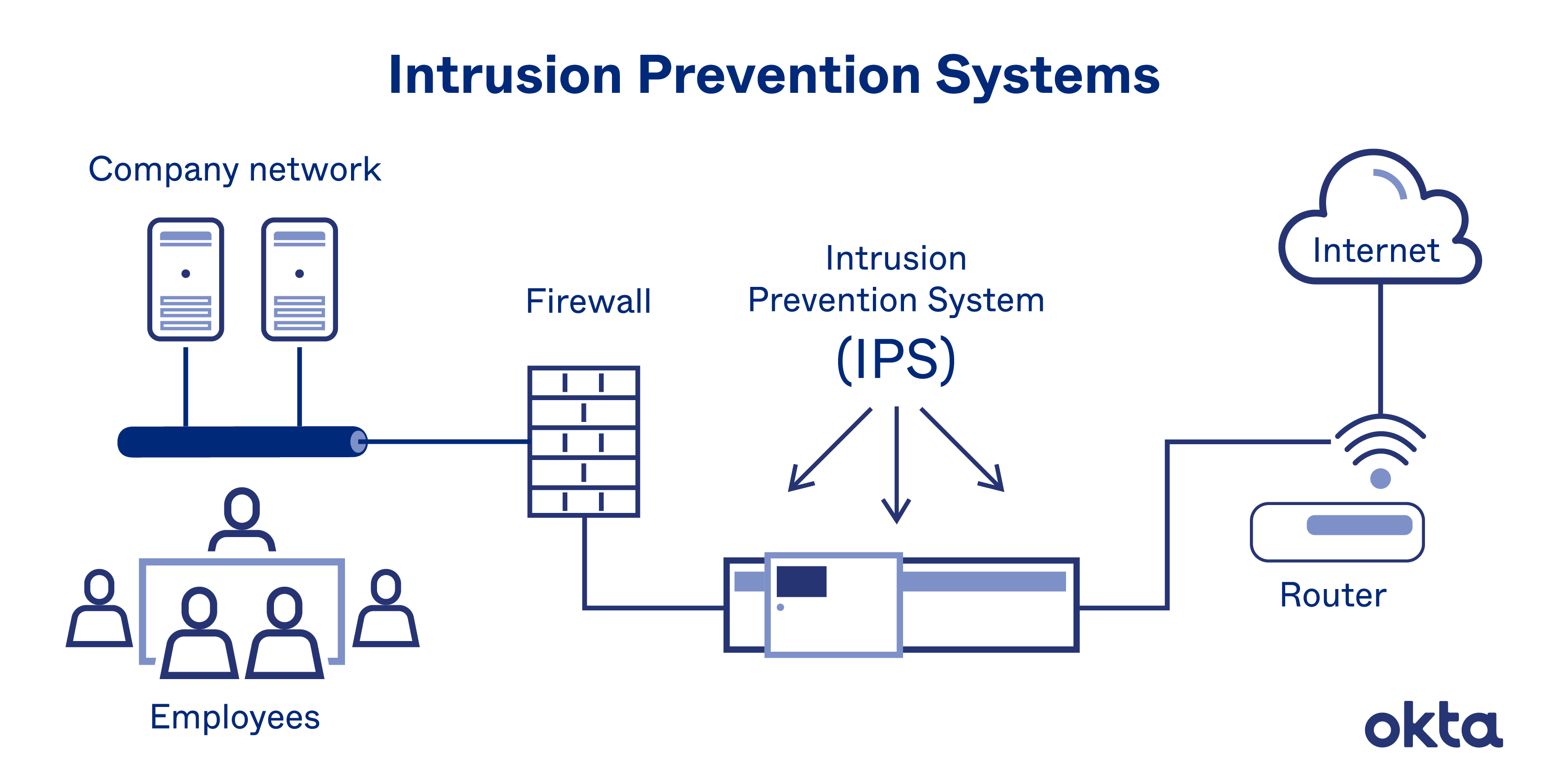
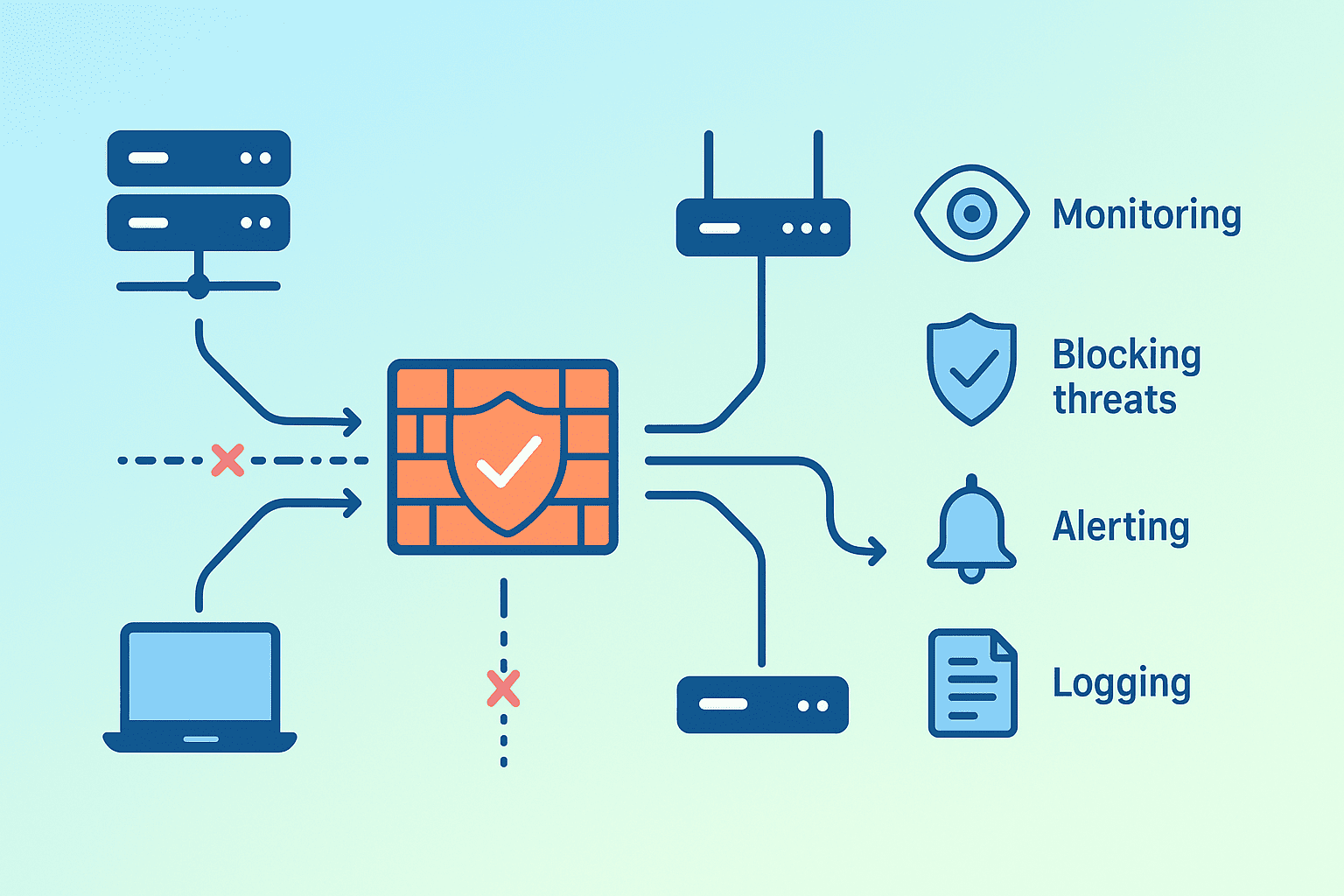
A Network Intrusion Prevention System (NIPS) is a specialized security appliance or software solution designed to monitor network traffic in real-time, identify malicious activity, and automatically block or reset suspicious connections. By operating inline within the network path, NIPS provides an active layer of defense that evolves beyond passive detection to prevent threats before they compromise internal assets.
The Evolution and Operational Role of NIPS
The role of a Network Intrusion Prevention System is rooted in the transition from passive monitoring to active traffic management. Unlike a Network Intrusion Detection System (NIDS), which merely alerts administrators to potential breaches, a NIPS sits directly in the flow of traffic. When the system identifies a signature matching a known vulnerability or detects anomalous traffic patterns that violate established security policies, it can immediately drop the packets, terminate the TCP connection, or block the offending source IP address.
In modern enterprise architecture, NIPS serves as a critical perimeter and internal segmentation defense. It operates by analyzing data packets across multiple layers of the OSI model, primarily focusing on layers 3 through 7. By inspecting the payload of packets, NIPS can discern between legitimate administrative traffic and malicious attempts to exploit services like HTTP, FTP, or SMTP.
NIPS vs. NIDS: Understanding the Functional Distinction
The fundamental difference between these two technologies lies in their placement and authority.
- NIDS (Passive): Typically deployed off a SPAN port or network tap. It does not interfere with traffic flow. If an attack is detected, it logs the event and triggers an alert. The latency impact is zero, but it cannot stop an attack already in progress.
- NIPS (Inline): Deployed physically or logically between network segments (e.g., between the internet gateway and the internal core switch). Because it is in the data path, it exerts control over the connection. The trade-off is higher potential for latency and the risk of blocking legitimate traffic (false positives).
Core Mechanisms of Detection
Modern NIPS platforms employ a hybrid approach to threat identification. Relying on a single detection method is insufficient in an environment where polymorphic malware and sophisticated lateral movement are common.
Signature-Based Detection
This is the traditional foundation of NIPS. The system compares incoming packet sequences against a database of known threat signatures. These signatures act as "fingerprints" for known malware, exploit code, or common attack patterns. When a match is found, the system acts according to the pre-configured policy. The limitation here is that signature-based detection is inherently reactive; it cannot protect against "zero-day" threats that do not yet have an assigned signature.
Anomaly-Based Detection
To combat unknown threats, NIPS uses behavioral analysis. The system establishes a "baseline" of normal network activity—what typical traffic volumes, protocols, and communication pairs look like during standard business hours. When traffic deviates from this baseline, the NIPS marks it as suspicious. While highly effective at catching new, never-before-seen attacks, this method requires significant tuning to avoid flagging legitimate but irregular user behavior.
Protocol Analysis
NIPS performs deep packet inspection (DPI) to ensure that traffic conforms to standard protocol definitions. For instance, if an attacker attempts to tunnel non-HTTP traffic over port 80 to bypass firewall rules, the NIPS protocol analyzer will detect the non-compliant payload and drop the connection, regardless of whether a specific exploit signature is present.

Key Considerations for NIPS Deployment
Successfully integrating a NIPS into a 2026 enterprise environment requires careful planning. Failure to properly tune the system can lead to business disruption.
Throughput and Latency Requirements
Because NIPS inspects every packet inline, it can become a bottleneck. As networks move toward 10Gbps, 40Gbps, or even 100Gbps interfaces, the hardware must be capable of processing traffic at "wire speed." Choosing an appliance that lacks the required throughput capacity results in increased latency, which can degrade the performance of sensitive applications.
Managing False Positives
The greatest challenge in NIPS management is the "False Positive." A legitimate application update or a complex database query might mimic an attack signature, causing the NIPS to drop the connection and potentially crashing critical business services. Organizations must invest time in a "learning phase" or "detection-only mode" before switching the NIPS to full prevention mode to ensure business continuity.
SSL/TLS Decryption
Most modern web traffic is encrypted via TLS. A NIPS that cannot see inside encrypted packets is effectively blind to modern threats. Consequently, enterprise-grade NIPS must be capable of performing TLS termination—decrypting traffic, inspecting it, and re-encrypting it—before it reaches its destination. This requires significant compute overhead and must be carefully balanced with privacy regulations.
| Feature Type | Signature-Based | Anomaly-Based | Protocol Analysis |
|---|---|---|---|
| Primary Goal | Known threat blocking | Novel/Zero-day detection | Policy enforcement |
| Complexity | Low | High (requires learning) | Medium |
| False Positives | Low | High | Medium |
| System Load | Minimal | High | Medium |
Strategic Placement in the Network Architecture
To optimize effectiveness, NIPS should not be treated as a "set and forget" device. Its placement dictates its visibility.
- Internet Perimeter: Placed behind the external firewall, this position blocks known malicious actors, botnet command-and-control traffic, and external exploit attempts before they touch the internal network.
- Internal Segmentation: Placed between VLANs or zones (e.g., separating the Finance department from General User segments). This is crucial for preventing lateral movement if an internal host is already compromised.
- Data Center Core: Placed in front of high-value database or server clusters. This layer provides the final line of defense for the organization's most sensitive assets.
Maintenance and Operational Lifecycle
A NIPS is only as effective as its last update. Security vendors constantly release signature updates to keep pace with the evolving threat landscape. Organizations must maintain a robust process for:
- Signature Updates: Automating the retrieval and application of vendor-provided threat intelligence feeds.
- Performance Audits: Regularly reviewing logs to identify performance degradation caused by high traffic loads.
- Policy Review: Removing obsolete rules that may conflict with new network configurations or upgraded application stacks.
Frequently Asked Questions
Can a NIPS replace my traditional firewall?
No. A firewall acts as a gatekeeper, filtering based on ports, protocols, and IP addresses. A NIPS is a deep-packet inspector that analyzes the content and behavior of the traffic itself. They are designed to complement one another, with the firewall providing coarse-grained filtering and the NIPS providing fine-grained threat prevention.
What happens if the NIPS hardware fails?
High-availability (HA) configurations are standard for NIPS. Most appliances feature "fail-open" or "fail-close" hardware options. A fail-open configuration ensures that if the device crashes, traffic continues to flow (prioritizing availability), while a fail-close ensures the network stops until the device is restored (prioritizing security).
Does NIPS protect against encrypted threats?
Yes, but only if the NIPS is configured to perform SSL/TLS inspection. Without the ability to decrypt traffic, the NIPS can only analyze the header information, leaving the payload—where most malware resides—unprotected.
How much time should be spent in "Detection-Only" mode?
There is no fixed duration, but a minimum of 30 days is typically recommended. This period allows the system to observe all recurring business cycles, batch jobs, and legitimate traffic patterns so that you can create an "allow list" before enabling active blocking.
Is NIPS relevant in a cloud-only environment?
Yes. While the physical appliance is replaced by virtual appliances or cloud-native security services (like AWS Network Firewall or Azure Firewall Premium), the core principles of NIPS—inline inspection, signature matching, and anomaly detection—remain essential for securing virtual private clouds (VPC).
Conclusion and Next Actions
The NIPS landscape in 2026 is defined by a shift toward integrated, high-performance appliances that bridge the gap between network visibility and automated defense. To begin strengthening your network security, start by auditing your current traffic flow to identify critical choke points where an inline device would be most effective. Evaluate your current threat model against your traffic volume to determine if your hardware can support the throughput required for full-packet inspection. Consult with your security vendor regarding their current roadmap for AI-driven anomaly detection, which is rapidly replacing manual baseline tuning as the industry standard.
Image Gallery
Select an image to open it in a new tab.



Vivian Cho
Executive IT and Emerging Technologies Reporter
