Understanding the Black Stereotype in Media

Understanding the Black stereotype in media requires examining the historical construction of caricatures designed to justify systemic inequality and analyzing how these tropes have evolved into modern, often subtle, biases. By deconstructing these archetypes, we can better identify their impact on public policy, social perception, and the self-image of marginalized communities.
The Historical Construction of Blackness in Media
The presence of Black stereotypes in American and global media is not an accidental byproduct of creative storytelling; it is a calculated legacy rooted in the 19th-century minstrel shows. These performances featured white actors in blackface, performing exaggerated, buffoonish versions of Black life to entertain white audiences while reinforcing the "necessity" of slavery and, later, Jim Crow laws.
By the time the film industry emerged in the early 20th century, these stage archetypes were seamlessly integrated into the cinematic lexicon. D.W. Griffith’s 1915 film, The Birth of a Nation, serves as a foundational text for understanding media-driven stereotyping. The film portrayed Black men as predatory and incompetent, while framing the Ku Klux Klan as heroic saviors of "civilization." This film was not merely entertainment; it was a tool for political propaganda that led to a resurgence of the KKK and decades of racial violence.
As we look at the landscape in 2026, the residue of these early depictions remains embedded in the "grammar" of filmmaking and news reporting. To understand the Black stereotype today, one must first recognize that these images were created to serve the status quo, providing a psychological buffer that allowed the dominant culture to ignore or justify systemic disenfranchisement.
The Classical Archetypes: From Mammy to the Coon
Sociologists and media scholars generally categorize early Black stereotypes into several distinct archetypes. Each served a specific purpose in the racial hierarchy of the early to mid-20th century.
The Mammy
The Mammy archetype is perhaps the most enduring. She is typically portrayed as an older, overweight, desexualized Black woman who is fiercely loyal to her white employers. Her primary function in media, such as Hattie McDaniel’s character in Gone with the Wind (1939), was to suggest that Black women were happy and fulfilled in domestic servitude. This stereotype stripped Black women of their own family lives and maternal needs, centering their existence entirely on the comfort of white families.
The Tom
Named after the character in Harriet Beecher Stowe’s Uncle Tom's Cabin, the "Tom" is the submissive Black man who remains loyal to white authority even in the face of abuse. In media history, the Tom was often used to represent the "good" Black person—someone who does not challenge the racial order and is, therefore, "acceptable" to the audience.
The Coon and the Pickaninny
The Coon was the "comic relief" archetype—lazy, easily frightened, and intellectually inferior. This trope was designed to prove that Black people were unfit for the responsibilities of citizenship or professional life. Similarly, the "Pickaninny" stereotype targeted Black children, depicting them as unkempt, animalistic, and immune to pain, which historically allowed society to overlook the suffering and neglect of Black youth.
The Jezebel and the Sapphire
While the Mammy was desexualized, the Jezebel was hyper-sexualized. This trope was used to justify the sexual exploitation of Black women by suggesting they were inherently promiscuous. The Sapphire, on the other hand, evolved into what we now know as the "Angry Black Woman"—a character defined by her perceived hostility, loud voice, and emasculating attitude toward Black men.
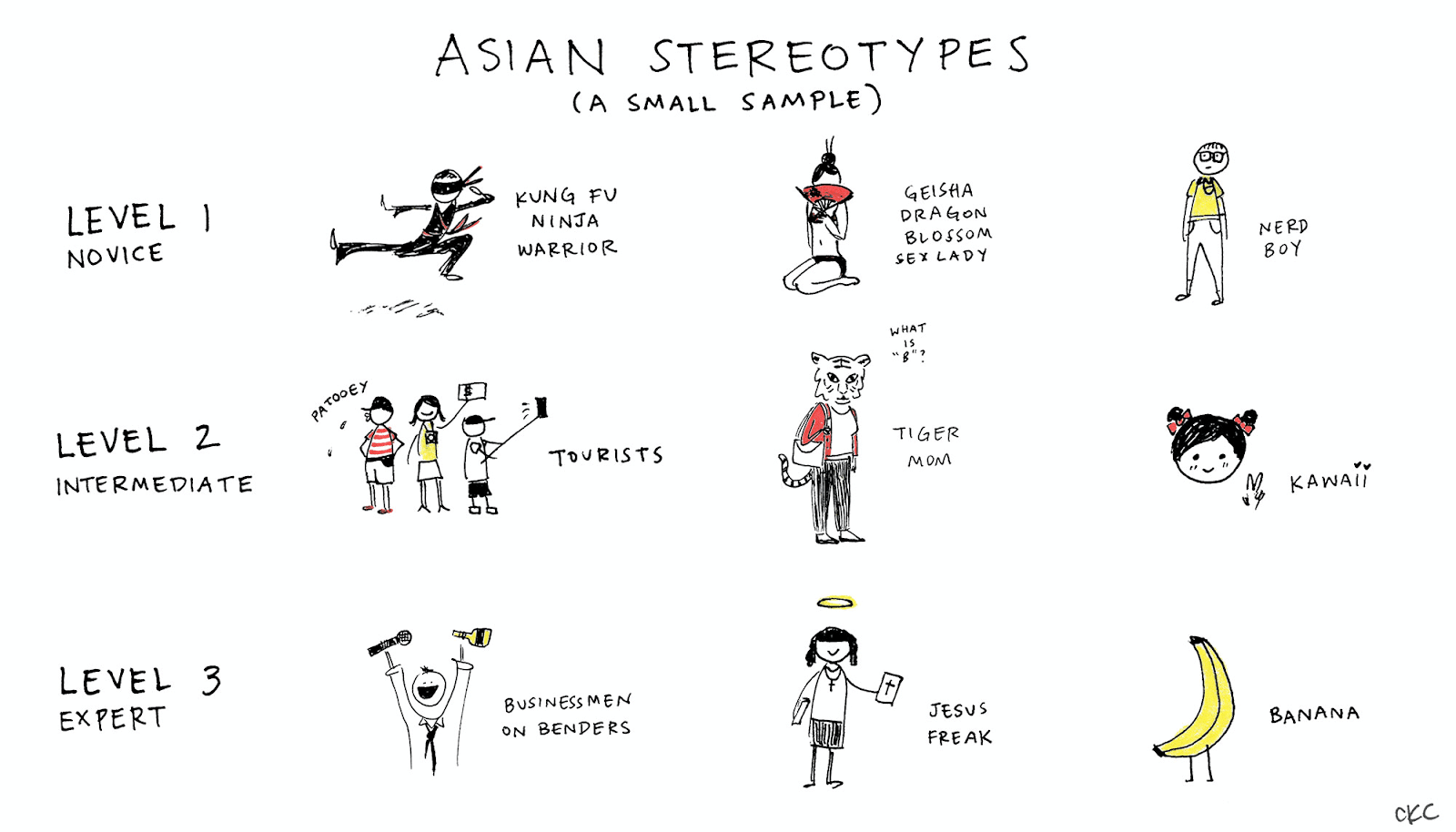
Evolution into the Modern Era: Subtlety and Survival
As overt racism became less socially acceptable in the late 20th century, Black stereotypes in media underwent a transformation. They became more sophisticated, often masquerading as "gritty realism" or "positive representation," while still maintaining a distance from authentic, multi-dimensional Black humanity.
The Magical Negro
Coined by filmmaker Spike Lee, the "Magical Negro" is a Black character who possesses some form of special insight, mystical power, or profound wisdom, which they use solely to help the white protagonist achieve their goals. The character typically has no inner life, no personal desires, and disappears once the white hero's journey is complete. Examples frequently cited in film studies include characters in The Legend of Bagger Vance or The Green Mile.
The Thug and the Criminalization of Blackness
In the 1980s and 90s, the "Coon" archetype morphed into the "Thug." This stereotype is prevalent in both fictional police procedurals and local news broadcasts. It associates Blackness with inherent criminality, violence, and a lack of remorse. By 2026, media analysis has shown that "over-indexing" Black suspects in news media—showing them in mugshots while showing white suspects in family photos—continues to influence judicial outcomes and police interactions in the real world.
The "Strong Black Woman" Trap
On the surface, the "Strong Black Woman" appears to be a positive evolution. However, in media, this often manifests as a character who must endure unlimited trauma without emotional support or vulnerability. This trope denies Black women the right to be "human," suggesting they are naturally equipped to handle more pain than others, which has dangerous real-world implications in fields like healthcare and mental health services.
Comparison of Historical vs. Modern Media Tropes
The following table illustrates how historical archetypes have been "rebranded" for contemporary audiences, maintaining the same underlying biases.
| Historical Archetype | Modern Iteration | Primary Function/Impact |
|---|---|---|
| The Mammy | The "Auntie" / Domestic Helper | Naturalizes the labor of Black women for others' comfort. |
| The Tom | The "Token" Colleague | Validates a lack of institutional change by showing a singular "success." |
| The Coon | The "Clown" / Viral Caricature | Reduces Black culture to a source of humor and non-threatening mockery. |
| The Jezebel | The "Video Vixen" / Hyper-sexualized Lead | Reinforces the objectification of Black bodies for consumption. |
| The Savage | The "Thug" / Urban Criminal | Justifies aggressive policing and mass incarceration. |
| The Sage | The "Magical Negro" | Uses Blackness as a prop for white emotional development. |
The Impact of Colorism in Media Representation
It is impossible to understand Black stereotypes without addressing colorism—the internal hierarchy that privileges lighter skin over darker skin. Even when media attempts to move away from stereotypes, it often does so by only casting light-skinned Black actors in roles requiring intelligence, vulnerability, or romance.
Darker-skinned actors are frequently relegated to the roles of the antagonist, the laborer, or the comic relief. This reinforces the "pigmentocracy" established during the colonial era, where proximity to whiteness was equated with proximity to humanity. In recent years, leading up to 2026, movements such as "Dark-Skinned Joy" have attempted to counter this, but the systemic preference for Eurocentric features remains a dominant force in casting and lighting on set.
Misogynoir: The Intersection of Race and Gender
The term misogynoir, coined by Dr. Moya Bailey, describes the specific form of anti-Black racism and sexism faced by Black women. Media stereotypes are the primary vehicle for misogynoir. When a Black woman is labeled "aggressive" for showing leadership, or "difficult" for setting boundaries, it is a direct result of media tropes like the "Sapphire."
These stereotypes create a double-bind: Black women are either expected to be the "savior" (the Mammy/Strong Black Woman) or are dismissed as "hyper-sexual" (the Jezebel). There is very little media space allocated to the "ordinary" Black woman—the one who is allowed to be mediocre, tired, or unsure of herself without it becoming a commentary on her entire race.
The Role of News Media and Social Media Algorithms
While much of the focus is on film and TV, news media and social media play a critical role in reinforcing stereotypes.
- Framing and Diction: News reports often use different language for Black victims than for white victims. A Black victim's past might be scrutinized (mentions of school suspensions or old arrests), whereas a white suspect is often framed through their "potential" or "mental health struggles."
- Algorithmic Bias: In 2026, we recognize that social media algorithms often prioritize content that triggers outrage or confirms existing biases. This means that videos of "Black-on-Black crime" or stereotypical "urban" behavior are often boosted to audiences already inclined to believe those stereotypes, creating a digital echo chamber of prejudice.
- The "Single Story": As Chimamanda Ngozi Adichie famously warned, the danger of a single story is that it becomes the only story. When news media only covers Black communities during times of crisis, crime, or athletic achievement, it creates a flattened view of Black life that ignores the vast majority of Black experiences.
Subverting Stereotypes: The Path Toward Authenticity
Since the global shifts of 2020, there has been a more concerted effort to dismantle these tropes. This isn't just about "positive" representation—which can be its own kind of two-dimensional trap—but about authentic representation.
- Complexity over Perfection: Characters like those in Insecure or Atlanta showed Black people being messy, funny, and uncertain. They were not "representative" of the whole race; they were specific individuals.
- Black Ownership of the Narrative: The rise of Black-led production companies (e.g., Array, Monkeypaw Productions) has shifted the "gaze." When Black creators are behind the camera, the lighting, the dialogue, and the character motivations change because they are rooted in lived experience rather than external observation.
- Genre Expansion: Moving into 2026, the success of Black-led sci-fi, horror, and period dramas (outside of slavery narratives) has been crucial. By placing Black characters in the future or in fantasy worlds, creators can explore themes of humanity that are not tethered to historical trauma.
Frequently Asked Questions
What is the "Magical Negro" trope?
The Magical Negro is a supporting Black character who exists primarily to help a white protagonist. This character often possesses supernatural powers or folk wisdom but lacks a backstory, personal ambitions, or a life outside of assisting the white lead. This trope is considered a stereotype because it reduces Black characters to tools for white enlightenment.
Why is the "Angry Black Woman" stereotype so harmful?
This stereotype (derived from the Sapphire archetype) is used to silence Black women. When their legitimate grievances are labeled as "anger," the substance of their argument is ignored. In professional settings, this can lead to Black women being passed over for promotions or unfairly disciplined for the same assertive behavior that is praised in their peers.
Is "positive representation" always good?
Not necessarily. While it is better than negative tropes, "respectability politics"—where Black characters are portrayed as perfect, hyper-competent, and flawless—can also be dehumanizing. It creates an impossible standard and avoids the nuances of actual human experience. The goal is "authentic" representation, which includes the right to be flawed.
How does media stereotyping affect children?
Research, such as the "Doll Test," has shown that children as young as three or four years old internalize the values presented in media. When Black children see themselves portrayed primarily as criminals or servants, it can lead to lower self-esteem and internalized racism. Conversely, when children of other races see these images, it builds subconscious biases that they carry into adulthood.
What can viewers do to combat these stereotypes?
Viewers can practice critical media literacy. This involves asking: Who created this content? Who is the intended audience? Are the Black characters given an inner life? By supporting independent Black creators and calling out stereotypical content on social media, consumers can influence what studios choose to produce.
Recommended Action for Media Consumers
To move beyond a surface-level understanding of the Black stereotype in media, individuals should actively diversify their media "diet." This means seeking out content created, written, and produced by Black professionals. Organizations like the National Museum of African American History and Culture and academic databases such as JSTOR offer extensive resources on the history of representation. By supporting nuanced storytelling and engaging in critical analysis of mainstream media, we can contribute to a cultural landscape where Black humanity is presented in its full, complex reality.
Image Gallery
Select an image to open it in a new tab.


Celine Dubois
Contemporary Living and Global Arts Columnist
