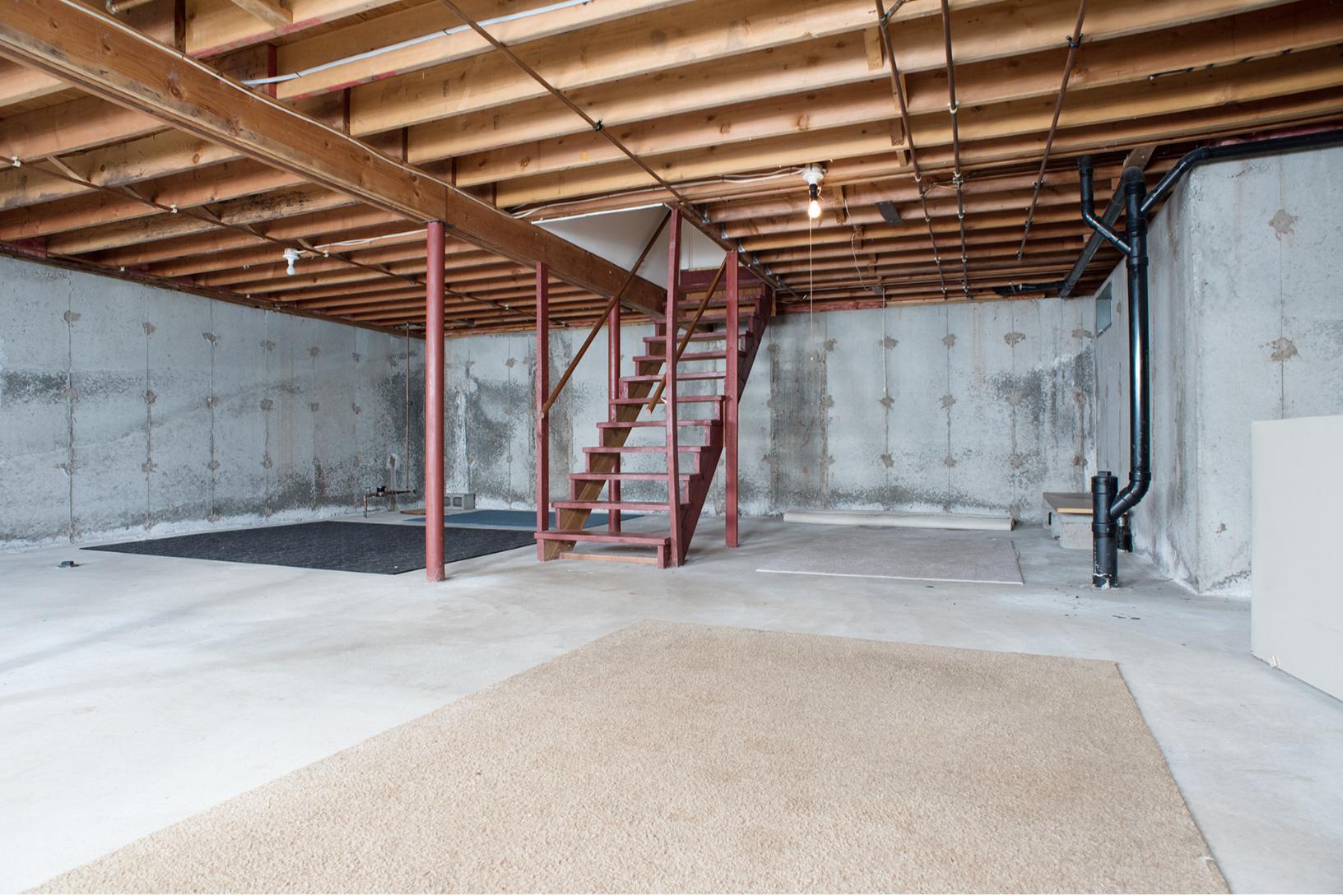
Renovating a basement in Missouri can significantly enhance the functional square footage and market value of your home, provided the structure is sound and moisture management is prioritized. Given Missouri’s climate, which includes humid summers, freezing winters, and seasonal soil shifts, the decision hinges on assessing foundation integrity, controlling humidity, and ensuring compliance with local building codes.
The Regional Context: Understanding Missouri’s Unique Challenges
When evaluating whether a Missouri basement is worth renovating, the primary consideration is the state’s distinct geological and climatic profile. Missouri is characterized by a mix of clay-heavy soils and karst topography—a landscape formed by the dissolution of soluble rocks like limestone and dolomite. This environmental reality creates specific challenges for homeowners.
Clay soil expands when wet and contracts when dry, which can exert significant pressure on basement walls. Over time, this hydrostatic pressure often results in horizontal cracking, bowing, or inward shifting of foundation walls. Before you invest in finishings, flooring, or drywall, you must verify the structural stability of the foundation. If there are signs of structural failure, those issues must be addressed by a professional foundation repair specialist before any cosmetic renovations begin.
Furthermore, Missouri’s humidity levels—particularly in the spring and summer—can turn an unfinished basement into a breeding ground for mold and mildew. Unlike drier climates, Missouri basements require a robust, integrated approach to moisture control. Without proper vapor barriers, waterproofing, and climate-controlled HVAC integration, a finished basement will quickly lose its value due to air quality issues and structural rot.
Assessing Foundation and Structural Integrity
Before you call a contractor for an estimate on your dream home theater or office, conduct a self-assessment of your basement’s health. Look for indicators that the foundation is not currently suitable for finishing:
- Vertical vs. Horizontal Cracks: Vertical cracks are often a standard result of concrete settling during the curing process. While they should still be sealed, horizontal cracks are a major warning sign of external pressure and require professional structural engineering oversight.
- Efflorescence: Look for a white, powdery substance on the walls. This is salt deposited as water migrates through concrete, indicating moisture penetration.
- Musty Odors: This is an immediate indicator of biological growth. You should identify the source—whether it is plumbing leaks, condensation, or seepage—and resolve it before installing insulation or floor coverings.
- Slope and Drainage: Check the exterior grade around your home. The ground should slope away from the foundation at least six inches over the first ten feet. In many older Missouri neighborhoods, settling has caused the ground to slope toward the house, directing rainwater directly into your basement’s perimeter.
The Role of Waterproofing in Your ROI
Investing in a renovation without first investing in professional waterproofing is a financial risk. In the Missouri housing market, buyers are increasingly savvy about basement inspections. If a home inspector notes signs of past water intrusion or inadequate waterproofing, your renovation could be viewed as a liability rather than an asset.
Effective waterproofing typically involves a three-pronged approach:
- Exterior Management: Extending downspouts, installing gutters, and adjusting the grading around the foundation are the most cost-effective ways to reduce water pressure.
- Interior Systems: Many Missouri basements benefit from the installation of a perimeter drainage system (often called a French drain) connected to a sump pump with a battery backup. Given the frequency of heavy storms in the region, a backup pump is a necessary safety component.
- Vapor Barriers and Insulation: Modern building codes in many Missouri jurisdictions require specific R-values for basement insulation. Using the wrong type of insulation—such as standard fiberglass batts against a concrete wall—can trap moisture, leading to hidden mold. Rigid foam insulation is generally the preferred choice as it provides both thermal resistance and a moisture break.
Financial Viability and Market Impact
Is a finished basement a "worthwhile" investment? Financially, the answer depends on your local real estate market. In areas like St. Louis, Kansas City, and Springfield, finishing a basement adds "living area" square footage, but appraisers often value finished below-grade space differently than above-grade space.
While you may not see a 1:1 return on investment, a high-quality renovation can significantly improve the "marketability" of your home. A clean, dry, and finished basement is often the deciding factor for buyers looking at homes of similar sizes.
| Factor | Low Cost Impact | High Cost Impact |
|---|---|---|
| Foundation Repair | Minor crack sealing ($500–$2,000) | Full wall bracing/underpinning ($10k+) |
| Waterproofing | Improved grading/gutter extensions | Interior drain tile + Sump pump ($5k–$12k) |
| Finishing Materials | Luxury Vinyl Plank (LVP), standard drywall | Hardwood, high-end cabinetry, custom lighting |
| HVAC Integration | Portable dehumidifiers | Dedicated HVAC zoning or ERV systems |
Compliance, Permits, and Safety Codes
Renovating a basement in Missouri requires strict adherence to local building codes. These codes are not merely bureaucratic hurdles; they are designed to ensure safety in an underground environment.
- Egress Windows: This is the most critical safety requirement. If you are adding a bedroom to your basement, the International Residential Code (IRC), adopted by most Missouri municipalities, requires an egress window. This window must meet specific height, width, and sill-height requirements to allow for emergency escape and firefighter entry. Failing to install an egress window makes a basement bedroom illegal and dangerous.
- Electrical Safety: Basements are damp environments. All outlets in a basement, especially those near utility sinks or floors, must be GFCI-protected. Furthermore, ensure your current electrical panel has the capacity to handle the additional load of new lighting, outlets, and potentially an extra appliance or HVAC unit.
- Fire Safety: Standard ceiling heights and fire-rated drywall (typically 5/8-inch Type X) near furnaces or boilers are often mandatory to contain potential fires in the utility area.
Step-by-Step Approach to Renovation
If you have determined that your foundation is stable and you have a solid budget for waterproofing and moisture management, follow this logical progression for your renovation:
- Dry-Out Phase: If your basement is currently damp, wait a season. Observe how the basement reacts to heavy spring rains. If water is entering, resolve this first.
- Professional Inspection: Hire a structural engineer if you see any significant cracks. Their report will give you a "green light" for the renovation or identify necessary structural interventions.
- Permitting: Contact your local municipal building department. Even for DIY projects, pulling a permit ensures that your work is documented, which is essential for future home appraisals and insurance claims.
- Rough-in: Install framing, plumbing for any potential bathrooms or wet bars, and electrical wiring.
- Moisture-Resistant Finishing: Choose materials designed for basements. Opt for Luxury Vinyl Plank (LVP) or tile over hardwood or carpet. Use mold-resistant drywall (green board or purple board) in areas where moisture levels might fluctuate.
- Final Inspection: Once the project is complete, have the municipal inspector sign off on the work.
Common Pitfalls to Avoid
Many homeowners find their renovation turns into a "money pit" because of avoidable errors.
- Over-Finishing: Do not build a complex, multi-room space if your HVAC system cannot push enough air to the basement. You will end up with a room that is too hot in the summer and too cold in the winter.
- Ignoring the Ceiling: Many people finish walls but leave the ceiling unfinished. While "industrial chic" is a style choice, if you leave the rafters open, ensure all ductwork is professionally cleaned and insulated to prevent condensation.
- DIY Foundation Repairs: Never attempt to "patch" a bowing wall with hydraulic cement. It is a temporary cosmetic fix that masks a serious structural issue.
Frequently Asked Questions
Does a finished basement add to my home's property tax? Generally, yes. When you pull building permits, the local assessor’s office is notified of the increased square footage. While this increases your property taxes, it also increases the assessed value of your home, which is beneficial when you decide to sell.
Can I use fiberglass insulation in a Missouri basement? It is strongly discouraged. Fiberglass acts like a sponge. If moisture enters the wall cavity, the fiberglass will hold it against the studs, leading to rapid mold growth. Use closed-cell rigid foam or spray foam insulation to create a moisture-proof thermal break.
How do I know if my basement is "finished" vs. "livable"? In real estate, "finished" implies the space is heated, cooled, and built to the same standards as the upstairs living area. "Livable" is a broader term. For the purposes of property value, you want your basement to be fully integrated into the home’s HVAC and electrical systems, meeting all local building codes.
Do I need a sump pump even if I haven't seen standing water? In Missouri, yes. High water tables and sudden heavy rain events can surprise homeowners. A sump pump is an inexpensive insurance policy against a catastrophic loss of your renovated flooring and walls.
Should I hire a general contractor or manage subcontractors? Managing your own subcontractors can save money, but basement renovations are technically complex due to the moisture factor. A contractor experienced in local Missouri foundations is better equipped to handle unexpected structural findings during the demo phase.
Recommendation: Moving Forward
Before spending a single dollar on materials, spend time observing your basement’s behavior during a heavy rainstorm. If the space remains dry, the next step is to consult a structural engineer or a foundation specialist to ensure the concrete walls can support the load of a finished interior. Once the foundation is certified as sound and you have secured the necessary permits, prioritize the "boring" work—waterproofing and proper insulation—over decorative features. This foundation-first approach ensures that your Missouri basement renovation will provide lasting value and comfort for years to come.
Image Gallery
Select an image to open it in a new tab.
Ingrid Bjornson
Global Cyber Policy and Regulation Analyst
