
The original name given to the man who would become the most prominent leader of the American civil rights movement was Michael King Jr. He was born on January 15, 1929, in Atlanta, Georgia. It was not until he was five years old that his father, inspired by a trip to Germany, officially changed both his own name and his son’s name to honor the German Protestant reformer Martin Luther.
The Birth of Michael King Jr.
When Martin Luther King Jr. was born at the family home on Auburn Avenue in Atlanta, he was named Michael King Jr. after his father, Michael King. His mother, Alberta Williams King, and his father were part of a prominent lineage in Georgia. The elder King, who was a sharecropper’s son, had moved to Atlanta and eventually became the pastor of the Ebenezer Baptist Church in 1931, a role that would later be filled by his son.
The name "Michael" was the one on his birth certificate, and for the first five years of his life, this was the only name the young boy knew. His early childhood was marked by the stable, religious environment fostered by his father and the musical influence of his mother, who was a talented organist. This formative period, though simple, established the cultural and religious identity that would later shape his nonviolent philosophy.
The Influence of the Protestant Reformation
The transition from Michael to Martin Luther occurred in 1934. The elder Michael King traveled to Germany that year to attend a conference of the Baptist World Alliance. During this trip, he toured the sites significant to the history of the Protestant Reformation. He became deeply moved by the life and work of Martin Luther, the 16th-century monk and theologian who initiated the Reformation by challenging the practices of the Catholic Church.
Upon returning to the United States, the elder King decided to change his own name to Martin Luther King and subsequently changed his son’s name to Martin Luther King Jr. The change was not merely a matter of personal preference but a reflection of a deeply held theological shift. By adopting the name of the German reformer, the father signaled a commitment to a tradition of bold, public theological discourse that arguably set an aspirational tone for his son’s future activism.
Legal Documentation and Consistency
In the United States, a name change during the 1930s was often handled with less formal documentation than is required today. In many cases, a parent simply began using a new name for their child, which was then eventually reflected in secondary documents such as school records or church registries.
For many years, the discrepancy between his birth certificate and his name in public life caused minor administrative confusion. It was not until King was older and began traveling internationally that he became fully aware of the discrepancy. In 1934, when the name change was first initiated, it was an oral transition that later permeated his legal identity through sustained use. By the time he was applying for college at Morehouse and eventually graduate school, "Martin Luther King Jr." was the only identity he used.
The Family Context and Naming Traditions
The King family held strong views on naming and lineage. The father’s shift was not just a whim; it was a manifestation of the "King" identity as a source of strength and social standing. In the Black community of the early 20th century, naming children after historical or religious figures was a common way to instill a sense of legacy and moral obligation.
The transition from Michael to Martin Luther also highlights the evolution of the elder King’s public persona. He was a man who worked his way up from poverty, and he viewed his role as a minister as a direct continuation of his duty to God. Renaming himself and his son was a way of aligning their earthly identity with a historical figure he deemed worthy of imitation.
Comparison of Name Transitions
The following table clarifies the timeline and rationale behind the naming history of the civil rights leader.
| Period | Name Used | Context/Location | Reason for Name |
|---|---|---|---|
| 1929–1934 | Michael King Jr. | Birth at home, Auburn Ave | Named after his father, Michael King Sr. |
| 1934–1968 | Martin Luther King Jr. | Formalized in school and church | Named after the Protestant reformer Martin Luther |
| Post-1968 | Dr. Martin Luther King Jr. | Academic and social recognition | Acknowledgment of his PhD from Boston University |
Historical Significance of the Name Change
While the name change is often viewed as a historical footnote, it holds symbolic weight in the context of King’s life. The name "Martin Luther" carries the connotation of a "reformer"—someone who challenges the status quo, demands accountability, and seeks to return society to a more ethical or foundational path. While he did not choose the name himself as a child, he certainly grew into the implications of it.
Critics and historians often point to this as an example of a "transitional identity." Just as the name of the household changed, the family’s social standing and the son’s eventual global influence expanded. It represents the pivot between the local, localized influence of a Black pastor in the South and the national, world-changing trajectory that the name "Martin Luther King Jr." eventually occupied in the public consciousness.
Scholarly and Academic Implications
When King applied to Morehouse College, Crozer Theological Seminary, and Boston University, his records were consistently filed under "Martin Luther King Jr." It is rare for an academic institution or a government agency to require a "legal" check that would challenge a name consistently used since age five.
By the time he was earning his doctorate at Boston University, the name Martin Luther King Jr. was synonymous with both his religious authority and his budding academic reputation. His transition from an undergraduate student to a PhD candidate saw him solidifying his public name, ensuring that "Michael" remained a historical detail rather than a functional component of his professional identity.
Common Misconceptions
One of the most frequent questions surrounding his name is whether he was born "Martin" and later changed it to "Michael." The reality is the inverse. This confusion often stems from the way biographies are structured; because the name he is famous for is Martin, readers often assume that was his birth name.
Another misconception is that the name change was the result of a legal court order. While many families undergo formal court petitions for name changes today, the reality in 1934 for an African American family in the Jim Crow South was often rooted in social recognition and community acceptance. If the church, the neighborhood, and the school system accepted the name, it became the de facto legal identity for all practical purposes.
Frequently Asked Questions
Why did Martin Luther King Jr.'s father change his name? His father changed his name to Martin Luther King to honor the 16th-century German Protestant reformer. After a trip to Germany, he felt a spiritual affinity for the reformer’s legacy and decided to adopt the name for himself and his young son.
Was the name change legally documented in 1934? The change was largely handled through public usage rather than a rigorous modern legal petition. In the 1930s, especially within the context of church leadership, having your congregation and community refer to you by a specific name carried significant weight, effectively serving as the legal recognition of the transition.
Did Martin Luther King Jr. ever use the name Michael? He was known as Michael during the first five years of his life. After the change in 1934, he transitioned to using the name Martin Luther King Jr. exclusively. Throughout his adult life, he did not use "Michael" in any public or professional capacity.
How does this name change affect his official birth records? His birth certificate, filed in 1929, remains in the name of Michael King Jr. Researchers and historians often use this certificate to confirm his date and place of birth, as it is the primary legal document created at the time of his entry into the world.
Practical Advice for Researchers
If you are researching King’s genealogy or early childhood, it is essential to search both the name "Michael King Jr." and "Martin Luther King Jr." when looking at census records or early school registration documentation from the Atlanta area. Using the wrong name in a database query may result in missing archival records, such as birth announcements or early childhood church listings from the Ebenezer Baptist Church community.
When verifying historical facts, always rely on reputable archives like the King Institute at Stanford University or the Library of Congress. These institutions house the most accurate documentation regarding his name, family, and the transition from his original birth name to the name known by the world.
Next Steps for Historical Inquiry
To deepen your understanding of King’s life, consider visiting the King Center in Atlanta or reviewing the digital archives provided by Boston University. Examining the primary documents that show the progression of his name—from childhood records to his eventual academic thesis—provides a window into how an individual can redefine their public identity while remaining rooted in their familial and religious foundations.
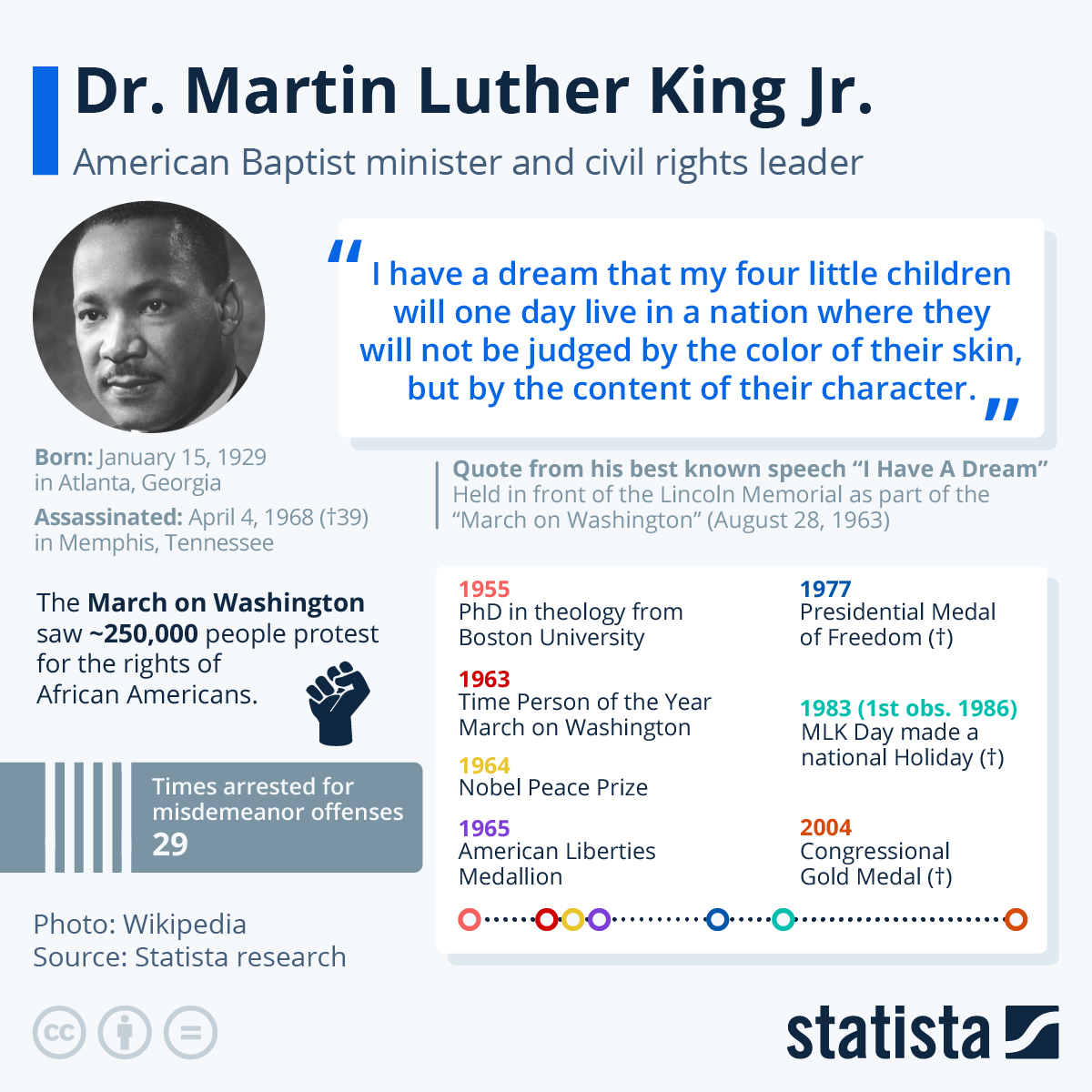
Image Gallery
Select an image to open it in a new tab.

Ingrid Bjornson
Global Cyber Policy and Regulation Analyst
