
The white fox, widely recognized as the Arctic fox (Vulpes lagopus), relies on its specialized habitat to maintain thermoregulation, facilitate seasonal camouflage, and ensure the survival of its reproductive cycles. Protecting this environment is essential because the species acts as a critical sentinel for ecosystem health, influencing small mammal populations and nutrient cycling across the fragile circumpolar tundra.
Defining the Arctic Fox Habitat
The "white fox habitat" primarily refers to the circumpolar tundra biome—a vast, treeless landscape stretching across Northern Europe, Northern Asia, and North America. This environment is defined by permafrost, extreme seasonal temperature fluctuations, and a short, intense growing season. The Arctic fox is uniquely adapted to survive here, utilizing both the inland tundra and the sea ice as essential corridors for hunting and migration.
Unlike species that hibernate, the Arctic fox is active year-round. This makes their habitat not just a place to breed, but an essential infrastructure for survival. The habitat provides two distinct seasonal stages: the winter landscape, characterized by vast snow cover, and the summer landscape, which shifts to rocky outcrops, moss-covered tundra, and ephemeral wetlands.
The Role of Thermoregulation and Camouflage
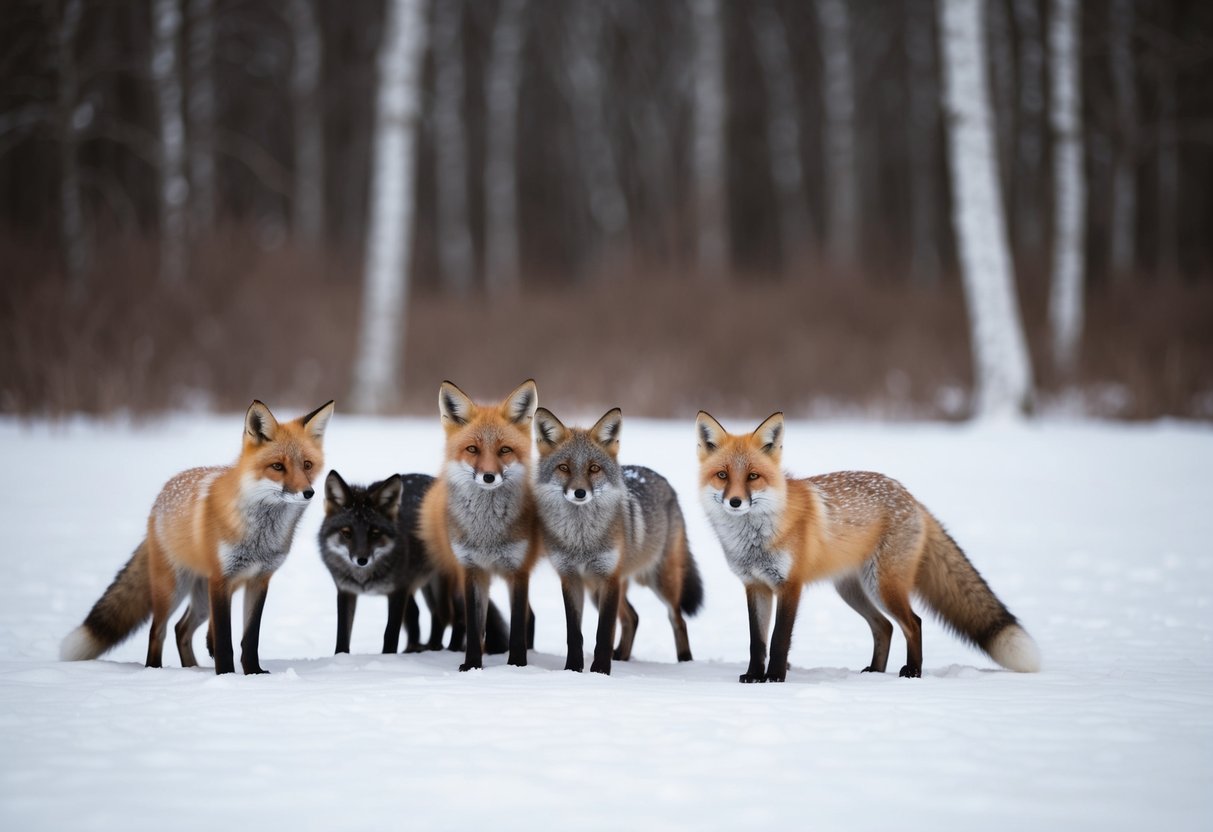
The most prominent feature of the white fox is its seasonal pelt change. In winter, the fox develops a thick, white coat that provides both insulation against temperatures that can plummet to -50°C and essential camouflage against the snow. In summer, this coat is shed for a thinner, brownish-gray layer that blends into the exposed rock and lichen of the tundra.
The habitat matters because it provides the specific light conditions and temperature gradients required to trigger these physiological changes. If the climate shifts, causing the snow to melt earlier or the transition between seasons to become unpredictable, the camouflage mechanism fails. A white fox against a brown, snowless landscape is highly visible to predators and, more importantly, loses its ability to ambush prey effectively.
Predator-Prey Dynamics and Tundra Health
The Arctic fox is a central node in the tundra food web. Its survival is intrinsically linked to the population cycles of lemmings and other small rodents. During peak years of lemming abundance, fox reproductive success skyrockets. In years of scarcity, the foxes must range over massive distances, often scavenging marine resources like seal carcasses on the sea ice.
By controlling rodent populations, the white fox prevents overgrazing of the tundra vegetation, which in turn helps maintain the soil structure and carbon sequestration capacity of the permafrost. The habitat matters because it serves as the stage for this population balance. If the habitat degrades—through loss of sea ice or destruction of denning sites—the fox population collapses, leading to an imbalance in small mammal numbers that can trigger a trophic cascade, ultimately damaging the flora of the tundra.
Denning Sites: The Foundation of Reproduction
One of the most critical aspects of the white fox habitat is the distribution and quality of denning sites. These are not merely temporary shelters; they are ancestral structures. Some dens have been in continuous use for centuries, with generations of foxes returning to the same mound of soil.
These dens are usually located on eskers (raised ridges of sand and gravel) or rocky slopes that provide:
- Well-drained soil: Essential for preventing flooding during the spring thaw.
- Visibility: Elevated positions allow the foxes to detect predators such as wolves or golden eagles.
- Thermal stability: The depth of the burrows provides a stable microclimate for the kits, protecting them from the extreme surface winds of the open tundra.
Destruction or disturbance of these specific geological features represents a permanent loss of biological capacity. Once a den site is lost to erosion or human development, it is rarely replaced, forcing the foxes to inhabit sub-optimal areas where cub mortality rates increase.
Environmental Threats to the Habitat
The Arctic habitat is experiencing rapid shifts that threaten the white fox. While the fox is a resilient survivor, its habitat is being altered at a pace that complicates traditional adaptation patterns.
Key Habitat Threats
| Threat | Direct Impact | Consequence |
|---|---|---|
| Sea Ice Decline | Limits access to maritime food sources | Higher mortality during winter food shortages |
| Shrub Encroachment | Changes tundra vegetation structure | Reduces visibility for hunting and predator avoidance |
| Permafrost Thaw | Destabilizes denning mounds and soil | Loss of traditional, multi-generational nesting sites |
| Invasive Competition | Red foxes moving further north | Displacement of the smaller Arctic fox from prime dens |
Comparative Survival Strategies
Understanding the white fox requires a comparison with its primary competitor in the region: the red fox (Vulpes vulpes). Historically, the two species were separated by temperature thresholds, with the white fox thriving in the high Arctic and the red fox restricted to more temperate zones. As the habitat warms, the red fox is expanding its range.
The white fox is currently being pushed into "islands" of habitat that remain cold enough to support its specific evolutionary traits. This habitat fragmentation is a primary concern for wildlife biologists in 2026. Smaller, isolated populations are more susceptible to disease and have less genetic diversity to withstand environmental shocks.
How Habitat Preservation Supports Long-term Viability
Preservation efforts in 2026 focus on protecting the structural integrity of the tundra. This involves limiting human infrastructure, such as mining roads and industrial outposts, which can physically fragment denning ridges and disturb the hunting grounds.
Protecting the habitat also involves managing human-wildlife conflict. When the Arctic fox is forced out of its natural, remote habitat, it may migrate toward human settlements seeking food scraps. This exposes the species to vehicular traffic, diseases transmitted by domestic dogs, and unnatural stressors that the population is not evolutionarily equipped to manage.
Frequently Asked Questions
Why does the white fox not hibernate?
The Arctic fox does not hibernate because its survival strategy depends on scavenging and opportunistic hunting. Hibernation would prevent the fox from capitalizing on the boom-bust cycle of lemmings or moving onto the sea ice to scavenge seal remains during the winter months.
How does the white fox survive -50°C temperatures?
Its survival is due to a combination of physiological and behavioral adaptations. The fox has a compact body shape, short ears, and a thick, multi-layered fur coat that provides the highest insulating value of any mammal. Additionally, they use their bushy tail, or "brush," as a thermal barrier when sleeping.
What is the primary cause of Arctic fox population decline?
While hunting was historically a factor, current declines are largely driven by the loss of sea ice and the northward migration of the larger red fox, which competes for both territory and food. Habitat fragmentation prevents the white fox from reaching the stable hunting grounds it needs to survive lean years.
Can the white fox adapt to a warmer environment?
The Arctic fox is a highly specialized species. While it can adapt its diet to include different prey, its physiological dependence on extreme cold makes it vulnerable to warming. Evolution occurs over thousands of years, and the current rate of habitat shift is faster than the pace of physiological evolution for such a specialized mammal.
Why are denning sites so important to monitor?
Denning sites are non-renewable resources. Because the foxes build on specific, stable geological features, these sites are the foundation of the population’s reproductive success. Monitoring these sites allows researchers to verify the health of the population and identify where conservation efforts are needed most urgently.
Moving Forward: The Future of the Tundra
The health of the white fox is an indicator of the health of the Arctic at large. As we look toward the remainder of 2026 and beyond, the focus must shift from reactive management to proactive landscape-level protection. The integrity of the tundra's geography—the eskers, the coastline, and the seasonal ice—remains the single most important factor in ensuring the white fox persists in the wild. Ensuring these areas remain undisturbed is not only an act of wildlife management; it is a fundamental requirement for maintaining the biodiversity of the northernmost latitudes. Stakeholders, including indigenous communities and conservation researchers, must continue to prioritize the preservation of these critical corridors to prevent the further fragmentation of one of the world's most resilient yet sensitive ecosystems.
Image Gallery
Select an image to open it in a new tab.
Akira Tanaka
International Academic Trends Correspondent
