
Keeping cremation ashes at home is a common and deeply personal choice for those who wish to maintain a sense of closeness with a departed loved one. In most jurisdictions, families have the legal right to retain cremated remains in their private residence, provided they follow local regulations regarding the storage and handling of these remains. This practice allows for a private space for reflection and remembrance, offering comfort during the grieving process while providing flexibility for future decisions about final placement.
Legal Considerations and Regulatory Compliance
Before deciding to keep cremation ashes at home, it is essential to understand that while it is generally permitted across most of the United States, Canada, and the United Kingdom, local ordinances can vary. In the United States, the federal government does not regulate the final disposition of cremated remains, leaving the authority to individual states and municipalities.
Most states do not require a permit to keep ashes at home, nor do they mandate a specific type of container. However, some cemeteries or local health departments may have specific guidelines if you eventually decide to move the ashes to a columbarium or burial plot. If you are living in a rental property or a homeowners association (HOA), it is advisable to check your lease agreement or bylaws. While it is rare for these entities to forbid the presence of an urn, it is best to ensure there are no clauses that might complicate your long-term plans.
If you are planning to travel with the ashes, such as moving to a new home in a different state or country, you should research the specific transportation requirements of the relevant aviation authorities or transit agencies. For domestic travel in the United States, the Transportation Security Administration (TSA) permits cremated remains as carry-on or checked baggage, provided the container can pass through an X-ray machine without the contents being obscured.
Understanding Cremation Ashes and Their Handling
When you receive the remains from a crematorium or a funeral home, they are typically contained in a temporary plastic or cardboard vessel. These temporary containers are designed for transport and are not intended for long-term display. It is important to handle these containers with care, as they may not be sealed in a way that prevents leaks or moisture ingress.
Cremated remains are the bone fragments left after the cremation process, which are then processed into a coarse, sand-like powder. They are stable, inert, and do not pose a biological health risk. However, they should be kept in a dry environment. Humidity can potentially affect the stability of certain types of urn materials, particularly those made from porous stone or certain metals, if they are not properly sealed.
Best Practices for Home Storage
- Use a Secure Container: Invest in a high-quality, permanent urn designed for long-term storage.
- Sealing: Ensure the lid or closure is airtight. Many modern urns come with a threaded screw-top or a gasket-lined lid.
- Placement: Keep the urn in a stable, temperate environment away from direct heat sources, extreme cold, or areas prone to flooding.
- Accessibility: Consider whether you want the urn to be a focal point in a common area or tucked away in a private, quiet space.

Choosing the Right Urn for Your Home
Selecting an urn is a significant step in the process of keeping ashes at home. The market offers a vast array of options ranging from traditional metal and wood vessels to modern, artistic, and functional designs. When selecting an urn, consider both the aesthetic of your home and the durability of the materials.
Comparison of Popular Urn Materials
| Material | Durability | Aesthetic | Maintenance Requirement |
|---|---|---|---|
| Bronze/Brass | Very High | Timeless, formal | Periodic dusting |
| Hardwood | High | Warm, traditional | Avoid direct sunlight |
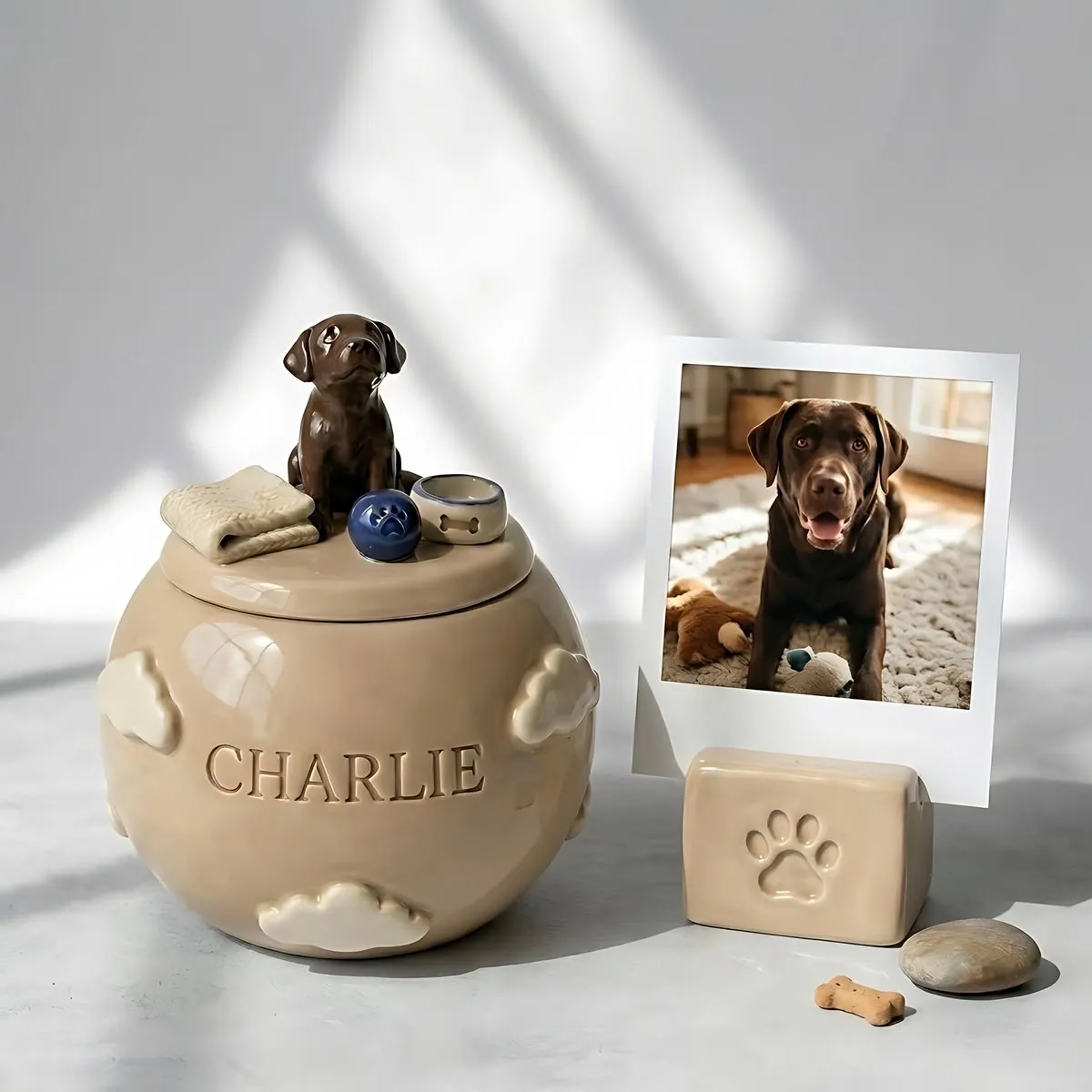
| Ceramic | Moderate | Artistic, unique | Handle with extreme care |
| Marble/Stone | High | Stately, heavy | Wipe with dry cloth |
| Biodegradable | Low | Natural, eco-friendly | Keep in dry storage only |
If you have pets or small children, consider the weight and stability of the urn. A heavy stone or metal urn is less likely to be tipped over accidentally than a lightweight ceramic or wooden one. Additionally, many companies now offer "keepsake" urns, which are smaller versions of full-sized urns, allowing you to distribute a portion of the ashes among family members while keeping the bulk in a larger vessel.
Creating a Memorial Space
Many families find that creating a dedicated memorial space helps in the processing of grief. This might involve placing the urn on a mantelpiece, a dedicated shelf, or within a curio cabinet. You may choose to surround the urn with photographs, candles, or other mementos that reflect the personality of the deceased.
When creating this space, consider the lighting and the flow of your home. A quiet corner of a room that is often used for reading or meditation can be an ideal location. If you choose to display the urn in a common area, ensure the vessel is securely placed so that it is not at risk of being bumped or knocked over by guests or pets. Some individuals prefer a more discreet approach, choosing to keep the urn in a locked cabinet or a private room. Both approaches are entirely valid and depend on your personal comfort and the role you want the memorial to play in your daily life.
Long-Term Considerations and Planning
Keeping ashes at home is often a temporary or intermediate solution. As your life circumstances change, you may find yourself considering other options, such as scattering, burial, or entombment. It is important to discuss these potential future changes with family members so that your wishes are understood.
Common Future Considerations
- Relocation: If you move, the urn will need to be transported. Keep the original documentation provided by the crematorium, such as the certificate of cremation, in a safe place.
- Estate Planning: Include your wishes regarding the ashes in your last will and testament or a dedicated letter of instruction. This prevents family members from having to guess what you would have wanted to happen to the remains in the event of your passing.
- Distribution: Some people choose to keep a portion of the ashes in a decorative urn at home and scatter the rest in a meaningful location. This allows for both a permanent home memorial and a final resting place in nature.
FAQ: Keeping Cremation Ashes at Home
Is it safe to keep human remains in a house? Yes, cremation ashes are sterile and inert. They do not pose any biological, chemical, or health risks to the inhabitants of the home. They are simply the calcium phosphate fragments of bone processed into a dust.
Do I need a permit to keep ashes at home? In most jurisdictions, no permit is required to store cremated remains in your own home. However, you should always check your local city or county clerk’s office if you are uncertain about specific municipal ordinances in your area.
Can I open the urn if I want to? Legally, you can, but it is generally discouraged by funeral professionals. Opening the urn can lead to the accidental scattering of the ashes or the introduction of moisture. If you need to access the remains for a specific purpose, such as putting a portion into a piece of cremation jewelry, it is best to have a professional handle it.
What happens to the ashes if I sell my house? You simply take the urn with you when you move. Because the remains are in a private container, they are considered personal property. They do not need to be registered with the property or disclosed during the sale of a home.
Can I keep the ashes in the original temporary container? While you can, it is not recommended for long-term storage. Temporary containers (often plastic boxes or heavy-duty bags) are not designed for durability or aesthetic display. Most people choose to transfer the remains into a permanent, sealable urn as soon as possible.
Professional Guidance and Support
If you are feeling overwhelmed by the process of selecting an urn or arranging a memorial space, consult with your local funeral director. Even if the cremation occurred some time ago, funeral homes are generally willing to assist families with the purchase of appropriate vessels and provide guidance on the respectful handling of remains.
Ultimately, keeping cremation ashes at home is a personal decision that should be made based on what brings you the most peace. Whether you choose to display the urn prominently or keep it in a private location, the goal is to create a space that allows you to honor the memory of your loved one in a way that is meaningful to you.
Image Gallery
Select an image to open it in a new tab.


Celine Dubois
Contemporary Living and Global Arts Columnist
