How Confined Space Online Training Works: A Comprehensive Guide to Compliance and Safety

Confined space online training delivers standardized safety education through digital learning management systems, allowing participants to review regulatory requirements, hazard identification, and emergency response protocols at their own pace. These programs typically combine interactive modules, knowledge assessments, and documentation tracking to ensure workers understand the risks associated with permit-required confined spaces before entering a physical work environment.
Understanding the Role of Online Training in Safety Compliance
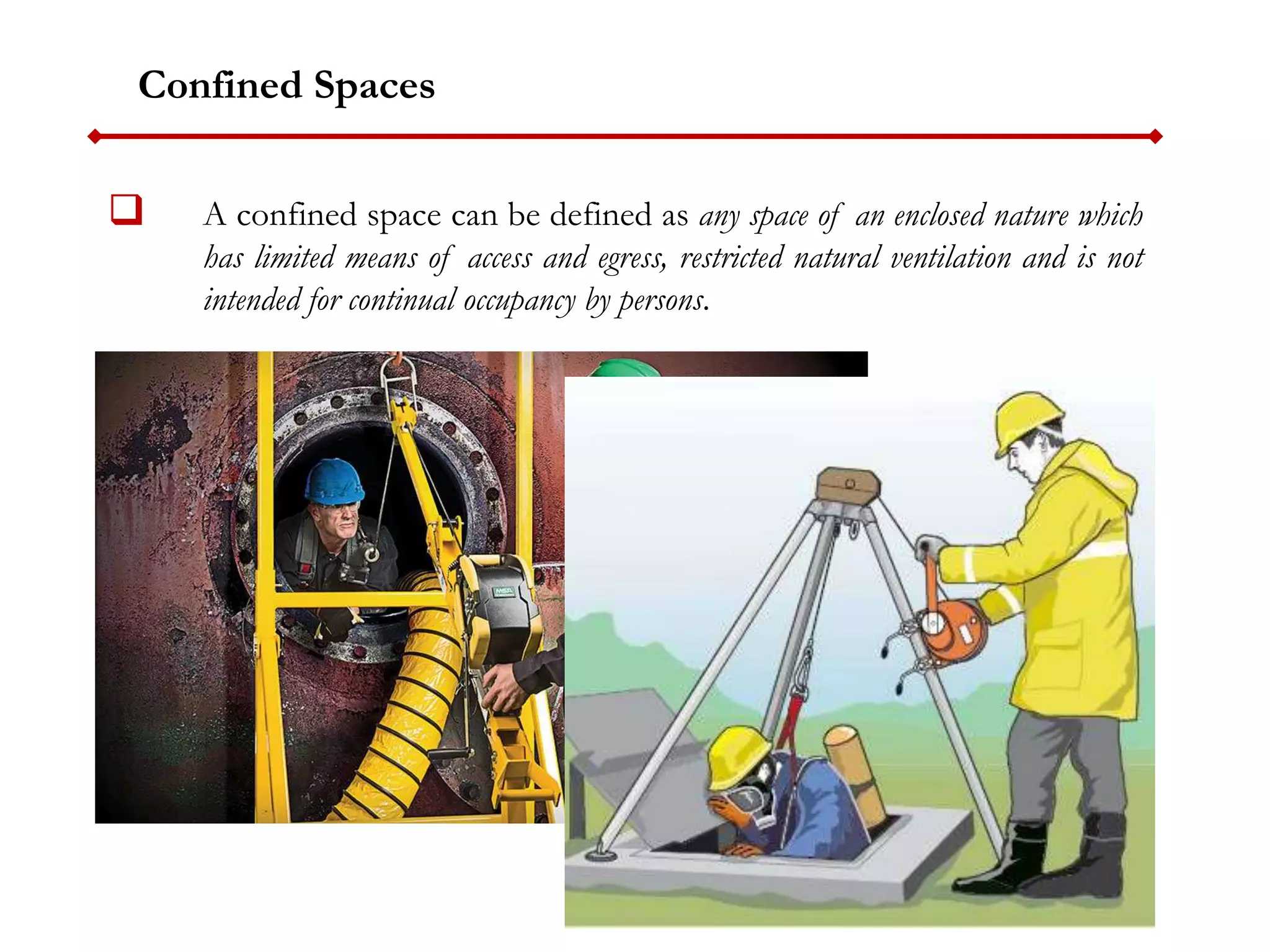
In industrial, construction, and utility sectors, a confined space is defined by specific physical characteristics: it is large enough for a person to enter, has limited or restricted means of entry or exit, and is not designed for continuous human occupancy. Because these environments present unique atmospheric and physical hazards, regulatory bodies—such as the Occupational Safety and Health Administration (OSHA) in the United States—mandate rigorous training for anyone involved in entry operations.
Online training has emerged as a primary method for delivering the foundational knowledge required for this work. Unlike traditional classroom-based seminars, which require all participants to be in a single location at a specific time, online courses function via web-based platforms that host multimedia content. These systems allow companies to track employee progress, verify identity, and maintain detailed records of completion, which is a vital component of audit readiness.
Core Components of an Online Confined Space Course
To be effective and compliant, an online course must translate complex safety standards into an accessible digital format. While curricula vary by provider, a comprehensive program typically includes these modules:
- Regulatory Definitions: A thorough breakdown of what constitutes a "permit-required" confined space versus a non-permit space, based on current standards.
- Hazard Recognition: Detailed information on atmospheric hazards (such as oxygen deficiency, toxic gases, or flammable vapors) and physical hazards (like engulfment, mechanical energy, or hazardous surfaces).
- Permit Systems: The mechanics of the permit-to-work system, including how to read a permit, the roles of the entrant, attendant, and entry supervisor, and the documentation requirements for each shift.
- Control Measures: Education on ventilation, lockout/tagout procedures, personal protective equipment (PPE), and atmospheric testing instruments.
- Emergency Response: Procedures for non-entry rescues, communication protocols with rescue services, and the limitations of an attendant’s role during an emergency.
The Learning Management System (LMS) Experience
The "how" of online training relies heavily on the Learning Management System. When an organization or an individual registers for a course, they are provided with secure login credentials to a portal. The interface is designed to lead the user through a linear progression of slides, videos, and interactive scenarios.
Progress is monitored by the system in real-time. If a user closes the browser before finishing a section, the system saves their spot, allowing them to resume later. This modular design is particularly beneficial for workers with shifting schedules, as it removes the barrier of a fixed, multi-hour commitment. Most platforms utilize a "competency-based" model, meaning the user must interact with all content and often score above a specific threshold (e.g., 80% or 90%) on a final exam to qualify for a certificate of completion.
The Crucial Distinction: Knowledge vs. Practice
It is essential to understand that online training alone does not make a worker "authorized" or "competent" to enter a space. Under most safety standards, online training covers the cognitive or theoretical portion of safety education. It serves as the prerequisite to practical, site-specific training.
After completing an online course, a worker must typically undergo a hands-on assessment performed by a qualified person at their job site. This involves:
- Site-Specific Equipment Training: Learning how to operate the specific gas monitors, tripods, winches, and ventilation blowers used at that facility.
- Emergency Drill Participation: Physical practice in emergency egress and the rescue techniques applicable to the exact vessels or spaces the worker will encounter.
- Documentation Review: Familiarization with the specific company-wide safety policies that may exceed general regulatory requirements.
Comparison of Training Modalities
Selecting the right training method involves balancing convenience, cost, and the specific needs of the workforce.
| Feature | Online Training | In-Person Instructor |
|---|---|---|
| Accessibility | Available 24/7, remote access | Scheduled, requires travel |
| Pacing | Self-paced by the learner | Fixed group pace |
| Documentation | Automated, digital certificates | Manual, paper records |
| Practical Hands-on | None (theory only) | Extensive, supervised practice |
| Cost | Typically lower per seat | Higher due to travel/instructor fees |
Verification and Compliance Audits
For employers, the most significant advantage of online training is the digital paper trail. During a safety audit, an inspector may ask for proof of training. Online systems allow safety managers to generate reports showing the exact date of completion, the curriculum covered, the time spent in the course, and the final assessment score for every employee.
When evaluating an online training provider, verify that their content is updated to reflect the most current standards. In 2026, ensure the provider references current OSHA or local jurisdictional standards (such as those from the Canadian Centre for Occupational Health and Safety or equivalent regional bodies). Avoid providers that offer "instant" completion certificates without robust quiz requirements, as these are often insufficient for regulatory scrutiny and fail to teach the material adequately.
Common Pitfalls and Troubleshooting
While online training is efficient, it is not without challenges. Users often face technical difficulties that can delay compliance.
- Browser Compatibility: Some older interactive modules require specific browser settings or updated versions of software like Adobe or modern HTML5-based web standards. If a video fails to load, clearing the browser cache or switching to a browser recommended by the provider usually resolves the issue.
- Identity Verification: To ensure the person who signed up is the one completing the training, some platforms require periodic "check-ins" or biometric verification. Ensure your device has a working webcam if required.
- Scope Creep: A common mistake is assigning the same generic confined space course to all employees. A worker in a chemical processing plant has vastly different risks than a worker in a basement utility room. Always ensure the chosen course content aligns with the actual environment of the worker.
Selecting a Reliable Provider
When purchasing access to these programs, consider the following checklist:
- Certification Validity: Does the provider issue a certificate that is widely recognized in your industry?
- Regulatory Alignment: Is the content specifically written to satisfy the laws of your jurisdiction?
- Support Accessibility: Does the provider offer technical support to help users who are locked out or experiencing platform glitches?
- Content Update Frequency: How often does the provider update the course to reflect changing technology or new safety best practices?
Practical Next Actions
If you are an employer looking to implement confined space training, your first step should be to conduct a comprehensive risk assessment of all spaces on your property. Identify which are permit-required and which are not. Once the spaces are identified, select an online training provider that covers the general safety principles for your specific industry.
After your team completes the online theory, schedule a mandatory follow-up session to conduct hands-on training with the specific equipment they will use on the job. Maintain a file for each employee that contains their online course certificate of completion alongside documentation of their practical equipment proficiency. This two-tier approach—online theory plus practical application—provides the strongest defense for both worker safety and regulatory compliance.
Frequently Asked Questions
Does online training replace the need for an on-site supervisor? No. Online training provides the knowledge required to understand the hazards, but on-site supervision is a legal requirement for permit-required entries. A supervisor must be present to manage the permit process and verify that atmospheric testing has been conducted.
How often does confined space training need to be refreshed? Regulatory requirements vary by region, but most standards require re-training whenever there is a change in the workplace, a change in equipment, or when the employer has reason to believe a worker’s previous knowledge is inadequate. Many companies establish an annual or biennial refresher cycle as a best practice.
Can one online course cover all types of confined spaces? Usually, no. Confined spaces range from underground vaults to chemical tanks and silos. While basic safety principles apply to all, specialized environments (like those involving toxic gases or explosive dust) require specialized training modules. Ensure your chosen course aligns with your specific industrial environment.
What happens if I fail the online final exam? Most reputable online systems allow multiple attempts to pass the exam. If you fail, the system typically directs you back to the specific modules you missed so you can review the material before re-testing.
Is there a minimum age requirement for this training? While the training content is technical, the primary requirement is that the worker must be old enough to perform the duties of an entrant or attendant under local labor laws. There is no specific age requirement for the training course itself, but trainees must be capable of understanding the safety documentation.

Image Gallery
Select an image to open it in a new tab.

Omar Farooq
EdTech Innovation and Virtual Pedagogy Journalist
