
Securing affordable airfare to Europe requires balancing seasonal demand with the strategic timing of booking windows. For most travelers, the "Goldilocks zone" for booking international flights to Europe is between three and six months before departure. By monitoring fare trends, leveraging mid-week travel days, and avoiding peak summer holiday windows, you can significantly reduce your travel costs in 2026.
Understanding the Airline Pricing Lifecycle
Airline pricing is governed by dynamic revenue management systems. These sophisticated algorithms adjust ticket prices in real-time based on historical demand, current booking velocity, competitor pricing, and inventory levels. Airlines categorize seats into different "fare buckets," starting with the lowest-priced inventory and gradually releasing more expensive tickets as the flight fills up.
The primary objective for any traveler is to purchase a ticket while the airline is still offering seats in the lower fare buckets. While myths about "clearing your browser cookies" or "booking on a specific day of the week" persist, the reality of 2026 travel is that constant monitoring and automated price alerts are far more effective than trying to "game" the system with minor behavioral changes.
The Booking Window Reality
For flights from North America to Europe, booking too early—more than nine months in advance—is often as counterproductive as booking at the last minute. When flights are released (typically 330 days out), airlines often price them at a premium to capture high-budget business travelers. The sweet spot emerges as the airline gains a clearer picture of how a specific flight is selling.
- 1–3 months before: Prices often spike as airlines target last-minute travelers who are less price-sensitive.
- 3–6 months before: This is the ideal window. Airlines have analyzed early booking data and are usually looking to fill remaining capacity at competitive rates.
- 6–9+ months before: Generally safe, but rarely the cheapest. You are paying for the peace of mind of having your travel plans solidified.
Seasonal Variations and Peak Travel Periods
Geography and local European events play a massive role in ticket costs. Understanding the European seasonal calendar allows you to plan your trip around peak demand, which often dictates price shifts more than the booking date itself.
Summer (June through August)
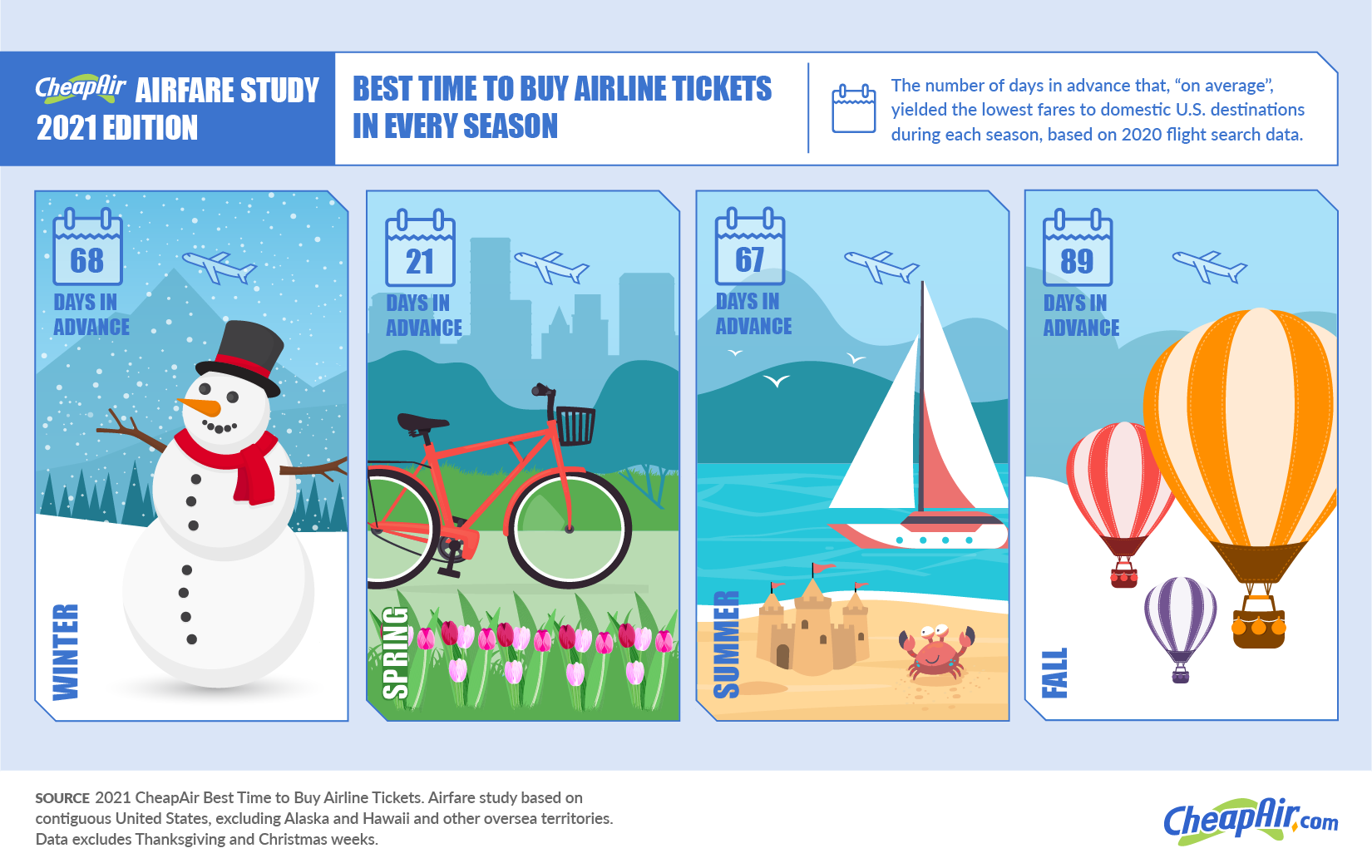
Summer is the most expensive time to visit Europe. Demand from families, students, and tourists reaches its zenith. If you must travel during these months, the best strategy is to look at "shoulder" dates—the very beginning of June or the final two weeks of August—when prices begin to normalize.
Shoulder Seasons (April–May and September–October)
The shoulder season offers the most favorable balance of cost and weather. Airlines often lower prices to stimulate demand during these months. Booking four to five months in advance for a May or September trip can frequently yield prices 30% to 40% lower than those for July departures.
Winter (November through March, excluding holidays)
Outside of the Christmas and New Year’s period, the winter months represent the "off-season." Pricing is at its most aggressive as airlines struggle to fill planes. If you are flexible and willing to navigate colder temperatures, this is consistently the most affordable time to fly.
Tactical Strategies for Lower Fares
Beyond the booking window, several tactical decisions can influence the total price of your ticket.
Flexibility with Dates and Destinations
Being flexible with your travel dates is the single most effective way to lower costs. Using tools that provide a "whole month" view allows you to identify specific days where the price is significantly lower. Often, moving a departure by just 48 hours can save hundreds of dollars.
Similarly, consider your entry point. If you plan to visit multiple countries, compare flight prices into major hubs versus secondary airports. For example, flying into London or Paris is often cheaper due to higher flight volume, even if those cities are not your final destination. You can then use a low-cost European carrier or a high-speed train to reach your target location.
Mid-Week Travel
Statistically, Tuesday and Wednesday flights are consistently cheaper than weekend flights. Business travel demand peaks on Monday mornings and Friday afternoons; by avoiding these high-demand travel periods, you are avoiding the demographic that airlines target for maximum profit.
Comparative Cost Framework
| Booking Period | Price Sensitivity | Availability | Strategy |
|---|---|---|---|
| 6+ Months Out | Low | High | Best for fixed dates/groups. |
| 3–6 Months Out | Moderate | Optimal | The "Goldilocks" sweet spot. |
| 1–3 Months Out | High | Declining | Risky; prices often inflate. |
| Under 30 Days | Extreme | Low | Only for last-minute emergencies. |
Utilizing Technology and Fare Alerts
In 2026, the most effective way to manage your ticket purchase is to outsource the monitoring process. Numerous platforms allow you to set "Price Alerts" for specific routes and date ranges.
When you set an alert, these systems track the flight's pricing and notify you via email or push notification when the price drops below a certain threshold. This removes the need for manual daily checks and ensures that you do not miss a "flash sale" or a strategic price correction by the airline.
Avoiding Common Mistakes
- Waiting for "Last Minute Deals": Unlike hotels or rental cars, international airfare rarely gets cheaper as the departure date approaches. The last-minute traveler is, by default, the most desperate buyer, and airlines price their tickets accordingly.
- Ignoring Ancillary Costs: A low base fare can be deceptive. When comparing tickets, always look at the total cost, including baggage fees, seat selection, and airport taxes. A "budget" airline might end up costing more than a full-service carrier once these fees are included.
- Booking Multi-Leg Flights Separately: Unless you are experienced in navigating airline alliance rules, booking separate tickets to save money can be disastrous. If your first flight is delayed and you miss your connection on a separate ticket, the second airline is under no obligation to assist you.
Frequently Asked Questions
Is it cheaper to book on a Tuesday?
No. The myth that airlines release cheaper fares on Tuesday mornings is outdated. Modern pricing algorithms update in real-time, 24 hours a day. While historical data occasionally shows fluctuations, the day of the week you book is far less important than the day of the week you choose to fly.
Should I use a VPN to find cheaper international flights?
Using a Virtual Private Network (VPN) to spoof your location rarely results in lower prices for 2026 flights. While localized pricing existed in the past, airlines now use sophisticated tracking methods and currency controls that effectively neutralize location-based price manipulation.
Are round-trip tickets always cheaper than two one-way tickets?
Not necessarily. In the past, this was a golden rule, but modern "split-ticketing"—where you fly out on one airline and return on another—can sometimes offer better flexibility and, occasionally, lower pricing. Always compare the cost of a single round-trip against the sum of two one-way tickets on different carriers.
Do airline miles make a difference?
Yes, but they require a long-term strategy. If you are looking to book a flight for next month, your mileage balance is likely irrelevant. However, if you plan to travel to Europe every year, accumulating miles through airline-branded credit cards or consistent loyalty program usage can significantly offset the cost of long-haul international flights.
What if the price drops after I buy my ticket?
If you purchase a non-refundable ticket, you are generally locked into that price. However, some airlines offer "price protection" or travel credits if the fare decreases shortly after booking. Always check the fare rules and cancellation policies before confirming your payment.
Is it better to book directly with the airline?
Yes. Booking directly with the airline is almost always safer than using a third-party Online Travel Agency (OTA). If there is a flight cancellation or a change in schedule, dealing directly with the airline’s customer service is significantly less complicated than trying to resolve issues through an intermediary.
Final Recommendation: The "3-Month Rule"
For the majority of travelers planning a 2026 trip to Europe, the most reliable strategy is to begin tracking your specific route six months out and execute your booking no later than three months before your departure. Set up automated price alerts, remain flexible with your departure dates, and prioritize flying mid-week. By adhering to this disciplined approach, you insulate yourself from the volatility of the aviation market and secure the most cost-effective travel plan possible.
Image Gallery
Select an image to open it in a new tab.

Simon Caldwell
Enterprise Technology and Systems Editor
