
Macroeconomics provides the essential framework for understanding how national and global economies function as a whole. By analyzing aggregate indicators like GDP, inflation, and unemployment, it empowers governments to craft policy, businesses to strategize for the long term, and individuals to navigate shifting financial landscapes with informed clarity and foresight.
Macroeconomics is often described as the study of the "big picture." While microeconomics focuses on the decisions of individual consumers and firms, macroeconomics zooms out to observe the behavior of entire nations and the global marketplace. In the year 2026, this perspective is more critical than ever as the world navigates the complexities of post-digital transformation, evolving labor markets, and the transition toward sustainable energy systems. Understanding why macroeconomics is important requires an exploration of how high-level data translates into the daily realities of production, consumption, and wealth preservation.
The Foundations of Macroeconomic Thought: The Forest vs. The Trees
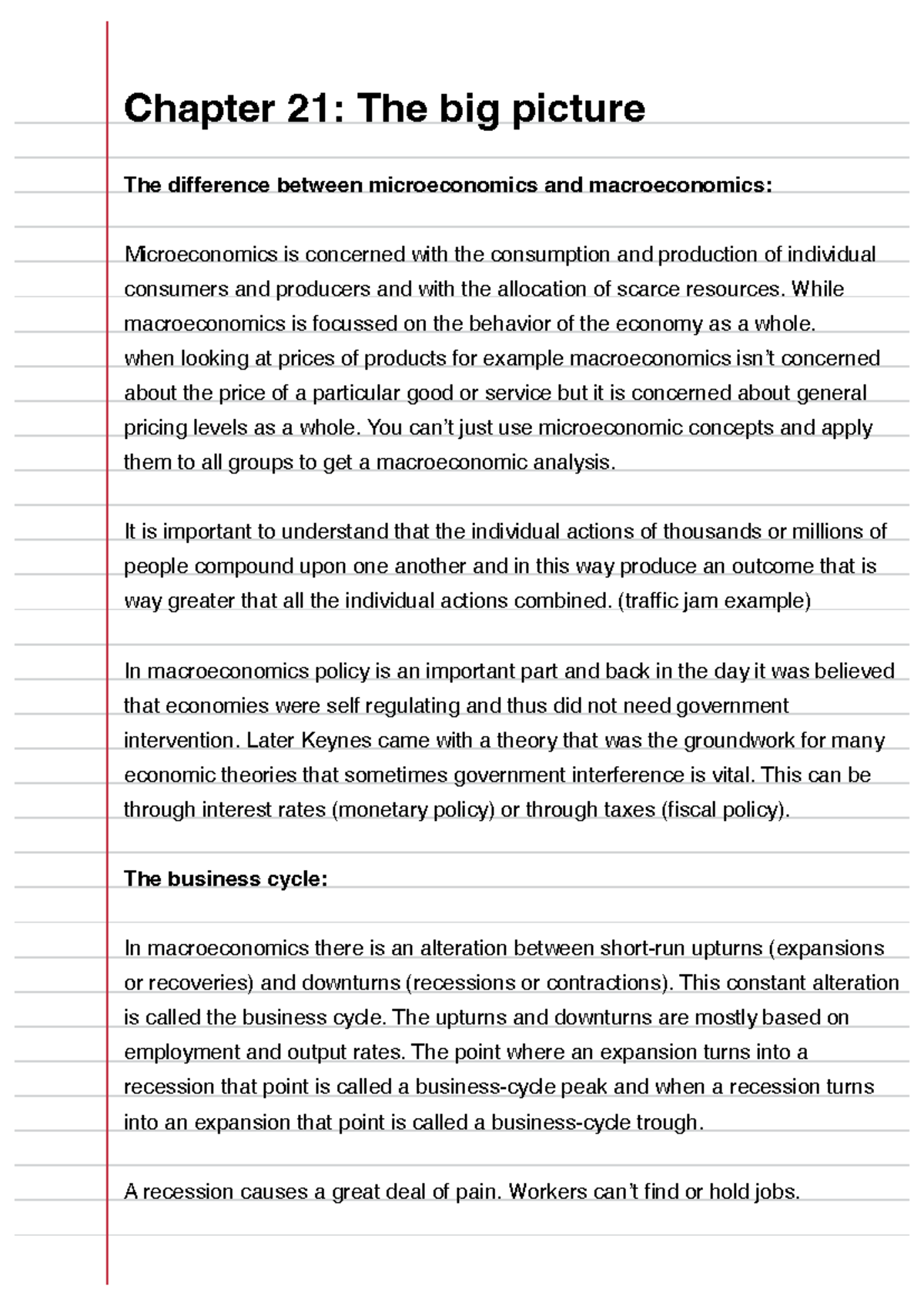
To appreciate the importance of macroeconomics, one must first distinguish it from its counterpart, microeconomics. If microeconomics is the study of a single tree—how it grows, how much water it needs, and how it competes for sunlight—macroeconomics is the study of the entire forest. It examines the health of the ecosystem, the climate that affects all trees, and the systemic risks like wildfires or droughts that could devastate the region.
Macroeconomics deals with aggregate variables. These are sums of individual actions that, when combined, create a new set of economic phenomena. For example, a single person losing a job is a personal crisis (micro); however, 10% of a nation losing their jobs is a recessionary signal (macro). This distinction is vital because what is true for an individual may not be true for the economy at large. This is known as the paradox of thrift: if one person saves more money, they are more financially secure, but if everyone in a nation saves more at the same time, total consumption drops, leading to lower production and potentially higher unemployment.
The Primary Pillars of Macroeconomic Analysis
Macroeconomists focus on several key indicators to gauge the health of an economy. These metrics provide the data necessary for "understanding the big picture."
Gross Domestic Product (GDP): The Standard of Value
Gross Domestic Product represents the total market value of all final goods and services produced within a country’s borders in a specific period. It is the primary yardstick for economic growth. Understanding GDP is important because it correlates with the standard of living. When GDP grows, it typically means businesses are expanding, more jobs are being created, and the government is collecting more tax revenue to fund public services.
In 2026, the focus has shifted toward Real GDP, which adjusts for inflation to provide a more accurate picture of actual growth. Without macroeconomics, we would be unable to determine if an increase in national spending is due to more goods being produced or simply because prices have risen. The U.S. Bureau of Economic Analysis provides the foundational data used by analysts worldwide to track these movements.
Inflation and Purchasing Power
Inflation is the rate at which the general level of prices for goods and services rises, subsequently eroding purchasing power. Macroeconomics helps us understand the causes of inflation—whether it is "demand-pull" (too much money chasing too few goods) or "cost-push" (rising costs of production, such as energy or labor).
Monitoring the Consumer Price Index (CPI) and the Producer Price Index (PPI) allows central banks to determine when the economy is "overheating." If inflation is too high, the value of savings diminishes, and the cost of living becomes unsustainable for many. Conversely, deflation (falling prices) can be equally dangerous, as it leads to delayed spending and stagnant growth. Macroeconomic theory provides the tools to maintain a "Goldilocks" economy—not too hot, not too cold.
Employment and Labor Markets
The unemployment rate is perhaps the most socially significant macroeconomic indicator. It measures the percentage of the labor force that is jobless and actively seeking work. Macroeconomics distinguishes between different types of unemployment:
- Frictional Unemployment: Temporary gaps as people move between jobs.
- Structural Unemployment: A mismatch between worker skills and the jobs available (highly relevant in 2026 as AI replaces traditional roles).
- Cyclical Unemployment: Job loss caused by a downturn in the business cycle.
By understanding these categories, policymakers can decide whether to invest in job retraining programs or use monetary stimulus to jumpstart demand.

The Role of Government and Central Banks
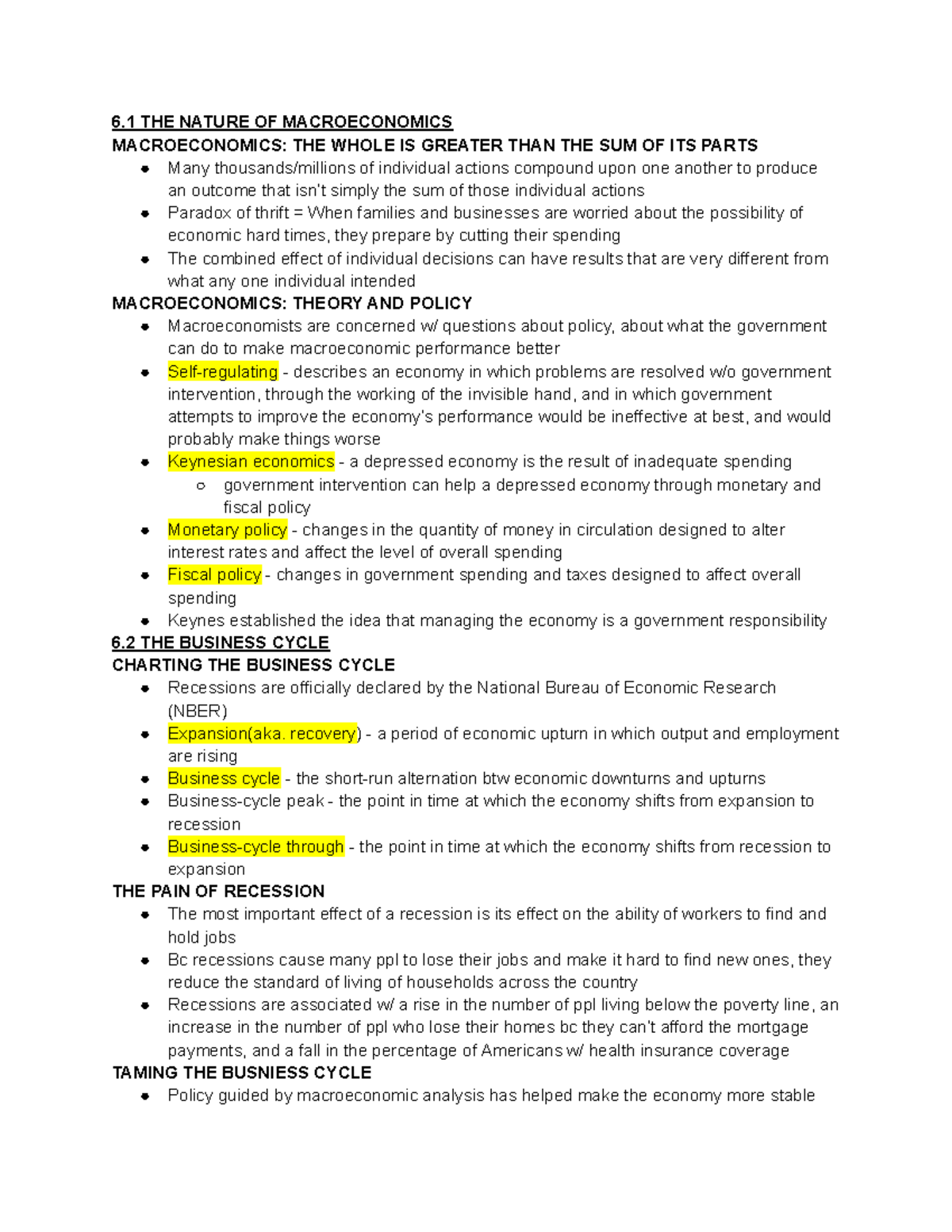
One of the most practical reasons macroeconomics is important is its role in guiding Economic Policy. Governments and central banks do not simply watch the economy happen; they actively manage it through two primary levers.
Monetary Policy: Managing the Money Supply
Central banks, such as the Federal Reserve in the United States or the European Central Bank, use monetary policy to influence the economy. They primarily do this by adjusting interest rates and managing the money supply. When the big picture shows high inflation, the central bank may raise interest rates to make borrowing more expensive, which cools down spending.
If the economy is in a slump, the central bank might lower rates to encourage businesses to take out loans for expansion and consumers to buy homes or cars. According to the Federal Reserve's policy framework, the goal is to achieve "maximum employment and stable prices." Without macroeconomic modeling, these decisions would be guesswork, potentially leading to hyperinflation or deep depressions.
Fiscal Policy: Taxation and Spending
Fiscal policy involves the government's use of spending and taxation to influence the economy. When the private sector is not spending enough to keep the economy moving, the government can step in with stimulus spending on infrastructure, education, or healthcare.
Macroeconomics explains the Multiplier Effect, where an initial dollar of government spending leads to more than a dollar of economic growth as that money circulates through the hands of workers and business owners. Conversely, it also warns of the "crowding out" effect, where excessive government borrowing can lead to higher interest rates for everyone else.
Why Businesses Can't Ignore the Macro Environment
For a business owner or executive, understanding the big picture is a matter of survival. Macroeconomic trends dictate the cost of capital, the availability of labor, and the strength of consumer demand.
- Investment Strategy: A firm planning to build a new factory must consider the long-term outlook for GDP growth and interest rates. If a recession is forecasted on the macroeconomic horizon, the firm might delay the project to preserve cash.
- Pricing Power: Businesses must monitor inflation trends to set their prices. If the macro data shows rising producer costs across the industry, a business knows it must adjust its pricing or risk losing its profit margins.
- Global Supply Chains: In 2026, supply chains are more sensitive than ever to exchange rates and international trade policies. Macroeconomics provides the tools to analyze how a strengthening dollar or a new trade agreement with an emerging market will affect the cost of imported raw materials.
The Individual Perspective: How Macro Impacts Your Wallet
While it may seem abstract, macroeconomics is deeply personal. It dictates the "economic weather" in which you live your life.
- Mortgages and Loans: If you are buying a home in 2026, the interest rate you pay is determined by the central bank's response to macroeconomic data. A 1% difference in interest rates can mean tens of thousands of dollars over the life of a loan.
- Career Decisions: Understanding which sectors are growing (and why) can help you choose a career path with longevity. Macroeconomic reports often highlight where "structural shifts" are occurring, such as the move from fossil fuels to renewable energy.
- Retirement Planning: The real return on your investments depends on the relationship between market gains and inflation. If your stocks return 7% but inflation is 5%, your "real" gain is only 2%. Macroeconomics helps you account for this.
Global Interconnectivity: The International Dimension
No nation is an island in the modern economy. Macroeconomics is essential for understanding International Trade and the Balance of Payments. It explains why some countries run trade deficits while others have surpluses, and how these imbalances affect the value of national currencies.
The International Monetary Fund (IMF) highlights that macroeconomic stability in one region is often dependent on the stability of its trading partners. For instance, a slowdown in Chinese manufacturing in 2026 can immediately impact the price of electronics in Europe and the demand for raw materials from Brazil. Understanding the "big picture" requires a global lens to see how capital flows across borders.
Macroeconomics in 2026: Modern Challenges
As we navigate 2026, macroeconomics has evolved to address new, complex realities. The "big picture" now includes variables that were once considered peripheral.
The Productivity of Artificial Intelligence
Economists are currently debating how the widespread integration of AI affects the Long-run Aggregate Supply (LRAS). While AI increases productivity, the macroeconomic question is how that wealth is distributed and whether it creates a permanent "jobless recovery."
Climate Change and Green Macroeconomics
The cost of climate-related disasters and the transition to a low-carbon economy are now standard components of macroeconomic forecasting. Analysts must calculate the "Green GDP," which accounts for environmental degradation. This helps governments decide the appropriate level of carbon taxes or subsidies for renewable energy.
Debt Sustainability
Following the massive fiscal interventions of the early 2020s, many nations in 2026 are grappling with high debt-to-GDP ratios. Macroeconomics provides the frameworks for debt restructuring and sustainability analysis, ensuring that governments can meet their obligations without triggering a financial crisis.
Summary of Macroeconomic Objectives and Tools
| Objective | Key Indicator | Primary Policy Tool | 2026 Focus Area |
|---|---|---|---|
| Economic Growth | Real GDP | Investment Incentives / Fiscal Spend | AI-driven productivity gains |
| Price Stability | Inflation (CPI/PPI) | Interest Rate Adjustments | Managing energy price volatility |
| Full Employment | Unemployment Rate | Job Training / Stimulus | Reskilling the workforce for automation |
| External Balance | Exchange Rates / Trade Balance | Trade Agreements / Currency Interventions | Diversifying supply chain dependencies |
| Environmental Health | Green GDP | Carbon Credits / Taxation | Financing the energy transition |
Frequently Asked Questions
What is the difference between microeconomics and macroeconomics?
Microeconomics studies the behavior of individuals and firms, such as how a household budgets or how a company decides its product price. Macroeconomics looks at the economy as a whole, focusing on national income, total employment, and the general price level. Think of microeconomics as looking through a microscope and macroeconomics as looking through a telescope.
Why do central banks target an inflation rate of 2%?
A small, predictable amount of inflation is generally considered healthy for an economy. It encourages consumers to buy now rather than wait for lower prices, which keeps demand steady. It also gives central banks "room" to lower interest rates during a recession. Targeting 2% provides a buffer against the dangerous spiral of deflation while keeping the cost of living relatively stable.
How does macroeconomics affect my daily life?
Macroeconomics affects the interest rates on your credit cards and mortgages, the likelihood of you finding or keeping a job, and the purchasing power of your paycheck. When the "big picture" of the economy is unstable, you feel it through higher prices at the grocery store or a more competitive and difficult job market.
Can macroeconomics predict the next recession?
While macroeconomics provides indicators and models that can signal a recession—such as an inverted yield curve or declining consumer confidence—it is not an exact science. Economies are influenced by unpredictable human behavior and "black swan" events. However, macroeconomic analysis helps us prepare for and mitigate the impact of these downturns when they occur.
Why is GDP often criticized as a measure of well-being?
GDP measures the market value of goods and services produced, but it does not account for income inequality, environmental damage, or the value of unpaid labor (like caregiving). This is why many economists in 2026 use GDP alongside other metrics, such as the Human Development Index (HDI) or "Green GDP," to get a more holistic view of a nation's health.
Practical Recommendation: Navigating the Macro Environment
To make the most of macroeconomic knowledge, individuals and business leaders should regularly consult reports from reputable organizations like the World Bank or the OECD. For personal financial health, focus on the "Real" numbers—always subtract the current inflation rate from your investment returns or salary raises to see if you are actually getting ahead. In 2026, being "macro-literate" is no longer just for academics; it is a vital skill for anyone looking to build a secure and prosperous future in an interconnected world.
Image Gallery
Select an image to open it in a new tab.
Vivian Cho
Executive IT and Emerging Technologies Reporter
