Principles of Life Insurance (IC 02) is a foundational certification module offered by the Insurance Institute of India (III) for the Licentiate examination. It establishes the core conceptual framework for life insurance, covering risk management, legal requirements, product structures, and the regulatory environment essential for professionals in the Indian insurance industry.
The Significance of IC 02 in Insurance Education
The Insurance Institute of India (III) serves as the primary professional body for insurance education in India and several other jurisdictions. The IC 02 module, "Principles of Life Insurance," acts as the entry point for anyone seeking a career in the life insurance sector, whether as an agent, an administrative officer, or an underwriter. In 2026, despite the massive shift toward artificial intelligence and automated underwriting, the human-centric principles taught in IC 02 remain the bedrock of the industry.
The course is designed to transition a student from a general understanding of finance to a specialized understanding of life-contingent risks. It bridges the gap between theoretical risk and practical financial protection. For professionals, passing IC 02 is often a prerequisite for obtaining a license or progressing toward the Associateship and Fellowship levels of the III.
Fundamental Concepts of Risk and Life Insurance
At its core, life insurance is a mechanism for the transfer of risk. IC 02 emphasizes that while no one can predict the timing of an individual’s death, the mortality of a large group can be predicted with significant accuracy. This leads to the concept of pooling of risks, where the losses of the few are distributed among the many.
The Concept of Human Life Value (HLV)
One of the most critical topics in IC 02 is the Human Life Value (HLV) concept, originally proposed by Dr. S.S. Huebner. HLV is a method used to determine the amount of insurance a person should carry based on their future earning potential.
In 2026, HLV calculations have become more sophisticated, incorporating inflation-adjusted growth and debt obligations, yet the IC 02 fundamental remains: an individual’s life has a financial value to their dependents, and insurance serves to replace that "economic loss" should the person die prematurely. This distinguishes life insurance from a "gamble"—the insured is not seeking a profit but rather the restoration of a financial status quo for survivors.
The Level Premium System
In the early history of insurance, premiums were often charged based on the actual risk of death for each year (Step-Rate System). However, this meant premiums became prohibitively expensive as a person aged. IC 02 explains the Level Premium System, where the premium remains constant throughout the policy term. In the early years, the policyholder pays more than the actual cost of mortality risk; this excess is invested by the insurer to cover the higher mortality costs that occur in the later years of life.
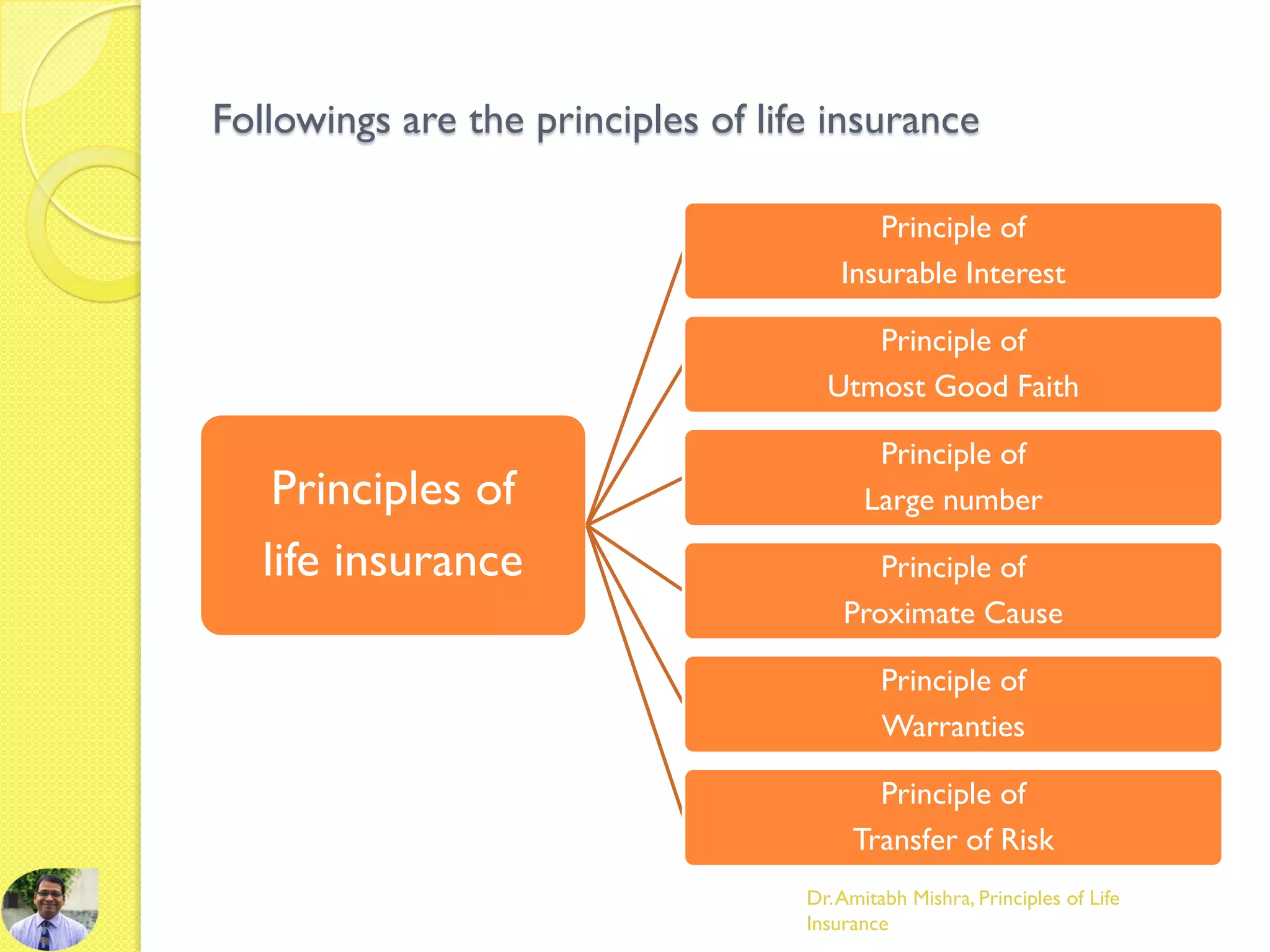
Legal Principles Governing the Insurance Contract
An insurance policy is a legally binding contract. Because it is a contract of "adhesion" (where one party sets the terms and the other agrees), specific legal principles apply to protect both the insurer and the insured.
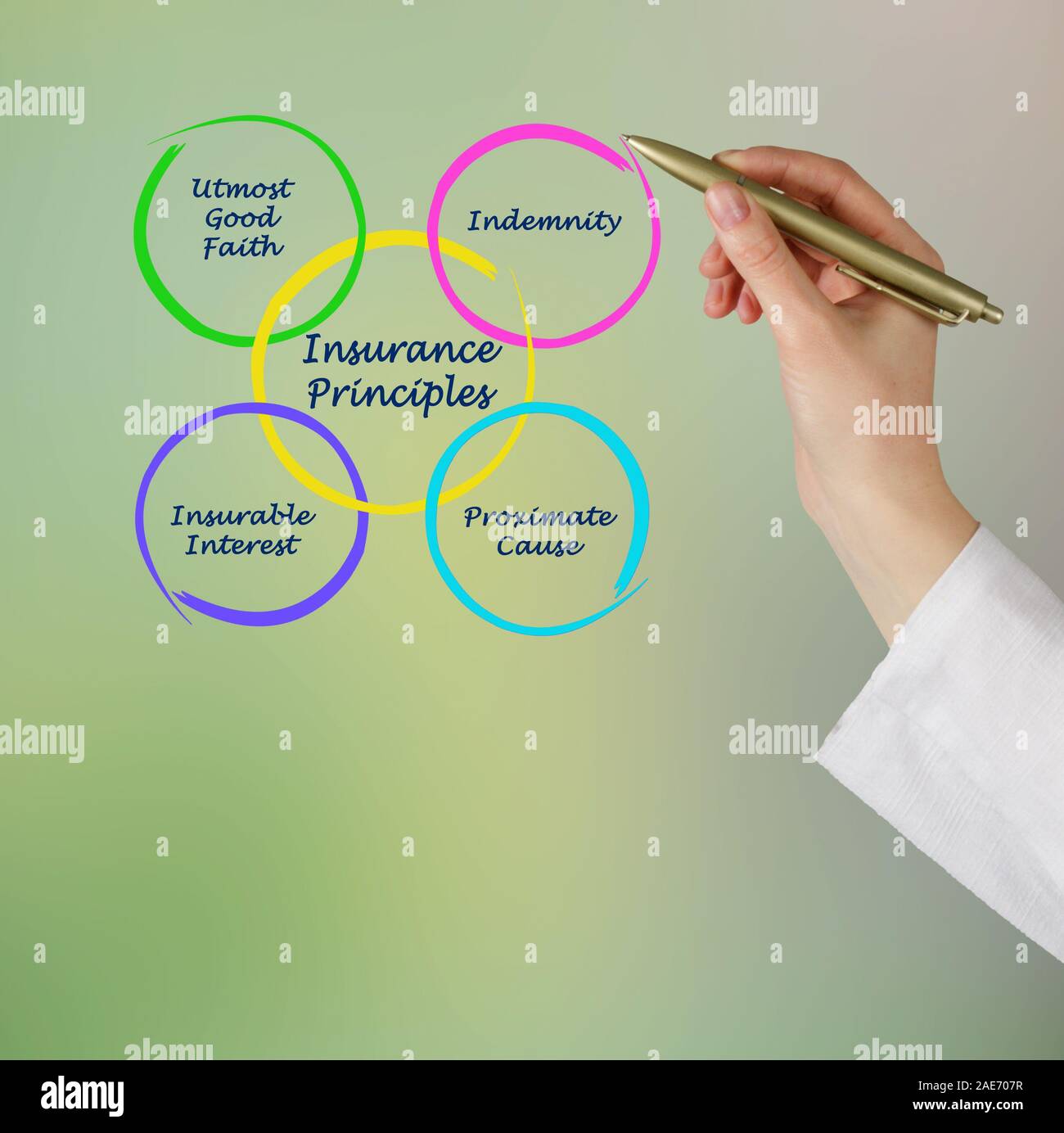
Utmost Good Faith (Uberrimae Fidei)
Unlike regular commercial contracts where the rule is "let the buyer beware" (Caveat Emptor), insurance operates on the principle of Utmost Good Faith. Both parties must disclose all material facts accurately. For a life insurance applicant, this includes disclosing pre-existing health conditions, lifestyle habits (like smoking), and hazardous occupations.
In the 2026 landscape of digital health records, the burden of disclosure remains with the proposer. IC 02 teaches that any "concealment" or "misstatement" of a material fact can render the contract voidable at the option of the insurer, particularly within the first three years of the policy (subject to Section 45 of the Insurance Act).
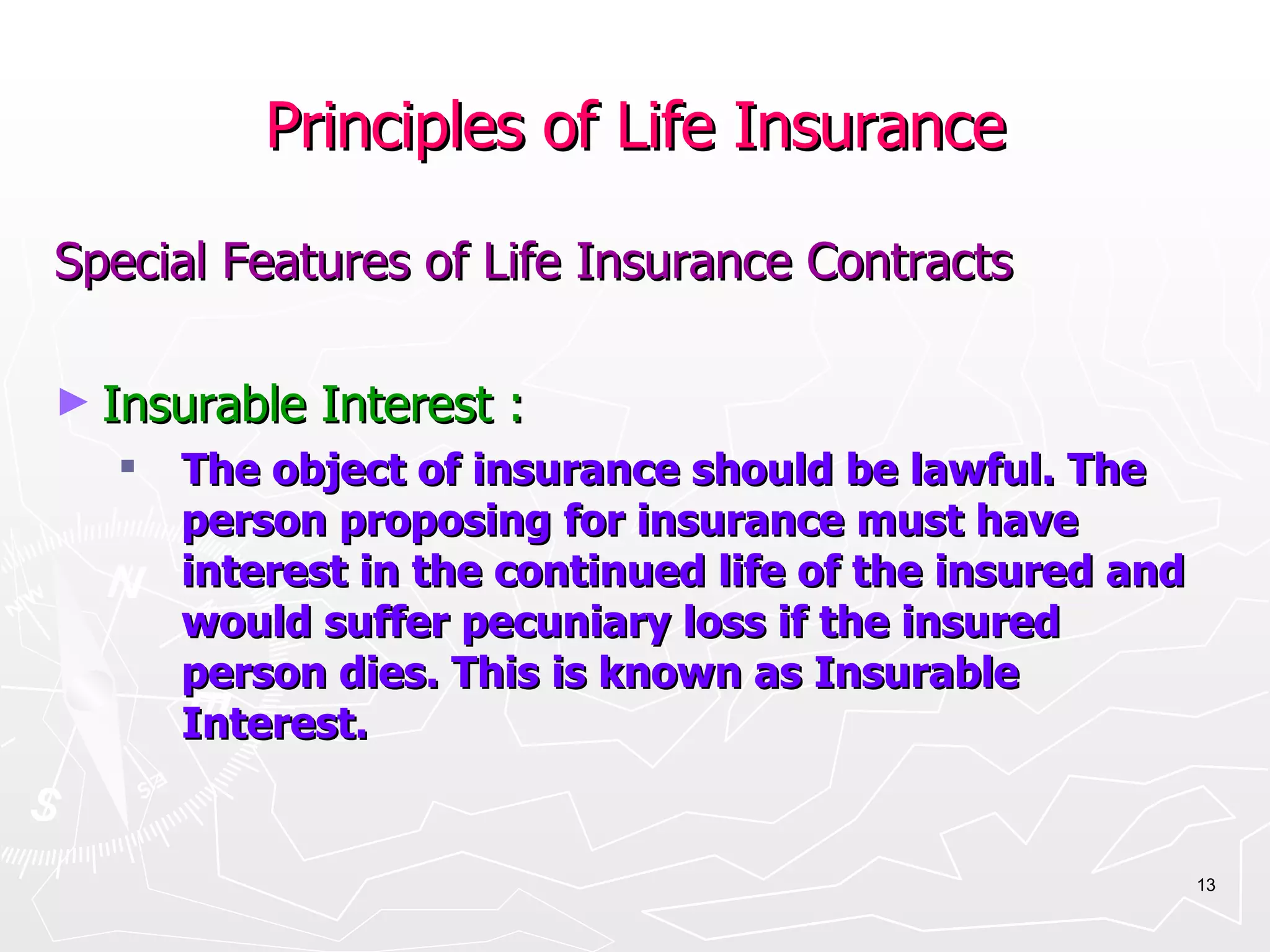
Insurable Interest
Insurable interest is the legal right to insure the life of another person. It exists when the death of that person would cause the policyholder a financial loss. IC 02 clarifies that in life insurance, insurable interest must exist at the inception of the policy, but not necessarily at the time of the claim. Common examples include:
- A person has unlimited insurable interest in their own life.
- A spouse has insurable interest in the life of their partner.
- A creditor has insurable interest in the life of a debtor (up to the amount of the debt).
- An employer has insurable interest in a "Key Person."
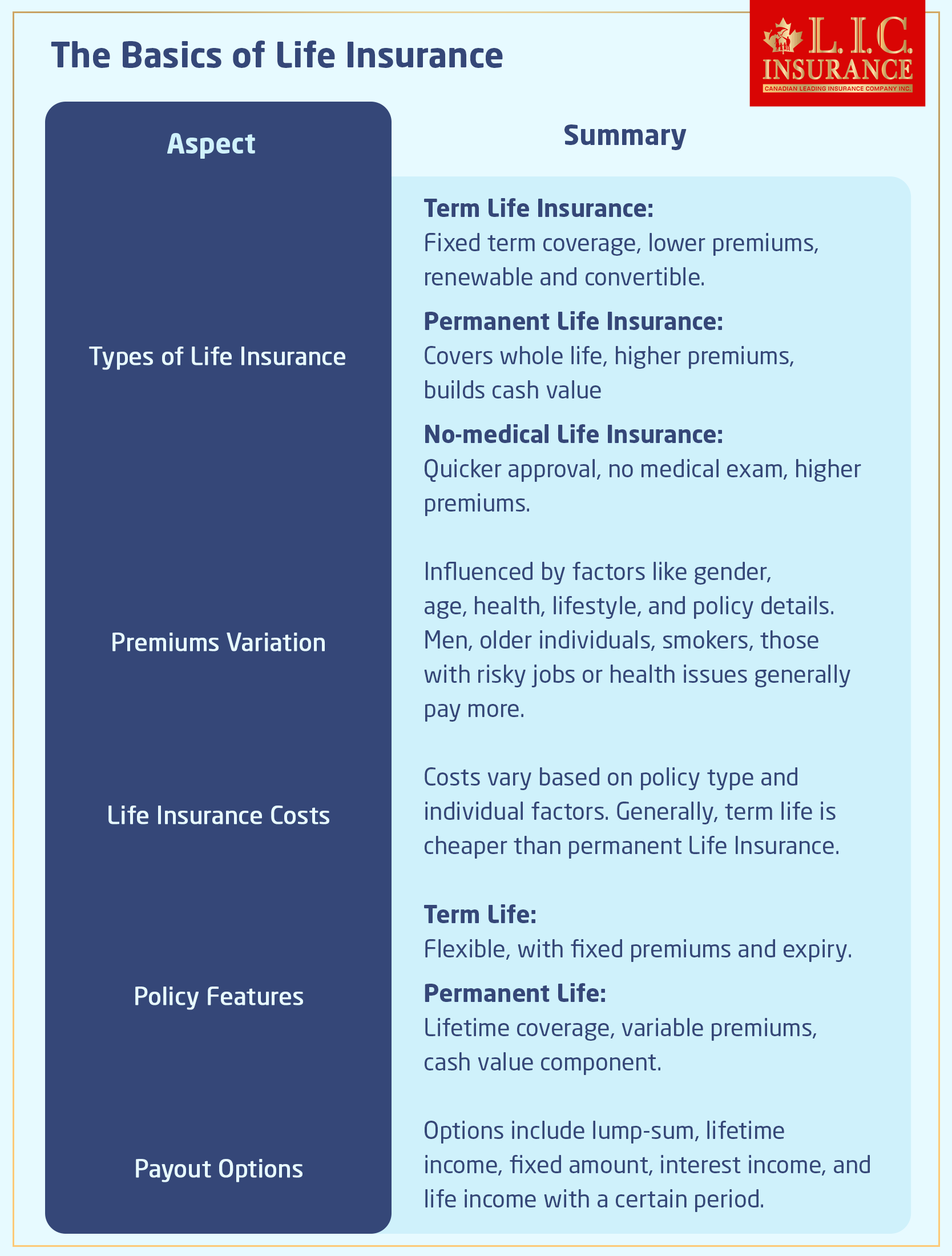
Life Insurance Product Classifications
The IC 02 curriculum categorizes products to help professionals recommend the right solution for specific financial goals. While 2026 sees many hybrid products, they all stem from these basic categories.
| Product Type | Primary Purpose | Benefit Structure |
|---|---|---|
| Term Insurance | Pure Protection | Pays death benefit only if the insured dies during the term. No maturity value. |
| Whole Life | Lifelong Coverage | Provides coverage for the entire life of the insured, often up to age 100. |
| Endowment Assurance | Savings + Protection | Pays the sum assured if the insured dies during the term OR if they survive the term. |
| Money Back | Liquidity + Protection | A variant of endowment where portions of the sum assured are paid at intervals. |
| ULIPs | Investment + Protection | Premiums are invested in market-linked funds (equity/debt) at the policyholder's risk. |
| Annuities/Pensions | Retirement Income | Provides regular payments to the insured starting from a specific vesting date. |
The Role of Riders
Riders are supplementary benefits added to a base policy for an extra premium. IC 02 introduces common riders such as the Accidental Death Benefit, Waiver of Premium (crucial if the policyholder becomes disabled), and Critical Illness riders. These allow for customization without the need for multiple separate policies.
The Underwriting and Pricing Process
Underwriting is the process of assessing risk to determine if a person is "insurable" and at what cost. IC 02 breaks this down into two main categories: Medical Underwriting (examining health) and Financial Underwriting (examining income and lifestyle).
The pricing of a policy (calculating the premium) involves three primary factors:
- Mortality: The probability of death at a given age, derived from mortality tables.
- Interest: The expected return the insurer will earn by investing the premiums.
- Expenses: The "loading" added to cover administrative costs, commissions, and a margin for contingencies.
In 2026, while Big Data helps refine these numbers, the IC 02 principles ensure that the student understands why a 50-year-old smoker pays significantly more than a 25-year-old non-smoker for the same coverage.
Documentation and Policy Provisions
The insurance cycle involves several critical documents. Understanding these is essential for passing the IC 02 examination and for professional practice.
- Proposal Form: The primary document where the applicant provides their details.
- First Premium Receipt (FPR): This document marks the commencement of the insurance contract.
- Policy Bond: The final contract document containing all terms, conditions, and schedules.
- Endorsement: A document used to record any changes (like a change in nominee or address) after the policy is issued.
Essential Policy Provisions
IC 02 covers the rights of the policyholder, such as the Free-Look Period (usually 15 or 30 days to review and cancel the policy), Grace Period (the time allowed to pay late premiums before the policy lapses), and Nomination (the right to name a person to receive the claim proceeds).
The module also explains the concept of Surrender Value and Paid-up Value. If a policyholder can no longer pay premiums, a policy that has acquired "paid-up" status continues with a reduced sum assured, whereas surrendering the policy results in the insurer paying out a portion of the accumulated cash value.
Claims and Settlement Procedures
The ultimate test of an insurance company is its claim settlement process. IC 02 details the types of claims and the documentation required for each.
- Maturity Claims: Occur when the policy term ends and the insured is still alive. This is generally a simple process requiring the original policy bond and a discharge voucher.
- Death Claims: These are categorized as either "Early Death Claims" (within three years of policy inception) or "Non-early Claims." Early claims undergo stricter investigation to rule out non-disclosure of facts.
- Survival Benefits: Found in Money Back policies, these are paid at predetermined intervals during the policy term.
Professional ethics, as taught in IC 02, demand that claims be handled with empathy and efficiency. In 2026, the Insurance Regulatory and Development Authority of India (IRDAI) has strict guidelines on claim turnaround times, which are covered in the updated regulatory sections of the course.
The Regulatory Framework (IRDAI)
No study of insurance principles is complete without understanding the regulator. In India, the Insurance Regulatory and Development Authority of India (IRDAI) oversees all aspects of the industry.
The IC 02 module explains the IRDAI's role in:
- Protecting the interests of policyholders.
- Registering and regulating insurance companies.
- Monitoring the solvency margins (ensuring insurers have enough money to pay claims).
- Regulating insurance intermediaries like agents and brokers.
In 2026, the regulatory focus has shifted heavily toward consumer protection and digital transparency. IC 02 reflects these priorities, teaching students about the Insurance Ombudsman, a grievance redressal mechanism where policyholders can seek justice without the need for expensive legal proceedings.
Study Strategies for the IC 02 Examination
The IC 02 exam is objective-based, usually consisting of 100 multiple-choice questions. To succeed, candidates should:
- Focus on Definitions: Understand the technical difference between "assignment" and "nomination."
- Practice Calculations: Be comfortable with basic premium calculations and HLV concepts.
- Read the Official Textbook: The Insurance Institute of India's official handbook is the primary source for exam questions.
- Understand Legal Maxims: Knowing the Latin terms like Uberrimae Fidei and Indemnity (and why life insurance is not a contract of indemnity) is vital.
FAQ: Frequently Asked Questions
Is the IC 02 exam mandatory for becoming a life insurance agent in India?
Yes, passing the Licentiate examination (which includes IC 02) is a standard requirement for those seeking to become certified insurance professionals and agents under IRDAI regulations. While some entry-level roles might have different initial training, IC 02 provides the necessary credits for long-term licensing and professional accreditation through the Insurance Institute of India.
How many credits is the IC 02 module worth?
The IC 02 module is generally worth 20 credits toward the Licentiate certification. To achieve the Licentiate designation, a candidate must accumulate a total of 60 credits, which typically involves passing three modules (IC 01 Principles of Insurance, IC 02 Principles of Life Insurance, and one optional or specialized module).
What is the passing mark for the IC 02 Principles of Life Insurance exam?
The passing mark for the IC 02 examination is typically 50%. The exam consists of 100 questions, and candidates must answer at least 50 correctly to pass. There is usually no negative marking for incorrect answers, but candidates should verify the latest guidelines on the III website before their exam date.
Can a life insurance policy be assigned to a bank?
Yes. IC 02 teaches the concept of Assignment, where the rights to the policy are transferred from the policyholder to another party, such as a bank. This is commonly done when the policy is used as collateral for a loan. Once a policy is assigned, the bank (assignee) becomes the owner of the policy proceeds to the extent of the outstanding loan.
Why is life insurance not considered a contract of indemnity?
A contract of indemnity aims to put the person back in the exact financial position they were in before the loss, and you cannot place a specific financial value on a human life. Unlike a car, where you can calculate the exact cost of repair or replacement, a human life is unique. Therefore, life insurance is a "valued contract" where the insurer pays a fixed sum assured upon the occurrence of the event.
Practical Recommendation for Professionals
For those embarking on a career in insurance in 2026, the IC 02 module should not be treated merely as an exam to be passed. Instead, view it as the "grammar" of your professional language. Ensure you can explain the Human Life Value to a layperson without using jargon. Mastering the principles of Utmost Good Faith will not only help you pass the test but will also build your reputation as a trustworthy advisor. If you are a student, supplement your IC 02 reading with current IRDAI annual reports to see how these principles are applied in the real-world market.
Image Gallery
Select an image to open it in a new tab.
Ingrid Bjornson
Global Cyber Policy and Regulation Analyst
