Bear Sightings in St. Louis: Safety Guidelines, Local Incidents, and Wildlife Context

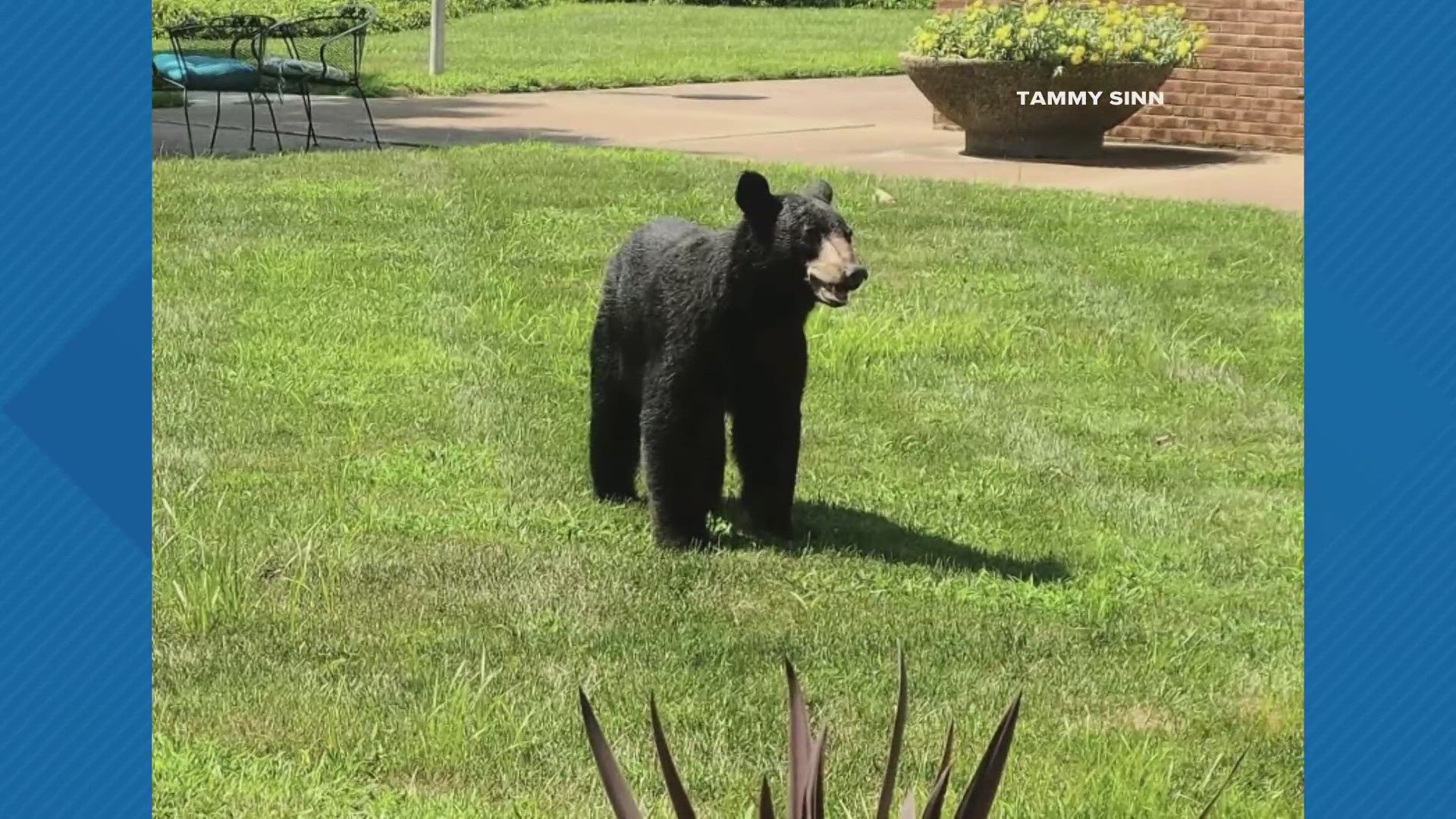
Black bear sightings in the St. Louis metropolitan area are increasing as Missouri’s black bear population expands northward. While wild black bears generally avoid dense human settlements, young males frequently wander through suburban St. Louis County along river corridors. Understanding bear behavior, property securing techniques, and reporting protocols ensures safe coexistence between residents and local wildlife.
Understanding Black Bear Expansion into the St. Louis Area
Black bears (Ursus americanus) were once nearly extirpated from Missouri due to unregulated hunting and habitat loss during the nineteenth and early twentieth centuries. However, conservation efforts, natural migration from neighboring Arkansas, and habitat recovery in the Ozark Highlands have enabled a robust population recovery across the state. The Missouri Department of Conservation (MDC) estimates that Missouri is home to over 800 to 1,000 black bears, with the core population centered in the southern forested Ozark region.
As this population grows, young male black bears must travel long distances to establish their own territories away from older, dominant males. This biological phenomenon, known as dispersal, primarily occurs during late spring and early summer. During this period, transient bears utilize natural movement corridors—most notably the forested watersheds along the Meramec, Missouri, and Mississippi rivers—which lead directly into suburban and semi-rural portions of St. Louis, Jefferson, and Franklin counties.
- Southern Missouri Ozarks (Core Bear Population)
- Spring Dispersal via River Basins
- Meramec River / Missouri River / Mississippi River Corridors
- Semi-Rural Outer Belt: Wildwood, Eureka, Pacific, Arnold
- Transient Urban Incursion
- Suburban St. Louis County: Fenton, Kirkwood, Webster Groves, Ballwin
Suburban municipalities such as Wildwood, Eureka, Fenton, Sunset Hills, and Kirkwood sit near large tracts of connected greenspace, including Castlewood State Park, Babler State Park, and Greensfelder County Park. These interconnected public parks and wooded ravines offer temporary cover and forage for dispersing bears. Consequently, seeing a black bear in St. Louis is no longer an unheard-of anomaly, but rather a seasonal occurrence that requires informed public awareness.
Notable Bear Incidents in the St. Louis Region
Public interest regarding bears in the St. Louis area usually stems from two distinct categories: wild black bear incursions into suburban neighborhoods and high-profile incidents involving captive animals at regional facilities.
Wild Black Bear Suburban Encounters
Over the past decade, multiple wild black bears have made headlines by wandering into densely populated parts of St. Louis County. A well-known case involved a young male bear nickname-tagged by locals as he traveled up from Jefferson County into Fenton, Kirkwood, and eventually near the inner belt of St. Louis. In most of these instances, the bears navigate through greenways, eat from accessible backyard food sources, and eventually double back toward larger wilderness areas along the Meramec River corridor once human presence increases.
Wildlife biologists track these animals closely using GPS collar data and public report logs. Data shows that the vast majority of transient wild bears in St. Louis County do not establish permanent home ranges within suburban borders. Instead, they pass through over a period of two to seven days unless held back by easy access to human-provided food sources like unsecured trash cans or bird feeders.
The Saint Louis Zoo Captive Bear Escapes
Another significant reason search queries for "bear in St Louis" surge involves captive animal events at the renowned Saint Louis Zoo located in Forest Park. In early 2023, a four-year-old Andean spectacled bear named Ben gained national media attention after escaping his outdoor enclosure twice within a single month.
- First Escape (February 2023): Ben compromised the stainless-steel cargo netting of his habitat by tearing at the mesh attachments, allowing him to briefly roam the public pathway outside the exhibit before zoo staff tranquilized and secured him safely.
- Second Escape (March 2023): Despite initial modifications to the enclosure, the agile bear managed to work loose heavy stainless-steel clips securing the barrier mesh, accessing the perimeter surrounding the habitat once again.
Zoo officials and animal care specialists responded rapidly without injury to the public, staff, or the animal. Following the second incident, the Saint Louis Zoo collaborated with national experts and the Association of Zoos and Aquariums (AZA) to evaluate habitat engineering for highly intelligent and nimble species. Ben was eventually relocated to the Gladys Porter Zoo in Brownsville, Texas, which features an expansive habitat specifically designed with moat barriers suitable for his behavior patterns.

Missouri Department of Conservation (MDC) Management Protocols
The Missouri Department of Conservation manages black bear populations using research-backed wildlife management frameworks designed to minimize human-bear conflicts while protecting natural populations.
| Level | Description | Action |
|---|---|---|
| LEVEL 1: PASSIVE DISPERSAL | Sighting of transient bear in natural cover or suburban edge. | Monitor closely; advise public to remove attractants. |
| LEVEL 2: NUISANCE BEHAVIOR | Bear repeatedly visits trash, bird feeders, or outdoor pet food. | Direct intervention with property owners; hazing techniques. |
| LEVEL 3: HAZARD / CORNERED IN DENSE URBAN AREA | Bear stuck in tree downtown, near high-traffic highway, or trapped. | Chemical immobilization (tranquilization) and relocation. |
Monitoring vs. Active Relocation
A common misconception among local residents is that conservation agents will immediately capture and relocate any wild bear spotted within St. Louis County. In practice, chemical immobilization (tranquilization) carries inherent health risks for the bear and can create dangerous unpredictable reactions in populated areas.
MDC protocols dictate the following operational strategies:
- Passive Monitoring (Default Strategy): If a bear is simply walking through a neighborhood, foraging in natural tree cover, or moving along a river bank, conservation officers monitor the situation from a distance. Law enforcement agencies cordoned off immediate roadways to allow the bear an unobstructed escape path toward natural cover.
- Attractant Removal: Agents work directly with municipal authorities and homeowners to eliminate food attractants. Once artificial food sources are secured, the bear almost always leaves suburban zones voluntarily within 24 to 48 hours.
- Active Relocation (Emergency Response): Relocation occurs only when a bear becomes trapped in an environment with no safe egress—such as deep within dense urban commercial zones, near high-volume interstates (like I-44, I-270, or I-64), or when a bear exhibits loss of fear toward humans (habituation). In such cases, trained MDC wildlife biologists immobilize the bear and transport it to suitable public lands in southern Missouri.
What to Do If You Encounter a Bear in St. Louis
While black bears are generally non-aggressive and prefer to avoid human contact, encountering a large omnivore requires calm, deliberate action.
Backyard or Residential Encounters
If you spot a black bear in your yard or neighborhood in St. Louis County:
- Stay Inside: Immediately bring children and pets indoors.
- Do Not Approach: Never attempt to get closer for photos, videos, or to feed the animal.
- Give the Bear Space: Ensure the bear has a clear, unblocked path to exit your yard. Do not corner it or block gate openings.
- Make Noise from a Safe Location: If you are safely indoors or on an elevated balcony, you can bang pots, blow an air horn, or shout in a firm voice to scare the bear off. This helps reinforce the bear's natural fear of humans.
- Report the Sighting: Log the location and time with the Missouri Department of Conservation or local animal control (non-emergency lines).
Encountering a Bear on Hiking Trails
Parks along the Meramec River valley—such as Castlewood State Park, Don Robinson State Park, and Babler State Park—are prime locations for seasonal bear movement. If you encounter a bear while hiking:
- SEE A BEAR ON THE TRAIL?
- Bear Does Not See You
- Stop movement.
- Quietly back away.
- Maintain visual contact.
- Reroute your hike.
- Bear Sees You
- Stand tall, wave arms.
- Speak in a calm, deep voice.
- NEVER RUN or climb trees.
- Prepare bear spray if equipped.
- Bear Does Not See You
- Do Not Run: Running can trigger a predator’s chase instinct. Black bears can run at speeds exceeding 30 miles per hour—far faster than any human.
- Stand Tall and Wave Arms: Make yourself look as large as possible. Raise your arms slowly above your head or open your jacket wide.
- Speak in a Firm, Low Voice: Talk calmly to help the bear identify you as a human, not prey or a threat.
- Back Away Slowly: Keep your eyes on the bear (avoid direct, aggressive eye contact) and slowly back away toward safe terrain or other hikers.
- Carry Bear Spray: When hiking in known bear corridors in rural St. Louis, Jefferson, or Franklin counties, carrying EPA-approved bear spray is a proven defensive measure. Keep it accessible on your hip or chest strap, not packed deep inside a backpack.
Securing Property Against Bear Attractants
The phrase "a fed bear is a dead bear" highlights the critical danger of habituation. When black bears associate residential neighborhoods with effortless calorie-dense food, they lose their natural wariness around people, eventually leading to dangerous property damage or safety risks that force wildlife management intervention.
Residents in suburban St. Louis, particularly those living near greenways, creeks, and state parks, should implement strict attractant management controls.
| Item | Action Required |
|---|---|
| TRASH CANS | Store inside a garage or sturdy shed until morning of pickup. Use bear-resistant latching bins if stored outdoors. |
| BIRD FEEDERS | Take down suet and seed feeders from April through November. Clean up spilled seed off the ground regularly. |
| PET FOOD | Feed pets indoors exclusively. Never leave food or water bowls outside overnight. |
| GRILLS | Scrape grease trays and burn off residual food bits after every use. Store grills inside a locked enclosure when cool. |
| COMPOST | Avoid adding meat, fish, dairy, or sweet fruit scraps to outdoor compost piles. |
Comparative Matrix: Bear Encounter Scenarios and Actions
The table below outlines various bear interaction scenarios around the St. Louis region, identifying species characteristics, risk levels, and recommended immediate actions.
| Scenario / Location | Species Involved | Typical Behavior | Primary Risk Level | Recommended Action | Primary Contact Agency |
|---|---|---|---|---|---|
| Suburban Backyard (e.g., Wildwood, Fenton) | American Black Bear (Ursus americanus) | Wandering, investigating trash, bird feeders, or fruit trees. | Low to Moderate (Property attractant draw) | Stay indoors, bring pets inside, allow bear clear escape path, remove food sources. | Missouri Dept. of Conservation (MDC) |
| Public Trail / Park (e.g., Castlewood, Babler) | American Black Bear (Ursus americanus) | Foraging, passing through cover, avoiding human contact. | Low (Unless startled or female with cubs) | Do not run; stand tall, speak calmly, slowly back away, ready bear spray if available. | Park Rangers & MDC Regional Office |
| Major Highway / City Grid (e.g., I-44 corridor, Urban St. Louis) | American Black Bear (Ursus americanus) | Confused, disoriented, treeing itself, high stress. | Moderate to High (Traffic hazard, cornered risk) | Keep public away, establish wide perimeter, notify law enforcement immediately. | Local Police Dept. & MDC Emergency Line |
| Captive Facility Encounter (e.g., Saint Louis Zoo) | Exotic / Non-Native (e.g., Spectacled Bear) | Enclosure breach, high anxiety due to unfamiliar setting. | High (Unpredictable behavior in public area) | Follow zoo staff emergency directions, evacuate area calmly, seek immediate shelter indoors. | Zoo Security & Emergency Response Teams |
Seasonal Bear Behavior and Activity Timelines in Eastern Missouri
Understanding the annual biological cycle of black bears helps St. Louis area residents anticipate when bear encounters are most likely to occur.
- WINTER (Dec - Jan - Feb)
- Torpor / Denning
- Bears in dens.
- Low mobility.
- Minimal public sighting risk.
- Torpor / Denning
- SPRING (Mar - Apr - May)
- Spring Awakening & Dispersal
- Young males move.
- Foraging begins along rivers.
- Spring Awakening & Dispersal
- SUMMER (Jun - Jul - Aug)
- Mating Season & Suburban Travel
- Peak search for unsecured human attractants.
- Mating Season & Suburban Travel
- AUTUMN (Sep - Oct - Nov)
- Hyperphagia
- Intense feeding.
- Calorie hoarding for winter.
- Increased movement.
- Hyperphagia
Spring (March – May): Awakening and Initial Movement
Bears emerge from winter denning in early spring. During this phase, metabolic activity gradually speeds up. Young males, driven out of established territories by older adults, begin traveling northward along the Ozark plateau toward the Meramec and Missouri River drainage basins. Initial spring sightings near suburban margins often involve bears seeking easy calories in greenways and outer subdivisions.
Summer (June – August): Peak Dispersal and Mating Season
June and July mark the height of black bear dispersal and breeding season in Missouri. Male bears travel extensively—sometimes covering 10 to 20 miles per day—in search of females and unclaimed home ranges. This is the peak timeframe for black bear reports in St. Louis County municipalities like Wildwood, Eureka, Ballwin, Sunset Hills, and Arnold.
Autumn (September – November): Hyperphagia
During autumn, black bears enter a biological state called hyperphagia, characterized by near-continuous eating to build fat reserves necessary for winter survival. A bear in hyperphagia may consume 20,000 calories a day. Natural food sources such as acorns (mast), hickory nuts, wild berries, and persimmons are heavily sought after. If natural mast crops are poor in the Ozark region, bears may range farther into suburban zones to exploit commercial fruit trees, bee hives, and unsecured municipal waste.
Winter (December – February): Torpor and Denning
During winter, Missouri black bears enter a state of winter torpor inside dens formed beneath rock ledges, brush piles, hollow trees, or excavated hillsides. While not true deep hibernation (their body temperature drops only slightly, and they can awaken if disturbed), activity drops to near zero. Sighting reports in the St. Louis metro area drop significantly during these months.
Legal Protections and Regulations in Missouri
It is critical for property owners and outdoor enthusiasts to understand the legal status of black bears in Missouri.
- Protected Wildlife Status: Black bears are protected under the Wildlife Code of Missouri. It is illegal to hunt, shoot, trap, harm, or harass a black bear outside of authorized state hunting regulations.
- Regulated Hunting Seasons: MDC introduced a strictly regulated, highly limited black bear hunting season in designated southern Missouri harvest zones to manage population density. However, St. Louis County and immediate metropolitan areas fall outside active hunting zones, meaning bears within suburban jurisdictions are completely protected by law.
- Self-Defense and Property Protection Laws: Landowners are not permitted to shoot a bear simply for being on their property or consuming bird seed. Lethal force is authorized under state law only in extreme situations involving an immediate, direct threat to human life. Any lethal defense incident undergoes thorough investigation by MDC conservation agents and local law enforcement.
Frequently Asked Questions (FAQs)
Are black bears native to the St. Louis area?
Yes. Black bears are native to all of Missouri, including the forests and river valleys surrounding St. Louis. While historical land clearing drastically reduced their presence, black bears are naturally reoccupying their historical range as forested habitats recover and southern populations grow.
What should I do if a black bear enters my backyard in St. Louis County?
Do not approach or corner the animal. Bring children and pets indoors immediately. Ensure gates or property exits remain clear so the bear can leave easily. From a safe location, you can make loud noises (banging pots, blowing an air horn) to encourage the bear to move along. Afterward, secure all trash cans, pet food, and bird feeders.
Who do I contact to report a bear sighting near St. Louis?
You should report non-emergency bear sightings directly to the Missouri Department of Conservation through their regional St. Louis office or online via the MDC "Report a Bear Sighting" portal. If a bear poses an immediate safety hazard, is trapped in a dense residential neighborhood, or is roaming near a busy highway, contact local emergency services (911) or municipal police dispatch immediately.
Are black bears dangerous to humans and pets in Missouri?
Black bears are naturally shy and generally prefer to avoid human contact. Fatal or severe attacks on humans are exceptionally rare. However, black bears are powerful wild animals and can become defensive if startled, cornered, or protecting cubs. Unsupervised pets—particularly small dogs that bark at or chase a bear—are at risk of injury. Keep pets leashed when walking in wooded parks during spring and summer.
Why are bear sightings becoming more frequent around St. Louis?
Bear sightings are increasing due to a combination of a expanding black bear population in Missouri (growing at roughly 9% annually) and suburban development extending into natural travel corridors along the Meramec and Missouri rivers. Young male bears naturally travel long distances along these greenways every spring and summer looking for new territory.
Practical Recommendations for St. Louis Residents and Outdoor Enthusiasts
To ensure safe coexistence with wildlife across the St. Louis region, follow these practical steps:
- Audit Your Property for Attractants: Walk your property perimeter today. Secure all trash cans inside a garage until the morning of collection, clean outdoor grills thoroughly, and bring all pet food indoors.
- Adjust Seasonal Bird Feeding: Remove bird feeders from April 1 through November 30 if you live near greenways, state parks, or outer suburban corridors in St. Louis or Jefferson counties.
- Practice Trail Safety: When hiking in suburban and state parks along the Meramec River corridor (such as Castlewood, Greensfelder, or Babler), keep dogs on a leash at all times, hike in groups, make periodic noise on winding trails, and consider carrying EPA-approved bear spray.
- Save Local Contact Numbers: Program the Missouri Department of Conservation St. Louis Regional Office contact information into your phone for prompt reporting of non-emergency wildlife sightings.
Image Gallery
Select an image to open it in a new tab.





Mateo Castillo
Decentralized Finance and E-Payments Strategist
