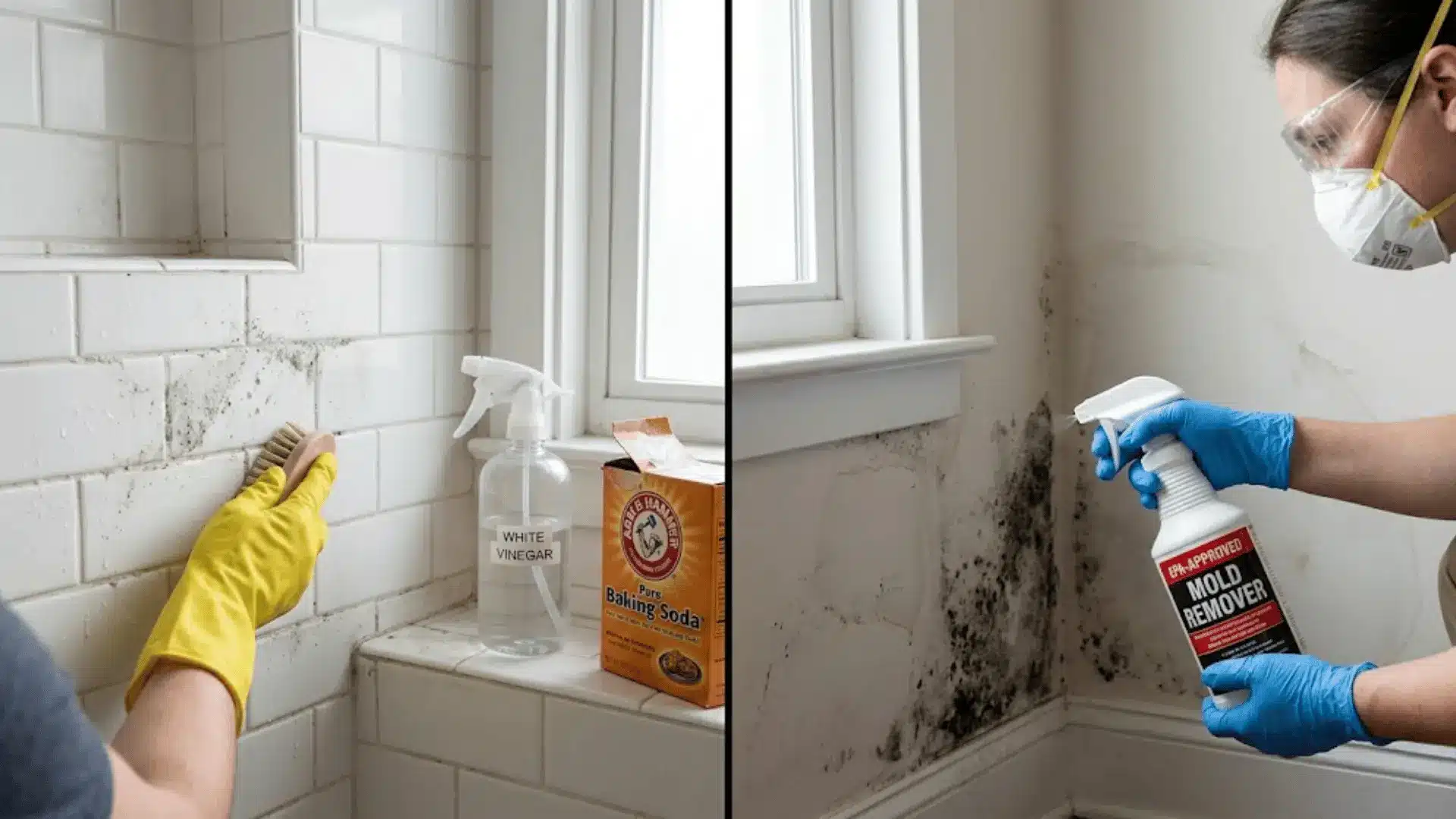
Removing black mold from wood requires a systematic approach that prioritizes occupant safety, source control, and structural integrity. The process involves identifying the extent of the infestation, selecting appropriate cleaning agents based on the porosity of the wood, and ensuring the environment is dried thoroughly to prevent recurring growth. Because wood is organic, surface cleaning is often only the first step in remediation.
Assessing the Extent of Mold Growth
Before applying any chemical solutions, you must determine whether the mold growth is superficial or structural. Black mold (often colloquially referring to Stachybotrys chartarum or various other dark-pigmented fungi) requires high moisture levels and a cellulose source to thrive. If the wood feels soft, spongy, or crumbles under light pressure, it is likely suffering from internal decay. In these cases, cleaning is insufficient, and the affected wood must be removed and replaced by a professional to ensure the structural integrity of the building.
If the wood remains firm, the mold is likely surface-level. However, you must first locate the moisture source. Mold cannot grow without water. Common culprits include roof leaks, plumbing failures, high humidity (above 60%), or condensation buildup behind walls. If you do not resolve the moisture problem, the mold will inevitably return regardless of how thoroughly you clean the surface.
Safety and Personal Protective Equipment (PPE)
Mold spores are highly allergenic and can pose respiratory risks to sensitive individuals. Before disturbing any moldy surfaces, you must establish a containment zone.
- Respiratory Protection: Wear an N-95 or P-100 respirator to filter out airborne spores. A standard paper dust mask is insufficient for mold remediation.
- Skin and Eye Protection: Wear long-sleeved clothing, chemical-resistant gloves (nitrile is preferred), and safety goggles that seal around the eyes to prevent contact with spores and cleaning agents.
- Containment: If the mold is in a confined space, use plastic sheeting to isolate the area. Set up a negative air machine or an exhaust fan venting to the outdoors to maintain negative pressure and prevent cross-contamination of other rooms.

Selecting the Right Cleaning Strategy
The approach to cleaning depends on whether the wood is finished (sealed with paint, varnish, or polyurethane) or raw (exposed timber, plywood, or framing).
For Finished Wood
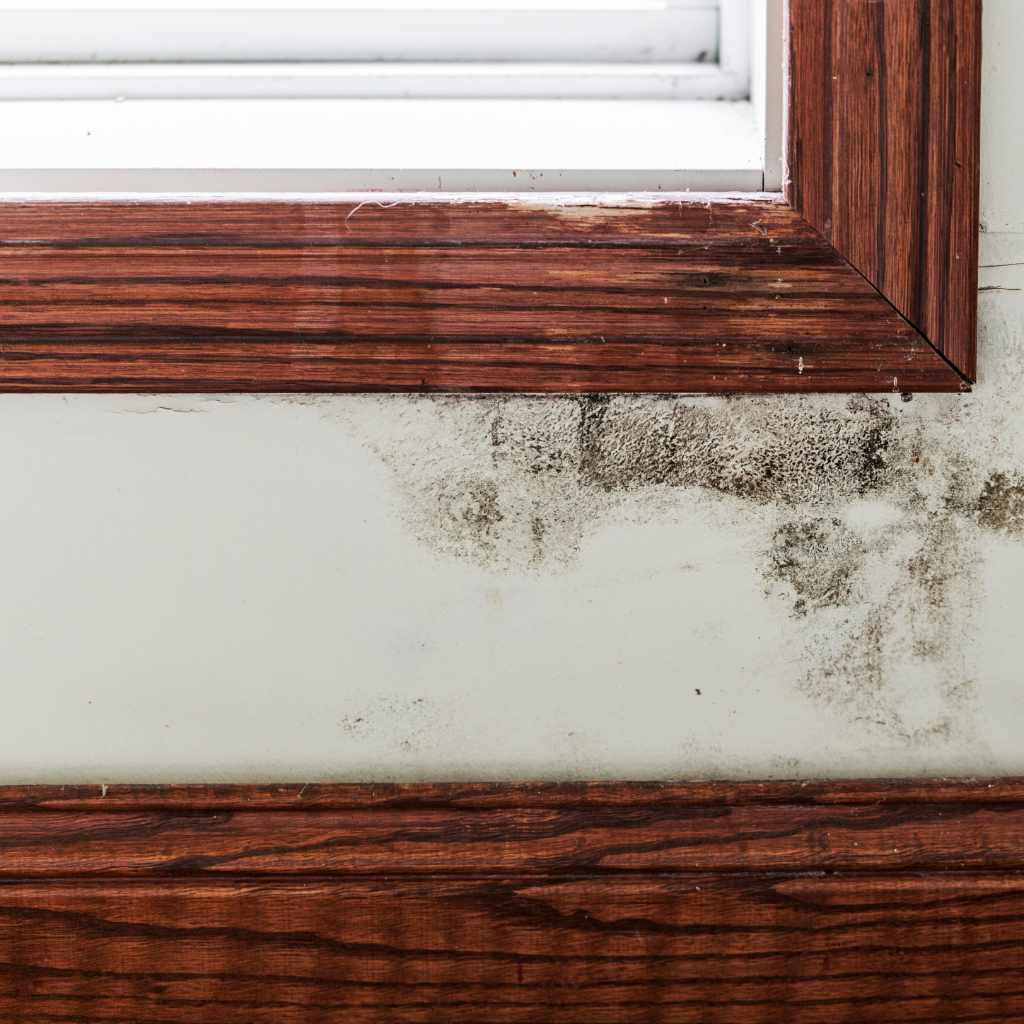
If the wood is sealed, the mold is likely sitting on top of the finish.
- Mild Detergent: Start with a simple solution of water and mild dish soap. Use a microfiber cloth or soft-bristled brush to gently wipe the area.
- Vinegar or Alcohol: For persistent growth on finished wood, a light application of undiluted white vinegar or 70% isopropyl alcohol is often effective. Avoid using heavy bleach solutions on finished wood, as they can discolor the stain and degrade the protective clear coat.
For Raw or Porous Wood
Raw wood is absorbent, meaning mold mycelium can penetrate deep into the fibers.
- HEPA Vacuuming: Begin by vacuuming the area with a vacuum equipped with a HEPA (High-Efficiency Particulate Air) filter. This captures loose spores before you start wetting the wood.
- Scrubbing: Use a stiff-bristled brush with a specialized mold-killing solution. Commercial mold cleaners (often containing quaternary ammonium compounds) are generally safer and more effective for deep-seated mold than traditional household bleach.
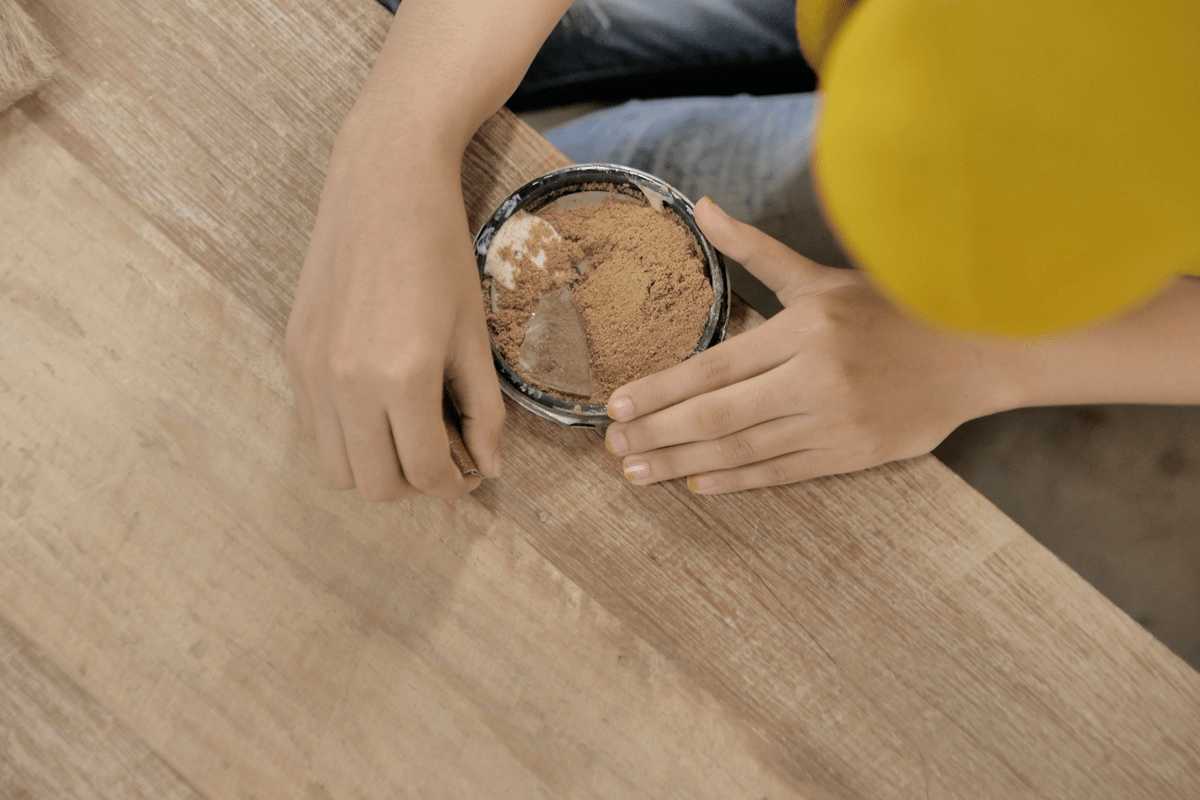
- Sanding: If mold remains after cleaning and drying, lightly sanding the wood surface can remove the embedded staining and remaining fungal matter. Always wear a respirator when sanding, as this process releases high concentrations of spores into the air.
Comparison of Mold Removal Agents
| Cleaning Agent | Best Used On | Pros | Cons |
|---|---|---|---|
| White Vinegar | Finished Wood | Non-toxic, mild odor | Slow-acting on deep mold |
| Isopropyl Alcohol | Finished/Furniture | Quick drying, low residue | Flammable; can strip some finishes |
| Hydrogen Peroxide | Raw Wood | Strong oxidizer, non-toxic | Can lighten wood color |
| Commercial Biocides | Raw/Structural Wood | Highly effective, residual protection | Requires careful handling; toxicity varies |
| Bleach Solution | Non-porous surfaces | Cheap, effective for surface mold | Not recommended for porous wood; can cause further damage |
The Role of Moisture Control and Drying
Once the visible mold is removed, the drying phase is the most critical step. Wood can hold significant moisture, and mold spores are ubiquitous in the environment; if the wood remains damp, new spores will germinate quickly.
Use industrial-grade dehumidifiers to pull moisture out of the wood structure. Aim to bring the wood moisture content (MC) below 16%. You can verify this using a wood moisture meter, which is an inexpensive tool available at most hardware stores in 2026. Increase airflow in the room by using fans, but be careful not to point fans directly at the moldy area before it has been cleaned, as this will spread spores throughout the room.
When to Call a Professional
There are specific scenarios where DIY intervention is not recommended. If the mold covers an area greater than 10 square feet (as defined by many building guidelines), the risk of significant spore release and the complexity of safe removal suggest that you should hire a certified mold remediation specialist. Additionally, if the mold is the result of sewage backup or contaminated water, the area may contain bacteria and pathogens that require professional decontamination protocols.
Troubleshooting Common Issues
- The mold stain won't disappear: Staining is often just cosmetic, caused by the pigment in the mold. If you have killed the mold with a biocide and the wood is dry, the staining is usually harmless, though you may choose to paint over it with an encapsulating primer.
- Mold keeps returning: This is the most common issue. It almost always points to an unresolved leak or persistent humidity issue. If the area remains damp despite your efforts, inspect the plumbing inside the walls or check for gaps in the building envelope that allow moist exterior air to enter.
- Odors persist: If a musty smell lingers after the wood is cleaned and dried, the mold may have colonized materials behind the wood, such as insulation or drywall, which are not visible from the surface.
Frequently Asked Questions
Is bleach effective for killing black mold on wood?
Bleach is generally discouraged for use on wood. While it can kill surface mold, its high water content often leads to the wood remaining damp, which encourages deeper mold growth. Furthermore, bleach does not effectively penetrate the porous surface of wood to kill the root-like hyphae, making recurrence likely.
How do I know if I have removed all the mold?
Visual inspection is the first step, but it is not infallible. After cleaning, the area should be free of visible growth and odors. For peace of mind, you can hire a professional to conduct "clearance testing," which involves air sampling or surface swabbing to confirm the spore count has returned to normal baseline levels.
Can I paint over moldy wood to seal it?
Never paint over mold without thoroughly cleaning and drying the wood first. Applying paint over mold traps moisture, which essentially feeds the mold and allows it to continue destroying the wood from the inside out. Once the wood is properly remediated and fully dried, an antimicrobial encapsulating primer can be used to prevent future growth.
How long does it take for wood to dry after remediation?
Drying time depends on the wood species, the depth of saturation, and the ambient humidity. With proper dehumidification and airflow, most surface moisture can be cleared in 24 to 48 hours. However, deep-seated moisture in thick timbers may take several days or even weeks of sustained environmental control.
Are there natural alternatives to chemical mold cleaners?
Yes, tea tree oil and grapefruit seed extract have shown some efficacy in inhibiting mold growth. However, for established black mold infestations, these are rarely as effective as professional-grade, EPA-registered biocides designed specifically for structural remediation.
Next Actions
If you discover black mold on wood in your home, your immediate priority should be safety and investigation. Wear proper PPE before inspecting the area, and follow these steps:
- Identify and fix the water source immediately.
- If the area is small, clean the surface using the methods described above, ensuring the area is well-ventilated.
- Use a moisture meter to confirm the wood has dried sufficiently.
- If the infestation is extensive or associated with black water, contact a professional remediation firm.
Image Gallery
Select an image to open it in a new tab.



Akira Tanaka
International Academic Trends Correspondent
