Foundation Repair in Crockett: What Residents Need to Know
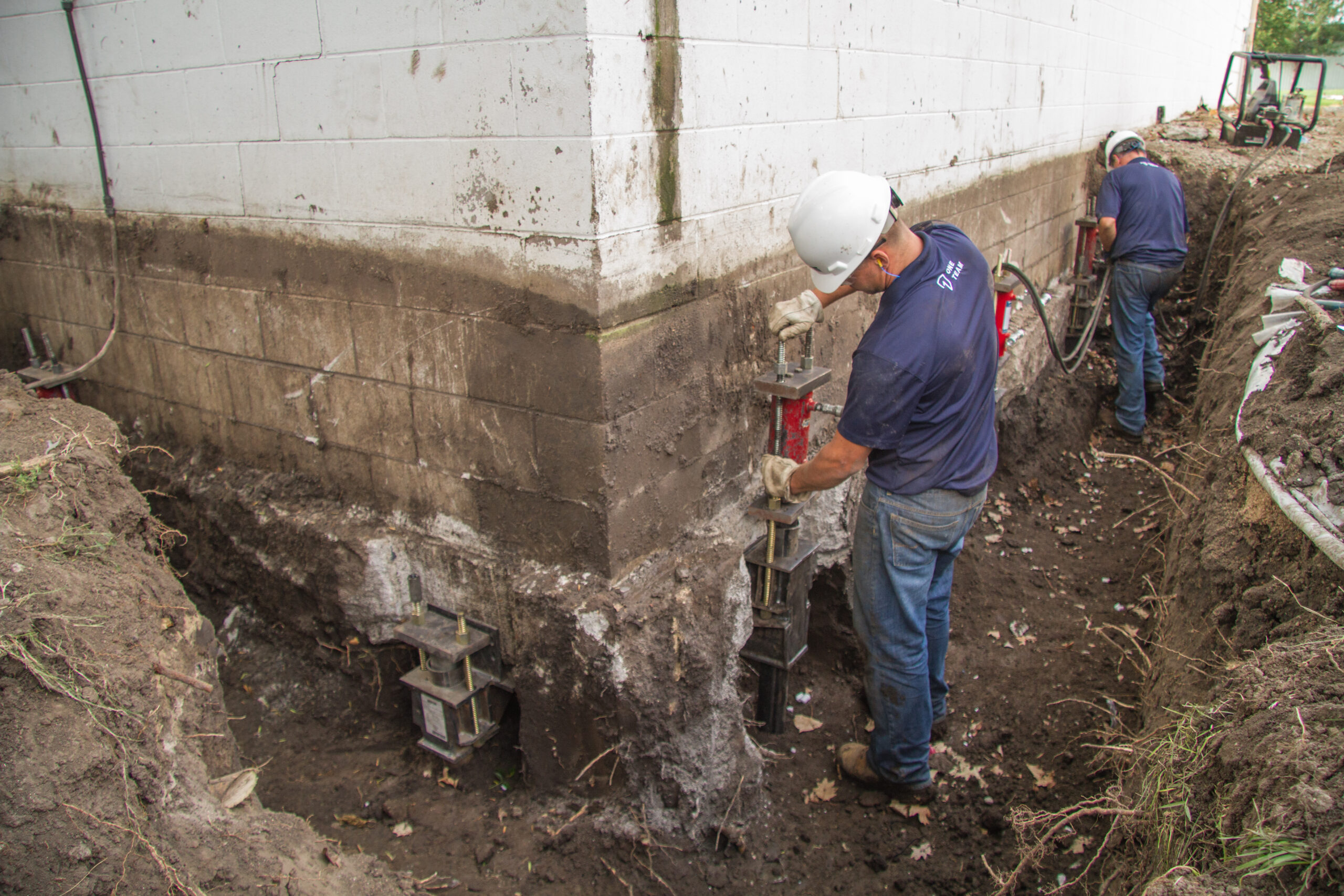
Foundation repair in Crockett requires an understanding of the region’s unique geological characteristics, particularly its proximity to expansive soil and hilly terrain. Residents should prioritize professional geotechnical assessments to identify specific indicators of structural distress—such as stair-step cracks, sticking doors, or uneven floors—before commissioning repairs that utilize deep-pier systems, slab stabilization, or drainage improvements tailored to local climate conditions.
Understanding the Geological Context of Crockett
Crockett, situated along the Carquinez Strait, presents unique challenges for property owners due to its topography and soil composition. The area contains a mix of slope-related risks and expansive clay soils that react significantly to moisture fluctuations. During the wet winters typical of Northern California, these soils expand, exerting upward pressure on concrete slabs and perimeter foundations. During the drier summer months, the soil shrinks, potentially leaving voids beneath the foundation that cause the structure to settle unevenly.
This cycle of expansion and contraction, known as "soil heave" and "soil settlement," is the primary culprit for foundation distress in the region. Unlike flat-land developments where soil is relatively uniform, Crockett’s hilly terrain can lead to slope creep, where the foundation experiences lateral pressure in addition to vertical movement. Understanding this dynamic is the first step for any homeowner contemplating repairs.
Identifying the Warning Signs
Foundation issues rarely appear overnight. They are usually progressive, beginning with minor cosmetic fissures and escalating to structural threats if ignored. Residents should conduct a walkthrough of their property at least twice a year—ideally at the height of the dry season and the peak of the rainy season—to look for the following:
- Interior Signs: Look for diagonal cracks emanating from the corners of door frames and window frames. Check if interior doors swing open or shut on their own, indicating that the frame is no longer square. Hairline cracks in drywall, particularly above doorways, are also common indicators.
- Exterior Signs: Inspect the perimeter of the foundation for "stair-step" cracks in brick or mortar. Large gaps between the soil and the foundation (often called a "moisture gap") can indicate that the ground is drying out and shifting away from the support structure.
- Flooring: Walk the perimeter of rooms with a marble or a level. If the floor exhibits a noticeable slope or feels "bouncy" in specific spots, it suggests that the underlying support piers or the slab itself may have settled.
- Chimneys and Retaining Walls: Because of Crockett’s steep terrain, many homes have secondary structures. If a chimney appears to be leaning away from the house, or if a retaining wall is bowing outward, this is a major red flag that the ground beneath the property is undergoing significant movement.
The Role of Geotechnical Engineering
Before signing a contract with a repair company, homeowners should verify if a geotechnical report is necessary. In many parts of the Bay Area, local building codes may mandate an engineering review if the repair involves significant structural modification or if the property is located on a slope exceeding a certain grade.
A structural engineer provides an objective assessment. Unlike some contractors who may prioritize selling a specific product, an engineer will provide a "root cause" analysis. They determine whether the problem is caused by poor drainage, seismic activity, or soil instability. By obtaining an independent engineering report, you ensure that any bid you receive from a contractor is based on a professional recommendation rather than an opportunistic sales pitch.
Common Foundation Repair Methods
Depending on the diagnosis, a contractor may propose one or more of the following solutions. Each method carries different costs and site-impact levels.
- Push Piers (Steel Piers): These are used for sinking foundations. Hydraulically driven deep into the stable load-bearing soil strata, they provide a permanent "bridge" for the foundation. This is the gold standard for homes experiencing significant settlement.
- Helical Piers: Similar to giant screws, these are twisted into the ground. They are particularly useful for lighter structures or in areas where the soil conditions are suitable for rotation rather than direct vertical pushing.
- Slab Jacking or Polyurethane Injection: Used when a concrete slab has settled but the perimeter remains stable. High-density polyurethane foam is injected beneath the slab to fill voids and lift the concrete back to its original position. This is faster and less intrusive than traditional piering but does not address deep-soil instability.
- Drainage Systems (French Drains and Surface Grading): Often, the solution is not to "fix" the foundation but to manage the water around it. Installing a robust drainage system to divert runoff away from the home’s footprint can prevent the expansion-contraction cycle that causes the damage in the first place.
Comparison of Foundation Repair Solutions
| Method | Best Used For | Primary Benefit | Level of Intrusion |
|---|---|---|---|
| Steel Push Piers | Major settlement | Permanent stabilization | High |
| Helical Piers | Light structures/decks | Precision adjustment | Moderate |
| Polyurethane Foam | Void filling/slab leveling | Fast, clean application | Low |
| French Drains | Moisture control | Prevents future damage | Moderate |
Maintaining Your Foundation
Prevention is always more cost-effective than repair. In Crockett, property maintenance must center on water management. Ensure that all gutter downspouts extend at least six to ten feet away from the home. If you notice pooling water after a storm, consider regrading the soil around your foundation so that the grade slopes away from the house at a minimum of 5% for the first ten feet.
Additionally, maintain consistent vegetation management. Large trees planted too close to a foundation can extract massive amounts of moisture from the soil during the summer, accelerating soil shrinkage. If you have large trees near the house, ensure they are pruned and that root barriers are installed if roots are encroaching on the foundation.
Frequently Asked Questions
How long does foundation repair usually take? Most residential foundation repairs in the region take between three to ten business days. Small slab leveling projects may be completed in one day, while major underpinning with steel piers on a slope-side home can take several weeks depending on site access and weather conditions.
Is foundation repair covered by homeowners' insurance? Typically, no. Most standard homeowners' policies cover "sudden and accidental" damage. Foundation settlement or movement caused by expansive soil is usually considered a maintenance or wear-and-tear issue, which is excluded from standard policies. Always check your specific policy documents or speak with your agent to confirm your coverage.
How do I verify if a contractor is legitimate? Always check the Contractor’s State License Board (CSLB) for the provider’s license status, bond information, and history of complaints. In California, foundation contractors must hold a C-8 (Concrete) or B (General Building) license. Ensure they carry both general liability and workers' compensation insurance.
Should I be worried about seismic activity in Crockett? Yes. Since much of the Bay Area is seismic, foundation repairs must comply with modern building codes. When interviewing contractors, ask how their repair design accounts for earthquake loads. A well-repaired foundation should not only level the home but also improve its connectivity to the underlying soil, which can increase overall seismic safety.
What is the "average" cost of a foundation project? Costs are highly variable based on the number of piers required, access to the work area, and the depth to stable soil. Residents should expect to spend anywhere from $10,000 to over $50,000. Because of this high cost, obtaining at least three itemized bids from licensed professionals is essential.
Final Recommendation
If you suspect your home has foundation distress, start by hiring an independent structural engineer. Avoid contracting directly with a foundation repair company until you have an engineering report that outlines the exact cause and the necessary scope of work. By keeping the diagnosis separate from the execution, you protect your home’s value and ensure the repair provides a lasting, code-compliant solution to your property’s specific structural needs.

Image Gallery
Select an image to open it in a new tab.
Mateo Castillo
Decentralized Finance and E-Payments Strategist
