
Tony Iommi’s journey through rock is the story of heavy metal’s creation, characterized by a unique guitar style born from physical adversity and a relentless pursuit of "heavy" sound. As the sole constant member of Black Sabbath, Iommi’s riffs provided the foundational blueprint for a global musical movement.
The evolution of rock music cannot be discussed without acknowledging the industrial shadows of Birmingham, England, and the four young men who decided to play music that sounded like "the way the city felt." While Black Sabbath as a quartet—Ozzy Osbourne, Tony Iommi, Geezer Butler, and Bill Ward—changed the world, it was Tony Iommi who served as the band’s undisputed musical anchor and primary architect. His journey is not merely a timeline of albums; it is a masterclass in resilience, technical innovation, and the power of the riff.
The Industrial Catalyst and the Accident That Changed Music
To understand Tony Iommi’s journey through rock, one must first understand the environment of post-war Birmingham. The city was a hub of heavy industry, filled with the percussive clanging of metal on metal and the constant hum of machinery. These industrial sounds eventually found their way into the rhythmic structure of Black Sabbath's music.
However, the most pivotal moment in Iommi's journey occurred on his final day of work at a sheet metal factory. At the age of 17, a freak accident with a giant industrial guillotine severed the tips of the middle and ring fingers on his right hand. For a left-handed guitarist, this was a catastrophic injury that threatened to end his musical aspirations before they truly began.
The resolution of this tragedy is what birthed the heavy metal sound. Iommi refused to quit. Inspired by the story of Django Reinhardt—the legendary jazz guitarist who played with only two functional fingers—Iommi fashioned his own prosthetic fingertips out of plastic detergent bottles and leather. To make the guitar easier to play with these prosthetics, he loosened the tension of the strings by tuning his guitar down. This detuning, combined with his use of light-gauge banjo strings, created a darker, thicker, and more ominous tone that became the signature sound of Black Sabbath.
The Founding of Black Sabbath and the Occult Aesthetic
Before they were Black Sabbath, the group performed under the names The Polka Tulk Blues Band and Earth. They primarily played heavy blues-rock, which was common in the late 1960s. The shift to "Black Sabbath" occurred when the band noticed people queuing up to see horror films. Butler and Iommi reasoned that if people were willing to pay to be scared by movies, perhaps they would pay to hear music that evoked the same sense of dread.
The song "Black Sabbath," featuring the famous tritone (also known as the Diabolus in Musica or the "Devil’s Interval"), was the turning point. In 2026, musicologists still point to this specific composition as the official birth of heavy metal. The tritone had been avoided for centuries in Western music because of its perceived dissonance and sinister quality. By embracing it, Iommi signaled a departure from the "peace and love" ethos of the late 60s toward a more grounded, visceral exploration of darkness and reality.
The Blueprint Eras: From Ozzy to Dio
Iommi’s journey through rock is often categorized by the vocalists who fronted Black Sabbath, as each era pushed his songwriting and guitar work into new territories.
The Ozzy Osbourne Era (1970–1979)
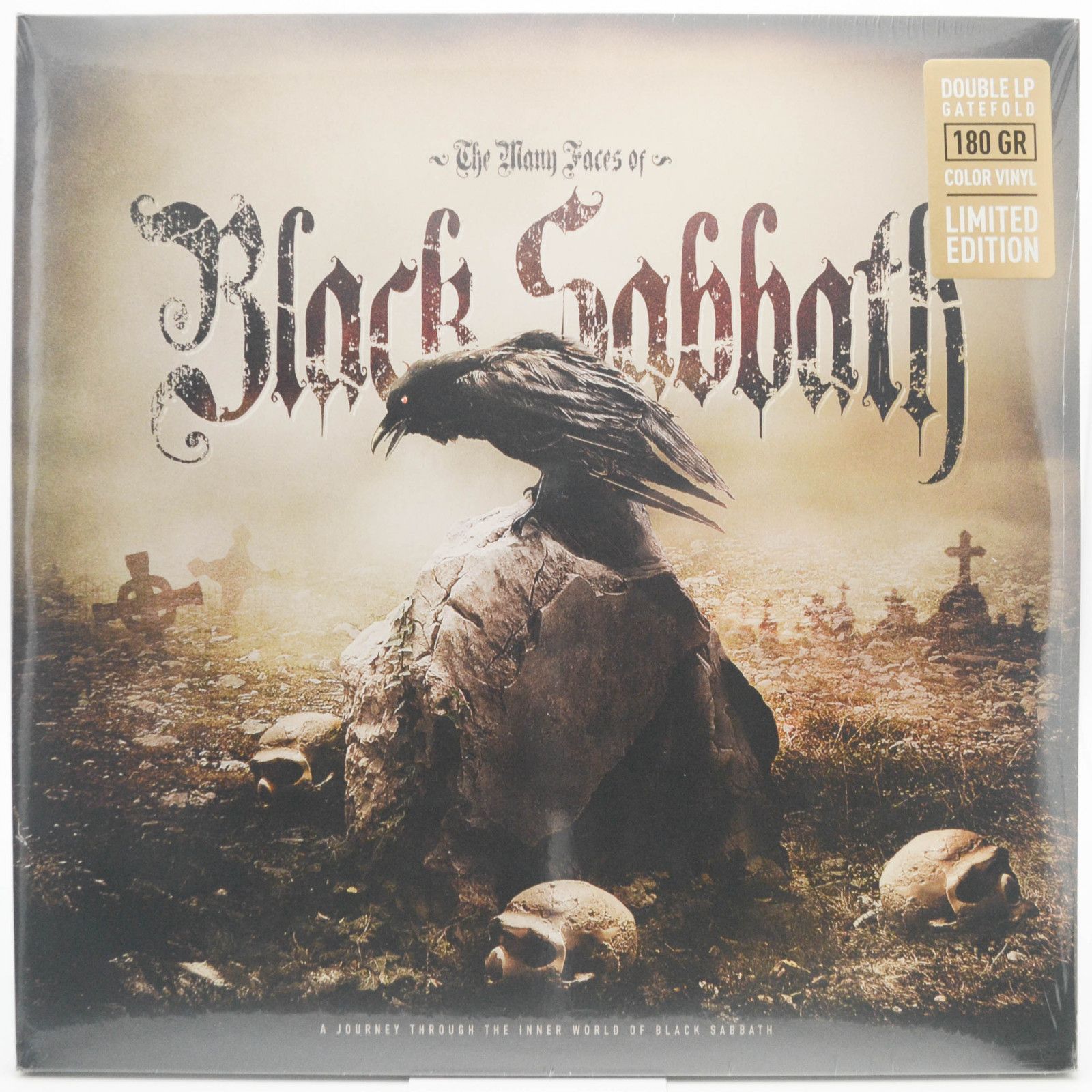
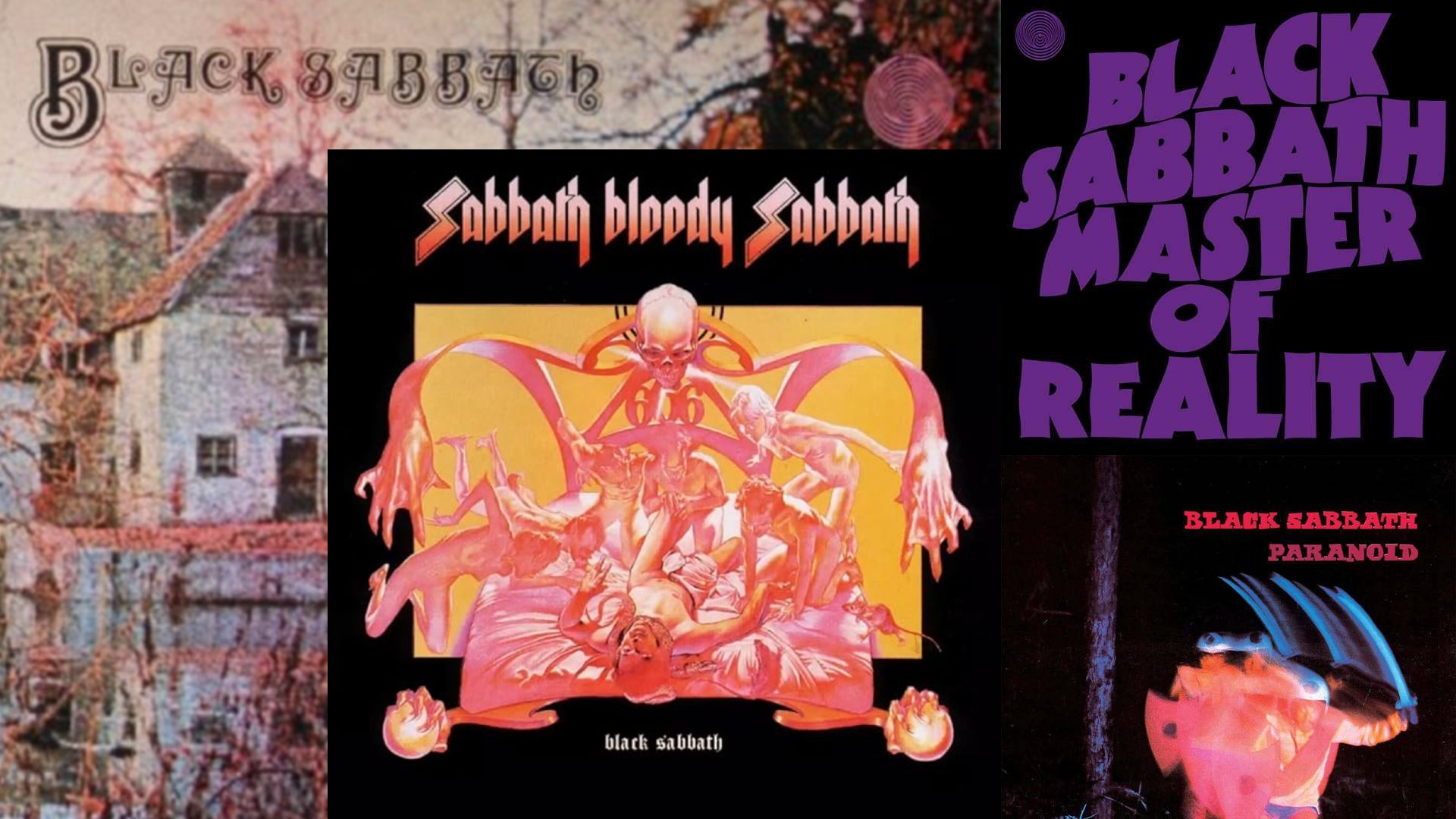
This is the foundational era that produced the "Unholy Trinity" of albums: Black Sabbath, Paranoid, and Master of Reality. During this period, Iommi’s riffs were monolithic. The production on Master of Reality (1971) saw Iommi tuning down three semi-tones to C#, creating a sludge-like weight that predated doom metal and stoner rock by decades.
The Ronnie James Dio Era (1980–1982, 1991–1992)
When Ozzy was dismissed in 1979, many expected Black Sabbath to fade. Instead, Iommi teamed up with Ronnie James Dio. This transition revitalized Iommi’s playing, shifting the music from slow, blues-based doom toward a more melodic, soaring, and "epic" heavy metal style. Heaven and Hell (1980) is widely regarded as one of the greatest metal albums of all time, showcasing Iommi’s ability to adapt his riff-heavy style to a more sophisticated, power-metal framework.
The "Iron Man" Years and the Tony Martin Era
The mid-80s through the mid-90s were a period of intense fluctuation for the band. While many casual fans focus on Ozzy or Dio, Iommi remained the steady hand through the Tony Martin years. Albums like Headless Cross and Tyr offered a more polished, gothic-tinged metal. As of 2026, the recent 2024 "Anno Domini" box set reissues have finally given this era the critical reappraisal it deserved, highlighting Iommi's consistency as a songwriter even when the band's lineup was in constant flux.
Technical Innovations: Tone, Gear, and Technique
Tony Iommi’s contribution to rock isn't just about the notes he played, but how he made them sound. His technical journey involved constant experimentation with equipment to overcome his physical limitations and achieve a specific sonic density.
| Component | Technical Detail | Impact on Sound |
|---|---|---|
| Guitars | Gibson SG "Monkey" (1964) | The thin neck and double cutaway allowed better access to high frets with prosthetics. |
| Amplification | Laney Supergroup / TI100 | High-gain, British-voiced tube amps that provided the grit and sustain for his riffs. |
| Tuning | C# Standard / Eb Standard | Lowered tension allowed for easier bending and created a massive, "bottom-heavy" frequency. |
| Strings | Custom Light Gauge (.008s) | First to use ultra-light strings, which he initially sourced from banjo string sets. |
| Effects | Dallas Rangemaster Treble Booster | Modified to boost the signal into the amp, creating a distinctive "bite" even at high gain. |
Iommi’s technique is defined by his heavy use of power chords and vibrato. Because of his finger injuries, he relied on two-note chords (the root and the fifth), which happen to sound exceptionally powerful when played through high-gain amplifiers. His vibrato is also distinctive—wide and slow—developed because he had to use more arm and wrist strength to manipulate the strings through his leather fingertips.
The Final Tour and the Legacy of "The End"
In 2017, Black Sabbath completed "The End" tour, a massive global farewell that brought the band full circle to Birmingham for their final performance. While this marked the end of the band as a touring entity, Iommi's journey did not stop. In the years following, and leading into 2026, he has remained an active figure in the rock world.
His health struggles, specifically his battle with lymphoma diagnosed in 2012, added another layer to his narrative of resilience. Despite undergoing grueling treatments, he continued to write and perform, proving that his dedication to the craft was immovable. By 2026, Iommi has transitioned into a role as the "Elder Statesman of Metal," participating in high-profile collaborations and focusing on archival projects that preserve the history of the genre he helped build.
The Compositional Philosophy of the Riff
What separates Iommi from other rock guitarists is his inherent understanding of "the riff" as a narrative tool. In songs like "Iron Man," the riff follows the vocal melody, creating a sense of inevitable dread. In "War Pigs," the riff serves as a rhythmic anchor that allows for jazz-influenced drumming shifts.
Iommi’s approach to songwriting often began with a single motif. He has described his process as "searching for the feeling." If a riff didn't make the hair on his arms stand up, it was discarded. This high standard for "heaviness"—not just in volume, but in emotional weight—is why Black Sabbath's music has remained relevant for over half a century.
Common Misconceptions About Tony Iommi
As a figure who has been in the public eye for over 50 years, several myths have persisted regarding his journey.
- The "Satanic" Intent: While Black Sabbath used occult imagery and dark themes, Iommi and Butler have frequently stated that the music was a reflection of the world around them—war, social unrest, and the struggle between good and evil—rather than an endorsement of the occult.
- The "Inventor" of the SG: While Iommi is perhaps the most famous user of the Gibson SG, he didn't invent it. However, his custom modifications (custom pickups by John Birch and later Jaydee) significantly influenced the development of modern "metal" guitars.
- The "Solo" Project: Many fans forget that the 1986 album Seventh Star was intended to be a Tony Iommi solo album. Due to record label pressure, it was released as "Black Sabbath featuring Tony Iommi," illustrating the complex relationship between his personal identity and the band's brand.
FAQs
Why is Tony Iommi called the "Father of Heavy Metal"?
He is credited with this title because he pioneered the foundational elements of the genre: the use of the tritone, detuned guitars for a heavier sound, and the transition from blues-rock to riff-centric compositions focused on dark, heavy themes. Every subgenre of metal, from Doom to Thrash, can trace its roots back to his work in the early 1970s.
What happened to Tony Iommi’s fingers?
On his last day at a sheet metal factory in Birmingham, a machine severed the tips of the middle and ring fingers on his right hand. Because he is a left-handed guitarist, these are his fretting fingers. He overcame this by using homemade thimbles/prosthetics and tuning his strings down to reduce tension.
Which guitar is most associated with Tony Iommi?
The Gibson SG. His most famous early guitar was a 1964 SG Special nicknamed "Monkey." In later years, he collaborated with Gibson and Epiphone on various signature models that incorporate his specific requirements, such as 24-fret necks and high-output humbucker pickups.
Is Black Sabbath still active in 2026?
Black Sabbath officially retired from touring in February 2017. However, the members have occasionally collaborated on one-off projects or archival releases. Tony Iommi remains active in 2026 as a solo artist and consultant on the band's legacy reissues, though no full-scale reunion tour has been announced.
What was the impact of the industrial Birmingham setting on his music?
The mechanical, rhythmic, and aggressive sounds of the metal factories in Birmingham directly influenced the "chugging" nature of Iommi’s riffs. The grey, industrial atmosphere also contributed to the band's shift away from the upbeat "flower power" music of the era toward a more realistic and gritty sound.
Final Recommendation for Fans and Musicians
For those looking to truly understand Tony Iommi’s journey through rock, the best course of action is a chronological listening of the first six Black Sabbath albums, followed by his autobiography, Iron Man: My Journey through Heaven and Hell with Black Sabbath. Musicians should study his use of the pentatonic scale and power chords, but more importantly, they should note his use of space and dynamics. Iommi’s genius lies not just in the notes he plays, but in the silence between them and the crushing weight of the tone he uses to fill the air.
Image Gallery
Select an image to open it in a new tab.




Akira Tanaka
International Academic Trends Correspondent
