The Enduring Legacy of Chris Blackwell in Jamaica: Music, Tourism, and Culture

Chris Blackwell’s legacy in Jamaica is a multi-dimensional tapestry that redefined the island’s global identity through the internationalization of reggae music and the creation of a distinct, authentic model for luxury boutique tourism. By founding Island Records and the Island Outpost hotel group, Blackwell bridged the gap between Jamaican grassroots culture and global commercial success.
For over six decades, Chris Blackwell has acted as a cultural lightning rod, moving between the worlds of high-stakes music production and sustainable hospitality. While many know him as the man who discovered Bob Marley, his influence extends far deeper into the soil of Jamaica. In 2026, his legacy is viewed not just through the lens of historical achievement, but as a living blueprint for how post-colonial nations can leverage intellectual property and environmental stewardship to build a resilient, world-class brand.
The Architect of the Global Reggae Movement
The cornerstone of Blackwell’s impact remains Island Records, established in 1959. Unlike the major labels of the mid-20th century, Island Records operated with an independent spirit that prioritized artist development over immediate commercial formulas. Blackwell’s unique upbringing—born into the Anglo-Jamaican Lindo family but immersed in the sounds of the island’s street dances—gave him a bilingual cultural fluency. He understood the nuances of Jamaican rhythm and knew how to translate it for a global audience without stripping away its soul.
The signing of Bob Marley and the Wailers in the early 1970s was the pivotal moment for both Blackwell and Jamaica. Before this, reggae was often dismissed by international critics as "novelty" or "islander" music. Blackwell’s genius lay in marketing Marley as a rock star rather than just a reggae singer. By providing the Wailers with a significant advance to record Catch a Fire and using high-end production techniques to polish the sound for Western ears, he ensured that Jamaican social and political messages reached the mainstream.
This effort created a halo effect for other artists. Names like Jimmy Cliff, Toots and the Maytals, Burning Spear, and Black Uhuru found a global platform through Blackwell’s vision. By 2026, the global music industry continues to cite the Island Records model as the gold standard for "world music" marketing—a term Blackwell himself helped legitimize, even if he often found it too restrictive.
From Sound Waves to Shorelines: Island Outpost
In the late 1980s, Blackwell shifted his focus toward hospitality, founding Island Outpost. This move was not a departure from his cultural work but an extension of it. He recognized that the traditional "all-inclusive" model of Caribbean tourism often isolated visitors from the local culture and environment. Blackwell sought to create the opposite: hotels that were porous, integrated with their communities, and architecturally sensitive to their surroundings.
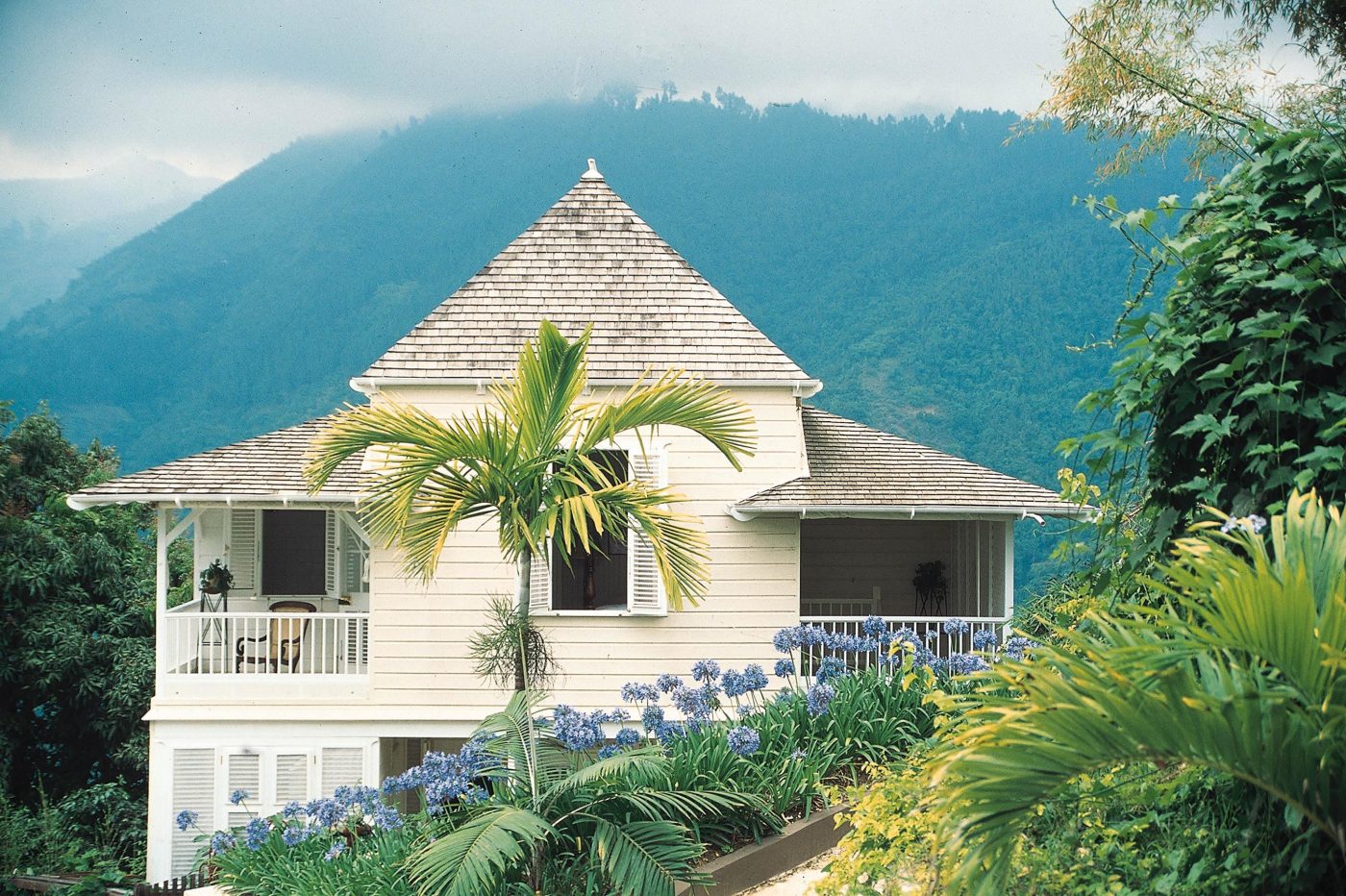
His properties, such as Strawberry Hill in the Blue Mountains and The Caves in Negril, became benchmarks for "low-impact, high-luxury" travel. These sites were not just hotels but curated experiences of Jamaican life. Strawberry Hill, for instance, utilized traditional 19th-century Jamaican Georgian architecture, preserving a style that was rapidly being replaced by concrete modernism elsewhere.
In 2026, these properties serve as a reminder that luxury does not require the destruction of heritage. Blackwell’s approach to tourism prioritized the "vibe"—an intangible sense of place—over gold-plated faucets. This philosophy has influenced a generation of hoteliers worldwide who seek to offer authenticity as the ultimate luxury.
GoldenEye: The Jewel of Oracabessa
Perhaps the most famous of Blackwell’s properties is GoldenEye, the former estate of Ian Fleming, where the James Bond novels were written. Blackwell purchased the property in 1976 and transformed it into a world-renowned resort. However, his work at GoldenEye went beyond hospitality; it became a catalyst for the regeneration of the Oracabessa community.
Through the Oracabessa Foundation, Blackwell facilitated environmental and social programs that have had a lasting impact. In 2026, the Oracabessa Bay Fish Sanctuary stands as a testament to his commitment to the sea. By partnering with local fishermen to create a protected area, the project has seen a massive increase in fish biomass and coral health. This model proves that private tourism and local environmental conservation can exist in a symbiotic relationship.

The Business of Authenticity: Blackwell Rum and Agriculture
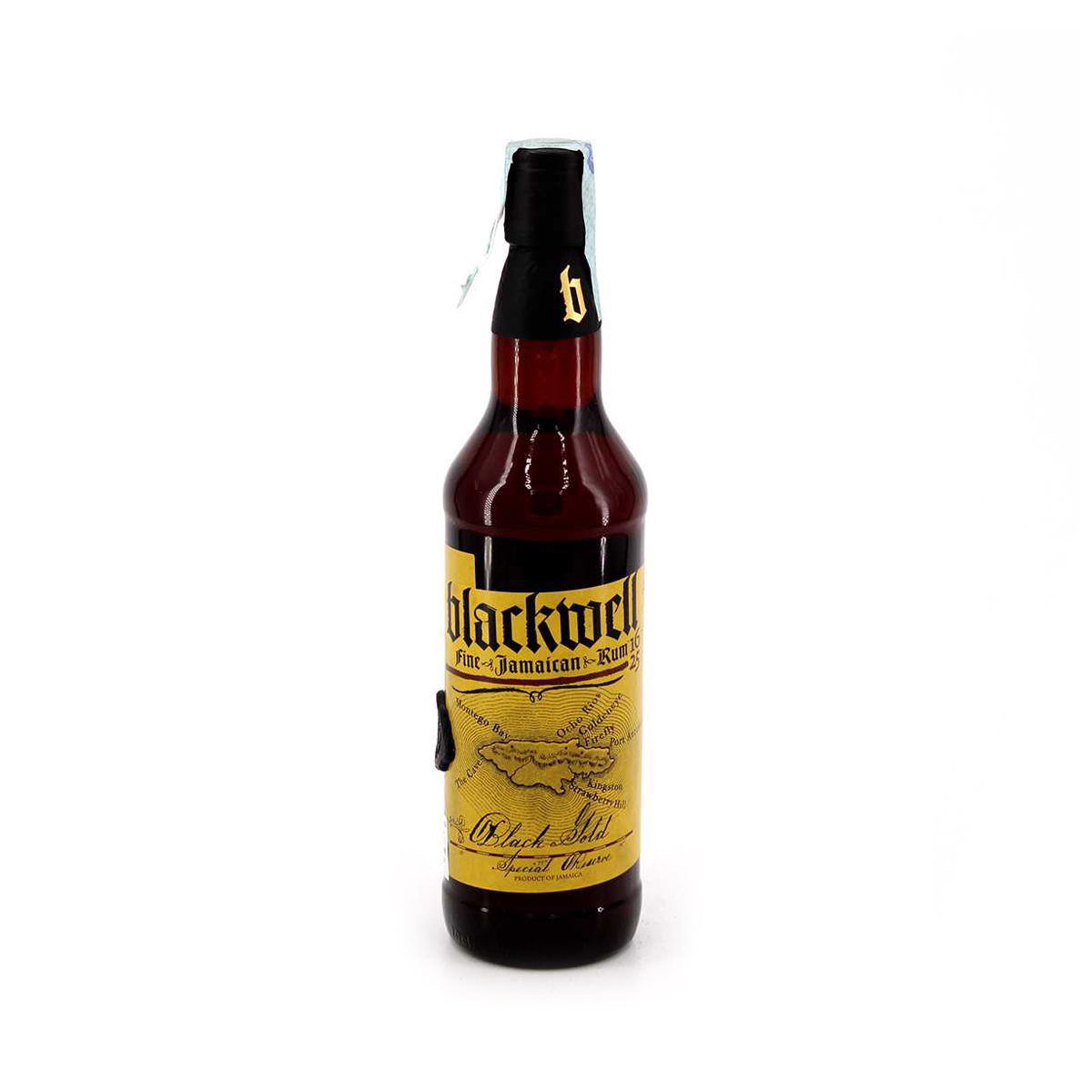
Blackwell’s legacy also touches on Jamaica's oldest industry: sugar and rum. As a descendant of the Lindo family, who owned the J. Wray & Nephew distillery, Blackwell returned to his roots with the launch of Blackwell Rum. This venture was more than a celebrity spirits brand; it was a way to maintain a connection to the agricultural history of the island.
In the current landscape of 2026, Blackwell Rum is recognized for its "Black Gold" profile, a dark rum that utilizes traditional pot-still methods. Blackwell’s involvement in the rum industry highlights his belief in vertical integration—controlling the culture (music), the experience (tourism), and the product (rum). This holistic view of the Jamaican brand has provided a stable economic template that emphasizes quality over quantity.
Comparative Impact of Blackwell’s Major Ventures
To understand the breadth of Chris Blackwell’s influence, it is helpful to examine the specific contributions of his primary business entities. The following table summarizes the key areas of impact as of 2026.
| Entity | Primary Focus | Cultural/Economic Impact | Key Legacy Achievement |
|---|---|---|---|
| Island Records | Music Production | Globalized Reggae and Ska; signed Bob Marley, U2, and Grace Jones. | Established Jamaica as a global musical superpower. |
| Island Outpost | Boutique Hospitality | Created the "authentic luxury" model; focused on community integration. | Preserved Jamaican architectural styles and heritage sites. |
| Oracabessa Foundation | Philanthropy/Environment | Coral restoration and local job training in St. Mary parish. | Successfully balanced tourism with environmental conservation. |
| Blackwell Rum | Spirits & Agriculture | Revitalized traditional pot-still rum techniques for modern markets. | Reconnected the Blackwell name to Jamaica’s historical rum trade. |
| Compass Point Studios | Recording Technology | Became a global hub for innovative sound engineering in the 1980s. | Influenced the "post-punk" and "new wave" sounds globally. |
Cultural Diplomacy and the "White Negro" Identity
Blackwell has often been referred to as a "White Negro," a term he embraced to describe his status as a cultural bridge-builder. While he came from a background of privilege, his ability to move through the different strata of Jamaican society allowed him to champion the voices of the marginalized. He did not merely "discover" talent; he partnered with it.
His relationship with Bob Marley was one of mutual respect and strategic alignment. Blackwell understood that for Marley to be a prophet of the Third World, he needed the distribution channels of the First World. This partnership set a precedent for how Western business leaders could interact with Caribbean artists without falling into the traps of exploitation. In 2026, historians and cultural critics view Blackwell’s career as a case study in ethical cultural mediation.
Challenges and Critiques
No legacy is without its complexities. Some critics have pointed to the gentrification that often follows high-end boutique tourism. While Blackwell’s hotels are integrated into their communities, the price points remain inaccessible to the average Jamaican, creating a dichotomy between the "protected" luxury of the resort and the reality of the surrounding area.
However, Blackwell’s defenders argue that his model provides more local employment and environmental protection than the high-density resorts that dominate the northern coast. His focus has always been on "low density, high value," a strategy that limits the ecological footprint of tourism while maximizing the revenue per visitor that stays within the country.
The Preservation of History: The Islander
In recent years, culminating in his memoir The Islander, Blackwell has worked to document the history he helped create. He has been instrumental in the preservation of Jamaican musical archives and has supported the development of museums and cultural centers. By 2026, his efforts have ensured that the history of the "Island Era" is not lost to time but is preserved for future generations of musicians and entrepreneurs.
His legacy is also seen in his support for the film industry, including his work on the 2024 Bob Marley biopic One Love. By acting as a consultant and executive producer on projects that involve Jamaican history, he ensures a level of accuracy and respect for the source material that is often missing in Hollywood productions.
FAQs about Chris Blackwell’s Jamaican Legacy
How did Chris Blackwell first get started in the music industry?
Blackwell started Island Records in 1959 with a small investment of £1,000. His first recordings were of local Jamaican jazz and blues artists. He gained his first major success with "My Boy Lollipop" by Millie Small in 1964, which became an international hit and provided the capital needed to expand the label and eventually sign the artists who would define the reggae genre.
What is the "Island Outpost" philosophy?
The Island Outpost philosophy centers on "un-hotel" hospitality. It prioritizes the preservation of the natural environment and local culture over traditional resort amenities. This means no TVs in rooms, open-air architecture, and a focus on locally sourced food and community-driven activities. It aims to make guests feel like they are staying in a private home rather than a commercial property.
Why was Chris Blackwell’s relationship with Bob Marley so significant?
The relationship was significant because it was the first time a major record executive treated a reggae artist with the same level of investment and marketing prowess as a top-tier rock act. Blackwell understood Marley’s charisma and spiritual message, and he gave Marley the creative freedom and financial backing to produce albums that would appeal to a global audience, fundamentally changing the trajectory of Jamaican music.
Is Chris Blackwell still active in Jamaican business in 2026?
Yes, in 2026, Blackwell remains an active figure, primarily through his advisory roles in Island Outpost and his continued promotion of Blackwell Rum. While he has stepped back from the day-to-day management of the music industry, his influence persists through his philanthropic work with the Oracabessa Foundation and his role as a cultural ambassador for Jamaica.
What is the Oracabessa Bay Fish Sanctuary?
The Oracabessa Bay Fish Sanctuary is a marine protected area in St. Mary, Jamaica, supported by the Oracabessa Foundation. It was established to combat overfishing and coral degradation. By 2026, it has become one of the most successful community-led conservation projects in the Caribbean, demonstrating that tourism can directly fund and facilitate environmental restoration.
Strategic Recommendations for Experiencing the Blackwell Legacy
To truly understand the impact of Chris Blackwell’s work, one must experience the intersection of his three pillars: music, nature, and spirits. A journey through his legacy in 2026 should begin in the Blue Mountains at Strawberry Hill, where the air is cool and the history of Jamaican coffee and Georgian architecture is palpable. This provides the necessary context for the island’s colonial past and Blackwell’s family roots.
Next, a visit to Oracabessa and GoldenEye is essential to witness the synthesis of global pop culture (James Bond) and local environmental action. Visitors should engage with the Oracabessa Foundation's projects to see how the "Blackwell Model" benefits the local community. Finally, a sunset toast with Blackwell Rum at The Caves in Negril offers the ultimate sensory conclusion, where the craftsmanship of the spirit meets the natural beauty of the limestone cliffs.
For researchers and fans, diving into the Island Records archives—now largely digitized but still celebrated at various Jamaican cultural institutions—is the best way to appreciate the sonic innovation that Blackwell fostered. His legacy is not just a collection of properties or songs; it is a philosophy of excellence, authenticity, and a deep-seated love for the island of Jamaica.
Image Gallery
Select an image to open it in a new tab.

Ingrid Bjornson
Global Cyber Policy and Regulation Analyst
