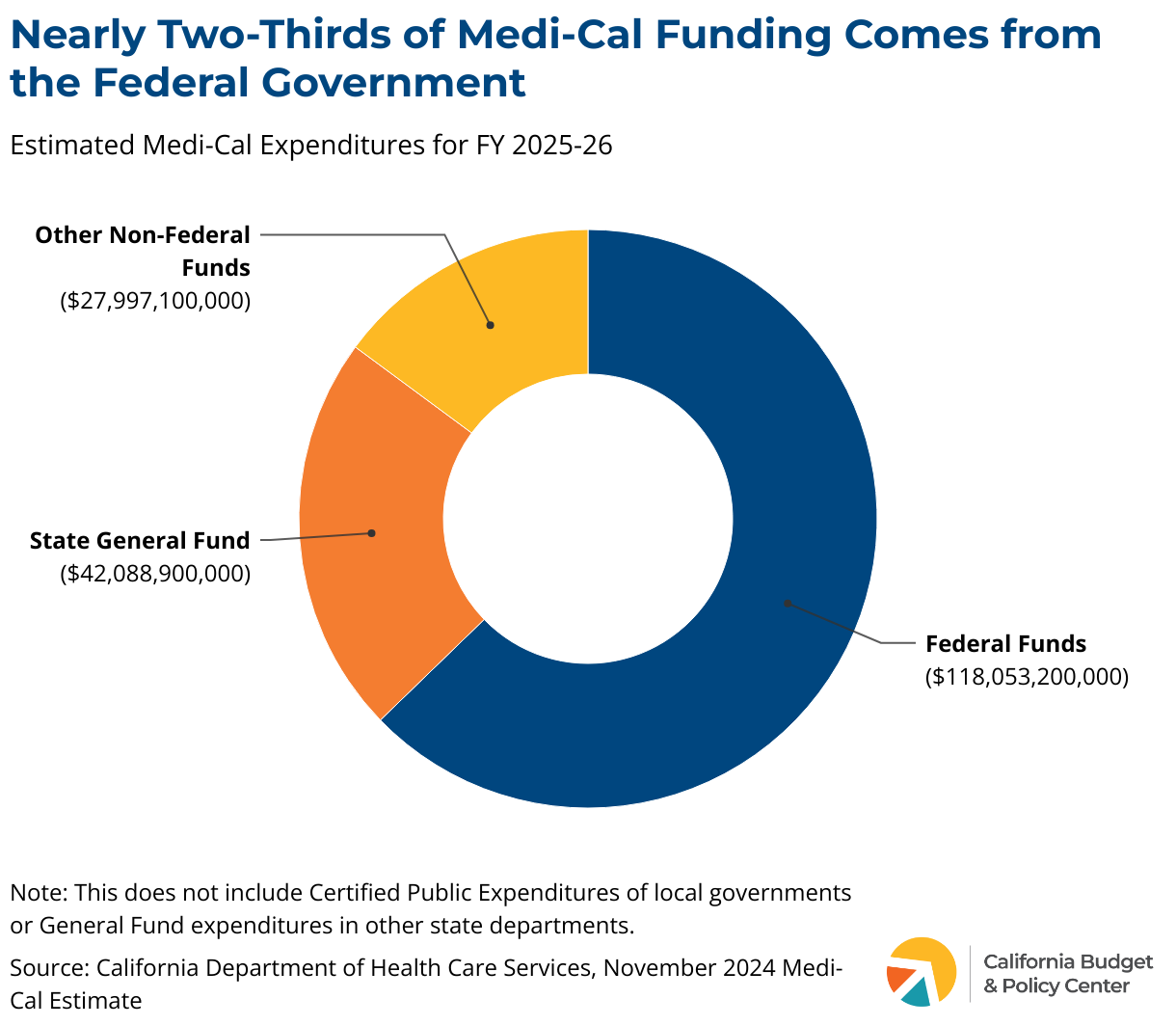
Medi-Cal is California’s Medicaid program, providing comprehensive health coverage to low-income individuals, families, seniors, persons with disabilities, children, and pregnant women. Eligibility is determined primarily by your Modified Adjusted Gross Income (MAGI), household size, age, and disability status. California residents must meet specific financial and non-financial criteria to qualify for these government-funded health benefits.
The Foundations of Medi-Cal Eligibility
Medi-Cal eligibility is governed by federal and state regulations that prioritize access for vulnerable populations. Unlike private insurance, which often requires monthly premiums and varying co-pays, Medi-Cal is designed to be accessible regardless of pre-existing conditions. Because it is a means-tested program, the most critical factor in your application process is determining your Modified Adjusted Gross Income (MAGI) relative to the federal poverty level.
For most applicants, eligibility is not static. It is assessed based on current monthly income or projected annual income. Because the program is administered at the county level but follows state-wide standards, understanding your specific category of eligibility is the first step toward successful enrollment.
Key Eligibility Factors
- Residency: You must be a resident of California. There is no minimum length-of-residency requirement, but you must demonstrate an intent to remain in the state.
- Citizenship and Immigration Status: As of 2026, California has expanded Medi-Cal coverage to all income-eligible residents regardless of immigration status. You are not required to provide a Social Security number if you do not have one, and applying for Medi-Cal does not negatively impact your "public charge" status.
- Household Size: Eligibility is calculated based on your tax household—the number of people included on your federal tax return or those you claim as dependents.
- Income Limits: Your income must fall within the current Medi-Cal thresholds, which are adjusted annually based on the Federal Poverty Level (FPL).
Understanding Income-Based Eligibility (MAGI vs. Non-MAGI)
The path to eligibility usually falls into one of two buckets: MAGI-based Medi-Cal or Non-MAGI (Aged, Blind, and Disabled) Medi-Cal.
MAGI-Based Medi-Cal
This category covers the majority of adults, children, and pregnant individuals. The state calculates your income by adding your adjusted gross income to certain non-taxed income sources. If your household’s MAGI is at or below 138% of the FPL, you are generally eligible for full-scope coverage.
Non-MAGI Medi-Cal
Individuals who are 65 or older, blind, or disabled often qualify under different rules. These programs may include "asset tests" (limits on what you own, such as savings accounts or property), whereas MAGI-based applications generally do not count assets. If you fall into this category, you may also qualify for "Share of Cost" Medi-Cal, where you pay a monthly deductible for services before the program covers the remainder.
Step-by-Step Enrollment Process
Applying for Medi-Cal is a centralized process, though your local county social services office handles the final approval and case management.
- Gather Necessary Documentation: Even if you do not need to submit physical copies immediately, keep records of your income (pay stubs, tax returns), identity (driver’s license, birth certificate), and residency (utility bills, lease agreement) handy.
- Submit an Application: The primary portal for enrollment is Covered California. This website serves as a single point of entry; the system will automatically determine if you qualify for Medi-Cal or if you are eligible for subsidized private health insurance plans.
- County Review: Once submitted, your application is routed to your county’s Department of Human Services. A caseworker may contact you if they require further clarification or missing documentation.
- Notice of Action: You will receive a formal notification via mail or your online account stating whether you have been approved. If approved, you will receive a Benefits Identification Card (BIC).
Comparison of Health Coverage Options
| Feature | Medi-Cal | Covered California (Private) |
|---|---|---|
| Monthly Premium | $0 | Varies based on plan/subsidy |
| Eligibility Basis | Income, Age, Disability | Income, Residency |
| Network Type | Managed Care Plans | Varies (HMO/PPO) |
| Cost Sharing | Little to none | Co-pays and deductibles apply |
Maintaining Your Coverage
Eligibility is not a one-time event; it is an ongoing status that requires annual renewal. Every year, you will receive a packet requesting updated information regarding your household income and residency.
Common Mistakes that Lead to Loss of Coverage:
- Failing to Report Income Changes: You are required to report significant increases or decreases in household income within 10 days of the change. A sudden increase in income might transition you from Medi-Cal to a subsidized private plan.
- Ignoring Renewal Notices: If you miss the annual redetermination deadline, your benefits may be automatically terminated. Always ensure your mailing address is up to date with your local county office.
- Providing Incomplete Data: Ensure that all members of your tax household are listed correctly, as excluding a dependent or a secondary earner can result in an incorrect eligibility assessment.
Managing Complex Situations
The "Share of Cost" Provision
If your income is slightly above the threshold for no-cost Medi-Cal, you may still qualify for "Share of Cost." This functions similarly to a deductible. Once you have incurred medical expenses equal to your share of cost amount in a given month, Medi-Cal will cover the remaining balance for the rest of that month. It is essentially a safety net for those with high medical needs but slightly too much income for standard enrollment.
Transitioning Between Plans
If your income fluctuates—for example, if you are a seasonal worker or a gig-economy worker—you may move between Medi-Cal and Covered California. The systems are designed to coordinate this transition so you do not experience gaps in care. If your income increases, the exchange will alert you, and you will have a "Special Enrollment Period" to sign up for a private plan to prevent a loss of coverage.
Frequently Asked Questions
1. Does owning a home disqualify me from Medi-Cal? For most applicants under MAGI rules, owning a home does not affect eligibility. For non-MAGI applicants (seniors or those with disabilities), specific rules regarding home equity and primary residence may apply, but in many cases, your primary residence is considered an exempt asset.
2. Can I apply for Medi-Cal if I already have other insurance? Yes. You can have both private insurance and Medi-Cal. In this scenario, Medi-Cal acts as your "secondary payer," potentially covering costs that your private insurance does not, such as specific co-pays or deductibles.
3. What happens if I am denied? If your application is denied, you have the right to request a State Hearing. The Notice of Action you receive will include instructions on how to appeal the decision if you believe an error was made in the calculation of your income or household size.
4. Does pregnancy affect my eligibility? Yes. Pregnancy qualifies you for an expansion of benefits. Even if your income would normally be too high for standard adult Medi-Cal, you may qualify for the Medi-Cal Access Program (MCAP) or similar pregnancy-related coverage.
5. Are there different types of Medi-Cal plans? Most Medi-Cal recipients are enrolled in "Managed Care" plans. This means you will select a health plan (like Health Net, Anthem, or a local county health plan) that coordinates your care. You will choose a primary care physician within that network to manage your health needs.
Final Recommendations for Applicants
If you are uncertain about your eligibility status, do not self-select out of the process. The complexity of income calculations—especially for the self-employed or those with varying work hours—often leads people to assume they are ineligible when they are not.
Visit the official Covered California website to use their "Shop and Compare" tool. This tool is highly accurate and will provide a definitive answer regarding whether you qualify for Medi-Cal or if you are eligible for federal tax credits to lower the cost of a private plan. If you require personalized assistance, many counties provide certified enrollment counselors who can walk you through the paperwork at no cost to you. If your situation involves complex assets or legal status, consider contacting a legal aid society in your county for specialized guidance.
Image Gallery
Select an image to open it in a new tab.


Simon Caldwell
Enterprise Technology and Systems Editor
