Why Are There So Many Cats in Turkey? Understanding the Cultural and Historical Context
The pervasive presence of cats in Turkey is the result of a unique confluence of historical Islamic tradition, urban planning, and a deep-seated cultural consensus that treats stray animals as community members rather than pests. This phenomenon is maintained by a public-private social contract where citizens, businesses, and local municipalities share the responsibility for the welfare of the feline population.
The Cultural Foundations of Feline Acceptance
To understand why Turkish streets, cafes, and historical sites are populated by countless cats, one must first look at the cultural and religious tapestry of the country. In Islamic tradition, the cat is considered a clean and respected animal. Several hadiths—reports describing the words and actions of the Prophet Muhammad—highlight a fondness for cats. One of the most famous accounts involves Muezza, the Prophet’s favorite cat, who famously slept on the sleeve of his robe, which the Prophet reportedly cut rather than disturb the animal’s rest.
This narrative has fostered an environment where the feline is not merely tolerated but protected. Over centuries, this religious precedent evolved into a secular cultural norm. In modern Turkey, the cat is viewed as a "co-inhabitant." Unlike in many other urban centers globally where strays are systematically removed or managed through population control programs, the Turkish approach is characterized by stewardship. Locals frequently build small shelters, leave bowls of food and water on street corners, and ensure that community cats receive medical attention when injured.
The Architecture of Coexistence
The physical landscape of Turkish cities, particularly Istanbul, plays a significant role in the success of this population. Historically, the wooden architecture of the Ottoman era provided ample space for cats to navigate, with roof spaces and crevices that served as natural refuges. While modern concrete construction has changed the urban fabric, the design of neighborhoods remains relatively porous.
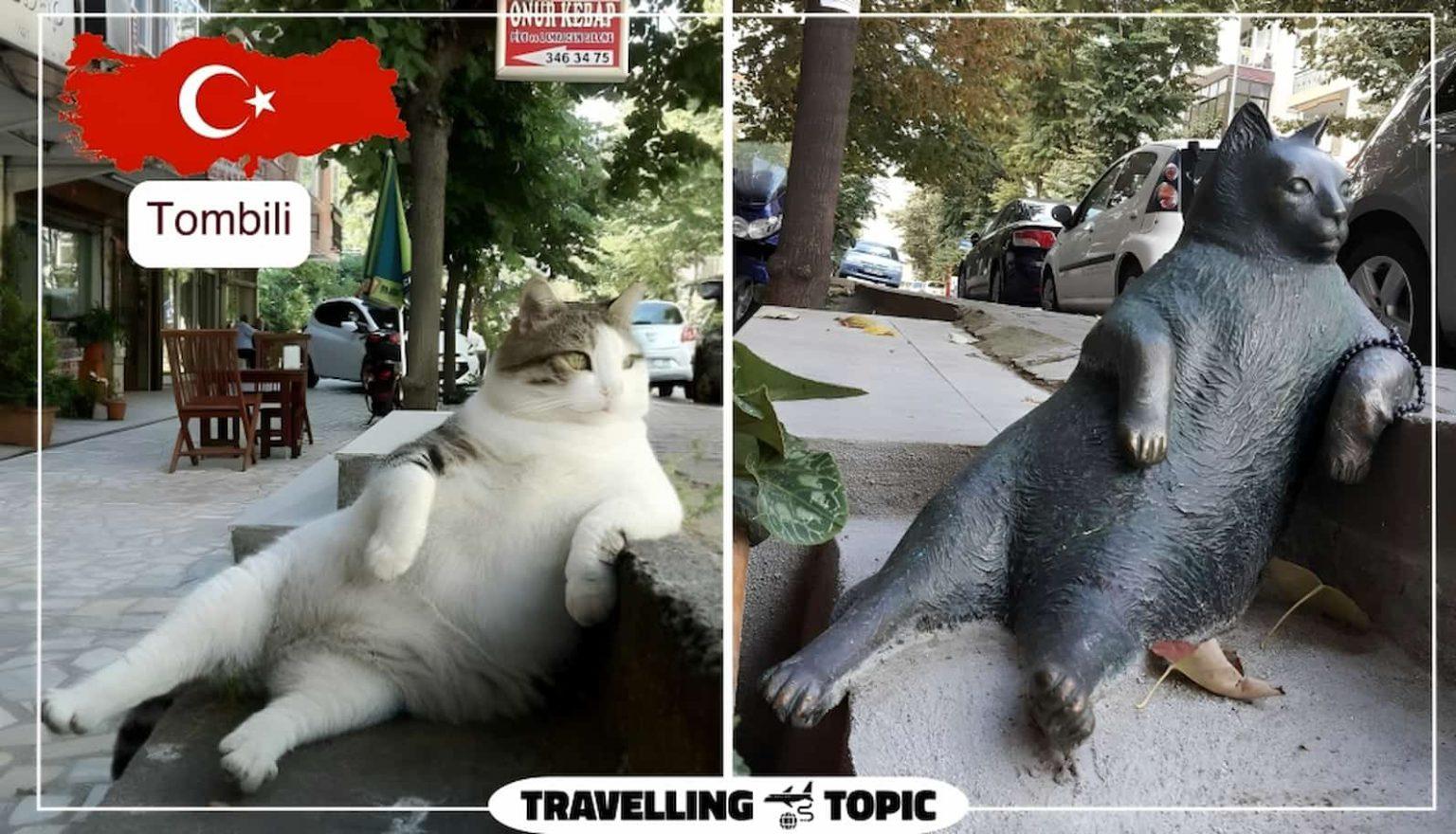
Public squares and outdoor seating at cafes—integral to Turkish social life—have become the primary habitats for these animals. By integrating themselves into these spaces, cats provide a service: they control the rodent and insect populations, acting as a form of natural sanitation for the city. This symbiotic relationship ensures that cats remain close to human activity, where food sources are abundant. Many business owners consider the resident cats to be part of their staff, often naming them and including their care in daily operating routines.
Legal Framework and Municipal Responsibility
In recent years, the government has formalized the status of stray animals through legislative action. The "Law on the Protection of Animals" (Law No. 5199) establishes the framework for how municipalities interact with stray cats and dogs. Rather than implementing culling or indefinite containment, the law emphasizes a "trap-neuter-return" (TNR) model.
Municipalities are mandated to provide veterinary services, including vaccinations and sterilization, for street animals. Once treated and marked—usually with a small ear tag or a subtle notch—the animals are returned to their original territory. This approach is intended to stabilize the population over time while ensuring the health of the community. In 2026, many districts in major cities have digitized this process, using mobile applications to allow residents to report sick or injured animals directly to local veterinary clinics for rapid response.
Comparison of Stray Animal Management Approaches
| Feature | Turkey (General Model) | Common International Approach |
|---|---|---|
| Status | Community resident | Stray or nuisance animal |
| Control Method | Trap-Neuter-Return (TNR) | Euthanasia or confinement |
| Public Role | Caretaking/Feeding | Minimal/Discouraged |
| Legal Status | Protected by Law 5199 | Often subject to removal |
| Primary Goal | Coexistence | Population eradication |
Economic and Social Impacts of the Feline Population
The presence of so many cats has significant socio-economic implications. Economically, the cost of supporting this population is largely decentralized. While municipalities pay for the large-scale sterilization programs, the daily caloric intake of millions of cats is provided by individual citizens and private small-business owners. This effectively removes the financial burden from the state while reinforcing community bonds.
Socially, the presence of cats acts as a mediator for public interaction. A cat sitting on a restaurant chair or in a shop window serves as a conversation starter, fostering a sense of shared responsibility and empathy among strangers. Even in rapidly gentrifying districts, the "neighborhood cat" is often considered a protected figure that developers and new residents are socially obligated to maintain.
Challenges and Considerations for 2026
Despite the success of this model, it is not without challenges. Rapid urbanization and the loss of green spaces have increased pressure on the feline population. Furthermore, the reliance on street-level feeding can lead to uneven distribution of resources, where cats in high-traffic tourist areas are well-fed, while those in residential peripheries may face scarcity.
Public health remains a priority. The success of the population management system depends entirely on consistent vaccination protocols. When municipal budgets for veterinary care tighten, the risk of zoonotic diseases—though historically low in this context—requires careful monitoring. Residents are encouraged to be vigilant about the welfare of cats they feed, and veterinarian-led public awareness campaigns are standard practice to remind citizens that "stray" does not mean "abandoned" or "unsupervised."
Frequently Asked Questions
Why don’t Turkish cats fear humans?
The lack of fear is a learned behavior. Because these animals are rarely threatened or harmed by the general public, they have not developed the avoidance behaviors common in stray populations elsewhere. Generations of cats have experienced humans as providers of food and shelter, leading to a unique temperament characterized by friendliness and curiosity.
Are these cats considered pets or wild animals?
They occupy a middle ground. They are not owned by individuals, but they are clearly managed by the community. They are best described as "community cats." They rely on humans for supplemental food and medical care but retain their autonomy to roam and live according to their natural instincts.
What should a visitor do if they encounter an injured cat?
Visitors are encouraged to alert local residents or business owners first, as they often know which veterinarian manages the area. In 2026, most major municipalities provide a dedicated call center number for animal welfare inquiries. If the cat is severely injured, it is advisable to contact a local belediye (municipality) veterinary team, which is trained to handle and treat street animals.
Is the feline population out of control?
While the population is high, it is not necessarily "out of control" in terms of biological disaster. The TNR program is the primary tool used to prevent exponential growth. However, the density of cats in certain districts, such as Kadıköy or Beşiktaş, is indeed high, which is a direct reflection of the massive volume of food scraps available and the public's willingness to provide additional nourishment.
Can I feed the street cats?
Yes, it is socially acceptable and encouraged. However, it is important to provide appropriate food. Dry kibble is the standard recommendation to keep the feeding areas clean. Avoid feeding cats highly processed human foods, sugary items, or dairy products, which can cause digestive issues.
Moving Forward: Next Actions
If you are a resident or a long-term visitor in Turkey, you can participate in this successful model of urban ecology by practicing responsible caretaking. When feeding stray cats, choose dry cat food to minimize the environmental impact on streets. If you notice a cat without an ear-tag or notch, you may consider contacting your local municipal veterinary office to inquire about their spay and neuter schedule. Supporting the local veterinary system is the most effective way to ensure that the cats of Turkey continue to flourish as an essential part of the country’s unique social fabric.
Image Gallery
Select an image to open it in a new tab.


Vivian Cho
Executive IT and Emerging Technologies Reporter
