Liberty University Growth and Challenges: An Examination of Enrollment Expansion, Institutional Development, and Regulatory Scrutiny
Liberty University has experienced a profound evolution, transforming from a modest regional Bible college founded in 1971 by Jerry Falwell Sr. into one of the largest private, nonprofit evangelical universities in the United States. This remarkable trajectory is defined by a dual narrative: aggressive enrollment growth—primarily driven by an early and sustained investment in distance education—alongside complex operational, financial, and regulatory challenges. Understanding Liberty University requires examining both its expansive physical and digital footprint in Lynchburg, Virginia, and the governance, compliance, and cultural hurdles it continues to navigate as an influential institution in American higher education.
Institutional Genesis and the Distance Education Pioneer
The history of Liberty University is rooted in the vision of its founder, Jerry Falwell Sr., who established Lynchburg Baptist College in 1971. Originally operating out of Thomas Road Baptist Church with just 154 students, the institution was built on the explicit mission of training champions for Christ through a traditional liberal arts framework infused with conservative evangelical principles. Renamed Liberty Baptist College in 1976 and finally Liberty University in 1985, the school sought to provide a comprehensive university experience that rivaled secular institutions while maintaining strict doctrinal alignment.
A pivotal turning point in the institution's history was its embrace of non-traditional education. Long before online learning became ubiquitous across higher education, Liberty recognized the potential of remote instruction. It began with "School of the Air" correspondence courses in the 1980s, transitioned to VHS-based video instruction in the 1990s, and ultimately launched a robust internet-based learning management system in the early 2000s.
This early pivot allowed Liberty University to scale its operations exponentially. While many traditional universities viewed online education with skepticism, Liberty poured resources into digital infrastructure, marketing, and student support services tailored to adult learners, military service members, and working professionals. By the 2010s, residential enrollment on the Lynchburg campus stabilized around 15,000 students, while online enrollment soared into the tens of thousands, eventually positioning Liberty among the largest universities in the nation by total headcount.
Enrollment Scaling and Financial Architecture
The financial model of Liberty University is heavily reliant on its online division. Unlike many traditional private universities that depend primarily on hefty residential tuition and large, long-standing endowments, Liberty generated substantial operating revenue through high-volume, lower-cost online tuition pricing. This revenue stream funded an aggressive multi-decade capital improvement campaign on the Lynchburg campus.
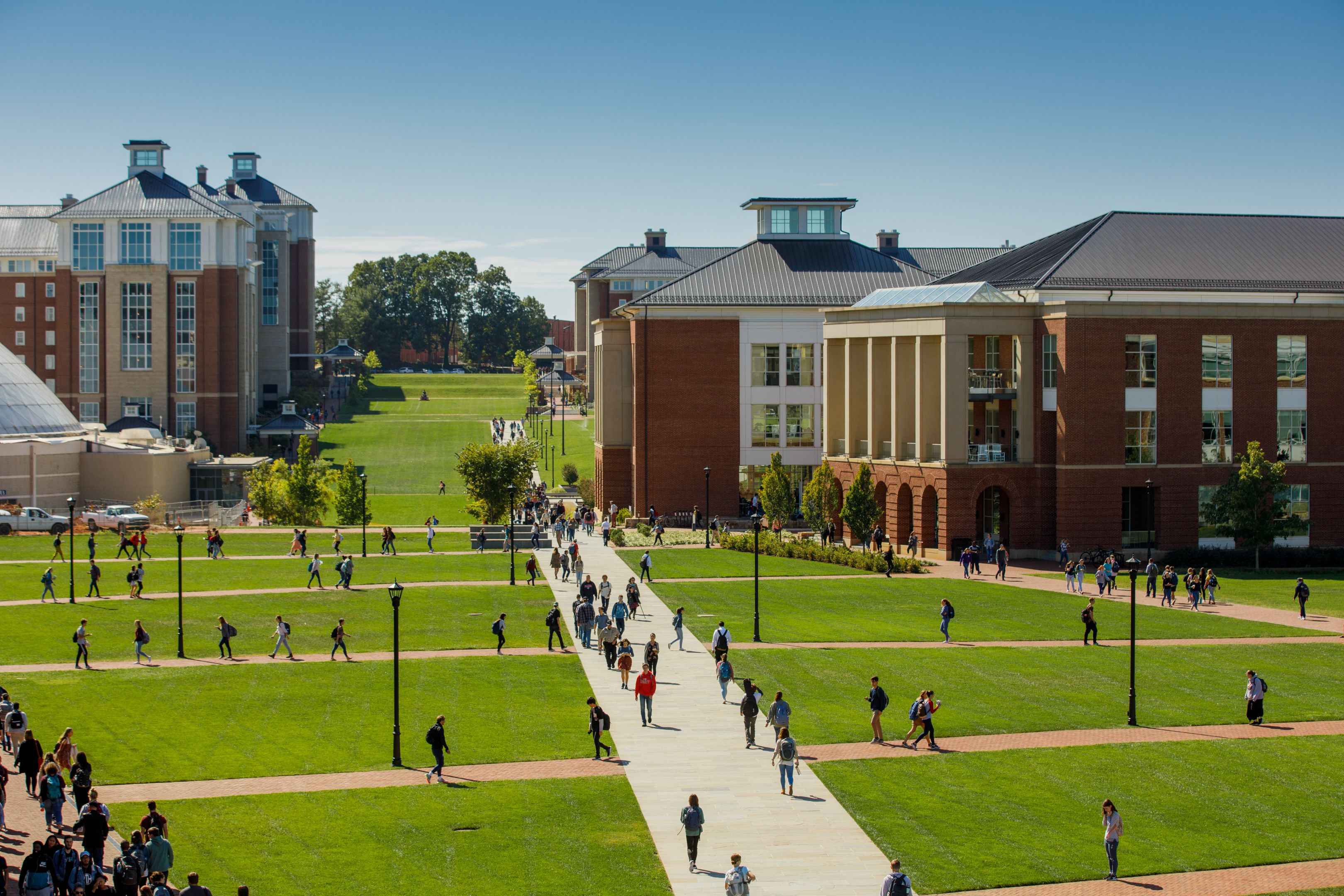
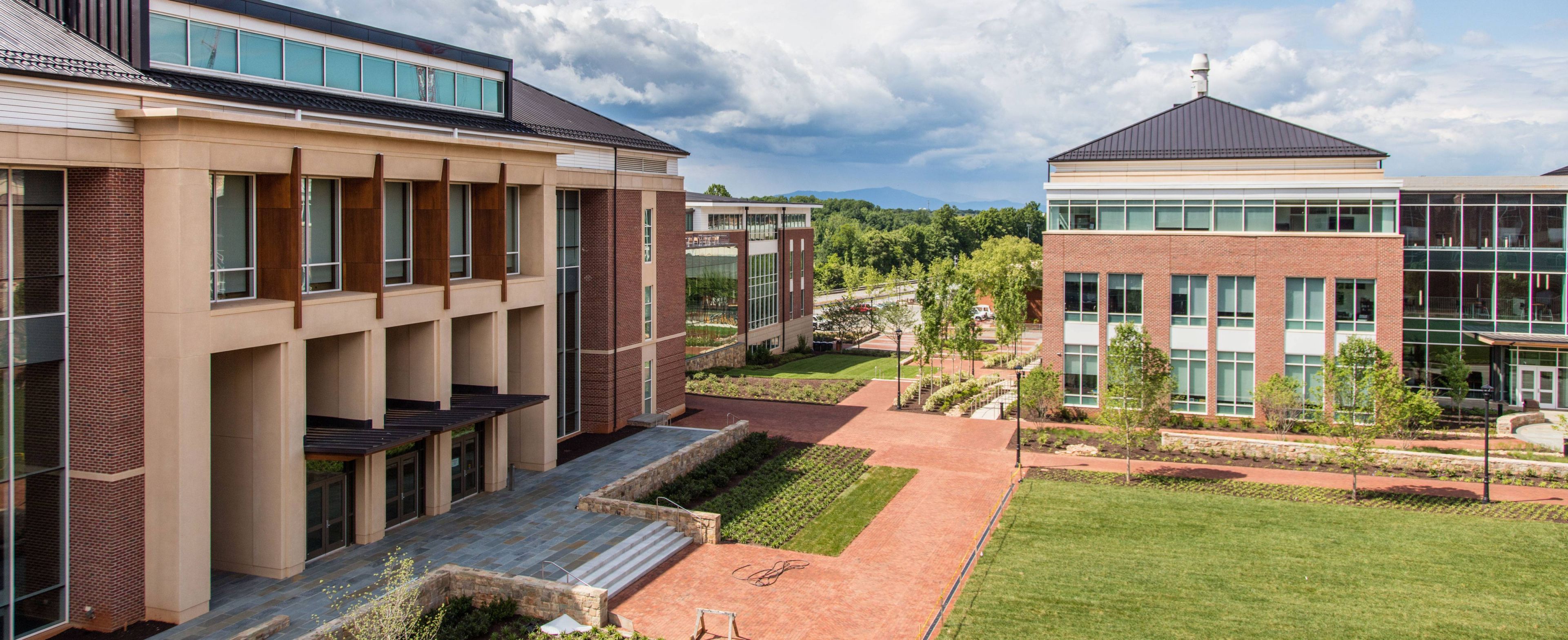
Between 2007 and 2020, Liberty invested over a billion dollars into transforming its physical infrastructure. The campus saw the construction of state-of-the-art academic buildings, modern residential halls, a massive library, advanced athletic complexes, and recreational facilities such as a snowflex ski slope and a soaring campus east tower. This physical modernization served a dual purpose: it accommodated a growing residential student body and acted as a powerful visual marketing tool to attract prospective students and families visiting the campus.
However, rapid scaling and a complex financial portfolio also introduced administrative vulnerabilities. The university’s vast real estate holdings, commercial enterprises, and reliance on federal financial aid distributions placed it under intense scrutiny from external auditors and federal regulators. The financial health of the institution remains tightly bound to its ability to maintain federal Title IV funding eligibility for its student body, making regulatory compliance an existential operational priority.

Major Growth Milestones and Regulatory Challenges
| Era / Period | Key Growth Milestones | Major Challenges & Regulatory Scrutiny |
|---|---|---|
| 1971–1985 | Founding of Lynchburg Baptist College; transition to Liberty University; initial regional accreditation efforts. | Securing initial operating capital; establishing academic credibility; building foundational facilities. |
| 1986–2005 | Development of early distance learning programs (correspondence and video); gradual increase in residential student population. | Navigating early accreditation standards for non-traditional instruction; scaling administrative systems. |
| 2006–2020 | Explosive online enrollment growth; over $1 billion in campus infrastructure development; expansion of NCAA Division I athletics. | Transition in university leadership following the passing of Jerry Falwell Sr.; initial public relations and cultural controversies. |
| 2021–Present | Sustained position as a dominant online educator; implementation of updated governance and compliance protocols. | High-profile Department of Education investigations, historic Clery Act fines, and accreditation probation oversight. |
Governance Transitions and Leadership Shifts
The leadership of Liberty University underwent a dramatic restructuring following the death of Jerry Falwell Sr. in 2007, when his son, Jerry Falwell Jr., assumed the presidency. Under Falwell Jr., the university experienced its most aggressive financial expansion and physical building boom. He expanded the university's political footprint, positioning Liberty as a mandatory stop for conservative political candidates and national figures.
Yet, this era of high visibility also courted controversy. Questions regarding institutional governance, financial transactions involving university resources, and personal conduct led to mounting tension between the administration, the Board of Trustees, and various faculty and alumni factions. In August 2020, following a series of public controversies, Jerry Falwell Jr. resigned from his position as president and chancellor.
The Board of Trustees subsequently appointed Major General (Ret.) Keith Anderson as acting president, followed by the appointment of Dr. Dondi Costin as the university’s sixth president in 2023. This leadership transition marked a concerted effort by the institution to return its primary focus to academic rigor, spiritual formation, and institutional compliance. The new administration initiated comprehensive internal reviews to strengthen governance policies, enhance transparency, and mend relationships with regional and federal oversight bodies.
Compliance Audits, Clery Act Penalties, and Accreditation
As Liberty University grew, it drew heightened attention from federal regulators. The most consequential regulatory challenge in the university's history came to light through a multi-year compliance review conducted by the U.S. Department of Education (ED). In 2023, the Department of Education concluded a comprehensive Clery Act investigation into Liberty University, issuing a historic $14 million fine—the largest of its kind levied under the Jeanne Clery Disclosure of Campus Security Policy and Campus Crime Statistics Act.
The federal investigation cited systemic failures in campus safety reporting, inaccurate crime statistics, a failure to issue timely warnings to the campus community, and policies that allegedly discouraged victims of sexual assault or harassment from reporting incidents due to fears of disciplinary action under the university's honor code. Liberty University cooperated with federal officials, agreed to pay the fine, and committed to a multi-year corrective action plan that included third-party oversight, comprehensive policy rewrites, and the enhancement of Title IX compliance and campus security infrastructure.
Concurrently, the university’s regional accreditor, the Southern Association of Colleges and Schools Commission on Colleges (SACSCOC), placed Liberty on probation in late 2023 due to concerns regarding board governance, administrative oversight, and institutional control. Meeting SACSCOC standards is critical, as regional accreditation is a prerequisite for students to receive federal financial aid. Through structural reforms, updated board bylaws, and demonstrable administrative changes, Liberty worked to resolve these compliance markers to maintain its accredited status without interruption.
Cultural Identity, Academic Integrity, and Future Outlook
At the core of Liberty University’s enduring appeal to its student demographic is its unwavering commitment to its foundational mission: Training Champions for Christ. The university enforces a strict doctrinal statement, a campus code of conduct (known as "The Liberty Way"), and mandatory convocation attendance for residential students. While these policies are central to the institution's identity as a conservative evangelical bastion, they have historically been points of friction with secular critics, progressive advocacy groups, and certain members of the academic community who question the balance between institutional orthodoxy and academic freedom.
Despite these cultural flashpoints, Liberty's academic offerings have expanded significantly. The university offers hundreds of programs of study, ranging from associate and bachelor's degrees to doctoral and professional tracks, including law, osteopathic medicine, aviation, and nursing. The establishment of the Liberty University School of Law and the Liberty University College of Osteopathic Medicine reflects an institutional push toward professional and technical training grounded in a worldview framework.
Looking ahead, the primary task for Liberty University's leadership is balancing numerical and financial stability with rigorous regulatory compliance and reputational rehabilitation. The institution has proven resilient in the face of leadership upheaval, legal challenges, and public scrutiny, largely sustained by the loyalty of its vast alumni network and the high demand for its flexible online degree programs. Whether Liberty can successfully reconcile its rapid historical growth with sustainable, compliant, and transparent administrative practices will determine its standing as a permanent fixture in American higher education.
Frequently Asked Questions
What factors contributed to Liberty University's massive enrollment growth?
Liberty University’s enrollment expansion was primarily driven by its early, aggressive adoption of distance and online education. By developing a scalable digital learning infrastructure decades before it became an industry standard, Liberty captured a vast market of adult learners, working professionals, and military personnel, supplementing its steady residential student population in Lynchburg, Virginia.
Why was Liberty University fined by the U.S. Department of Education?
In 2023, the U.S. Department of Education fined Liberty University $14 million following a comprehensive investigation into compliance with the Clery Act. The federal review cited significant failures in campus crime reporting, inadequate safety warning systems, and systemic issues concerning how the university handled and reported sexual assault and harassment allegations.
How has Liberty University addressed its recent accreditation and compliance issues?
In response to probation notices from the Southern Association of Colleges and Schools Commission on Colleges (SACSCOC) and federal regulatory findings, Liberty University instituted major governance reforms. These included overhauling board oversight, strengthening Title IX reporting and support services, updating campus safety protocols, and cooperating with third-party monitors to ensure federal compliance.
Is Liberty University still accredited to grant degrees?
Yes. Liberty University maintains its accreditation through the Southern Association of Colleges and Schools Commission on Colleges (SACSCOC), allowing its students to continue qualifying for federal financial aid programs and ensuring the academic validity of its degrees across undergraduate and graduate levels.
What is the current leadership structure at Liberty University following Jerry Falwell Jr.'s departure?
Following the resignation of Jerry Falwell Jr. in 2020, the university transitioned through interim leadership before appointing Dr. Dondi Costin as president in 2023. The administration, working alongside the Board of Trustees, has focused on stabilizing institutional governance, reinforcing financial controls, and realigning the university with its founding mission and regulatory obligations.
Image Gallery
Select an image to open it in a new tab.





Mateo Castillo
Decentralized Finance and E-Payments Strategist
