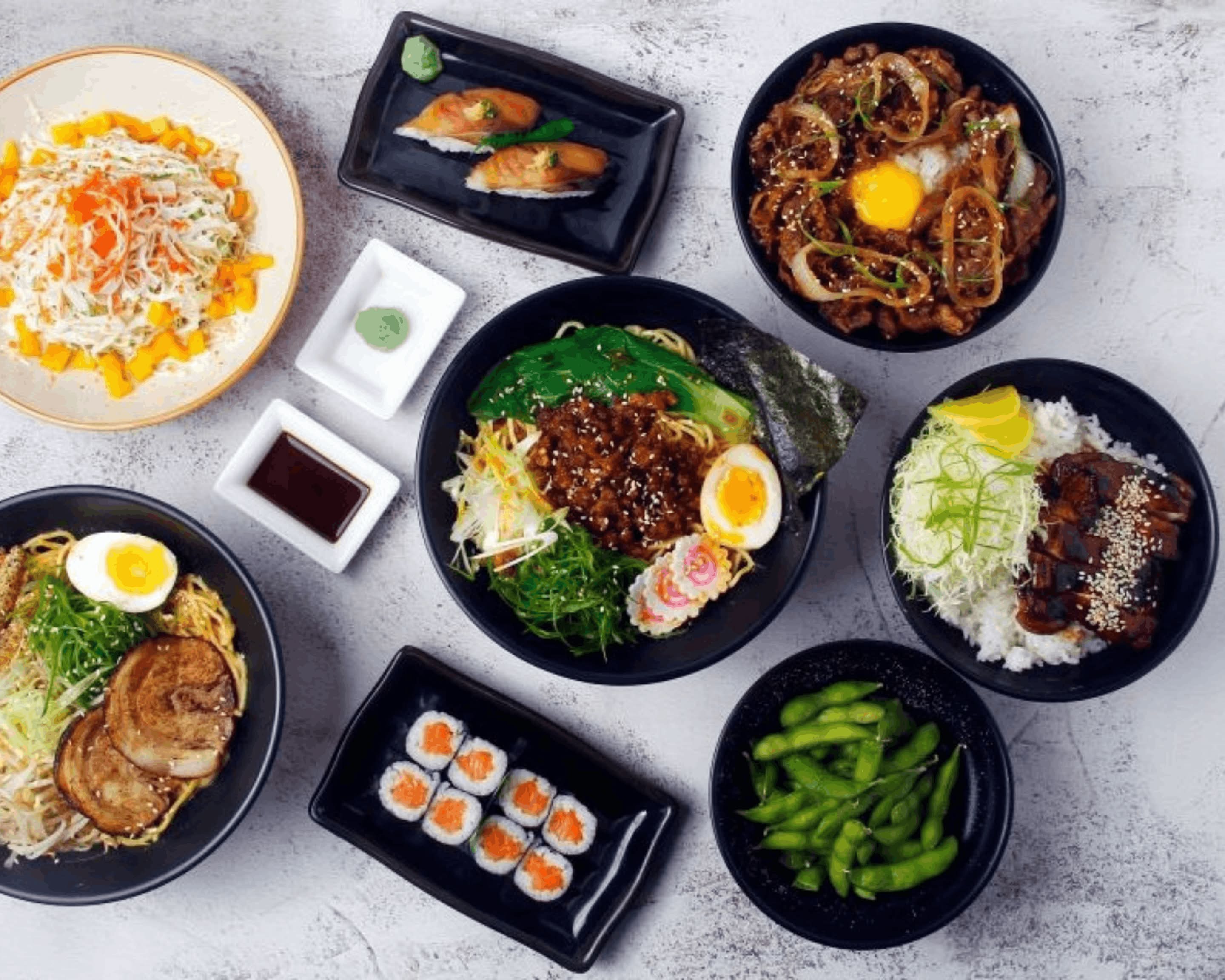
Understanding a Kyushu Japanese restaurant menu requires more than a basic knowledge of sushi or tempura; it involves navigating the bold, savory, and often rustic flavors of Japan’s southernmost main island. Kyushu cuisine, often referred to as "soul food," is defined by its rich pork-based broths, fresh seafood from the Genkai Sea, and a unique preference for shochu over sake.
The Essence of Kyushu Cuisine: Why the Menu Differs
When you open a menu at a Kyushu-specific restaurant in 2026, you are looking at a regional culinary map that prioritizes "Umami" and "Koku" (richness). Unlike the delicate, refined flavors of Kyoto or the street-food variety of Osaka, Kyushu’s food is hearty and deeply rooted in its geography and history as a gateway for international trade.
The island’s seven prefectures—Fukuoka, Saga, Nagasaki, Oita, Kumamoto, Miyazaki, and Kagoshima—each contribute distinct elements. Fukuoka is the world-famous capital of ramen, while Kagoshima is renowned for its high-quality Berkshire pork. Understanding these regional distinctions allows you to move beyond the "standard" Japanese dining experience and appreciate the specific techniques like long-boiling bone broths and the use of fermented condiments like Yuzu Kosho.
The Foundation: Hakata Tonkotsu Ramen
The most recognizable item on any Kyushu menu is Hakata Ramen, characterized by its Tonkotsu (pork bone) broth. This dish originated in the Hakata district of Fukuoka and has since become a global phenomenon.
The Broth Mechanics
A traditional Tonkotsu broth is not just "pork soup." It is created by boiling pork bones, fat, and collagen over high heat for 12 to 18 hours. This process emulsifies the fats and minerals, resulting in a creamy, milky-white appearance and a thick mouthfeel. On a 2026 menu, you will often see variations such as "Kotteri" (rich/heavy) or "Assari" (light/clear), allowing diners to choose the level of oiliness.
Noodle Customization and "Kaedama"
Kyushu ramen uses thin, straight, non-curly noodles designed to cook quickly. A key feature on the menu is the firmness level, which you are often expected to specify:
- Barikata: Very hard.
- Kata: Firm/Hard.
- Futsuu: Normal/Standard.
- Yawa: Soft.
The most important term to remember is Kaedama. Because the thin noodles absorb soup quickly and can become soggy, Kyushu restaurants serve smaller portions. If you have soup left, you order a "Kaedama"—an extra serving of noodles—to be added to your existing broth.

The Nabe Culture: Motsunabe and Mizutaki
Kyushu is famous for its hot pots (Nabe), which are often the centerpiece of a group meal. If the restaurant focuses on Fukuoka's traditions, you will encounter two primary types: Motsunabe and Mizutaki.
Motsunabe (Offal Hot Pot)
Once considered a humble "stamina food" for coal miners, Motsunabe has evolved into a gourmet staple. The menu will describe this as a pot of beef or pork small intestines (motsu) simmered in a broth flavored with soy sauce or miso. It is heavily garnished with garlic slices, chili peppers, and a thick layer of Chinese chives (Nira). The high collagen content makes it popular for those seeking skin health benefits.
Mizutaki (Chicken Collagen Hot Pot)
Mizutaki is a more refined, Fukuoka-style chicken hot pot. The process begins with a clear or slightly cloudy chicken bone broth. Diners first drink a small cup of the seasoned broth before adding chicken pieces, minced meat balls (tsukune), and vegetables. The dish is almost always served with Ponzu (citrus-based soy sauce) for dipping, which cuts through the richness of the chicken fat.
Regional Meat Specialties: From Kurobuta to Basashi
Kyushu restaurants frequently highlight premium meats that are specific to the southern prefectures. These items are usually found in the "Small Plates" or "Grilled Items" section.
Kagoshima Kurobuta (Black Pork)
Kagoshima is the home of the "Kurobuta" (Berkshire pig), often called the "Kobe beef of pork." On the menu, look for Kurobuta Shabu-Shabu or Tonkatsu. The fat of this pork has a lower melting point than standard pork, giving it a sweet, melt-in-your-mouth texture. It is prized for its high percentage of intramuscular fat (marbling).
Miyazaki Chicken Nanban
Hailing from Miyazaki Prefecture, Chicken Nanban is a fried chicken dish that stands out from standard Karaage. The chicken is fried, dipped in a sweet and sour vinegar sauce (nanban-zu), and then topped with a generous portion of creamy tartar sauce. It represents the "Western-influenced" Japanese cuisine that flourished in southern Japan.
Kumamoto Basashi (Raw Horse Meat)
A delicacy from Kumamoto, Basashi is thinly sliced raw horse meat. It is leaner than beef and has a slightly sweet aftertaste. On a professional menu, it is typically served cold with grated ginger, garlic, and sweet soy sauce. While it may be intimidating to some, it is a hallmark of Kyushu's historical food culture.
Seafood and Fermented Delicacies
Being an island with diverse coastlines, Kyushu’s seafood offerings focus on preservation and intense seasoning.
Mentai (Spicy Cod Roe)
Karashi Mentaiko is perhaps Fukuoka’s most famous export. It is Alaska pollock roe marinated in chili pepper and spices. You will see it served raw as a side dish, grilled, or even incorporated into pasta and tamagoyaki (rolled omelets). It provides a salty, spicy punch that pairs perfectly with white rice or shochu.
Goma Saba (Mackerel with Sesame)
In many parts of Japan, mackerel (Saba) is only eaten grilled or cured because it spoils quickly. However, due to the freshness of the catch in the Genkai Sea, Kyushu restaurants serve Goma Saba—fresh, raw mackerel marinated in soy sauce, mirin, and toasted sesame seeds. It is a signature "Izakaya" (gastropub) dish.
Understanding the Beverage Menu: The Shochu Stronghold
While most Japanese restaurants lead with Sake (Nihonshu), a Kyushu-focused establishment will lead with Shochu. Kyushu is the heartland of shochu production, a distilled spirit that is generally stronger than sake (typically 25% ABV).
- Imo Shochu (Sweet Potato): Primarily from Kagoshima. It has a powerful, earthy aroma and a lingering sweetness.
- Mugi Shochu (Barley): Popular in Oita and Nagasaki. It is cleaner, toasted, and more approachable for beginners.
- Kome Shochu (Rice): Kumamoto’s specialty, offering a floral and smooth profile similar to sake but with a distilled punch.
When ordering, the menu may ask how you want it served: Oyuwari (with hot water), Mizuwari (with cold water), or Rokku (on the rocks). In Kyushu, Oyuwari is the traditional method to bring out the aroma of sweet potato shochu.
Summary Table: Key Kyushu Menu Items Compared
The following table summarizes the most common regional dishes you will encounter, their origins, and what makes them unique.
| Dish Name | Prefecture Origin | Main Ingredient | Flavor Profile | Key Characteristic |
|---|---|---|---|---|
| Hakata Ramen | Fukuoka | Pork Bones | Creamy, Umami, Salty | Thin straight noodles; Kaedama system |
| Motsunabe | Fukuoka | Beef/Pork Offal | Savory, Garlicky | High collagen; finished with noodles |
| Basashi | Kumamoto | Raw Horse Meat | Lean, Slightly Sweet | Served with ginger and sweet soy |
| Chicken Nanban | Miyazaki | Fried Chicken | Sweet, Sour, Creamy | Topped with thick tartar sauce |
| Satsuma-age | Kagoshima | Fried Fish Cake | Sweet, Savory | Deep-fried minced fish with vegetables |
| Champon | Nagasaki | Seafood/Pork/Veg | Mild, Rich, Creamy | Thick noodles cooked in the soup |
Frequently Asked Questions
Is Kyushu food spicier than other Japanese cuisines?
While Japanese food is generally not "spicy" in the way Thai or Mexican food is, Kyushu uses more heat than most regions. This is primarily through Karashi Mentaiko (spicy cod roe) and Yuzu Kosho (a paste made from chili peppers, yuzu peel, and salt). These provide a "sharp" heat rather than a "burning" heat, intended to cut through the richness of fried foods and pork fats.
What is Yuzu Kosho, and why is it on every table?
Yuzu Kosho is the quintessential condiment of Kyushu. It is a fermented paste made from green or red chili peppers, salt, and the zest of the yuzu citrus fruit. It is incredibly potent and aromatic. It is used to season everything from ramen and hot pots to grilled yakitori. On a menu, you might see "Yuzu Kosho flavor" as a specific seasoning option for grilled meats.
Why is the soy sauce in Kyushu sweeter?
If you notice the soy sauce on the table or in your sashimi dish tastes different, it is because Kyushu is famous for Umakuchi Shoyu (sweet soy sauce). Historically, sugar was a luxury item that entered Japan through the port of Nagasaki. Using sugar in soy sauce became a status symbol and eventually a regional preference. It is particularly used to balance the gaminess of meats like horse or the oiliness of mackerel.
What is the "finish" of a Nabe meal?
On a Kyushu menu, you will see a section for Shime, which means "the end" or "the finish." After you have eaten the meat and vegetables in your Motsunabe or Mizutaki, you do not waste the broth. You order either Champon noodles or Zosui (rice and egg). The server will add these to the remaining soup, allowing them to soak up the concentrated flavors for a final, filling course.
Are there vegetarian options on a Kyushu menu?
Kyushu cuisine is heavily meat and seafood-oriented, particularly focused on pork and chicken. However, you can often find Karashi Renkon (lotus root stuffed with mustard and miso) or Hiyashi Tomato (chilled tomatoes). Pure vegetarians should be cautious with broths, as even vegetable dishes are often simmered in "Dashi" containing bonito (fish) or pork extract. Always ask for "Dashi-nashi" (no fish stock), though this may be difficult in traditional shops.
Practical Advice for Navigating the Menu
When dining at a Kyushu restaurant in 2026, the best approach is to order "horizontally" across the island’s prefectures. Start with a cold appetizer like Goma Saba (Fukuoka) or Basashi (Kumamoto) to awaken the palate. Follow this with a fried or grilled dish like Chicken Nanban (Miyazaki) or Kurobuta Gyoza (Kagoshima).
If you are with a group, the Nabe (hot pot) should be your main course. Remember that a single order of Nabe is usually intended for two or more people. If you are dining solo, a bowl of Hakata Tonkotsu Ramen is the standard choice. To drink, opt for a Mugi Shochu if you want something refreshing, or an Imo Shochu if you are eating heavy pork dishes.
Finally, don't forget the Shime (finishing) course. In Kyushu, leaving a pot of rich broth behind is considered a missed opportunity. Whether it is noodles in your ramen broth or rice in your hot pot, the "finish" is often the most flavorful part of the meal.
Image Gallery
Select an image to open it in a new tab.

Simon Caldwell
Enterprise Technology and Systems Editor
