The Evolution of Clint Eastwood: Defining Directorial Mastery in Modern Cinema

Clint Eastwood’s directorial career in modern cinema is defined by remarkable efficiency, narrative minimalism, and a focus on the moral complexities of the American hero. Since 2000, his work has transitioned from classic genre exercises to poignant, stripped-down character studies, solidifying his legacy as Hollywood's most prolific and enduring auteur.
The Directorial Philosophy: Minimalism and Efficiency
In the landscape of 21st-century filmmaking, where ballooning budgets and protracted post-production cycles are the norm, Clint Eastwood stands as a defiance of modern excess. His approach to directing—often referred to as the "one-take" philosophy—is not merely a stylistic choice but a fundamental component of his creative identity. Eastwood prioritizes the spontaneity of a performance over the technical perfection of a shot. By fostering an environment of quiet confidence on set, he allows actors to inhabit their roles without the fatigue of repetitive takes.
This efficiency has allowed Eastwood to maintain an extraordinary output well into his 90s. While contemporary directors might spend three to five years on a single project, Eastwood frequently releases a film every 12 to 18 months. This pace is facilitated by his long-standing production company, Malpaso Productions, and a loyal crew of collaborators who understand his shorthand. The result is a body of work that feels grounded and urgent, often stripped of the "gloss" that can sometimes distance an audience from the raw emotional core of a story.
From a technical standpoint, his modern era is characterized by low-key lighting and a muted color palette. Working frequently with cinematographers like Tom Stern, Eastwood developed a visual language that favors shadows and high-contrast imagery. This "Rembrandt" style of lighting serves the somber, often elegiac themes of his 21st-century filmography, where the moral clarity of his early Westerns is replaced by the gray areas of modern life.
The 21st-Century Renaissance: From Mystic River to Million Dollar Baby
The modern era of Eastwood’s career arguably began with the "Triple Crown" of the early 2000s: Mystic River (2003), Million Dollar Baby (2004), and the dual perspective of the Iwo Jima project (2006). These films signaled a shift away from the "tough guy" tropes of his 20th-century work toward a deeper investigation into grief, sacrifice, and the fragility of human connection.
Mystic River remains a foundational text in modern cinema for its exploration of how childhood trauma ripples through a community over decades. Eastwood’s direction in this film is notably restrained, allowing the powerhouse performances of Sean Penn, Tim Robbins, and Kevin Bacon to drive the narrative. He avoids the melodrama common in crime procedurals, focusing instead on the procedural nature of tragedy itself.
This period was followed by Million Dollar Baby, a film that subverted the traditional sports underdog narrative to become a haunting meditation on assisted suicide and the bond between surrogate parents and children. Winning his second Academy Award for Best Director for this film, Eastwood proved that his late-stage career was not a decline but a peak. His ability to navigate such sensitive subject matter with a "straight-ahead" directorial style—avoiding manipulative music or flashy editing—became his modern hallmark.
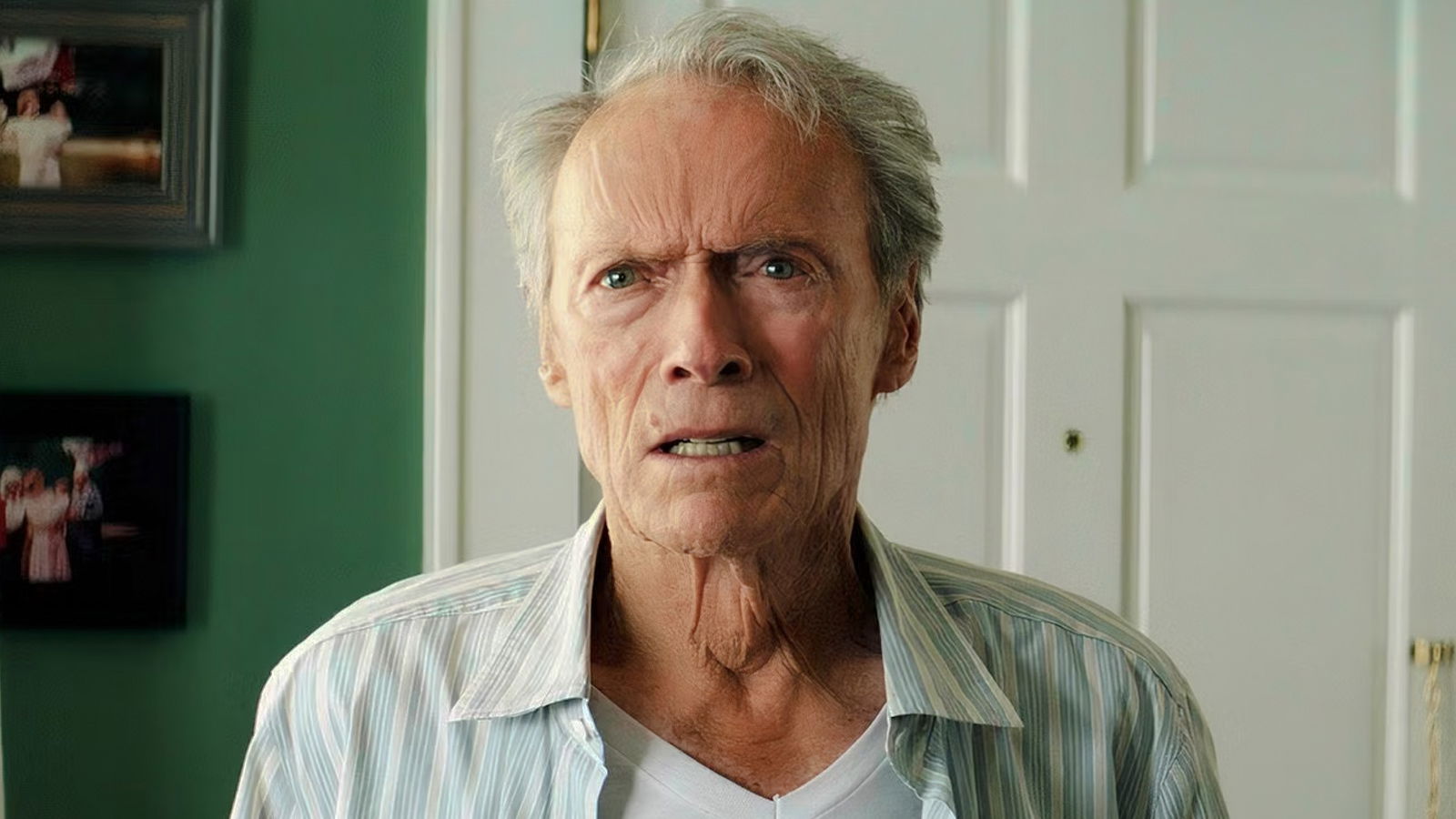
Examining the "Unsung Hero" in Modern Americana
A significant portion of Eastwood’s modern output focuses on real-life individuals who find themselves at the center of national controversies or extraordinary circumstances. This "Everyman" trilogy—Sully (2016), Richard Jewell (2019), and even American Sniper (2014)—showcases Eastwood’s fascination with how institutions treat individuals who have performed their duty under pressure.
The Case of American Sniper and Richard Jewell
In American Sniper, Eastwood explored the psychological toll of modern warfare. While some critics debated the film’s political leanings, the directorial focus remained squarely on the domestic fallout of combat. Eastwood used a minimalist sound design to contrast the chaotic noise of the battlefield with the oppressive silence of a soldier’s home life. The film became a massive box-office success, proving that Eastwood’s traditionalist storytelling still resonated with a massive modern audience.
Richard Jewell served as a companion piece, focusing on a man vilified by the very institutions (the FBI and the media) he once revered. Here, Eastwood’s direction is at its most focused, highlighting the power imbalance between a private citizen and a federal bureaucracy. By focusing on the "little man" caught in the gears of history, Eastwood has carved out a niche in modern cinema that celebrates individual integrity over systemic compliance.
Technical Mastery: The Eastwood Aesthetic
To understand Eastwood as a director in 2026, one must look at the specific technical choices that define his "Modern Style." He is one of the few remaining directors who prefers traditional film-making techniques, though he has adapted to digital formats where they serve his speed and lighting requirements.
| Element | Directorial Approach | Impact on Final Film |
|---|---|---|
| Lighting | High-contrast, minimal fill light. | Creates a somber, noir-inspired atmosphere. |
| Casting | Prefers character actors and "authentic" faces. | Increases the sense of realism and groundedness. |
| Pacing | Slow, deliberate, allowing scenes to breathe. | Emphasizes character emotion over plot mechanics. |
| Music | Sparse, often composed by Eastwood himself. | Prevents emotional manipulation; highlights silence. |
| Production | Under budget and ahead of schedule. | Allows for creative independence from studio interference. |
His relationship with Warner Bros. is legendary in the industry. For decades, Eastwood has operated with a level of autonomy that is almost non-existent for other directors. Because he delivers films on time and within modest budgets, he is rarely subject to the "notes" or executive oversight that often dilutes the vision of contemporary studio films. This has allowed him to tackle difficult, non-commercial subjects like Letters from Iwo Jima, a film told entirely in Japanese, which remains one of the most respected war films of the modern era.
Legacy and the Final Acts: From Cry Macho to Juror No. 2
As we look back from 2026, the final chapter of Eastwood’s career is characterized by a sense of quiet reflection. Films like The Mule (2018) and Cry Macho (2021) saw Eastwood stepping back in front of the camera, using his own aging visage as a landscape to explore themes of regret and the passage of time. These films were less about grand statements and more about the "smallness" of a life well-lived or poorly managed.
The release of Juror No. 2 in late 2024 served as the definitive capstone to his career. Dealing with the moral dilemma of a juror who realizes he may be responsible for the crime he is judging, the film returned Eastwood to the themes of justice and personal conscience. Even at 94, his direction remained sharp, avoiding the sentimentality that often plagues the "final films" of great masters. He maintained his "less is more" philosophy until the very end, proving that a director does not need to reinvent their style if their style is rooted in fundamental human truths.
Directorial Influence on the Next Generation
Eastwood’s influence is seen in a new generation of filmmakers who prioritize performance and narrative economy. Directors like Taylor Sheridan (Wind River) and even the more contemplative works of Ben Affleck (The Town, Argo) owe a debt to the "Eastwood School" of directing. This school teaches that the camera should be a witness, not a participant, and that the director's job is to clear the way for the story to tell itself.
In an era of "content" where films are often designed by committees and algorithms, Eastwood’s modern filmography stands as a testament to the power of the singular, experienced voice. He has shown that a director can remain relevant not by chasing trends, but by refining a craft until every frame serves a purpose.
Frequently Asked Questions
How does Clint Eastwood finish his movies so quickly?Eastwood is famous for his "no-rehearsal" policy and his tendency to use the first or second take of a scene. He trusts his casting process implicitly, believing that if he has hired the right actor, they will bring the character to life without excessive "over-directing." This eliminates hours of repetitive labor on set.
What is Clint Eastwood’s relationship with Warner Bros.?Eastwood has had a partnership with Warner Bros. spanning over 50 years. This is one of the longest director-studio relationships in Hollywood history. His production company, Malpaso, has a "handshake" level of trust with the studio, which allows him to greenlight projects that other studios might find too risky or "small."
Does Clint Eastwood still compose the music for his films?Yes, Eastwood has composed the scores or the main themes for many of his modern films, including Million Dollar Baby, Mystic River, and Flags of Our Fathers. His music is typically characterized by a solo piano or acoustic guitar, reflecting the minimalist aesthetic of his visual direction.
What was Clint Eastwood's last film as a director?As of 2026, Juror No. 2 (2024) is widely regarded as his final directorial effort. While he never officially used the word "retirement" during production, the film’s themes and his age at the time of release suggest it was designed as his final statement on the American legal system and individual morality.
How did Clint Eastwood change his directing style in his later years?While his efficiency remained constant, his subject matter became more internal. His early directing work often focused on action and external conflict. His modern work (2000–2024) shifted toward "the aftermath"—examining how violence and trauma affect the soul long after the gunfight is over.
Recommendation for Further Study
To truly appreciate Eastwood’s modern directorial arc, watch Unforgiven (1992) as a precursor, then move directly to Million Dollar Baby (2004) and Richard Jewell (2019). This progression highlights his transition from deconstructing his own "tough guy" persona to becoming a sophisticated chronicler of the American spirit and the flaws within its institutions. Pay close attention to the use of shadow and silence; in Eastwood’s cinema, what is left unsaid is often more important than the dialogue itself.
Image Gallery
Select an image to open it in a new tab.





Akira Tanaka
International Academic Trends Correspondent
