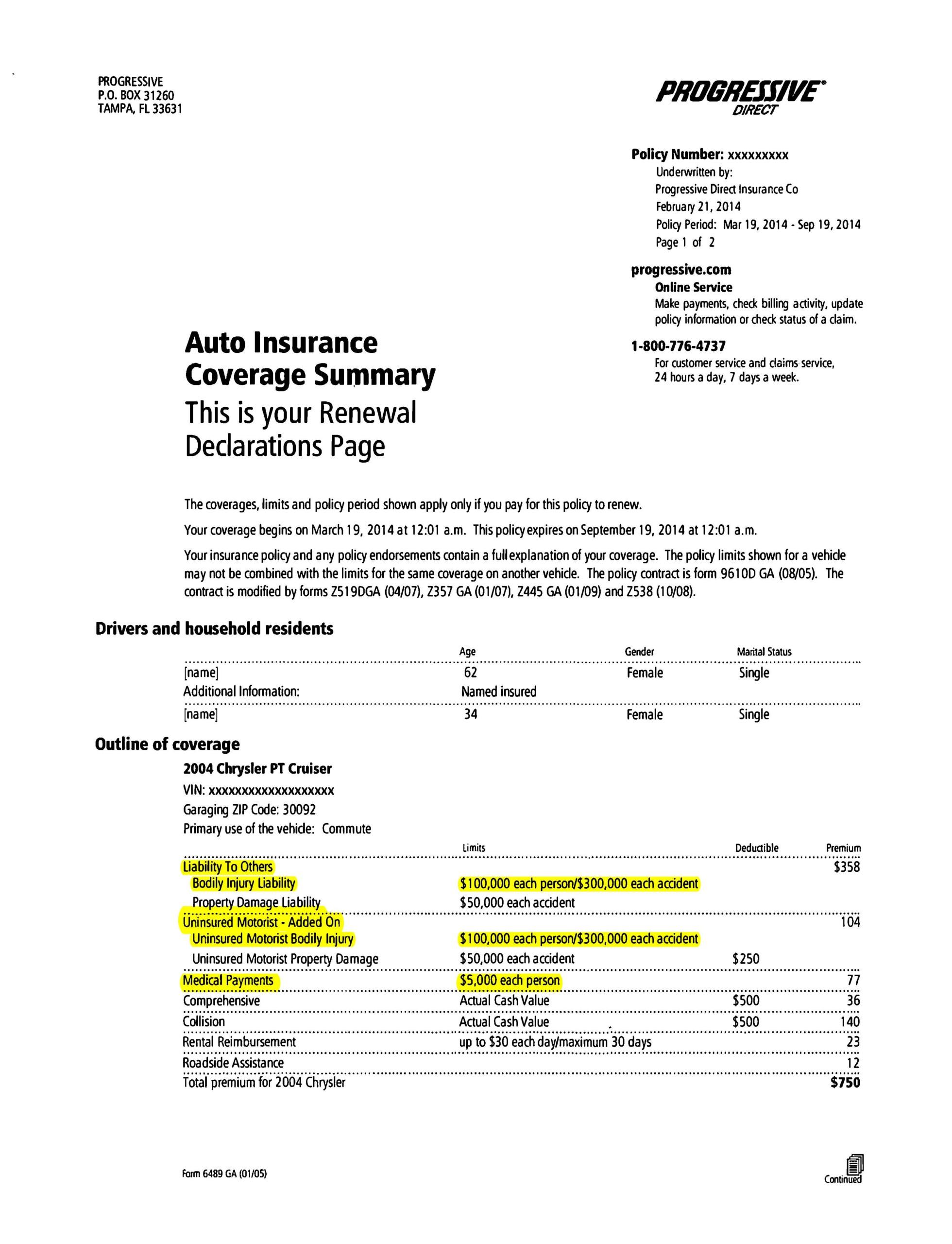
Auto insurance policy number formats vary significantly between providers, ranging from simple numeric strings to complex alphanumeric codes that incorporate internal routing or regional data. Recognizing your policy number is essential for filing claims, verifying coverage during traffic stops, updating billing information, or accessing secure online portals managed by your insurer. Because there is no industry-wide standard for these identifiers, policyholders must rely on specific documentation, such as insurance ID cards or declarations pages, to locate their unique policy number.
The Purpose and Structure of Policy Identifiers
An auto insurance policy number serves as the primary unique identifier for your contract with an insurance company. Unlike a Social Security number or a Vehicle Identification Number (VIN), which are standardized by government or international manufacturing bodies, policy numbers are entirely internal to the insurance carrier. This is why a format used by one national carrier may look entirely different from that of a regional mutual company.
The format is determined by the insurer’s database management systems. These systems often integrate specific prefixes or segments to assist agents and automated claims processors in routing inquiries. For example, a policy number might begin with a letter or a numeric sequence that indicates the specific state of issuance, the type of coverage (e.g., commercial vs. personal), or the specific branch office where the policy was originated.
When identifying your policy number, you should look for a field explicitly labeled "Policy Number" or "Policy #" on your official insurance documentation. Do not confuse this with your claim number, which is generated only after a loss occurs, or your account number, which may refer to a bundle of multiple policies held under the same household or entity.
Where to Find Your Policy Number
The fastest way to retrieve your policy number is through your insurance ID card. In all 50 states, drivers are required to carry proof of insurance while operating a vehicle. While the layout of these cards varies, the policy number is a mandatory data point on every compliant card.
1. The Declarations Page
The "Dec Page" is the most comprehensive summary of your insurance contract. It outlines your specific coverages, deductible amounts, premium costs, and the effective policy period. The policy number is typically located at the top right or top left corner of this document. If you do not have a physical copy, most insurers provide a PDF version in their secure customer portal.
2. Digital Portals and Mobile Applications
As of 2026, the vast majority of personal lines insurance providers maintain robust mobile applications. By logging into your provider’s app, you can usually view a digital version of your insurance card. This version will display the active policy number and is often acceptable for digital display during a traffic stop, depending on local jurisdiction statutes.
3. Billing Statements
Monthly or quarterly billing statements, whether received via mail or email, must reference the account they are billing. The policy number is printed prominently on these statements. If you hold multiple policies with one carrier, ensure you are referencing the number associated with the auto policy, as the digits may differ from your home or umbrella policy numbers.
Common Variations in Formatting
Because carriers design these formats for their own technical needs, you will encounter significant diversity in how these strings are presented. Understanding these variations can help you transcribe them correctly.
- Numeric-Only Sequences: Many large, legacy carriers utilize long strings of digits. These may be 8 to 15 characters long. They often include internal coding that signifies the policyholder's region or the year of origination.
- Alphanumeric Combinations: Some insurers use a mix of letters and numbers. Often, the leading letters represent a product line—such as "PA" for personal auto or "CV" for commercial vehicle. These prefixes help service representatives quickly categorize the policy when you call for support.
- Segmented Formats: Some older systems or specific high-risk insurance pools use hyphens or spaces to break up the number (e.g., XXX-XXXXXX-XX). It is critical to include these hyphens if your online portal requires them for login authentication.
- Trailing Digits: You may occasionally see a policy number followed by a two-digit code at the end (e.g., -01 or -02). This often represents a "suffix" or "version," indicating that the policy has been renewed or modified, or that it is one of several policies under a single umbrella contract.
Comparison of Identification Methods
The following table summarizes the reliability and accessibility of different methods for identifying your auto insurance policy number.
| Method | Accessibility | Level of Detail | Best Used For |
|---|---|---|---|
| Physical ID Card | High (on-person) | Essential Data Only | Roadside stops, verification |
| Declarations Page | Moderate (paper/PDF) | Full Coverage Details | Policy reviews, claims |
| Mobile App | High (digital) | Real-time Status | Quick look-ups, portal login |
| Billing Statement | Moderate (mailed) | Account History | Payment troubleshooting |
| Customer Support | Low (requires call) | Full Verification | Lost documentation, ID recovery |
Troubleshooting Incorrect or Unrecognized Numbers
If you are attempting to log into a portal and the system rejects your policy number, consider the following common errors:
- Leading Zeros: Many systems require that you include all leading zeros in a numeric string. If your document says
0098765, do not enter98765as the system may be programmed to expect a fixed number of characters. - Special Characters: If your policy number is printed with hyphens or dots, check if the website input field provides a format mask. If the input field is a single line without formatting breaks, the website may strip the hyphens automatically, or it may require them exactly as they appear on your document.
- Policy vs. Account Number: Verify that you are not using your member ID or account number. In some cases, insurers use a master account number for login, and the policy number is a sub-entry found after you are signed in.
- Expired Policies: If you have recently switched insurance companies, the policy number from your previous provider will no longer work in your new provider's system. Ensure you are referencing documentation from your currently active policy.
Privacy and Security Considerations
Your policy number is a piece of sensitive personal information. It acts as a key to your coverage details and, in some cases, can be used by third parties to verify your history. Never share your policy number on public forums or in response to unsolicited communications.
When calling your insurance company, be prepared to verify your identity. Even if you provide the correct policy number, the representative will typically ask for additional information—such as your date of birth, mailing address, or the VIN of the insured vehicle—before discussing any specific coverage modifications. If you are ever unsure if a request for your policy number is legitimate, hang up and call the official customer service number printed on the back of your physical insurance card or on the insurer’s verified website.
Managing Multiple Policies
For households that bundle home, auto, and life insurance, managing multiple policy numbers can be confusing. Many carriers provide an "Account View" or "Dashboard" that aggregates these under a single login. However, if you are filling out a specific form for an auto claim, you must provide the specific auto policy number.
Using the wrong number can delay the processing of a claim, as the automated system may route the information to the department responsible for home or liability insurance. Always verify the "Type of Insurance" field on the document you are using to ensure the number corresponds to your vehicle coverage.
Next Steps for Policyholders
If you find yourself unable to locate your policy number, the most effective next step is to navigate to the official website of your insurance carrier. Most major insurers provide a "Forgot Policy Number" tool that allows you to retrieve your credentials using your Social Security number or the email address associated with the account.
If you are currently on the road and need to present proof of insurance for a routine traffic stop, remember that digital copies are widely accepted. Check your state's DMV guidelines to ensure your state permits the use of digital insurance ID cards. If you are involved in an accident, your first priority should always be safety and then the exchange of information. If you cannot find your policy number at the scene, simply document the insurer's name and the contact information from your insurance card; your insurer will be able to locate your policy details using your personal information once you initiate the claim process.
Frequently Asked Questions
Does every insurance company use a 10-digit format? No. There is no industry standard for policy number length. Some companies use as few as six digits, while others use strings of 20 or more characters, including letters and special symbols.
Is my policy number the same as my VIN? No. Your Vehicle Identification Number (VIN) is a 17-character code assigned to the vehicle itself by the manufacturer. Your policy number is assigned by your insurance carrier to identify your specific contract.
Can I use my account number instead of my policy number for a claim? Generally, no. Claims departments require the specific policy number to ensure they are drawing from the correct coverage bucket. Using an account number may cause delays as the representative attempts to identify the correct sub-policy.
What should I do if my policy number format looks strange? If your policy number contains unexpected characters or looks like a temporary binder number, verify it against your official Declarations Page. If the number on your ID card differs from the one on your portal, contact your agent to ensure your digital profile is properly linked to your active contract.
Will my policy number change if I renew my policy? Usually, your policy number remains constant throughout the life of your contract. However, if you make significant changes—such as moving to a new state or switching to a new underwriting company owned by the same parent brand—you may be issued a new policy number.
Where is the policy number on a digital ID card? It is almost always located in the top section of the digital card, often listed under the header "Policy Number" or "Policy ID." If you are using a mobile app, it may be hidden behind a "Details" or "Card Info" toggle button to protect your privacy.
Conclusion
Your auto insurance policy number is the backbone of your relationship with your insurer. While its format is arbitrary and varies by company, it is consistently present on your declarations page and insurance ID card. By keeping these documents updated and knowing how to access your digital portal, you ensure that you are prepared for any administrative requirement or emergency situation. When in doubt, prioritize retrieving the information directly from your provider’s secure website rather than guessing or using old documentation.

Image Gallery
Select an image to open it in a new tab.
Mateo Castillo
Decentralized Finance and E-Payments Strategist
