
Selecting the right accommodation for a Yellowstone National Park trip requires balancing geographical strategy, logistical constraints, and individual comfort requirements. As the park spans over 2.2 million acres, where you choose to stay directly dictates your daily commute, exposure to wildlife, and access to specific thermal features. Visitors must navigate two distinct categories of lodging: concessions-operated facilities located within the park boundaries and private lodging options situated in the gateway communities surrounding the park's five entrances.
Understanding the Landscape: In-Park vs. Gateway Lodging
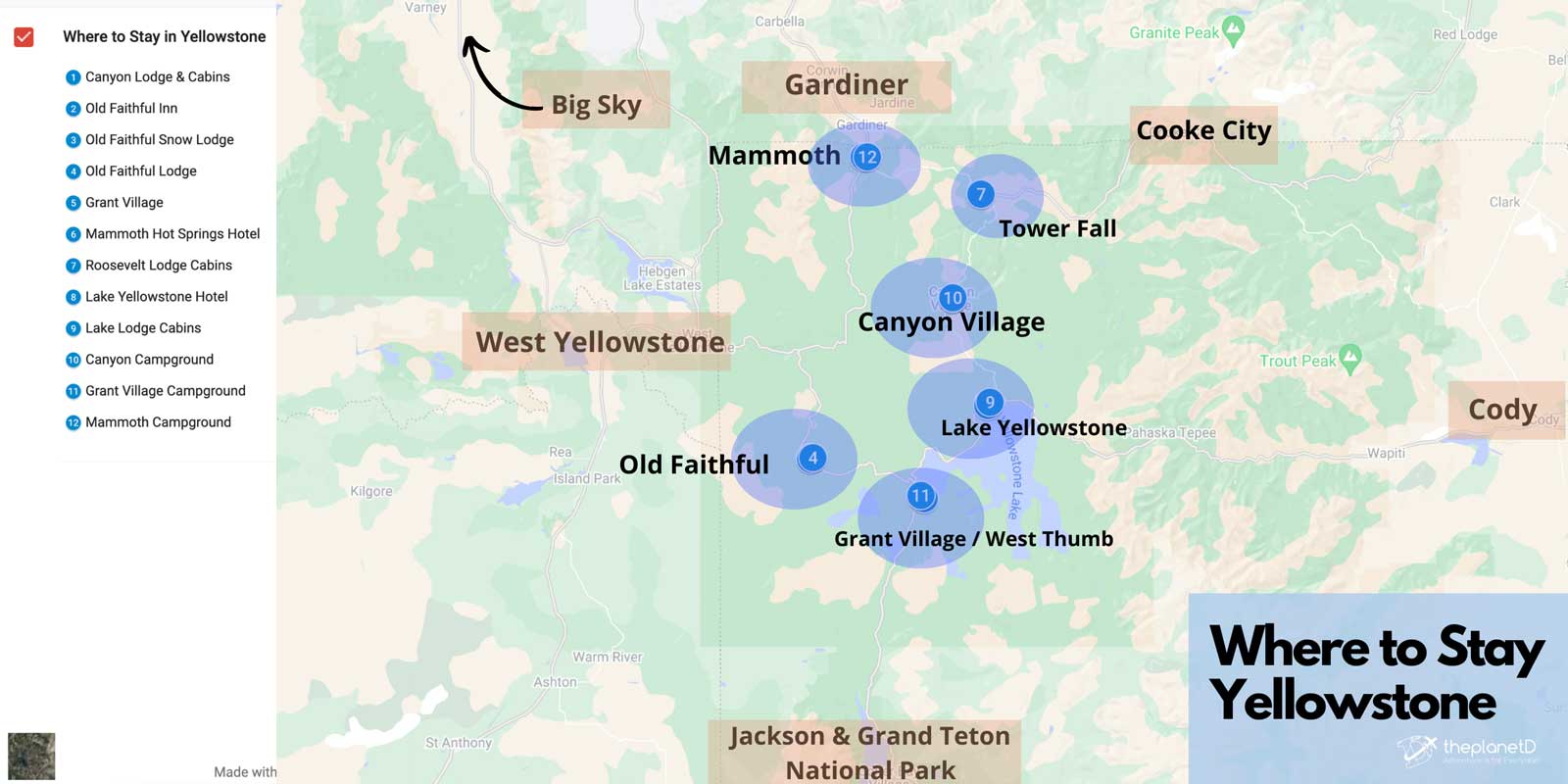
The most critical decision for any visitor is whether to secure a room inside the park or utilize gateway towns. In-park lodging is operated by authorized concessioners, primarily Yellowstone National Park Lodges (Xanterra Travel Collection). These facilities prioritize location; staying inside the park minimizes travel time to major geyser basins, canyons, and valleys, allowing for early starts that are essential for avoiding crowds and witnessing wildlife during peak activity hours.
Gateway communities—such as West Yellowstone, Gardiner, Cooke City, and Silver Gate—offer a wider array of amenities, including high-speed internet, diverse grocery options, and varied private dining. These towns serve as the necessary "base camps" for travelers who prioritize creature comforts or who are planning trips on short notice when in-park inventory is fully committed.
Navigating In-Park Lodging Facilities
In-park lodging is categorized into hotels, historic inns, and rustic cabins. Because these structures are often located in remote environments, their internal features may differ significantly from modern urban hotels.
The Historic Landmark Properties
Properties like the Old Faithful Inn and the Mammoth Hotel are architectural marvels. The Old Faithful Inn, constructed in 1903-1904, is one of the largest log structures in the world. Staying here provides an immersive experience, but guests must be aware that rooms in the "Old House" section may not include private baths and lack modern climate control. When booking, always verify whether your room selection includes an en-suite bathroom or requires a communal hallway setup.
Cabin and Lodge Configurations
For those seeking a more secluded feel, Canyon Lodge and Lake Yellowstone Hotel offer a range of room types. Canyon Lodge, situated near the Grand Canyon of the Yellowstone, provides the most modern inventory within the park, featuring suite-style rooms and newer lodges that meet contemporary expectations for temperature control and private facilities. Lake Yellowstone Hotel, conversely, offers a more refined, historic atmosphere with views of the expansive Yellowstone Lake.
Essential Operational Constraints
- Booking Windows: In-park facilities often require booking 6 to 12 months in advance. Because all reservations are handled by a single concessioner, inventory is centralized and updates in real-time.
- Connectivity: Do not expect high-speed internet or reliable cellular service in most in-park accommodations. These are designed to be immersive, "unplugged" experiences.
- Dining Access: Most lodges have centralized dining rooms, but hours are strictly regulated. Guests should verify restaurant availability for the 2026 season prior to arrival, as staffing and operational hours can fluctuate.

Comparative Overview of Lodging Options
| Feature | In-Park Lodges | Gateway Hotels | Vacation Rentals |
|---|---|---|---|
| Proximity | Immediate access to sites | 30–60 minutes to gates | 45+ minutes to gates |
| Amenities | Limited (often no TV/Wi-Fi) | High (Wi-Fi, Pools, TV) | Full (Kitchens, Laundry) |
| Booking | 6–12 months in advance | 2–6 months in advance | Varies |
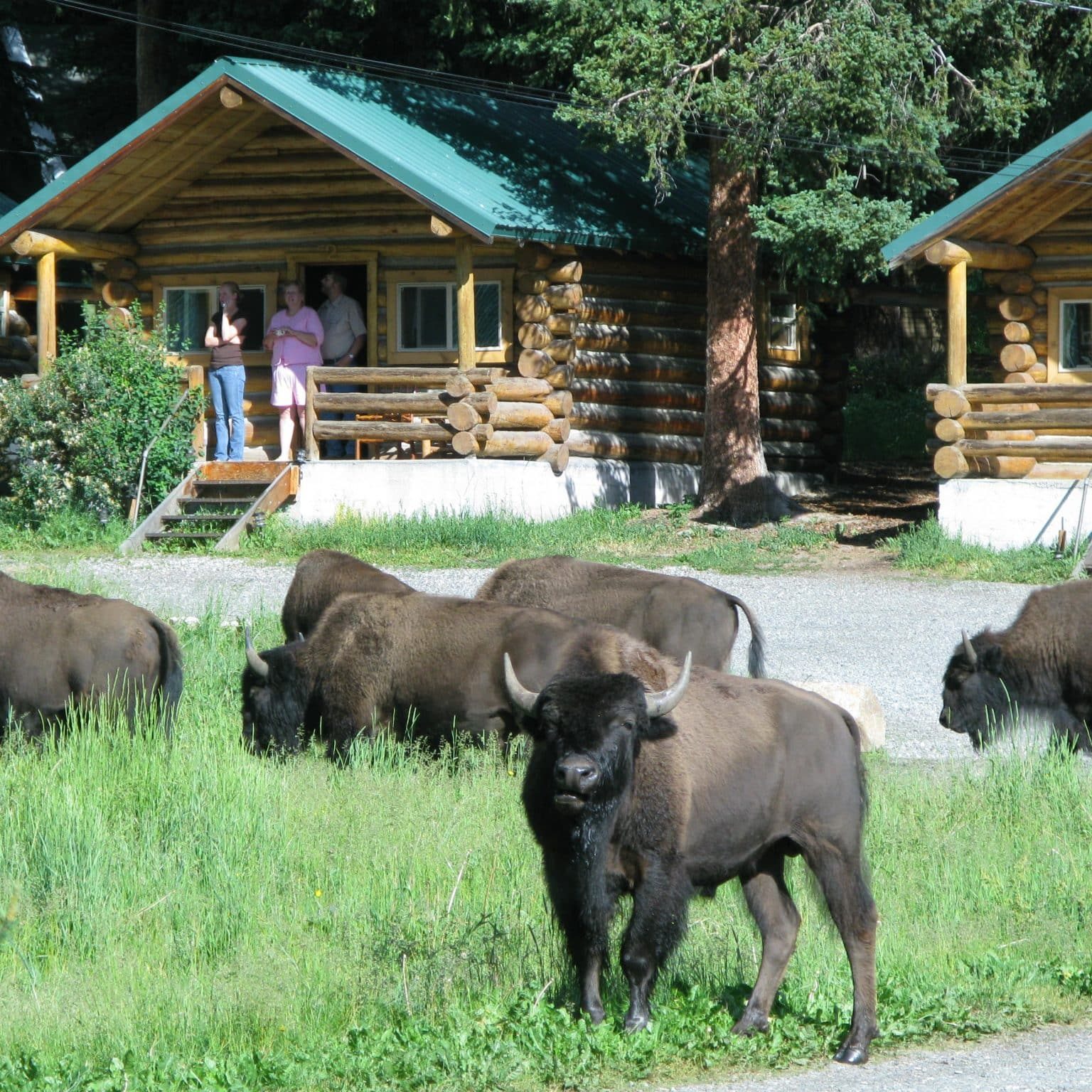
| Wildlife | Frequent sightings on-site | Rare | Unlikely |
| Cost | Mid-range to high | Variable | Variable |
Gateway Communities: Strategic Advantages
If you are unable to secure a spot inside the park, gateway towns are not merely secondary choices; they offer specific logistical benefits.
West Yellowstone, Montana
Located at the West Entrance, this town is the primary hub for the park. It offers the most robust infrastructure, including a variety of hotels, restaurants, and convenience stores. It is the most convenient starting point for visiting the Midway Geyser Basin and Old Faithful.
Gardiner, Montana
Positioned at the North Entrance, Gardiner provides the closest access to Mammoth Hot Springs and the Lamar Valley. The latter is renowned as the "Serengeti of North America," where wolf and grizzly bear sightings are most frequent. Staying here is advantageous for photographers and wildlife enthusiasts.
Cooke City and Silver Gate
These smaller, high-altitude towns at the Northeast Entrance are best suited for travelers focusing on the Lamar Valley or those visiting via the Beartooth Highway. These locations offer a rugged, quiet experience but are subject to harsher weather conditions, even in summer months.
Practical Considerations for 2026 Planning
Effective planning for 2026 requires an understanding of the park's seasonal limitations. Yellowstone’s lodging facilities operate on a staggered schedule; most open in late April or May and begin closing in late September or October.
Prerequisites for Booking
- Itinerary Mapping: Define your primary interests (e.g., geysers, hiking, or wildlife) before selecting a location. If you want to see wolves, stay north; if you want to see geysers, stay west or south.
- Verification: Always verify if a lodge is a "historic" building. Historic properties are exempt from some modern accessibility requirements; travelers with specific mobility needs should contact the facility directly to discuss room placement and ADA compliance.
- Booking Management: Use the official Yellowstone National Park Lodges portal for all in-park inquiries. Avoid third-party aggregators that may charge service fees or provide outdated availability information.
Troubleshooting Common Issues
- Cancellation Scrambles: Due to high demand, cancellations occur frequently. Check the official booking site daily during the weeks leading up to your travel dates.
- Weather Disruptions: In the shoulder seasons (May and October), snowstorms can temporarily close park roads. Always have a flexible plan and monitor the National Park Service website for road status updates before venturing out.
- Pet Policies: Generally, pets are highly restricted in the park. If you are traveling with a pet, you must focus your search on gateway communities that offer boarding or pet-friendly commercial lodging.
Frequently Asked Questions
Is it worth the premium price to stay inside the park? Yes, if your primary goal is to minimize driving. You will save approximately two to three hours of transit time daily by staying inside the park, which allows you to be at popular sites before tour buses arrive.
How far in advance should I book for 2026? For in-park lodging, you should attempt to book as soon as the reservation window opens, which is often a year in advance. Cancellations do open up, but you should not rely on finding a vacancy within three months of your visit.
Are there kitchen facilities in in-park rooms? Most lodge rooms do not include kitchenettes. Some cabins may have limited amenities, but generally, you should plan to dine in the park's concessioner-operated restaurants or bring a cooler for picnics.
What is the best area to stay for first-time visitors? For a first visit, a "split stay" is highly recommended. Spend two nights near Old Faithful to explore the geyser basins, and two nights in the Canyon or Mammoth area to explore the Grand Canyon of the Yellowstone and the northern wildlife ranges.
Do I need a separate vehicle reservation to stay in the park? As of 2026, visitors must adhere to current park entry policies. Staying at an in-park lodge does not exempt you from potential park-wide vehicle entry requirements or entrance fees. Always verify the status of vehicle registration mandates on the official National Park Service website.
Strategic Recommendation for Your Trip
To maximize your 2026 visit, prioritize securing at least two nights at a central location inside the park—such as Canyon Lodge—to minimize travel. For the remainder of your stay, utilize a hotel in West Yellowstone. This "hybrid" approach balances the convenience of deep-park access with the comfort and utility of modern amenities. Before finalizing any bookings, visit the official Yellowstone National Park Lodges website to verify current room configurations, as "standard" rooms often vary significantly in quality and proximity to facilities.
Image Gallery
Select an image to open it in a new tab.






Lars Thomsen
Global Labor Markets and Economic Strategy Editor
