
Becoming a successful interior designer requires a multifaceted synthesis of artistic vision, technical precision, and project management acumen. While the profession is often associated with aesthetics and color theory, the day-to-day reality involves navigating complex building codes, managing structural spatial constraints, and overseeing professional contractor relationships. To thrive in this field as of 2026, an aspirant must cultivate a balanced portfolio of "hard" technical abilities and "soft" interpersonal competencies to navigate the lifecycle of residential or commercial design projects successfully.
Mastery of Space Planning and Layout
Space planning is the foundational element of interior design, serving as the bridge between creative concept and architectural reality. It involves the functional arrangement of elements within a floor plan to ensure traffic flow, ergonomic comfort, and code compliance.
An interior designer must be adept at interpreting and creating floor plans, elevations, and sections. This requires a deep understanding of standard dimensions—such as clearance around a dining table or the optimal width of a hallway—and how these dimensions impact the daily utility of a room. In 2026, the reliance on digital modeling has increased, meaning that proficiency in software like AutoCAD, Revit, or SketchUp is essentially mandatory for communicating these plans clearly to architects, engineers, and clients.
Proficiency in Technical Documentation and Drafting
Conceptualizing a beautiful space is only half the battle; the design must be executable. This requires the ability to produce comprehensive construction documents (CDs). These documents are the primary communication tool between the designer and the contractor.
Key technical requirements include:
- Section Details: Demonstrating how specific custom cabinetry, trim, or lighting fixtures are built and attached.
- Electrical and Lighting Plans: Mapping out circuit layouts, switch locations, and lighting zones to ensure functionality meets local building codes.
- Finish Schedules: Detailed lists identifying the exact paint colors, flooring materials, wall treatments, and hardware for every surface in a project.
- Building Regulations: Familiarity with the Americans with Disabilities Act (ADA) standards and local residential building codes is critical. Ensuring that a design is both safe and legal is a core responsibility that mitigates liability for the firm.
Advanced Visual Communication
Clients rarely understand a design vision through floor plans alone. As an interior designer, you must bridge the gap between abstract ideas and a physical reality the client can visualize. This often involves a mix of traditional and digital presentation methods.
Digital rendering tools have become the industry standard for securing project buy-in. Mastery of software that provides photorealistic visualizations, such as 3D Max or Enscape, allows clients to see how natural light interacts with textures and colors in their specific environment. Beyond software, the ability to sketch by hand—even in a preliminary form—remains an invaluable asset during client consultations. It allows for real-time collaboration and modification, demonstrating a level of professional agility that software cannot always replicate.
Project Management and Financial Literacy
The role of an interior designer is rarely restricted to the design phase. Most professionals are responsible for the oversight of the entire project lifecycle, which includes purchasing, budgeting, and timeline management.
Financial literacy is arguably the most underrated skill in the industry. Designers must manage "client retainers," track vendor deposits, manage tax obligations, and reconcile budgets that can fluctuate due to supply chain delays or unforeseen site conditions. Failure to track these costs can lead to project abandonment or significant personal liability. Effective project management also involves vetting contractors, coordinating deliveries, and mediating between subcontractors when trade schedules conflict.
Interpersonal and Negotiation Skills
Interior design is, at its core, a service-oriented profession. You are often invited into intimate spaces to make significant financial and aesthetic decisions for clients. Therefore, high emotional intelligence (EQ) is required to successfully manage client expectations.
Negotiation is a daily occurrence, whether you are resolving a dispute between a client and a contractor, sourcing trade-only pricing from a furniture vendor, or managing scope creep during the design phase. A successful designer must be able to listen actively to a client’s needs while gently steering them away from choices that might compromise the structural integrity or long-term value of the property.
Table: Core Competency Matrix for Interior Designers
| Skill Category | Specific Requirement | Primary Goal |
|---|---|---|
| Technical | CAD & BIM Proficiency | Precision in construction documentation |
| Architectural | Building Codes & ADA | Safety and legal compliance |
| Creative | Color Theory & Textiles | Aesthetic cohesion |
| Financial | Budget Tracking & Procurement | Profitability and client trust |
| Interpersonal | Negotiation & Mediation | Managing expectations and disputes |
Educational and Certification Pathways
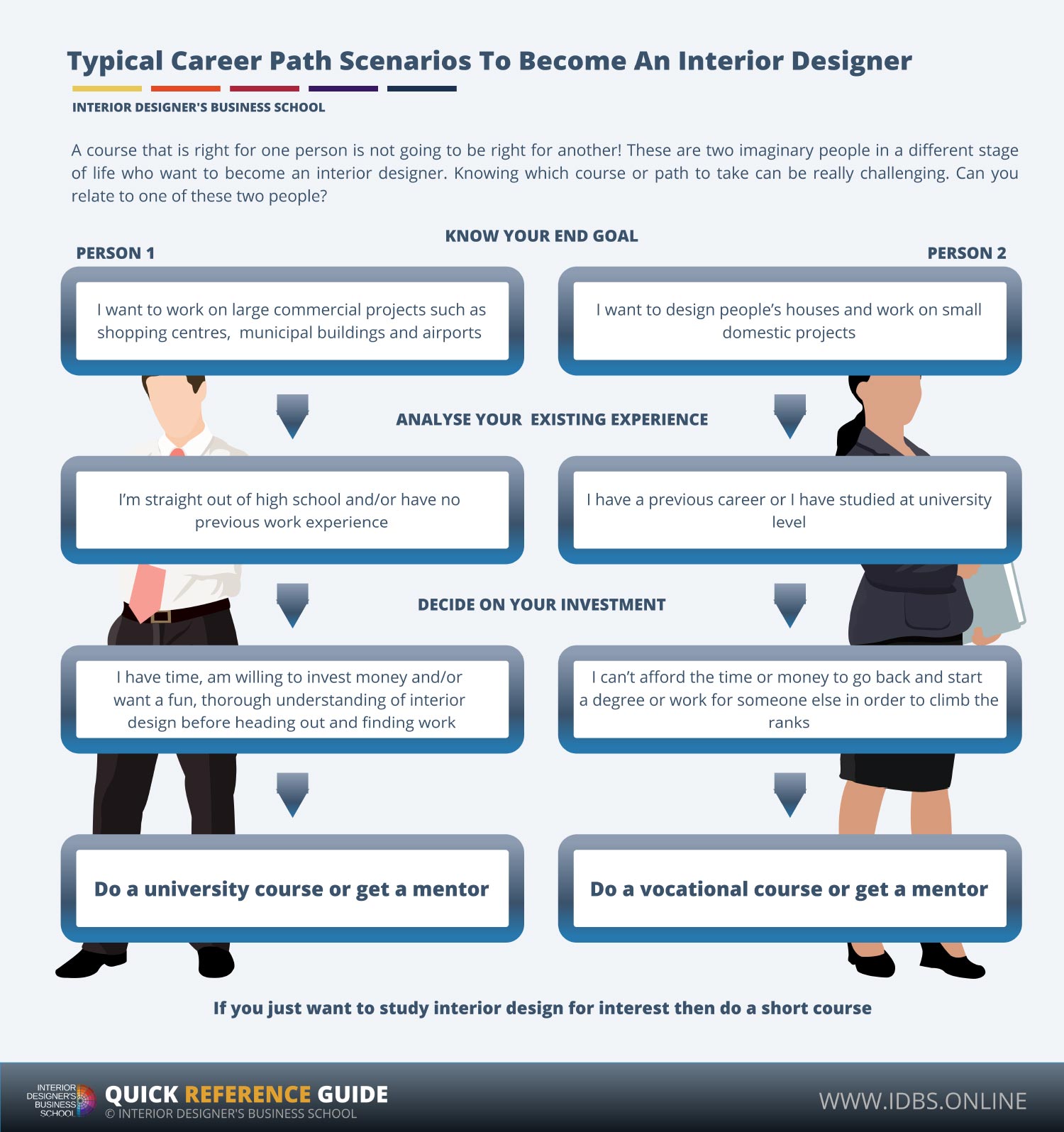
While artistic talent is innate, the technical skills mentioned above are usually acquired through formal education or rigorous apprenticeship. In 2026, many states and international jurisdictions continue to differentiate between "interior decorators" and "registered interior designers."
Formal education often leads to an Associate or Bachelor’s degree in Interior Design, which provides a structured environment to learn design theory, architectural history, and technical drafting. For those seeking to work on larger commercial projects or in states with stricter licensing requirements, passing the NCIDQ (National Council for Interior Design Qualification) exam is the gold standard. This certification requires a combination of specific education and verified work experience, serving as a marker of professional competence.
Common Pitfalls for New Designers
Many professionals entering the field underestimate the "logistics" side of the job. A common mistake is focusing exclusively on the "pretty" elements—furniture, art, and paint—while neglecting the administrative and technical "boring" parts of the business.
- Underestimating Timelines: Failing to account for lead times on custom materials can ruin a project schedule.
- Poor Documentation: Ambiguous specifications lead to incorrect installations. If it isn't clearly documented in your drawings or purchase orders, the burden of cost for mistakes often falls on the designer.
- Neglecting Contracts: Every engagement should be governed by a clear, written contract that outlines the scope of work, fee structures, and the process for change orders.
The Impact of Evolving Technology
By 2026, Artificial Intelligence (AI) and Augmented Reality (AR) have begun to play a larger role in the design process. AI-driven tools are now commonly used to generate mood boards and architectural massing, while AR allows clients to see furniture or wall treatments in their actual space via mobile devices. While these tools can improve efficiency, they do not replace the designer’s need for critical thinking or the ability to manage the physical reality of a construction site.
Frequently Asked Questions
Do I need a degree to be an interior designer? While you do not need a degree to be a decorator, becoming a professional "interior designer" often requires a formal degree and subsequent certification. Many high-end firms and commercial clients require licensure, which is contingent upon specific education and passing the NCIDQ exam.
How much of the job is math versus art? The job is roughly 40% artistic vision and 60% technical and business management. You must calculate floor coverage, manage project budgets, scale drawings, and navigate complex building codes, all of which require high mathematical and analytical aptitude.
What is the difference between an interior designer and a decorator? Interior designers are typically trained in structural design, building codes, and space planning, and they often work closely with architects. Interior decorators focus exclusively on the aesthetics of a space—furniture, lighting, wall coverings, and accessories—without altering the structure or layout.
Is it essential to know how to use CAD software? Yes. In 2026, most professional firms require proficiency in CAD (Computer-Aided Design) or BIM (Building Information Modeling). Manual drafting is rarely used for commercial or large-scale residential projects due to the need for precision and rapid iteration.
How do I manage client expectations regarding budgets? Transparency is key. Provide a comprehensive budget spreadsheet at the start of the project that includes labor, material costs, and a contingency fund (typically 10-20%). Update this document regularly as the project progresses to avoid surprises.
Next Steps for Aspiring Designers
To build a career in this field, start by assessing your current technical toolkit. If your background is strictly creative, seek out certificate programs or workshops that focus on Revit or AutoCAD. Simultaneously, find a mentor within the industry to understand the business and operational realities that aren't taught in a classroom. Begin by creating a portfolio—even of conceptual projects—that demonstrates not just your taste, but your ability to solve complex spatial problems. Focus on gaining experience with small-scale renovations or professional interior firms to observe how seasoned designers manage the intersection of client desires and physical constraints.
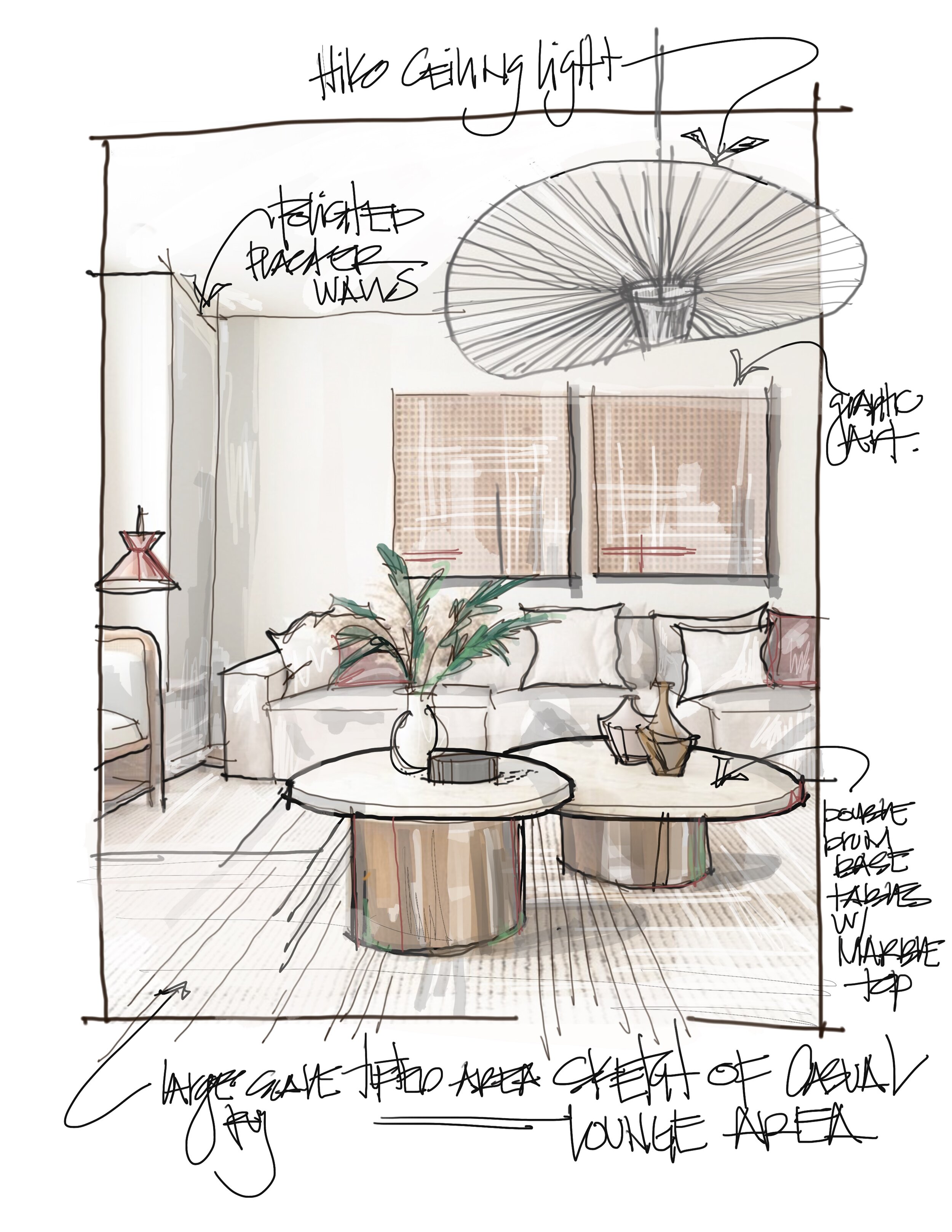
Image Gallery
Select an image to open it in a new tab.




Mateo Castillo
Decentralized Finance and E-Payments Strategist
