
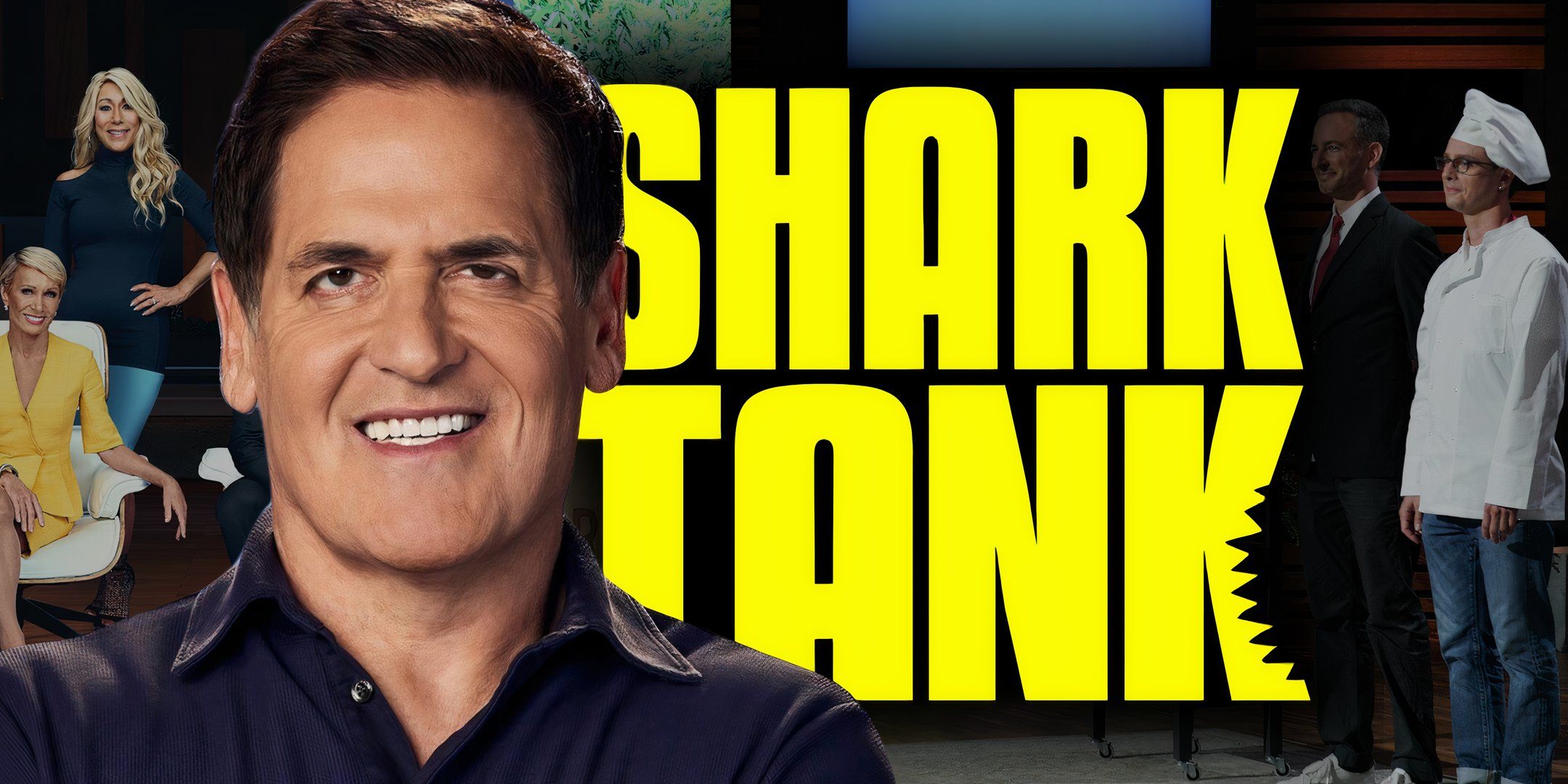
The "Sharks" on Shark Tank are a rotating panel of successful entrepreneurs and venture capitalists who evaluate pitches from budding business owners. The primary lineup features long-standing regulars like Mark Cuban, Kevin O'Leary, Barbara Corcoran, Daymond John, Robert Herjavec, and Lori Greiner, occasionally joined by guest investors who bring specialized industry expertise to the table.
Understanding the Role of the Sharks
The television series Shark Tank, based on the international format Dragons' Den, serves as a platform where entrepreneurs present their business models, products, or services to a panel of wealthy investors. The core objective of these investors—the "Sharks"—is to identify viable businesses that require capital, mentorship, or distribution assistance in exchange for equity.
For the viewer, understanding who these individuals are is essential to grasping the dynamics of the deals presented on screen. Each Shark possesses a distinct investment philosophy, professional background, and risk tolerance. While some prioritize cold, hard data and recurring revenue, others are driven by the story of the founder, the potential for mass-market appeal, or the emotional resonance of the brand.
The Core Permanent Sharks
The longevity of the program is anchored by a core group of investors who have appeared on the series for the majority of its tenure. Their personalities have become synonymous with the show's format.
Kevin O'Leary ("Mr. Wonderful")
Kevin O'Leary is known for his blunt, financially focused approach. An entrepreneur who achieved significant success through the sale of his software company, The Learning Company, O'Leary typically focuses on the "bottom line." He is frequently criticized or praised for his insistence on royalties and his skepticism toward businesses that lack clear, scalable paths to profitability. When a business owner enters the tank, O'Leary is the investor most likely to demand precise financial projections.
Barbara Corcoran
A powerhouse in the New York City real estate industry, Barbara Corcoran brings a focus on the human element of business. Having built The Corcoran Group from a small loan, she values grit, resilience, and the character of the founder above almost everything else. Unlike some of her colleagues who focus heavily on complex intellectual property or high-tech valuation, Corcoran is known for backing service-based businesses and founders who have overcome significant adversity.
Daymond John
As the founder of the global fashion brand FUBO (For Us, By Us), Daymond John represents the blueprint of the self-made entrepreneur. His expertise lies in branding, apparel, and marketing. John is often the Shark who assists founders in navigating the difficult transition from a local startup to a national retail presence. He places immense value on the "hustle" and is known to leverage his deep network in manufacturing and distribution.
Robert Herjavec
Robert Herjavec is a cybersecurity expert and the founder of the Herjavec Group. His demeanor is typically the most approachable on the panel, often serving as a counterpoint to the more aggressive negotiation tactics of O'Leary. Herjavec values technology-driven businesses and companies that have clear operational workflows. He is frequently the investor who provides the "bridge" for founders who are technically proficient but need help scaling their operations to the next level.
Lori Greiner ("The Queen of QVC")
Lori Greiner is perhaps the most specialized investor on the panel, with a career built on retail success and consumer goods. She is widely known for her ability to spot "hero products"—items that can be demonstrated easily on television and have universal appeal. If a product is a simple, problem-solving gadget, it is almost certain that Greiner will be the primary bidder. Her expertise in retail distribution, particularly through platforms like QVC and HSN, is a significant asset to any startup looking to break into mass-market retail.
Mark Cuban
A technology entrepreneur and former owner of the Dallas Mavericks, Mark Cuban has been a dominant force on the show since his debut in Season 2. Cuban is recognized for his massive influence, his willingness to invest in "blue sky" opportunities, and his focus on the long-term potential of a business rather than immediate dividends. He is a proponent of transparency and speed, often challenging the Sharks and the entrepreneurs to make decisions quickly and with total clarity regarding business operations.

The Role of Guest Sharks
In recent seasons, the production has introduced "Guest Sharks" to keep the panel dynamic and provide exposure to different sectors of the economy. These individuals are often titans of specific industries, such as sports, media, or e-commerce.
Guest Sharks bring a fresh perspective to the tank. For instance, tech moguls, professional athletes, or CEOs of major consumer brands occasionally join the panel to offer insights that the permanent Sharks may not possess. This addition prevents the show from becoming stale and allows the panel to evaluate highly technical or niche products with greater authority.
Comparison of Investment Philosophies
To understand how the Sharks operate, it is helpful to categorize their typical investment styles. The following table highlights the general focus areas for the long-standing Sharks.
| Shark | Primary Focus Area | Investment Strength |
|---|---|---|
| Kevin O'Leary | Financials/Margins | Royalty deals and cash-flow focus |
| Barbara Corcoran | Founder character | Mentorship and brand-building |
| Daymond John | Branding/Apparel | Retail strategy and distribution |
| Robert Herjavec | Technology/Operations | Scalability and operational efficiency |
| Lori Greiner | Consumer Goods | Retail marketing and TV shopping |
| Mark Cuban | Tech/Big Picture | Strategic guidance and capital infusion |
How the Sharks Make Decisions
When an entrepreneur enters the tank, the process follows a standardized path, though the outcomes are determined by the individual temperament of the Sharks.
The Pitch
The entrepreneur has a brief window to present their business. The Sharks look for a clear value proposition: What is the problem? What is your solution? How much money have you made? What is your valuation? If an entrepreneur cannot answer these core questions immediately, they often lose the attention of the investors, leading to a quick "I'm out."
The Due Diligence
Once the pitch is finished, the Sharks interrogate the founders. This is the stage where the "Shark" persona is most visible. They will challenge the business's valuation, question the manufacturing process, and look for flaws in the founder’s logic. This stage is designed to simulate the pressures of real-world venture capital negotiations.
The Offer
If a Shark sees potential, they will make an offer. This usually involves an exchange of money for a percentage of the company (equity). Sometimes, the Sharks will demand a seat on the board, royalty payments, or a specific "cap" on the company's valuation. Founders must decide whether the expertise and connections provided by the Shark are worth the equity they are giving up.
Common Misconceptions
A recurring question among fans is whether the investors are acting or if the process is scripted. While the production of Shark Tank involves editing for time and entertainment value, the deals made on the show are legitimate investment opportunities. However, it is a reality of the business world that not every deal made on camera results in a signed contract. Once the cameras stop rolling, both parties undergo a formal "due diligence" process where financial records are audited and legal contracts are drafted. It is not uncommon for a deal to fall through at this stage if the disclosures provided during due diligence do not match the claims made during the televised pitch.
Practical Guidance for Aspiring Entrepreneurs
If you are considering how to approach an investor similar to the Sharks, prioritize the following:
- Know Your Numbers: You must understand your customer acquisition cost (CAC), your lifetime value (LTV), and your profit margins.
- Understand Your Value: Be able to justify your company’s valuation based on assets, revenue, and market growth potential.
- Demonstrate Traction: Show that people are actually buying your product or service. Revenue is the most convincing argument in any room.
- Be Ready to Pivot: The Sharks often suggest changes to business models. Being rigid in your thinking can lead to a deal falling through.
Frequently Asked Questions
Do the Sharks use their own money to invest?
Yes. The investments made by the Sharks on the show are their own personal capital. This is why they are often so protective of their money and rigorous in their questioning of the entrepreneurs.
What happens after a deal is agreed upon on camera?
After the episode wraps, a process known as due diligence begins. Lawyers and accountants from the Shark’s team review the company's books and legal standing. This process can take several months, and it is the stage where many deals are either finalized or canceled.
Are there other investors besides the ones seen on TV?
While the show focuses on the main panel, many of these Sharks operate large venture capital firms or investment groups. The actual work of managing these investments is often handled by their broader teams of analysts and partners.
Can I apply to be on the show?
The producers of Shark Tank have an open application process that cycles annually. Requirements include a detailed business plan, a video submission, and an understanding of the legal requirements for appearing on television. Information regarding current deadlines and requirements can be found on the official casting portals for the show.
Why do some Sharks offer royalties instead of just equity?
Royalty deals are often used by Sharks like Kevin O'Leary to recoup their initial investment quickly. It ensures that even if the company takes years to become profitable or undergo an exit, the investor receives a return on their capital through a percentage of every unit sold.
Are the interactions between the Sharks real?
Yes. While the show is edited for pace, the competitive tension between the Sharks is genuine. They are all highly successful, ego-driven individuals who compete with one another to win the best deals, which creates a natural, unscripted environment of professional rivalry.
Next Steps
To further your understanding of the professional landscape seen on the show, focus on researching the specific investment portfolios of these individuals. Many maintain public websites or profiles detailing their firms and their focus sectors. For those looking to scale their own businesses, studying the public negotiation styles of these Sharks provides a masterclass in professional communication, valuation, and strategic partnership.
Image Gallery
Select an image to open it in a new tab.





Celine Dubois
Contemporary Living and Global Arts Columnist
