How to Make an Air Mattress More Comfortable: A Professional Guide for Better Sleep

To make an air mattress more comfortable, you must address three primary deficiencies: poor thermal insulation, lack of edge support, and the "hammock effect" caused by air displacement. Utilizing a high-quality memory foam or wool topper, placing the mattress on a soft rug to reduce noise, and maintaining a 90% inflation level to allow for body contouring are the most effective strategies for achieving a restful night’s sleep.
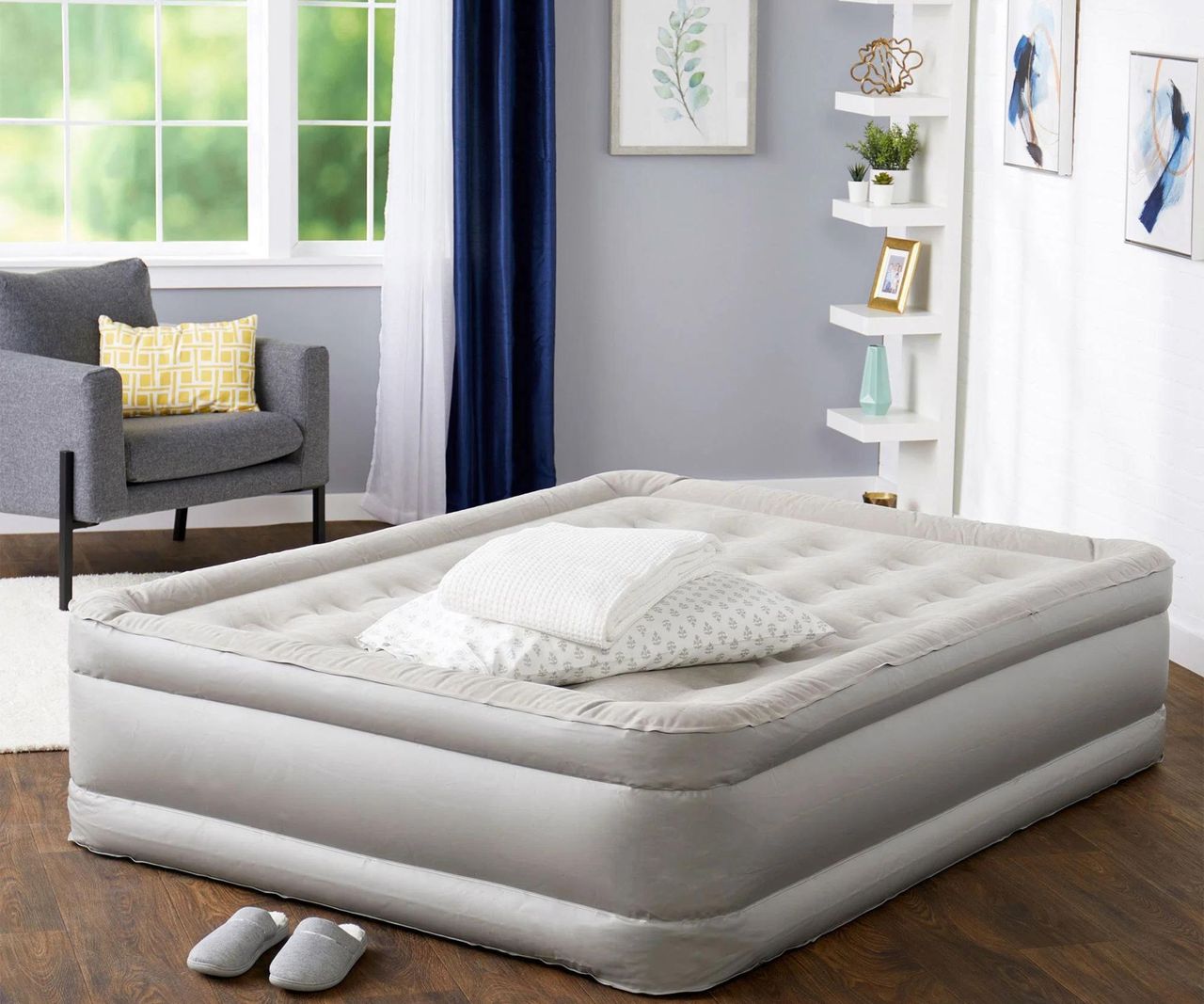
Air mattresses have evolved significantly by 2026, transitioning from simple vinyl bags to sophisticated sleep systems with internal coils and puncture-resistant TPU (Thermoplastic Polyurethane). However, even the highest-end inflatable beds cannot naturally match the structural integrity and breathability of a traditional hybrid or innerspring mattress. Achieving a "real bed" feel requires a systematic approach to bedding, placement, and air pressure management.
The Science of Air Mattress Discomfort: Why They Feel Different
Before applying fixes, it is essential to understand the physics of an inflatable bed. Traditional mattresses use steel coils or dense foam to provide reactive support. In contrast, an air mattress relies on air displacement. When you lie down, your heaviest points—the hips and shoulders—displace air to the edges of the mattress. This often results in a "hammocking" sensation where the center sags while the sides bulge.
Furthermore, air mattresses are subject to convective cooling. The large volume of air inside the mattress eventually reaches the ambient temperature of the room. Since most floors are colder than the air, and the mattress lacks internal insulation, the air inside stays chilled. This creates a "heat sink" effect, where the mattress actively draws warmth away from your body throughout the night, leading to a restless, cold sleep.
1. Implement Thermal Regulation and Insulation
The most common complaint regarding air mattresses is that they feel freezing, even in a warm room. Because vinyl and PVC are non-breathable materials, they also trap sweat against the skin once you do warm up. Addressing this duality is the first step toward comfort.
The Power of the Mattress Topper
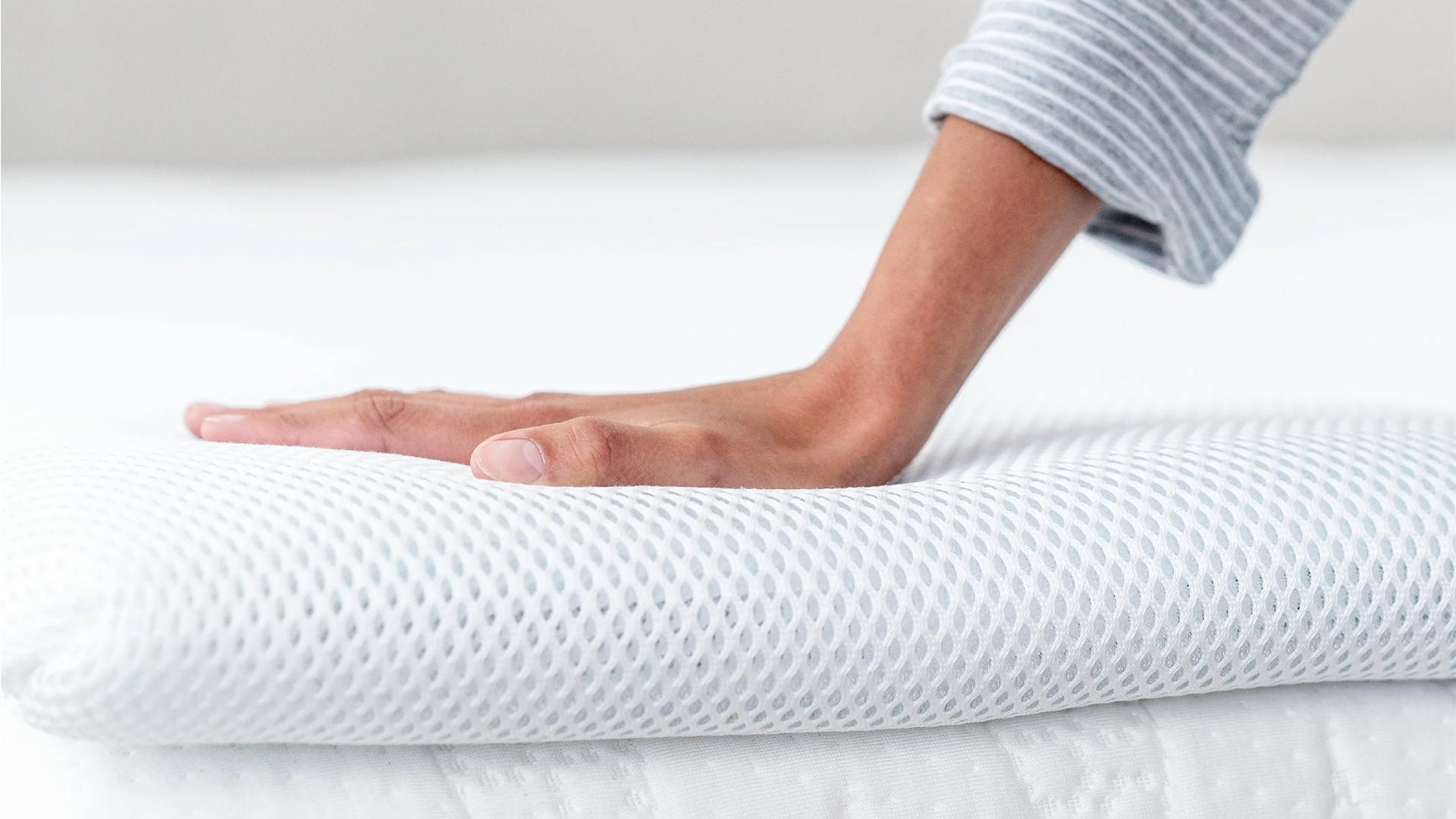
A mattress topper is the single most important investment you can make for an air mattress. It serves two purposes: providing a physical buffer for comfort and creating a thermal barrier.
- Memory Foam (2-3 inches): Memory foam is excellent for air mattresses because it conforms to your body, redistributing weight and reducing the pressure points caused by the air chambers. In 2026, gel-infused memory foam is the standard for preventing the "sleeping hot" issue often associated with older foams.
- Wool or Down Toppers: For those who prioritize temperature regulation, a thick wool topper is unmatched. Wool is a natural insulator that breathes, keeping you warm in the winter and cool in the summer.
- Egg Crate Foam: This is a budget-friendly option that adds a layer of air circulation between you and the mattress surface.
Insulating the Bottom
Do not place an air mattress directly on a cold hardwood or tile floor. The cold will transfer through the vinyl and into the air chamber. Place a thick rug, several yoga mats, or even a specialized Mylar thermal blanket underneath the mattress. This prevents the "heat sink" effect and also protects the mattress from micro-punctures.

2. Master the Art of Inflation
Most users believe that the firmer the mattress, the better the support. This is a misconception. An over-inflated air mattress becomes a rigid, rounded surface that lacks any "give," forcing your spine into an unnatural alignment.
The 90% Rule
Instead of inflating the mattress until the seams are strained, aim for approximately 90% to 95% capacity. When you lie down, the mattress should have enough "play" to allow your hips to sink in slightly, which keeps your spine neutral. If the mattress is too hard, you will feel every internal air coil or beam.
Account for Material Stretch
If you are using a brand-new air mattress, it will likely "lose air" during the first few nights. In reality, the material (usually PVC) is simply stretching. To combat this, inflate the mattress several hours before you plan to sleep and let it sit. Top it off right before bed. By the third or fourth night, the material will have reached its maximum elasticity, and the pressure will stabilize.
3. Stability and Noise Reduction
The "squeak and slide" factor is a major deterrent to deep sleep. The friction between vinyl and a hard floor creates a loud, high-pitched noise every time you move.
Eliminating the Squeak
If your mattress is sliding or squeaking, check the contact points.
- Fabric Barriers: Ensure there is a fabric layer (like a fitted sheet or a rug) between the mattress and the floor.
- Talcum Powder: For older PVC mattresses, a light dusting of talcum powder or cornstarch on the bottom can reduce the friction that causes noise.
- Wall Gap: Do not push the air mattress directly against a wall. The rubbing of the vinyl against the drywall will create persistent noise. Leave a two-inch gap or place a soft pillow between the mattress and the wall.
Improving Edge Support
Air mattresses notoriously lack edge support. To prevent the feeling of "rolling off" the bed, you can create a makeshift frame. If you are using the mattress for long-term guests, consider purchasing a portable folding bed frame specifically designed for air mattresses. These frames often include a fabric "cradle" that keeps the mattress from bulging outward, effectively mimicking the feel of a boxed mattress.
4. Bedding and Pillow Integration
Using standard bedding on an air mattress often leads to sheets slipping off during the night. The slippery surface of the vinyl does not hold fabric well.
Use Deep-Pocket Sheets
Standard sheets are rarely deep enough to wrap entirely under an inflatable mattress, especially the "double-high" or "raised" models. Use deep-pocket fitted sheets and consider using sheet stay straps (elastic clips) to anchor the corners underneath the mattress.
The "Real Pillow" Strategy
The built-in "pillows" or raised edges on many air mattresses are rarely sufficient for proper neck alignment. Ignore the built-in contours and use your regular high-quality bed pillows. Because air mattresses allow your body to sink differently than a standard mattress, you may find that you need a slightly loftier (thicker) pillow to maintain neck support.
Comparison of Mattress Topper Materials for Air Beds
| Topper Type | Comfort Level | Thermal Insulation | Portability | Best For |
|---|---|---|---|---|
| Memory Foam | High | Moderate | Low | Long-term guests, side sleepers |
| Wool Topper | Moderate | Excellent | Moderate | Cold climates, luxury feel |
| Down Alternative | High | High | Moderate | Softness and "cloud-like" feel |
| Egg Crate Foam | Moderate | Low | High | Camping, budget-conscious users |
| Fiberbed | Low | Moderate | High | Minimalists, quick setup |
5. Troubleshooting Common Comfort Issues
Sagging in the Middle
If you wake up in a "trough" in the center of the bed, the mattress likely has internal beam failure or a slow leak. For a temporary fix, place a few folded blankets under the center of the mattress (between the mattress and the floor) to create a slight upward bulge. For a permanent fix, check for leaks using the soapy water method and apply a patch specifically designed for TPU or PVC.
Motion Transfer
If two people are sharing an air mattress, every movement by one person will cause a "wave" that disturbs the other. The best solution for this is to slightly under-inflate the mattress. When the mattress is at maximum pressure, the tension on the surface makes motion transfer much more acute. A slightly softer mattress absorbs more of that kinetic energy.
Sweat and Humidity
Because the mattress is plastic, it cannot wick moisture. If you find yourself waking up damp, the issue is a lack of airflow. Adding a breathable cotton mattress protector between the mattress and your sheets is essential. Avoid polyester sheets; stick to 100% cotton or linen to encourage what little evaporation is possible.
FAQs
How often should I top off the air in my mattress?
For daily use, you should check the firmness every night. Changes in room temperature can cause the air to expand or contract. A 10-degree drop in temperature can make a mattress feel significantly softer, even without a leak. In 2026, many high-end models feature "Never-Flat" dual-pump technology that silently maintains pressure throughout the night, but for standard models, a 5-second top-off before bed is best practice.
Can I use an electric blanket on an air mattress?
Yes, but with caution. Most modern air mattresses are made of heat-resistant materials, but you should never place an electric blanket directly against the vinyl or PVC. Always have a thick mattress pad or several layers of sheets between the heating element and the mattress surface to prevent the material from softening or warping.
Why does my back hurt after sleeping on an air mattress?
Back pain is usually caused by the "hammock effect," where your midsection sinks lower than your head and feet, misaligning the spine. This can be solved by increasing the inflation level slightly or adding a high-density foam topper that provides the structural support the air chambers lack.
Is it better to put an air mattress on a bed frame?
If the frame is solid (like a platform bed) or has very close slats, yes. Putting an air mattress on a traditional slatted frame with wide gaps is a mistake, as the air mattress will bulge through the gaps, leading to permanent deformation of the mattress and an incredibly uncomfortable, lumpy sleeping surface.
How do I protect the mattress from pets?
Cat claws and air mattresses are a disastrous combination. If a pet must be on the bed, you must use a heavy-duty, puncture-resistant mattress protector. Heavy quilted protectors provide a "shell" that most claws cannot easily penetrate.
Final Recommendation for Maximum Comfort
For the ultimate sleep experience on an air mattress, follow this "layering" sequence: Place a non-slip rug on the floor, set the mattress on top, and inflate to 95% capacity. Add a 2-inch memory foam topper, cover it with a quilted cotton mattress protector, and secure everything with deep-pocket cotton sheets and sheet straps. This setup addresses every mechanical and thermal weakness of the inflatable design, providing a sleep surface that rivals a traditional guest bed.
Image Gallery
Select an image to open it in a new tab.





Simon Caldwell
Enterprise Technology and Systems Editor
