
Deciding whether the Amazon Prime Rewards Visa Signature Card or the Amazon Prime Store Card is "worth it" depends almost entirely on your annual shopping volume at Amazon and Whole Foods, combined with your willingness to leverage specific credit card benefits. For frequent shoppers, the card offers substantial, immediate cash-back value that can easily outweigh the cost of an Amazon Prime membership, provided you avoid interest charges by paying your balance in full each month.
Understanding the Prime Credit Card Ecosystem
To determine if an Amazon Prime-branded credit card fits your financial profile, it is necessary to first distinguish between the products available in 2026. Amazon typically partners with Chase and Synchrony Bank to offer various tiers of credit products.
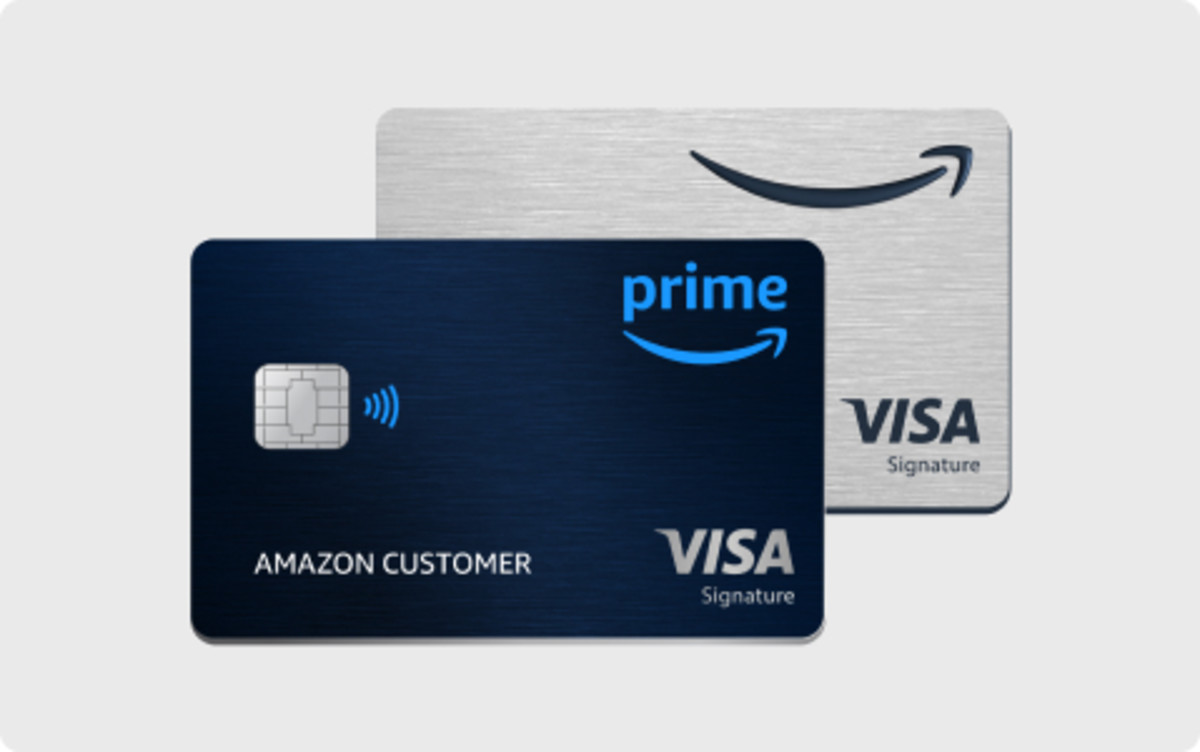
The primary option for most consumers is the Prime Visa, a credit card issued by Chase. This card is generally available to individuals with good to excellent credit scores. It functions as a standard Visa card, meaning it can be used anywhere Visa is accepted, not just on Amazon.
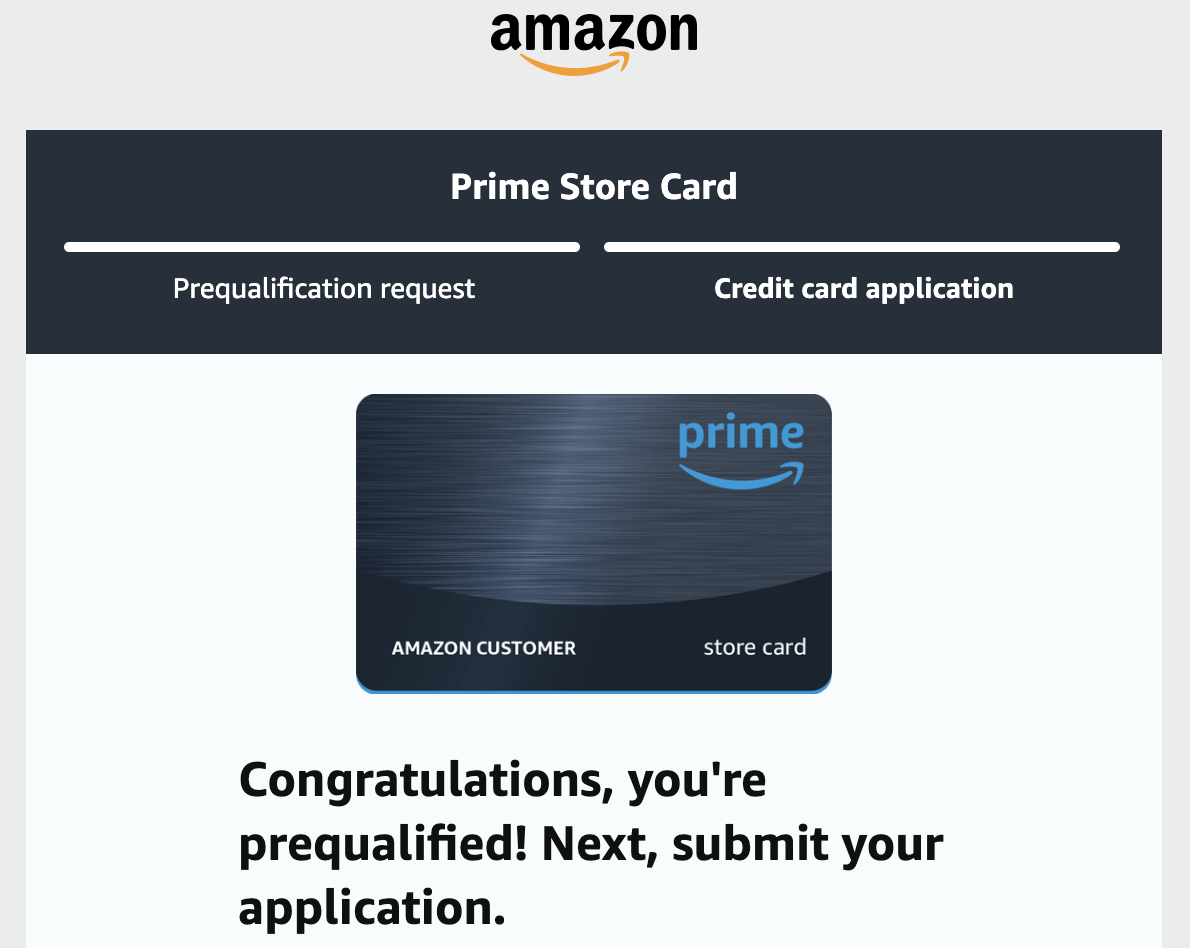
The alternative, often referred to as the Amazon Store Card, is a closed-loop credit account. Historically, this account is designed for use exclusively within the Amazon ecosystem. While it may offer similar rewards structures, its lack of utility outside of Amazon makes it a more restrictive financial tool.
When you ask if the card is "worth it," you are implicitly asking if the rewards earned through your Amazon and Whole Foods spending justify the overhead of a Prime membership. Since the Prime card is currently offered exclusively to Prime members, the "cost" of the card is fundamentally tied to the cost of the annual or monthly subscription fee for the Amazon Prime service.
The Financial Value Proposition: Rewards and Cash Back
The core incentive for holding a Prime credit card is the cash-back structure. As of 2026, the standard offer for the Prime Visa includes 5% back on Amazon purchases and Whole Foods Market purchases for eligible Prime members.
Breaking Down the Math
If you spend $2,000 annually on Amazon and Whole Foods, a 5% return equates to $100 in rewards. If your annual Prime membership costs $139 (standard annual pricing as of 2026), your effective cost for the membership—after applying your rewards—drops to $39. If your spending exceeds $2,780 per year, the rewards earned essentially cover the full cost of your Prime membership.
Factors That Erode Value
The mathematical "break-even" point is only valid if you do not pay interest. If you carry a balance, the high annual percentage rate (APR) associated with these credit cards will quickly negate any rewards earned.
Furthermore, rewards are often issued as "points" that are best used as statement credits or for future Amazon purchases. If you fail to utilize these points efficiently, or if you value the flexibility of travel rewards or cash deposited into a high-yield savings account more than Amazon credit, the value proposition changes significantly.

Comparison: Prime Visa vs. General Cash-Back Cards
To determine if the Prime card is the optimal choice for your wallet, compare it against general-purpose, flat-rate cash-back cards.
| Card Type | Typical Rewards | Versatility | Best For |
|---|---|---|---|
| Prime Visa | 5% at Amazon/Whole Foods | High (Visa network) | Heavy Amazon/Whole Foods shoppers |
| Flat-Rate Card | 2% on all purchases | Unlimited | Users who want simplicity across all categories |
| Rotating Category | 5% (on changing categories) | Moderate | Users who track spending categories |
While a 2% flat-rate card provides less value on Amazon specifically, it provides more value on everything else. If you only spend $500 a year on Amazon, the 5% return is $25. If you spend $20,000 on general expenses throughout the year, a 2% card yields $400 in rewards, whereas the Prime card (earning 1% on non-Amazon purchases) would yield only $200.
Eligibility and Technical Prerequisites
Applying for a Prime credit card involves a standard credit inquiry. Financial institutions require a stable credit history, a manageable debt-to-income ratio, and a history of on-time payments.
- Prime Membership Verification: You must have an active Prime account to be approved for or to retain the specific benefits of the Prime Visa.
- Credit Score Requirements: While banks do not publish specific cutoff scores, these cards typically require a "Good" to "Excellent" credit rating, generally defined as a FICO score of 670 or higher.
- Income Verification: As with any credit application, you must provide verifiable income to support the credit limit granted by the lender.
Before applying, consider the "hard pull" on your credit report. Each application typically results in a temporary dip in your credit score. Ensure you are ready to use the card for its intended purpose rather than applying for it merely to receive a sign-up bonus, as managing multiple credit lines requires diligence.
Strategic Benefits Beyond Cash Back
Beyond the raw percentages, the Prime Visa offers secondary benefits that can add tangible value. These often include:
- Travel Protections: Many versions of this card include baggage delay insurance, travel accident insurance, and lost luggage reimbursement. For frequent travelers, these perks can be worth significantly more than the cash-back rewards themselves.
- Purchase Protection: If an item bought with the card is damaged or stolen shortly after purchase, you may be eligible for coverage.
- No Foreign Transaction Fees: This is a critical feature for travelers, as many standard credit cards charge a 3% fee for every transaction made outside of the country.
Common Mistakes to Avoid
The most frequent error cardholders make is the "reward-chasing" trap. Users often spend more money on Amazon than they otherwise would simply to "maximize" their 5% cash back. If you are spending $100 you did not plan to spend to earn $5, you are losing $95.
Another mistake is neglecting the redemption cycle. Rewards do not always accumulate indefinitely or automatically. It is vital to check your account dashboard regularly to ensure you are redeeming your points in a way that provides the highest value, such as applying them toward your statement balance.
Lastly, do not overlook the security aspect. Prime-branded cards are integrated into your Amazon account. If your account is compromised, your financial information could be vulnerable. Enable two-factor authentication (2FA) on both your Amazon account and your banking portal immediately upon opening the card.
Frequently Asked Questions
Is the Prime credit card worth it if I don't shop on Amazon often?
No. If your Amazon spending is low, a flat-rate 2% cash-back card or a travel-reward card will likely provide better overall value. The Prime card's benefits are heavily concentrated on the Amazon ecosystem; without that specific spending, the card's utility is limited.
Does the Prime credit card have an annual fee?
The card itself does not charge an additional annual fee, provided you are an Amazon Prime member. However, the membership fee is a recurring cost. If you would not be a Prime member otherwise, you must weigh the membership cost against the rewards earned.
Can I use the Prime Visa at stores other than Amazon?
Yes. Because the Prime Visa is issued on the Visa network, it functions as a standard credit card and is accepted by any merchant that accepts Visa. You will typically earn 1% back on these non-Amazon purchases.
What happens to my card if I cancel my Amazon Prime membership?
If your Prime membership expires or is canceled, you will generally lose the 5% cash-back benefit. The card may transition to a standard rewards card with a lower percentage of cash back on Amazon purchases, or the lender may close the account at their discretion.
Is the Prime Store Card better than the Prime Visa?
The Store Card is only better if you are strictly an Amazon shopper and want to avoid the "hard pull" of a traditional credit card or if you prefer specific financing options (like 0% interest on large purchases over a set period, provided they are paid in full). For most users, the Prime Visa is more versatile due to its use as a standard payment method outside of Amazon.
Final Recommendation: How to Decide
To make your final decision, perform a simple "Audit of Intent":
- Calculate your last year of Amazon and Whole Foods spending. Multiply this total by 0.05.
- Compare that result to your current rewards card. If your current card gives you 1.5% or 2% on everything, calculate what your Amazon spending would earn on that card.
- Subtract the difference. Is the "extra" cash you earn with the Prime card worth the effort of managing another credit account?
- Review your travel habits. If you travel internationally, the lack of foreign transaction fees on the Prime Visa is a substantial "hidden" benefit that adds value beyond just the cash back.
If you are a consistent Prime member who spends at least $2,500 annually on Amazon and Whole Foods, the Prime Visa is mathematically beneficial. If you are a casual shopper who values simplicity and rewards that apply across all facets of your life, stick to a high-quality, general-purpose cash-back card.
Image Gallery
Select an image to open it in a new tab.



Lars Thomsen
Global Labor Markets and Economic Strategy Editor
