Selecting and Managing Phone System Contractors for Business Infrastructure

Engaging professional phone system contractors is a critical step for businesses looking to implement, upgrade, or maintain unified communications. These specialists manage the physical cabling, hardware configuration, and logical routing necessary to support Voice over IP (VoIP), PBX systems, and hybrid telephony environments. Their role ensures that your enterprise communication infrastructure remains reliable, scalable, and compliant with current networking standards.
The Role of Professional Phone System Contractors
Phone system contractors function as the bridge between telecommunications service providers and your internal IT infrastructure. Unlike general electrical contractors, these specialists possess specific knowledge regarding low-voltage signaling, network topology, and the unique protocols governing voice data.
In a modern business environment, the term "phone system" has evolved beyond simple handsets and copper wires. Today, it encompasses a sophisticated ecosystem of SIP (Session Initiation Protocol) trunks, Power over Ethernet (PoE) switching, and cloud-integrated interfaces. Contractors are responsible for assessing your bandwidth requirements, conducting site surveys to determine hardware placement, and executing the physical installation of structured cabling—often Category 6 or 6A—to support high-definition voice traffic.
Identifying Your Specific Telephony Needs
Before sourcing contractors, you must define the scope of your project. The industry generally divides work into three distinct segments: premise-based PBX, hosted VoIP, and hybrid infrastructure.
Premise-Based PBX
These systems require an on-site server or appliance to handle switching. Contractors here must have deep experience in hardware maintenance, traditional digital telephony, and disaster recovery. If your business resides in an area with unstable internet connectivity, a premise-based solution may be your primary requirement, necessitating a contractor capable of managing localized hardware.
Hosted VoIP (Cloud-Based)
Most modern businesses transition to hosted environments where the "brain" of the phone system resides in the cloud. Contractors in this space focus heavily on network optimization. They perform Quality of Service (QoS) configurations on your local area network (LAN) to ensure voice traffic is prioritized over general data traffic. This prevents jitter, packet loss, and latency—the primary enemies of high-quality voice communication.
Structured Cabling and Low-Voltage Infrastructure
Regardless of the system type, the physical medium is paramount. Even the best VoIP handsets will fail if the underlying Ethernet cabling is improperly terminated or shielded. Contractors specializing in low-voltage infrastructure ensure that your office adheres to TIA/EIA standards, providing the signal integrity required for PoE devices.

Comparison of Contractor Engagement Models
Selecting the right partner depends on the nature of your business and the depth of your internal IT capabilities.
| Service Model | Primary Focus | Best For | Technical Depth |
|---|---|---|---|
| Full-Service MSP | Managed IT & Telecom | Small to mid-size firms with limited IT staff | High |
| Cabling Specialists | Physical Layer / Infrastructure | Large offices requiring new builds/renovations | Medium |
| Telecom VAR | PBX Hardware & Licensing | Enterprise setups with specific hardware needs | High |
| Independent Freelancer | Minor repairs & basic adds/moves | Small retail or office spaces | Low to Medium |
Vetting and Verification Criteria
When evaluating potential contractors, due diligence is essential to prevent operational downtime. Business communication is a mission-critical utility; therefore, verifying credentials is not optional.
Licensing and Insurance
In many jurisdictions, work involving low-voltage cabling requires specific contractor licensing. Always request proof of a current license, as well as General Liability and Workers' Compensation insurance. Verify that their insurance coverage is active for the current year; relying on expired documentation puts your business at risk of liability during an installation incident.
Manufacturer Certifications
Many hardware vendors—such as Cisco, Avaya, or Mitel—maintain authorized partner programs. Using a contractor with an active certification for the specific hardware brand you intend to install ensures they have access to official technical support, firmware updates, and original manufacturer warranties.
References and Project Scope
Ask for references specifically related to projects of a similar scale. If you are fitting out a 50-person office, a contractor who only works on residential intercom systems will lack the experience in network routing necessary to ensure your system succeeds. Request a summary of past projects that details the specific scope of work, including the number of extensions and the complexity of the network configuration.
Managing the Installation Lifecycle
A successful deployment follows a predictable project management flow. Understanding these stages allows you to keep contractors on schedule and within budget.
- Discovery and Site Survey: The contractor evaluates your building's floor plan, existing data racks, and current internet service provider (ISP) handoffs.
- Infrastructure Assessment: Before installing phones, the contractor must verify that your network switches support the required PoE wattage and that your internet pipe has sufficient upload speed to handle concurrent voice calls.
- Procurement and Staging: Hardware is ordered and configured in a staging environment to ensure it boots correctly and holds the necessary security certificates before installation.
- Physical Deployment: The installation team pulls cables, mounts wall jacks, and installs the physical handsets or softphone gateways.
- Cutover and Testing: This is the most critical phase. The contractor performs "soak testing," where the system is monitored under load to ensure call quality remains consistent.
Common Pitfalls and How to Avoid Them
The most frequent cause of project failure is a lack of communication between the IT department and the contractor. Avoid these common mistakes:
- Ignoring QoS Settings: Installing a high-end phone system on a flat network without proper VLAN segmentation leads to "robotic" voices and dropped calls. Ensure your contractor commits to configuring QoS at the switch level.
- Neglecting Electrical Requirements: While VoIP phones are usually PoE, they still require a central switch that is adequately powered and supported by a Uninterruptible Power Supply (UPS). If the building loses power, your phones should remain operational for a defined period.
- Underestimating Scaling: Always request "headroom" in your cabling infrastructure. If you have 20 desks, pull cables for 30. The cost of running additional wire later is significantly higher than doing it during the initial installation phase.
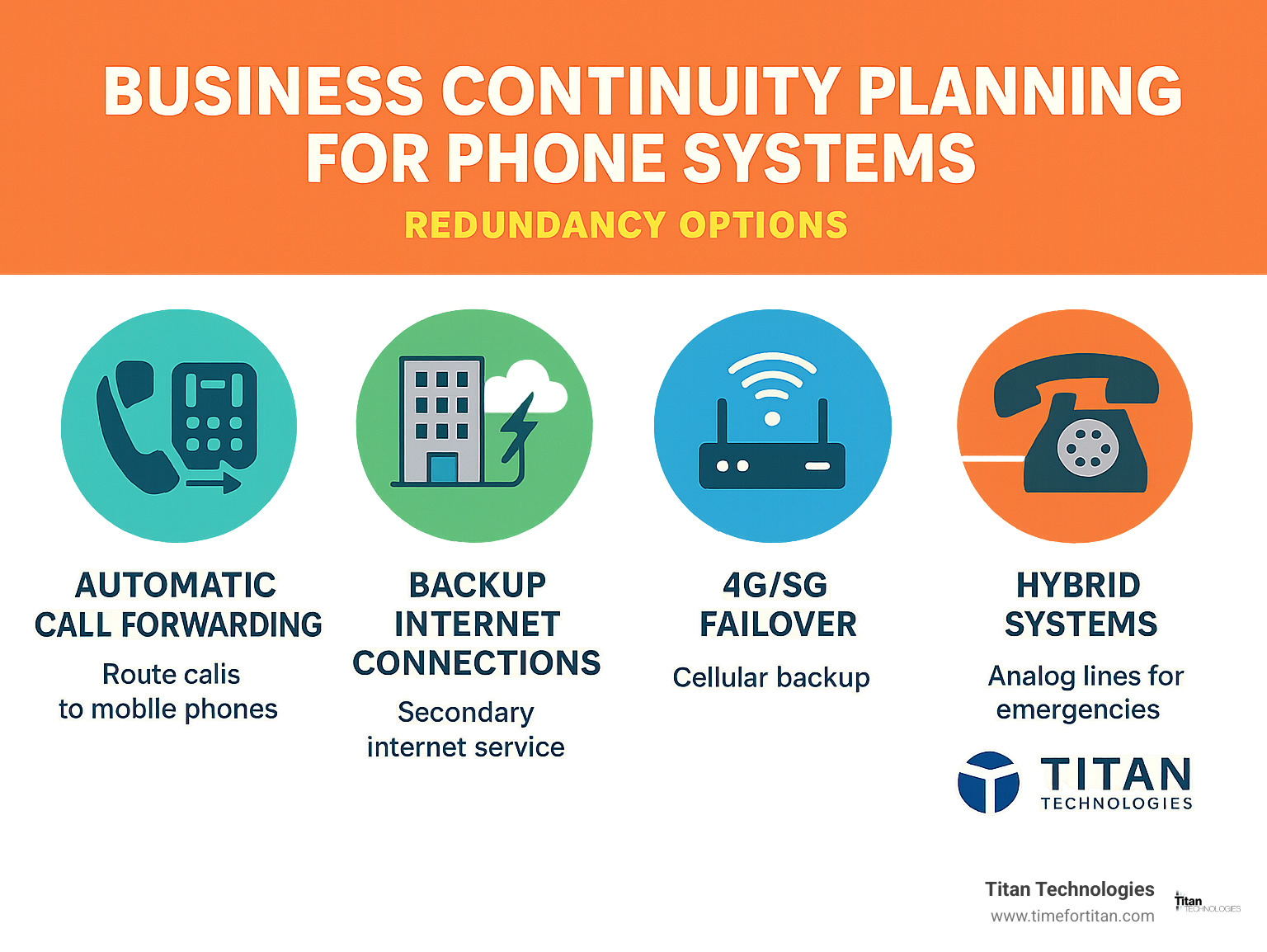
- Assuming Cloud Means "Plug and Play": Hosted systems are not immune to ISP failures. Always discuss redundant internet paths, such as a secondary 5G or fiber backup line, with your contractor.
FAQ: Navigating the Hiring Process
1. Does a phone system contractor need to be an electrician? While some contractors hold both low-voltage and electrical licenses, it is not strictly required. You need a contractor specialized in low-voltage communications (often categorized as an ELV or "Extra Low Voltage" technician). Do not hire a standard high-voltage electrician to configure logical network routing, as their training is fundamentally different.
2. How do I know if my existing wiring supports a modern VoIP system? A qualified contractor will use a cable certifier—a device that tests for continuity, crosstalk, and attenuation—to verify that your current cables meet the standards (Cat 5e, 6, or higher) necessary for data transmission. If your existing cabling is older than 15 years, it is often more cost-effective to replace it entirely during the system upgrade.
3. What is the standard warranty for phone system installation? Labor warranties typically range from 90 days to one year. Hardware warranties are distinct and are governed by the manufacturer. Ensure your contract clearly stipulates what happens if a component fails: does the contractor provide on-site labor to replace it, or are you responsible for the physical swap?
4. Can I hire the same company for my phone system and my Wi-Fi? Yes, and it is often recommended. Since both systems reside on the same network infrastructure, hiring a unified team allows for better management of bandwidth and VLANs. This prevents the "finger-pointing" that often occurs when separate vendors for Wi-Fi and Telephony blame each other for connectivity issues.
Final Recommendations for Your Business
To ensure the success of your telephony infrastructure, start by drafting a clear Statement of Work (SOW). This document should detail your expected system usage, the number of users, and any specific feature requirements, such as hunt groups, auto-attendants, or CRM integration.
Invite at least three qualified contractors to provide site-visit quotes. Use these visits to gauge their professionalism and technical acumen. When comparing quotes, look beyond the bottom-line price; prioritize contractors who include ongoing support and maintenance plans in their proposals. Once you select a partner, establish a clear escalation path for troubleshooting, ensuring that you have a direct point of contact if the system encounters performance issues post-installation.
Image Gallery
Select an image to open it in a new tab.

Vivian Cho
Executive IT and Emerging Technologies Reporter
