
Panera Bread’s caffeinated beverages, formerly known as Charged Lemonades, were a line of fruit-flavored drinks containing significant levels of caffeine and guarana. Due to public health concerns and multiple legal challenges, Panera officially discontinued these drinks in 2024. As of 2026, they are no longer available on the menu.
The History and Rise of Panera’s Charged Lemonades
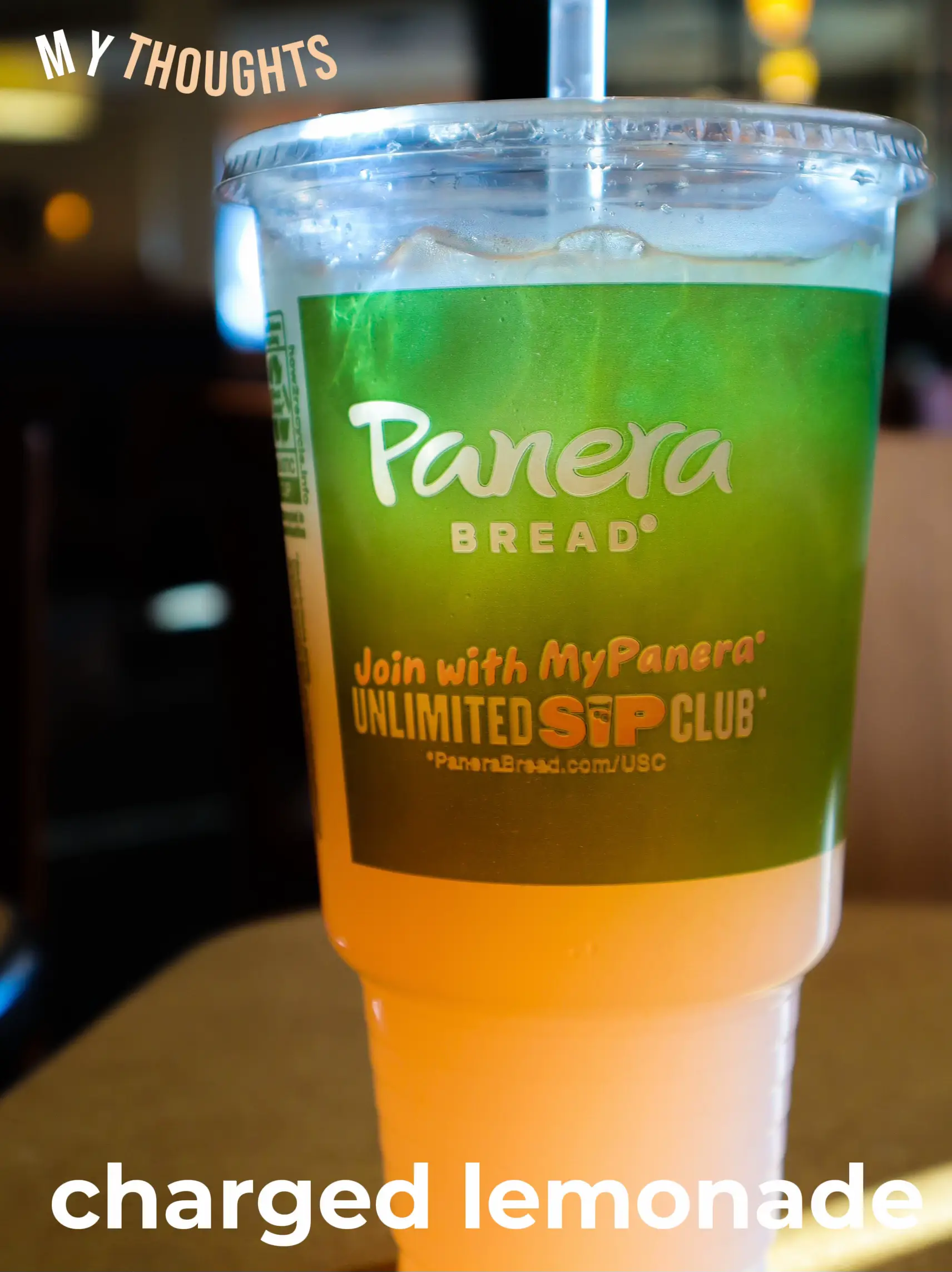
The introduction of "Charged Lemonades" by Panera Bread marked a significant shift in the fast-casual dining landscape. Launched as a centerpiece of the Unlimited Sip Club—a subscription service allowing customers to get "unlimited" drinks—these beverages were marketed as "plant-based and clean" energy sources. The primary appeal was the combination of refreshing, traditional lemonade flavors with the potent energy boost typically reserved for canned energy drinks or espresso-based coffee.
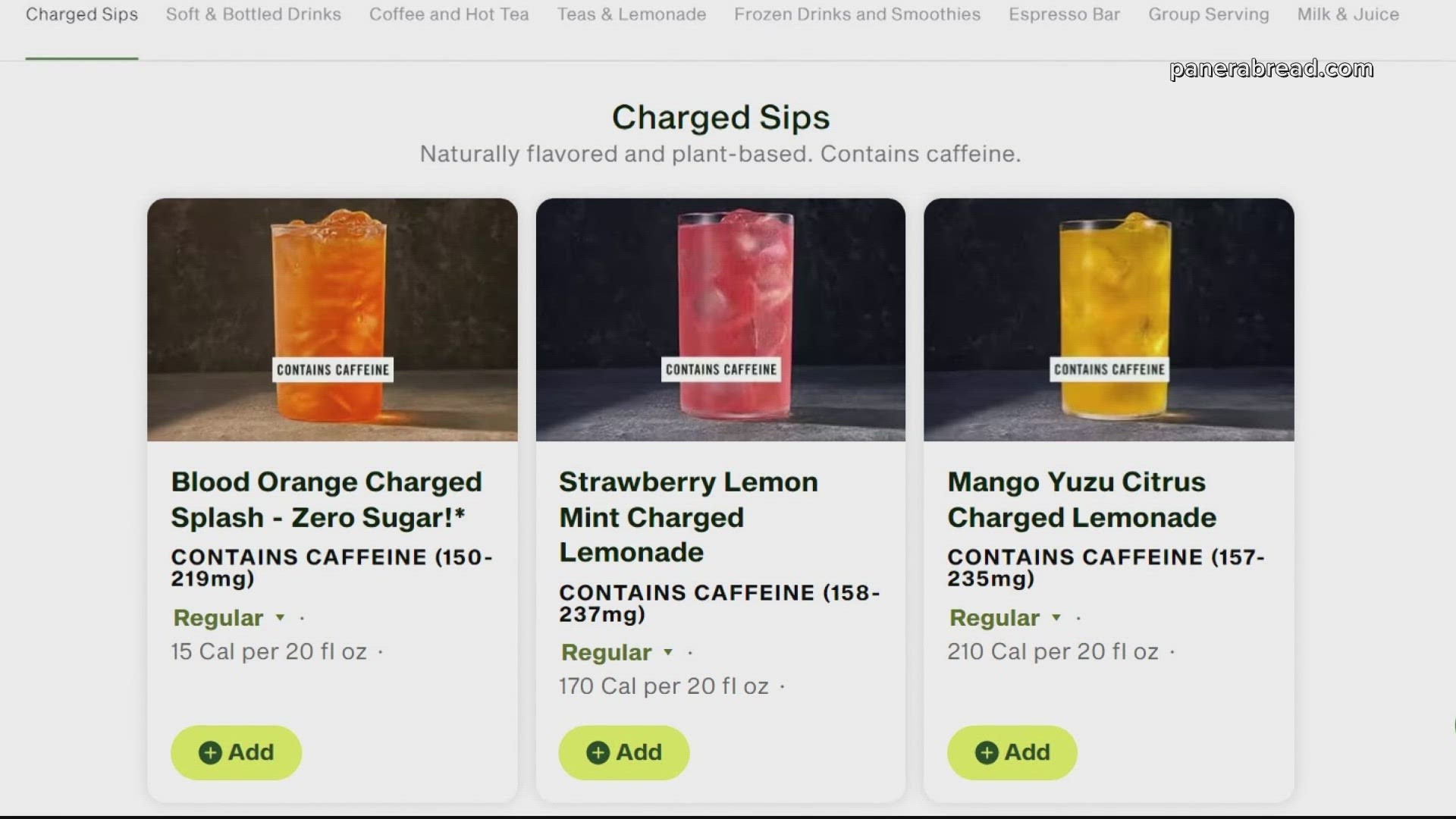
For several years, these drinks were a staple for students, office workers, and commuters looking for a high-caffeine alternative to hot coffee or carbonated sodas. Available in flavors like Strawberry Lemon Mint, Mango Yuzu Citrus, and Blood Orange Charged Splash, the beverages were dispensed from large bubblers, often located in the self-service areas of the restaurant. This accessibility, combined with the "unlimited" nature of the subscription model, meant that customers could easily refill their cups multiple times during a single visit.
However, the "clean" marketing often masked the sheer potency of the caffeine content. Unlike a standard cup of drip coffee, which is served hot and sipped slowly, these lemonades were cold, sweet, and highly palatable, making it easy for consumers to ingest massive amounts of caffeine in a very short period. This discrepancy between the product’s appearance as a standard refreshment and its biological impact eventually led to widespread scrutiny and the eventual removal of the product line.
Caffeine Content Breakdown: Comparing the "Charge"
To understand why Panera’s caffeinated lemonade became a subject of intense debate, one must look at the specific caffeine metrics. At the height of their popularity, the caffeine levels in these drinks were among the highest in the retail beverage industry. A "Regular" size (20 ounces) and a "Large" size (30 ounces) contained caffeine amounts that rivaled or exceeded several cans of traditional energy drinks.
The caffeine in these drinks was derived from both caffeine anhydrous and guarana extract. Guarana is a plant native to the Amazon that contains about double the concentration of caffeine found in coffee seeds. When combined with added caffeine, the result was a stimulant profile that could be overwhelming for those with low tolerance or underlying health conditions.
The following table illustrates how the 30-ounce "Large" Charged Lemonade compared to other common caffeinated beverages available in 2024, prior to its discontinuation.
| Beverage Type | Serving Size | Approximate Caffeine Content |
|---|---|---|
| Panera Large Charged Lemonade | 30 oz | 390 mg |
| Standard Drip Coffee | 12 oz | 135 mg |
| Red Bull Energy Drink | 8.4 oz | 80 mg |
| Monster Energy Drink | 16 oz | 160 mg |
| Espresso (Single Shot) | 1 oz | 63 mg |
| Coca-Cola Classic | 12 oz | 34 mg |
The FDA's general guideline for healthy adults is a limit of 400 milligrams of caffeine per day. A single large Panera Charged Lemonade effectively reached that entire daily limit in one serving. For context, consuming two large lemonades under the "Unlimited Sip Club" model would nearly double the recommended safe intake for a 24-hour period.
Health Risks and the Medical Perspective on High Caffeine
The primary concern regarding Panera’s caffeinated lemonade was its physiological impact on the cardiovascular and nervous systems. Caffeine is a central nervous system stimulant that blocks adenosine receptors in the brain, preventing the onset of tiredness. While moderate consumption is generally safe for most adults, high-potency beverages like the Charged Lemonades posed specific risks.
Cardiovascular Stress
High doses of caffeine can lead to a rapid increase in heart rate (tachycardia) and elevated blood pressure. For individuals with undiagnosed or existing heart conditions, such as Long QT Syndrome or arrhythmias, this sudden influx of stimulants can trigger severe cardiac events. In the case of the Charged Lemonades, medical experts noted that the delivery system—a large, cold, sugary beverage—encouraged rapid consumption, which causes a sharper spike in blood caffeine levels compared to sipping hot coffee.
The Role of Guarana
Guarana extract contains more than just caffeine; it also contains small amounts of theobromine and theophylline, which are also stimulants. There is some evidence to suggest that the presence of these compounds may prolong the effects of caffeine or create a synergistic effect that places additional strain on the heart. Furthermore, because guarana was listed as an ingredient alongside "caffeine," some consumers may not have realized they were consuming multiple sources of stimulants.
Vulnerable Populations
The medical community repeatedly warned that children, pregnant women, and individuals with caffeine sensitivity were at high risk. Because the drinks were brightly colored and located next to caffeine-free options like regular lemonade and iced tea, there was a significant risk of accidental consumption by minors or people who believed they were drinking a standard fruit beverage.
The Legal Landscape: Lawsuits and Corporate Accountability
The eventual removal of Panera’s caffeinated lemonade was largely driven by a series of high-profile lawsuits. These legal actions brought national attention to the potential dangers of high-caffeine beverages and forced a reckoning regarding how such products are labeled and marketed.
The Sarah Katz Case
One of the most tragic and well-known cases involved Sarah Katz, a 21-year-old college student with a heart condition called Long QT Type 1. Her family filed a wrongful death lawsuit against Panera, alleging that she died of cardiac arrest after consuming a Charged Lemonade. The lawsuit argued that Katz was careful about her caffeine intake due to her condition but likely believed the drink was a safe, standard lemonade because it was not sufficiently labeled as an energy drink in the restaurant.
The Dennis Brown Case
Following the Katz lawsuit, a second case emerged involving Dennis Brown, a 46-year-old man with an intellectual disability and a chromosomal deficiency. According to the lawsuit, Brown consumed multiple refills of the Charged Lemonade over the course of an hour and a half before suffering a fatal cardiac event on his way home. This case specifically highlighted the dangers of the "self-serve" and "unlimited" aspects of the product's distribution.
Regulatory and Corporate Response
In response to these events and the mounting pressure from consumer advocacy groups, Panera initially attempted to mitigate the risks by:
- Enhanced Labeling: Adding warnings to the dispensers and online ordering menus, stating that the drinks contained as much caffeine as dark roast coffee.
- Moving the Dispensers: In some locations, the drinks were moved behind the counter so that employees had to serve them, theoretically limiting "unlimited" refills.
- Rebranding: Briefly rebranding the line as "Charged Sips" to distance the product from traditional lemonade.
Ultimately, these measures were not enough to quell public concern or legal liability. In May 2024, Panera announced the full discontinuation of the line, replacing them with a new range of lower-caffeine or caffeine-free "bottled and fountain" beverages.
What Replaced Charged Lemonades at Panera?
By 2026, Panera’s beverage menu has stabilized into a selection that emphasizes variety and flavor without the extreme stimulant levels of the past. The "Unlimited Sip Club" remains a core part of the Panera business model, but the options have shifted toward more traditional refreshments.
Current Beverage Categories
The current menu typically includes:
- Agave Lemonade: A standard, non-caffeinated lemonade sweetened with agave nectar. This is the direct replacement for those seeking the lemonade flavor without the "charge."
- Passion Papaya Green Tea: A long-standing favorite that contains a moderate amount of naturally occurring caffeine from tea leaves, significantly lower than the levels found in the defunct Charged line.
- Iced Black and Decaf Teas: Standard brewed teas that offer a predictable and traditional caffeine experience.
- New "Hydration" Options: Panera has introduced a series of infused waters and low-sugar spritzers that focus on hydration and fruit flavors rather than energy-boosting stimulants.
The Impact on the Sip Club
While some customers were disappointed by the removal of the high-energy options, the shift has broadened the appeal of the subscription service to a more health-conscious demographic. The focus is now on "clean" ingredients in the context of nutrition and hydration, rather than "clean energy" through high-dose caffeine.
Safe Caffeine Consumption: Guidelines for 2026
The saga of Panera’s caffeinated lemonade serves as a permanent case study in the importance of consumer awareness regarding caffeine. Whether ordering from a restaurant or buying a canned energy drink, it is essential to follow safety protocols.
- Read the Labels: Never assume a drink is caffeine-free because it is fruit-flavored. Look for terms like "energy," "charged," "boosted," or "guarana."
- Know Your Limit: Most health organizations, including the FDA, suggest that 400mg per day is the maximum for healthy adults. If you have any underlying heart conditions or are prone to anxiety, your personal limit may be much lower.
- Account for Hidden Sources: Remember that caffeine hides in chocolate, certain medications, and "natural" extracts like green coffee bean or yerba mate.
- Stay Hydrated: Caffeine is a diuretic. If you are consuming caffeinated beverages, ensure you are balancing them with plenty of water to avoid dehydration and the accompanying physical stress.
- Consult a Professional: If you experience heart palpitations, dizziness, or extreme jitteriness after consuming a beverage, consult a healthcare provider. These are signs that your intake has exceeded your body’s tolerance.
Frequently Asked Questions
Did Panera stop selling the caffeinated lemonade?
Yes, Panera officially discontinued the "Charged Lemonade" and "Charged Sips" line in 2024. The decision followed multiple lawsuits and significant public concern regarding the high caffeine content of the beverages. As of 2026, they are no longer available at any Panera locations.
How much caffeine was in a large Panera Charged Lemonade?
A large (30-ounce) Charged Lemonade contained approximately 390 milligrams of caffeine. This was nearly equal to the FDA's recommended daily limit of 400 milligrams for a healthy adult. It contained significantly more caffeine than multiple cans of standard energy drinks like Red Bull.
Was the caffeine in Panera's lemonade natural?
The caffeine was derived from a mix of sources, including caffeine anhydrous and guarana extract. While these are derived from plant sources, the concentration and total amount were far higher than what occurs naturally in standard fruit juices or traditional lemonades.
Are there any caffeinated drinks left at Panera?
Yes, Panera still serves various caffeinated beverages, including hot and iced coffee, espresso-based drinks, and various brewed teas (such as the Passion Papaya Green Tea). However, the caffeine levels in these current offerings are significantly lower and more in line with industry standards compared to the discontinued Charged Lemonades.
Why was it called "Charged" lemonade?
The "Charged" branding was used to indicate the addition of energy-boosting ingredients, specifically caffeine and guarana. It was marketed as a way to get a "clean" energy boost from a fruit-flavored beverage rather than a traditional coffee or soda.
Practical Recommendation for Consumers
If you are looking for a refreshing drink at Panera in 2026 but want to monitor your stimulant intake, the best course of action is to stick to the Agave Lemonade for a caffeine-free experience or the Passion Papaya Green Tea for a mild, moderate energy boost. Always check the nutritional information kiosks available in-store or on the Panera mobile app, as these provide the most up-to-date and accurate data on caffeine, sugar, and calorie content for the current menu.
Image Gallery
Select an image to open it in a new tab.

Ingrid Bjornson
Global Cyber Policy and Regulation Analyst
