The 1972 Olympic Basketball Showdown: Soviet Union vs USA and the Three Seconds that Changed Sports History
The 1972 Olympic men's basketball final between the Soviet Union and the United States remains the most controversial game in the history of international sports. Ending in a 51-50 victory for the USSR, the game halted a 63-game, 36-year American winning streak and ignited a geopolitical firestorm that continues to resonate in 2026.
For over five decades, this game has been defined by its final three seconds, which were replayed three separate times under the intervention of FIBA officials. While the Soviet Union celebrated their first gold medal in the sport, the United States team refused to accept their silver medals—a stance they maintain to this day. To understand the 1972 showdown is to understand the intersection of Cold War tension, officiating chaos, and the evolving nature of amateurism in global athletics.
The Geopolitical and Sporting Context of 1972
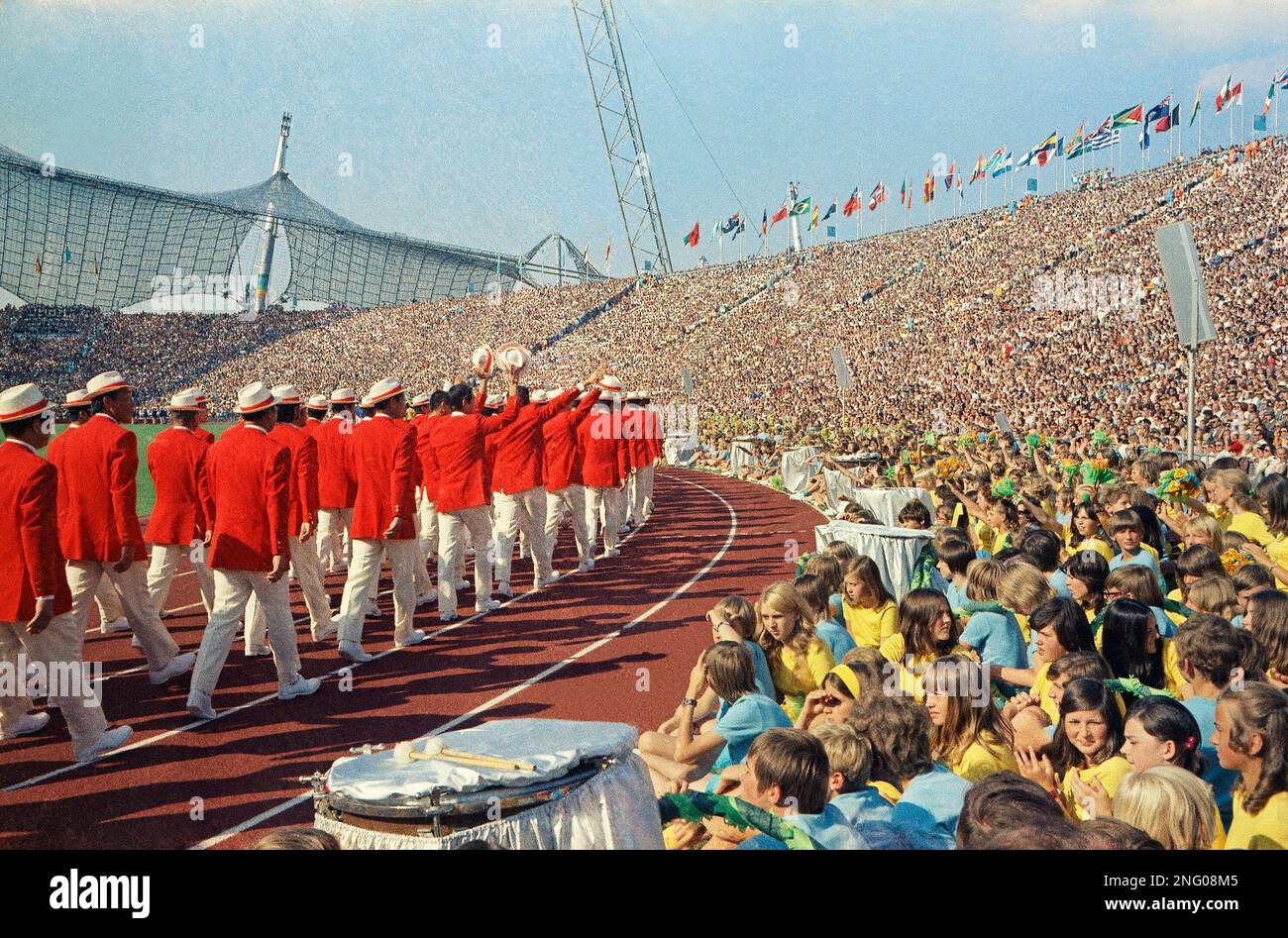
The 1972 Munich Summer Olympics were intended to be the "Cheerful Games," showcasing a new, democratic West Germany. However, the event was overshadowed by the tragic Munich massacre, where eleven Israeli athletes and coaches were murdered by a Palestinian terrorist group. In this somber and high-tension atmosphere, the basketball final became a surrogate battlefield for the Cold War.
The American Dominance
Since basketball was introduced to the Olympic program in 1936, the United States had never lost a game. They entered the 1972 final with a perfect 63-0 record. The American philosophy relied on the "amateur" ideal, sending a roster composed entirely of college players. While talented, these athletes were often young and lacked international experience.
The Soviet Machine
Contrastingly, the Soviet Union employed "state-sponsored amateurs." These were seasoned veterans who played together year-round and were often technically employed by the military or industrial sectors. The 1972 Soviet roster featured legendary figures like Sergei Belov and Modestas Paulauskas, who possessed a level of chemistry and physical maturity that the American college students struggled to match.
The Flow of the Game: A Defensive Grind
Contrary to the high-scoring spectacles of the modern era, the 1972 final was a grueling, low-scoring defensive struggle. The Soviets, led by coach Vladimir Kondrashin, utilized a slow-down tactic to neutralize the Americans' superior athleticism and fast-break capabilities.
For much of the game, the USSR held a comfortable lead. Sergei Belov was dominant, eventually finishing with 20 points—nearly half of his team's total. The Americans, coached by the legendary Henry "Hank" Iba, struggled with the physical officiating and the Soviets' disciplined zone defense. By halftime, the Soviet Union led 26-21.
As the second half progressed, the Americans slowly chipped away at the lead. With less than ten minutes remaining, the Soviets held a 10-point advantage, but the U.S. began a frantic press. With three seconds left on the clock, Doug Collins of the U.S. intercepted a Soviet pass and was fouled hard while driving for a layup.
The Infamous Three Seconds: A Step-by-Step Breakdown
What followed the foul on Doug Collins was a sequence of officiating errors and administrative interventions that had never been seen before and have never been repeated since.
The First Attempt
Doug Collins, despite being visibly shaken by the hard foul, stepped to the line and sank both free throws. This put the United States ahead 50-49. With three seconds remaining, the Soviets took the ball out of bounds. As they attempted to move the ball up the court, the horn sounded with one second still on the clock. The referee, Renato Righetto, stopped play. The Soviet bench claimed they had requested a timeout before the free throws, which the officials had initially ignored.
The Second Attempt
During the confusion, R. William Jones, the Secretary General of FIBA (the International Basketball Federation), walked onto the floor from the stands. Although he had no legal authority to intervene in the game's officiating according to the rules, he ordered the clock to be reset to three seconds. The referees complied. On this second attempt, the Soviets failed to score a basket, and the Americans began celebrating their apparent victory. Fans stormed the court, believing the 50-49 score was final.
The Third Attempt
However, the drama was not over. The clock had not been properly reset for the second attempt—it was still showing the time remaining from the previous play. Despite American protests, the court was cleared, and the Soviets were given a third chance with a full three seconds on the clock.
Ivan Edeshko, the Soviet "long-ball" specialist, stood at his own baseline. He threw a perfect full-court pass to Alexander Belov, who was positioned under the American basket. Belov outleaped two American defenders, Kevin Joyce and Jim Forbes, caught the ball, and laid it in as the final buzzer sounded. The final score: USSR 51, USA 50.
| Sequence | Action | Clock Time | Outcome |
|---|---|---|---|
| First Play | Collins makes 2 free throws | 3.0s | Soviets attempt inbound; horn sounds early. |
| Intervention | R. William Jones intervenes | N/A | Clock reset to 3 seconds against US protest. |
| Second Play | Soviet inbound pass | 3.0s | No score; US begins celebration. |
| The Reset | Referee rules clock error | 3.0s | Final play ordered; clock set to full 3 seconds. |
| Third Play | Edeshko pass to Belov | 3.0s | Belov scores; USSR wins 51-50. |
The Protest and the Jury of Appeal
Immediately following the game, the United States filed a formal protest. The protest was heard by a five-member FIBA Jury of Appeal. The composition of this jury became a point of intense controversy, as it mirrored the political divisions of the era.
The jury members were from Puerto Rico, Italy, Hungary, Poland, and Cuba. In a 3-2 vote, the jury rejected the American protest and upheld the Soviet victory. Notably, the three votes against the U.S. came from the communist bloc nations (Hungary, Poland, and Cuba), while Italy and Puerto Rico voted in favor of the American position.
The U.S. team was incensed. They felt the game had been stolen not by the Soviet players, but by the bureaucrats and the political machinery of the Cold War. In a unanimous decision, the team voted to refuse the silver medals.
The Legacy of the Silver Medals in 2026
As of 2026, the silver medals from the 1972 men's basketball final remain in a vault in Lausanne, Switzerland, at the headquarters of the International Olympic Committee (IOC).
Over the decades, there have been various attempts to reconcile the situation. The IOC has occasionally reached out to the 1972 team members to see if they would finally accept the medals. Each time, the players have remained steadfast. Several players, including Kenny Davis and Tom McMillen, have even included clauses in their wills explicitly forbidding their heirs from ever accepting the medals on their behalf.
The refusal is not seen by the players as an act of poor sportsmanship, but as a principled stand against a perceived injustice. For them, accepting the silver would be an acknowledgment that the final three seconds were legitimate, a concession they are unwilling to make even fifty-four years later.
Impact on Olympic Basketball Rules
The fallout from the 1972 showdown led to significant changes in how international basketball is governed and played. It highlighted the flaws in the "amateur" system and the need for more professional officiating standards.
- Refinement of Timing Systems: The confusion over the clock in Munich led to the implementation of more sophisticated, synchronized timing systems that are less susceptible to manual error or interference.
- Neutrality of Officials: FIBA overhauled its selection process for referees and juries to minimize the influence of political blocs, ensuring that officials in high-stakes games have no conflict of interest.
- The Road to Professionalism: The perceived "unfairness" of college students competing against professional state-sponsored athletes eventually led to the 1989 rule change that allowed NBA players to compete in the Olympics, debuting with the "Dream Team" in 1992.
- Instant Replay: Modern basketball now utilizes extensive video review for end-of-game situations, a direct response to the "was it or wasn't it" nature of the 1972 final seconds.
Analyzing the Technical Errors
From a technical officiating standpoint, several rules were violated or misapplied during the final sequence:
- Official Intervention: R. William Jones had no authority to dictate clock settings. Per the FIBA rulebook at the time, only the referees and the table officials held jurisdiction over the game clock.
- The Timeout Rule: Under 1972 rules, a timeout could only be called before the first free throw or after the second free throw was made, but only if the ball was dead. The Soviet coach's attempt to call a timeout while the ball was live was technically invalid.
- The Full-Court Pass: During the final attempt, the referee on the baseline, Mihai Uzun, did not require Edeshko to stand still behind the line, and some analysts argue that the Soviet player stepped on the line during the throw, which should have resulted in a turnover.
Frequently Asked Questions
Why did the United States refuse the silver medals?
The U.S. team felt that the game was unfairly decided by administrative interference rather than play on the court. Specifically, they pointed to R. William Jones' unauthorized intervention and the fact that the final three seconds were played three times until the Soviets won.
Was the final basket by Alexander Belov legal?
While the basket itself was a legal catch-and-shoot, the conditions leading up to it were highly contested. The Americans argued that the clock should never have been reset and that Belov committed a foul by pushing off the American defenders to get open for the pass.
Who was the leading scorer in the 1972 final?
Sergei Belov of the Soviet Union was the high scorer with 20 points. For the United States, Kevin Joyce and Jim Forbes led the scoring efforts during the comeback, while Doug Collins hit the critical free throws that briefly gave the U.S. the lead.
Where are the 1972 silver medals now?
In 2026, the medals remain stored in a secure vault at the Olympic Museum in Lausanne, Switzerland. The members of the 1972 U.S. Olympic basketball team have never claimed them.
Did this game end the U.S. winning streak?
Yes. The loss to the Soviet Union ended a streak of 63 consecutive Olympic victories for the U.S. men's team, dating back to the sport's debut in the 1936 Berlin Games.
Moving Forward: The 1972 Game as a Historical Benchmark
The 1972 Olympic basketball final is more than a game; it is a case study in how sports can be hijacked by political tension and administrative failure. For modern fans and athletes in 2026, it serves as a reminder of why clear rules and impartial officiating are the bedrock of competitive integrity.
For those wishing to dive deeper into this history, it is recommended to view the archival footage of the final three seconds and read the memoirs of the players involved. While the scoreboard in Munich will forever read 51-50 in favor of the Soviet Union, the debate over who truly won that night will likely never be settled. To honor the spirit of the game, one must recognize both the incredible skill of the Soviet players and the legitimate grievances of the American team.
Image Gallery
Select an image to open it in a new tab.
Lars Thomsen
Global Labor Markets and Economic Strategy Editor
