Comprehensive Guide to Power Outages in Houston: Reporting, Tracking, and Preparedness in 2026
To manage a power outage in Houston, you must first identify your Transmission and Distribution Utility (TDU), which is typically CenterPoint Energy or Entergy Texas. Use the CenterPoint Outage Tracker or Entergy’s View Outages map to check status, or text "OUT" to 832-225-5273 (CenterPoint) to report an interruption. Immediate actions should focus on safety, disconnecting sensitive electronics, and preserving refrigerated food.
Understanding the Houston Power Grid and Utility Structure
Navigating a power outage in Houston requires understanding the unique deregulated electricity market in Texas. In the Greater Houston area, the company you pay your monthly bill to (your Retail Electric Provider or REP, such as Reliant, TXU, or Gexa) is generally not responsible for the physical poles, wires, or the restoration of power.
The responsibility for infrastructure lies with the Transmission and Distribution Utility (TDU). For the vast majority of Houston residents, this is CenterPoint Energy. However, parts of Montgomery County and northern Harris County (including areas like Conroe or The Woodlands) are served by Entergy Texas. Because the TDU owns the physical grid, they are the primary source of truth during an outage.
By 2026, the Houston grid has undergone significant "hardening" efforts following the lessons of the 2024 derecho and Hurricane Beryl. These efforts include aggressive vegetation management (tree trimming) and the installation of more resilient steel poles in critical corridors. Despite these upgrades, Houston’s geography—characterized by heavy coastal humidity, high winds, and a dense urban canopy—makes it inherently susceptible to localized and widespread outages.
How to Report and Track a Power Outage in Houston
When the lights go out, your first priority is notifying the utility. Do not assume your neighbors have already reported it. While modern "smart meters" often send a "last gasp" signal to the utility when power is lost, manual reporting ensures your specific address is logged in the restoration queue.
Using the CenterPoint Energy Outage Tracker
CenterPoint’s Outage Tracker is the most vital tool for Houstonians. Following the major infrastructure failures of 2024, the tool was overhauled for better mobile responsiveness and higher frequency updates.
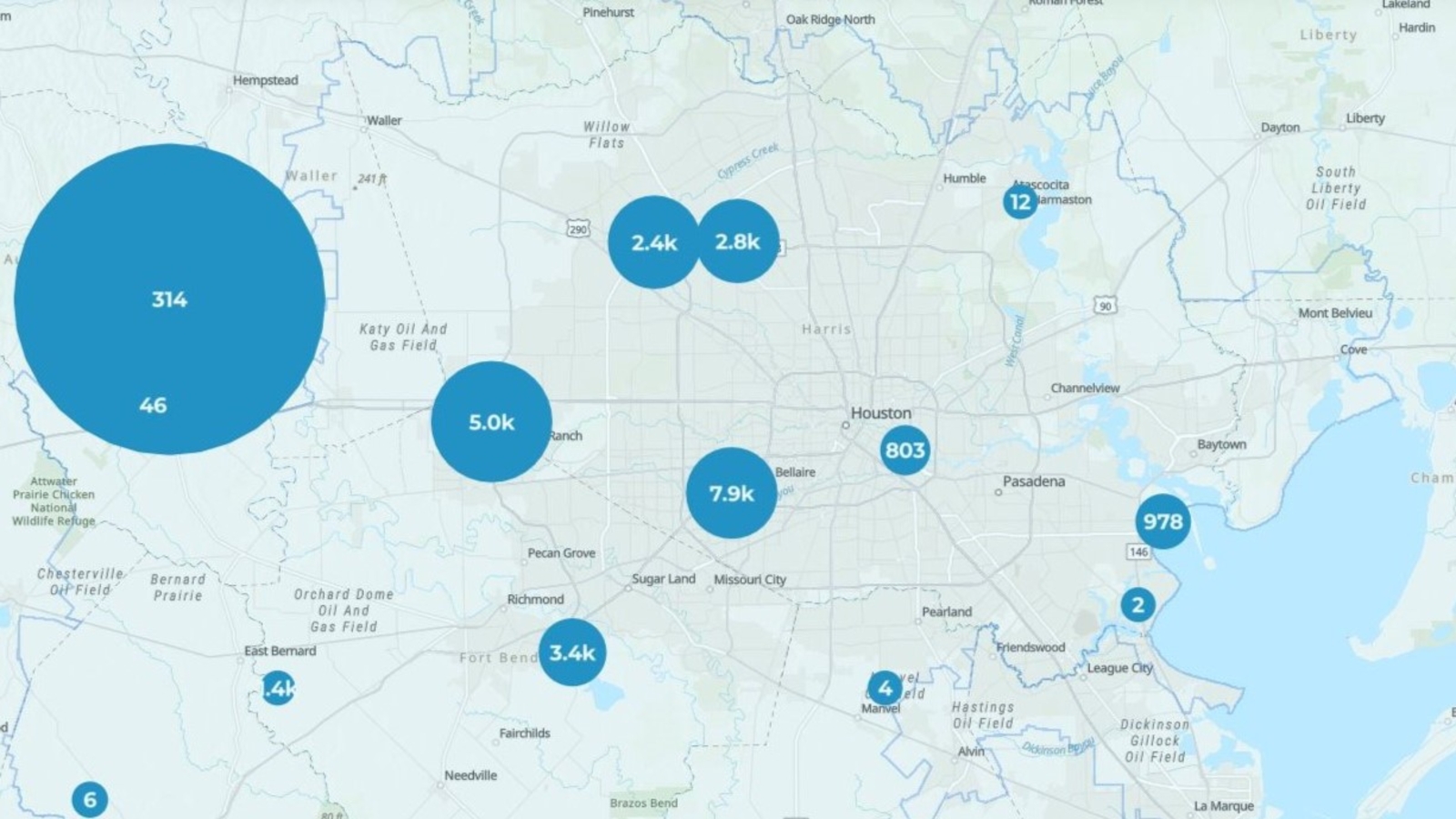
- The Map: The web-based map provides a bird’s-eye view of outages across the Houston metropolitan area. It uses color-coded icons to indicate the number of customers affected and the status of the repair (e.g., "Pending Investigation," "Assigned," or "Crew on Site").
- Power Alert Service (PAS): Residents should enroll in the Power Alert Service via the CenterPoint website. This system sends automated text, email, or phone call notifications regarding the cause of the outage and the Estimated Time of Restoration (ETR).
- Text Reporting: You can report an outage by texting "OUT" to 832-225-5273. You will need your account number or the phone number associated with the service address.
Reporting to Entergy Texas
If you are located in Entergy’s territory, the process is slightly different.
- View Outages Map: Entergy provides a real-time map similar to CenterPoint’s, accessible via their website or mobile app.
- Phone Reporting: Call 1-800-ENTERGY (1-800-368-3749) to report a power outage or a downed power line.
- SMS Alerts: Text "OUT" to 36778 to initiate a report.

The Role of ERCOT and Grid-Wide Alerts
While most Houston outages are caused by local equipment failure (blown transformers, downed lines), some are the result of state-wide supply-and-demand imbalances managed by the Electric Reliability Council of Texas (ERCOT).
ERCOT manages the flow of electric power to more than 26 million Texas customers. In 2026, the grid operates under a "reliability-first" mandate. When the demand for electricity nears the limit of available supply—often during extreme summer heatwaves or rare winter freezes—ERCOT may issue different levels of alerts:
- Conservation Appeal: A request for residents to voluntarily reduce electricity usage (e.g., setting thermostats to 78°F in summer).
- Energy Emergency Alert (EEA): Levels 1 through 3. Level 3 is the most severe and may require TDUs like CenterPoint to implement controlled outages (rolling blackouts) to prevent a total grid collapse.
If your outage is part of a "rolling" event, the duration is typically 15 to 45 minutes per circuit, though this can vary based on the severity of the emergency. You can monitor the real-time status of the state grid at the ERCOT Grid and Market Conditions dashboard.
Infrastructure Resilience: Why Houston Still Faces Outages
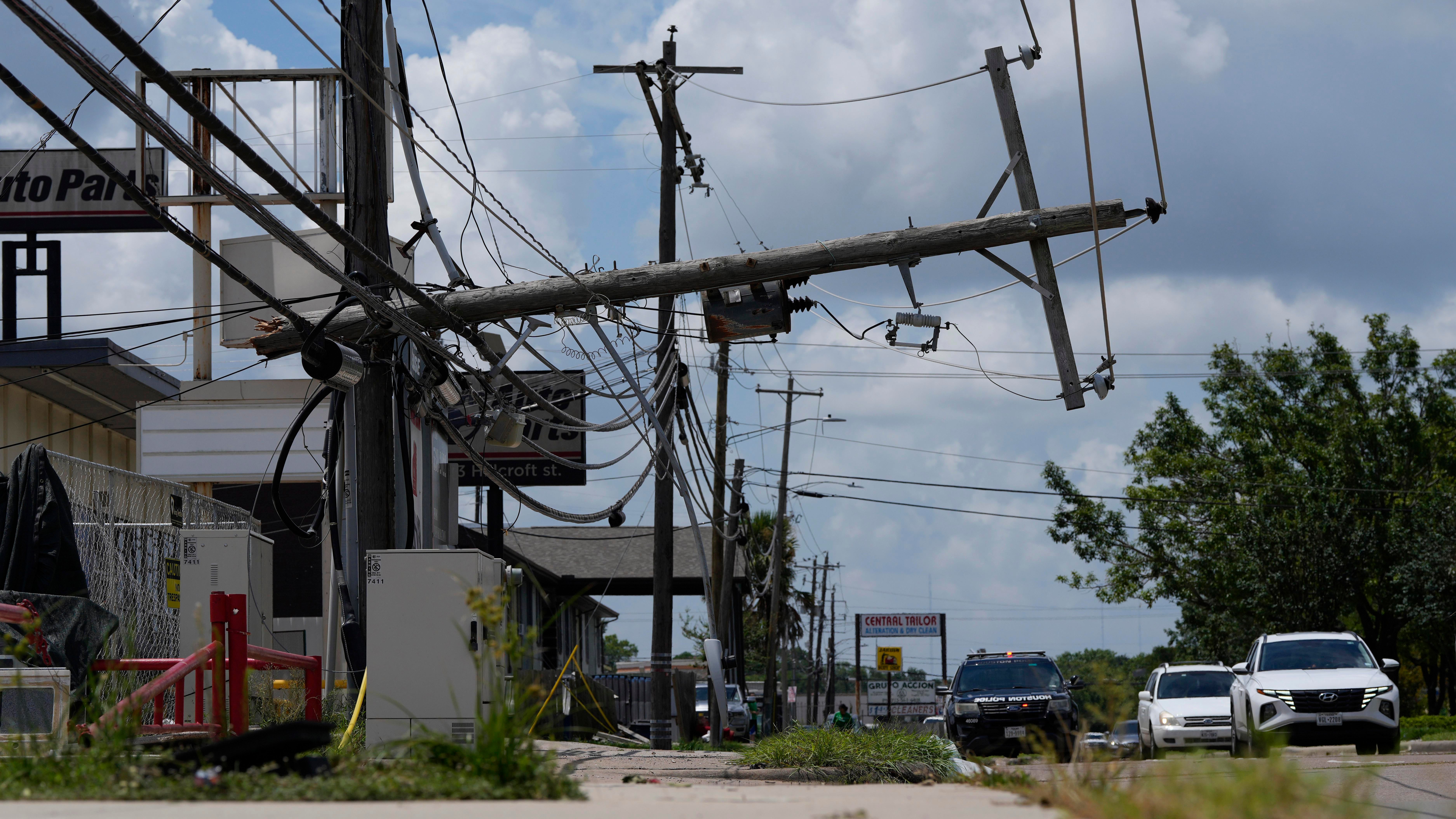
Despite billions of dollars in investments, Houston remains vulnerable. The primary culprit is the city’s environment. Most of Houston’s distribution lines are above ground, exposed to the elements.
Vegetation and the Canopy
Houston’s rapid tree growth, fueled by a subtropical climate, means that even minor storms can cause branches to snap and fall onto power lines. In 2026, the Public Utility Commission of Texas (PUCT) continues to oversee stricter vegetation management rules that require utilities to maintain wider clearances around high-voltage lines.
Flooding and Substations
While wind is a major factor, flooding remains a distinct threat. Many of Houston's substations—the hubs that step down high-voltage electricity for neighborhood use—are located in low-lying areas. During events like Hurricane Harvey (2017), substations were intentionally de-energized to prevent catastrophic water damage to sensitive electrical components. Post-2024 mitigation has seen many of these substations elevated or protected by flood walls.
Safety Protocols During an Outage
Safety during a power outage is not just about avoiding the dark; it is about managing heat, food, and carbon monoxide risks.
Downed Power Lines
Always assume a downed power line is energized. In Houston’s wet environment, water on the ground can conduct electricity from a line several feet away. Stay at least 35 feet back and call 911 or CenterPoint Energy at 713-207-2222 to report the hazard.
Generator Safety
Portable generators are a common sight in Houston, but they are the leading cause of post-storm fatalities due to Carbon Monoxide (CO) poisoning.
- Placement: Never run a generator inside a home, garage, or even near an open window. It must be at least 20 feet away from the structure.
- Backfeeding: Never plug a generator directly into a wall outlet. This is known as "backfeeding" and can send electricity back into the grid, potentially killing line workers trying to restore power. Use a heavy-duty extension cord or have a licensed electrician install a manual transfer switch.
Food Preservation and Safety
The USDA provides strict guidelines for food safety when the refrigerator loses power. A closed refrigerator will keep food safe for approximately four hours. A full freezer will maintain its temperature for about 48 hours (24 hours if half-full) if the door remains closed.
| Item Type | Action After 4 Hours Without Power |
|---|---|
| Meat, Poultry, Seafood | Discard if temperature exceeds 40°F for more than 2 hours. |
| Hard Cheeses | Generally safe; discard if they develop mold or unusual odors. |
| Milk and Dairy | Discard (Milk, Cream, Sour Cream, Soy Milk). |
| Cooked Leftovers | Discard immediately if the fridge has been above 40°F. |
| Fresh Fruit (Cut) | Discard. |
| Condiments | Most (Ketchup, Mustard, Relish) are safe; discard Mayo if above 50°F. |
Residential Preparedness Strategies for 2026
Preparing for an outage in Houston is a year-round necessity. In 2026, the focus has shifted toward "home resilience" rather than just temporary survival.
Battery Backups and Solar
Many Houston homeowners are moving away from traditional gasoline generators in favor of whole-home battery systems (like the Tesla Powerwall or Enphase IQ). These systems can bridge the gap during short-term outages and, when paired with solar panels, provide long-term energy independence if the grid stays down for weeks after a hurricane.
The "Go-Bag" for Power Loss
Every Houston household should maintain an emergency kit specifically for power outages. This differs from a flood kit and should include:
- High-capacity power banks: To keep mobile devices charged for communication and weather updates.
- LED Lanterns: Safer and more effective than candles, which pose a fire risk in the humid, often windy conditions of a Houston storm.
- Battery-operated fans: Essential for preventing heat stroke during summer outages.
- A non-electric thermometer: To monitor the internal temperature of your refrigerator.
Business Continuity and Industrial Impact
Houston is a global hub for the energy and medical sectors. For businesses, a power outage isn't just an inconvenience; it can be a multi-million dollar liability.
The Texas Medical Center (TMC)
The TMC, the largest medical complex in the world, utilizes redundant power feeds and massive onsite cogeneration plants. These systems allow hospitals like MD Anderson and Houston Methodist to remain fully operational even if the surrounding city grid fails.
Commercial Surge Protection
Businesses should invest in Type 1 or Type 2 surge protective devices (SPDs). When power is restored, the initial "rush" of electricity can create voltage spikes that destroy computers, servers, and industrial machinery. In 2026, many commercial building codes in Harris County require these protections for new constructions.
Frequently Asked Questions
Why is my neighbor's power on but mine is off?
Power is distributed through a complex network of circuits. Your home may be on a different circuit than the house across the street. Alternatively, your individual service drop (the wire connecting your house to the pole) or your home's weatherhead may be damaged, requiring a private electrician before the utility can reconnect you.
How long does it usually take to restore power in Houston?
For minor outages (blown fuses or equipment failure), restoration usually occurs within 2 to 4 hours. However, following major weather events like a hurricane or derecho, restoration can take 7 to 14 days. Utilities prioritize critical infrastructure like hospitals, police stations, and water treatment plants first, followed by high-density residential areas.
Can I get a credit on my bill for the time the power was out?
In the Texas deregulated market, you generally do not receive a credit for the duration of a power outage. You are only billed for the kilowatt-hours (kWh) you consume. However, if an outage was caused by utility negligence, there are rare instances where claims can be filed through the CenterPoint Claims Department, though these are seldom granted for weather-related events.
Is the Houston power grid getting better?
Yes. Since the 2021 winter storm and the 2024 summer storms, Texas has implemented more rigorous weatherization standards for power plants. In Houston specifically, CenterPoint has accelerated its "Intelligent Grid" initiative, which uses automated switches to reroute power around damaged areas, significantly reducing the number of customers affected by a single point of failure.
What is the "Critical Load" designation?
If someone in your home relies on life-sustaining medical equipment (such as an oxygen concentrator or dialysis machine), you can apply for Critical Load Residential Customer status. This does not guarantee that your power will never go out, but it ensures the utility prioritizes your circuit during restoration and provides advanced notice of planned outages. You must have a physician complete the application form provided by the PUCT.
Next Steps for Residents
To stay informed, your immediate next action should be to verify your contact information with your TDU. Visit the CenterPoint Energy or Entergy Texas websites today to ensure your mobile number is linked to your service address. This simple step ensures you receive real-time ETR updates the moment an outage occurs, allowing you to make informed decisions about whether to stay in your home or seek alternative shelter.
Image Gallery
Select an image to open it in a new tab.