LASIK vs. SMILE Eye Surgery Explained: Comprehensive Guide to Laser Vision Correction in 2026
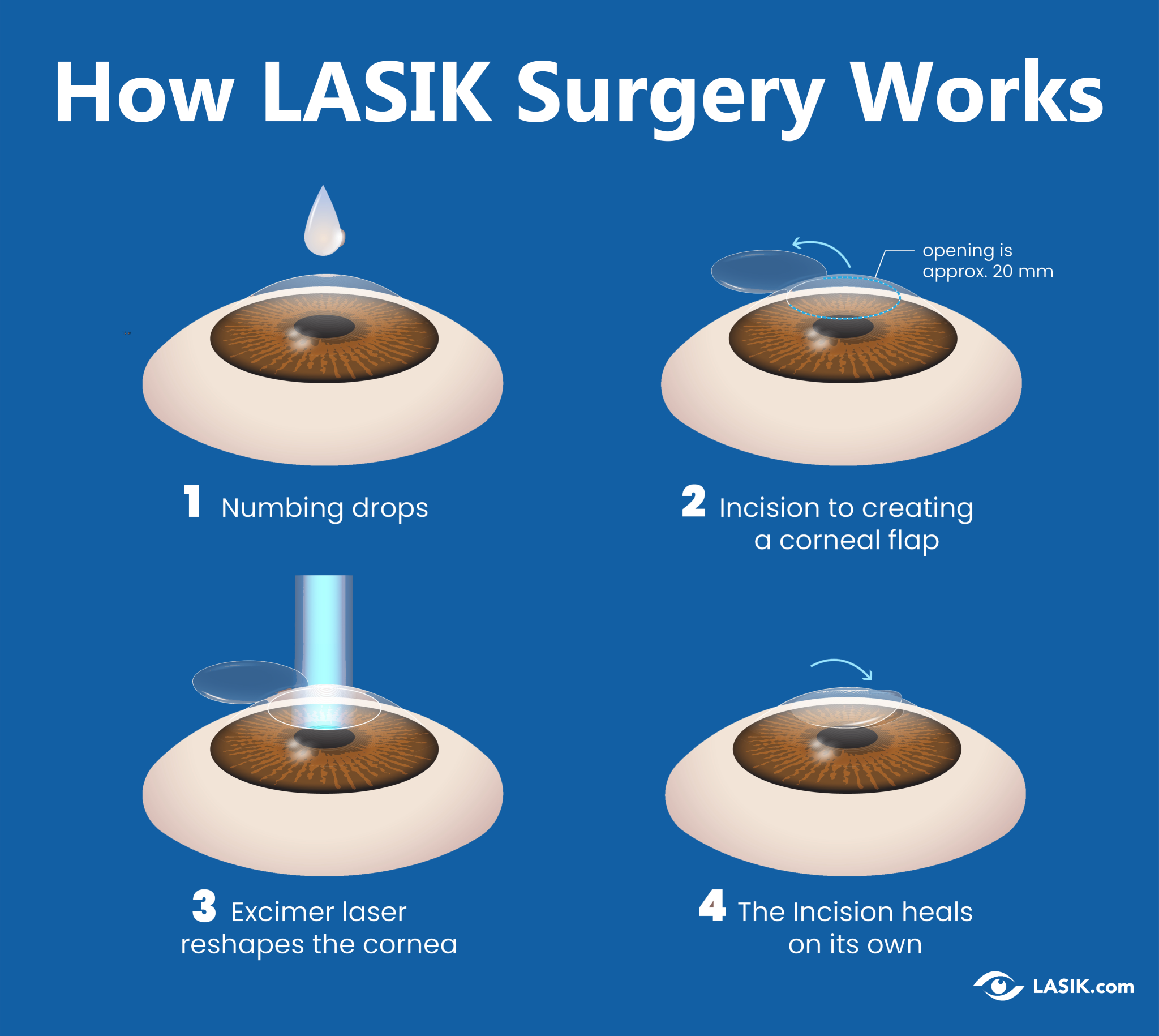
LASIK and SMILE are advanced laser vision correction procedures designed to treat refractive errors like myopia (nearsightedness) and astigmatism. LASIK uses a flap-based method involving two different lasers to reshape the cornea, while SMILE is a flapless, minimally invasive procedure using a single femtosecond laser. Both provide excellent visual outcomes, though SMILE is often preferred for patients with active lifestyles or chronic dry eye concerns.
The Evolution of Refractive Surgery: Context for 2026
As of 2026, laser eye surgery has reached a level of precision and safety that was unimaginable two decades ago. While traditional photorefractive keratectomy (PRK) paved the way, the industry is now dominated by two primary methodologies: LASIK (Laser-Assisted In Situ Keratomileusis) and SMILE (Small Incision Lenticule Extraction).
The goal of both procedures is the same—to change how light enters the eye by reshaping the cornea. The cornea is the clear, dome-shaped surface at the front of the eye that acts as a fixed-focus lens. When the cornea is too curved or the eyeball is too long, light focuses in front of the retina rather than on it, resulting in blurred distance vision. By removing microscopic amounts of corneal tissue, surgeons can "re-focus" the eye, often achieving 20/20 vision or better, significantly reducing or eliminating the need for glasses and contact lenses.
LASIK Explained: The Gold Standard of Vision Correction
LASIK remains the most widely performed and recognized laser eye surgery in the world. Its success is rooted in its ability to provide nearly instantaneous visual recovery with minimal discomfort.
The Two-Step LASIK Procedure
LASIK is a two-step process that requires two different types of lasers.
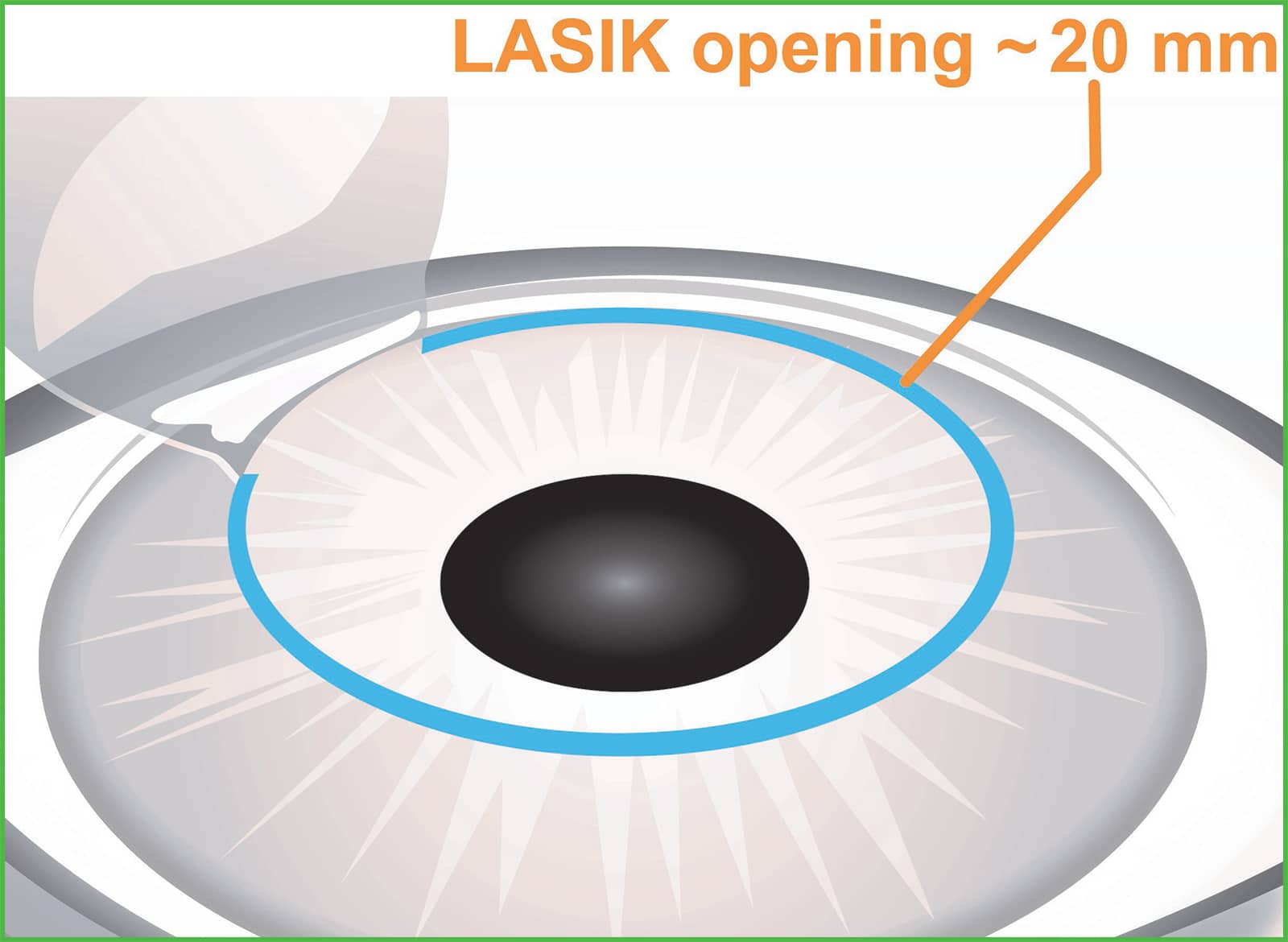
- Flap Creation: The surgeon uses a femtosecond laser (or occasionally a mechanical microkeratome) to create a thin, circular flap in the top layer of the cornea (the epithelium and part of the stroma). This flap is then gently folded back, exposing the underlying corneal tissue.
- Tissue Ablation: An excimer laser—a "cool" ultraviolet laser—is used to remove (ablate) specific amounts of corneal tissue. This laser is programmed with a digital map of the patient's eye, often using wavefront-guided technology to correct even the most minute imperfections. Once the reshaping is complete, the flap is repositioned. It adheres naturally without the need for stitches.
Advantages of LASIK
LASIK's primary advantage is its versatility. It can treat a wide range of refractive errors, including myopia (nearsightedness), hyperopia (farsightedness), and astigmatism. Furthermore, the visual "wow" factor is significant; most patients notice a dramatic improvement in vision within hours of the procedure. Because the treatment occurs under a flap rather than on the surface, the healing process is relatively painless.
Limitations and Risks
The creation of the flap is also LASIK’s primary vulnerability. While rare, "flap complications" can occur, such as epithelial ingrowth or dislocation due to physical trauma. Additionally, because the flap creation involves cutting through corneal nerves, LASIK is more likely to induce temporary or, in rare cases, chronic dry eye syndrome.
SMILE Explained: The Minimally Invasive Alternative
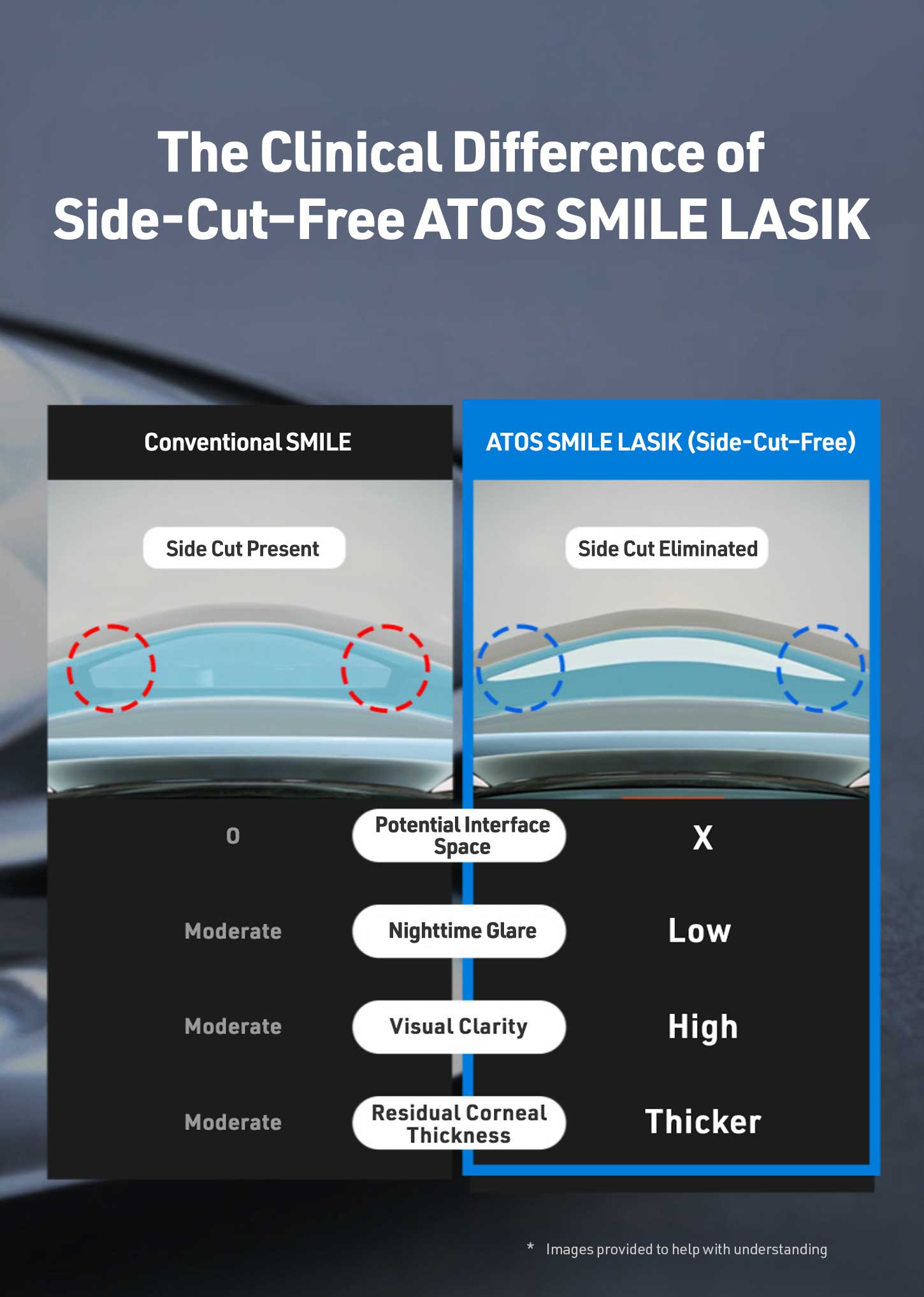
SMILE (Small Incision Lenticule Extraction) represents the latest generation of laser vision correction. Unlike LASIK, which requires a large circumferential incision, SMILE is performed through a tiny "keyhole" incision.
The SMILE Procedure
SMILE is a single-step procedure that uses only the femtosecond laser (most commonly the ZEISS VisuMax platform).
- Lenticule Creation: The laser creates a thin, contact-lens-shaped piece of tissue (a lenticule) inside the intact cornea. At the same time, the laser creates a small incision, typically less than 4mm wide, on the corneal surface.
- Lenticule Extraction: The surgeon uses specialized instruments to reach through the small incision and gently pull the lenticule out of the eye. By removing this specific volume of tissue, the overall shape of the cornea is altered, correcting the refractive error.
Why SMILE is Gaining Popularity
The absence of a flap makes SMILE a preferred option for many patients in 2026. Because the majority of the upper corneal layers remain untouched, the biomechanical stability of the eye is better preserved. This makes SMILE an attractive option for athletes, military personnel, or those in high-contact professions where a flap injury could be a concern.
Furthermore, SMILE is significantly less likely to cause post-operative dry eye. Because the small incision severs fewer corneal nerves than the 20mm LASIK flap, the eye’s feedback loop for tear production remains largely intact.
Technical Comparison: LASIK vs. SMILE
Choosing between these two procedures requires a technical understanding of how they affect the ocular structure.
| Feature | LASIK | SMILE |
|---|---|---|
| Laser Types Used | Femtosecond + Excimer | Femtosecond Only |
| Incision Type | ~20mm Flap (Circumferential) | 2mm to 4mm Small Incision |
| Tissue Removal Method | Photoablation (Vaporization) | Mechanical Extraction (Lenticule) |
| Dry Eye Incidence | Higher (Moderate risk) | Lower (Minimal risk) |
| Biomechanical Strength | Slightly Reduced | Highly Preserved |
| Treatment Range | Myopia, Hyperopia, Astigmatism | Myopia and Astigmatism (Primary) |
| Visual Recovery | Instant (6-12 hours) | Fast (24-48 hours) |
Biomechanical Integrity
The cornea's strength is primarily held in its anterior (front) layers. LASIK cuts through these layers to create the flap, which can lead to a slight decrease in the structural integrity of the cornea. SMILE, by leaving the anterior lamellae mostly intact, maintains more of the eye's natural strength. According to clinical reviews by the American Academy of Ophthalmology, this structural preservation is one of SMILE's most significant clinical benefits.
Prescription Limits
In 2026, LASIK remains the superior choice for patients with hyperopia (farsightedness), as SMILE is currently optimized primarily for myopia and astigmatism. LASIK can also handle much higher levels of astigmatism than SMILE in some clinical configurations.
Candidacy and Eligibility Requirements
Not everyone is a candidate for laser eye surgery. A comprehensive pre-operative exam is required to determine the health and thickness of the cornea.
- Corneal Thickness: Since both procedures remove tissue, the patient must have enough "residual stromal bed" (remaining tissue) to maintain the eye's shape. Patients with thin corneas may be better suited for SMILE or surface treatments like PRK.
- Prescription Stability: A patient’s prescription should be stable for at least 12 to 24 months. If the eye is still changing, the surgery will not provide lasting results.
- Age: Patients must typically be at least 18 years old, though many surgeons prefer waiting until 21 when the eye is more likely to have finished growing.
- Ocular Health: Conditions such as glaucoma, advanced cataracts, or severe keratoconus (a thinning and bulging of the cornea) are usually contraindications for both LASIK and SMILE.
- General Health: Autoimmune diseases or medications that interfere with healing (like steroids) may disqualify a candidate.
The Recovery Process: What to Expect
Recovery is generally swift for both procedures, but the timelines differ slightly.
Post-Operative Day 1
- LASIK: Vision is often 20/20 or better within 24 hours. Some patients experience a "gritty" feeling for 4-6 hours post-op, which is managed with numbing drops and rest.
- SMILE: Vision may be slightly "foggy" or "hazy" for the first 24 hours as the space where the lenticule was removed heals. However, there is usually zero discomfort because there is no flap to heal.
Long-Term Healing
For LASIK patients, the main concern for the first month is the flap. Patients must avoid rubbing their eyes and stay out of swimming pools or hot tubs to prevent infection or flap displacement. For SMILE patients, the restriction on eye rubbing is less strict because there is no flap to move, though basic hygiene and protective eyewear during sleep are still recommended for the first week.
Cost Considerations in 2026
The cost of vision correction surgery varies by geographic location and the technology used. In 2026, many clinics offer "all-inclusive" pricing that covers the pre-op exam, the surgery, and a year of follow-up care.
- LASIK Pricing: Typically ranges from $2,200 to $3,500 per eye.
- SMILE Pricing: Usually falls between $2,500 and $4,000 per eye. The higher cost of SMILE is often attributed to the licensing fees for the specialized femtosecond laser technology and the advanced surgical skill required for lenticule extraction.
While these procedures are rarely covered by standard health insurance because they are considered elective, many patients use Health Savings Accounts (HSA) or Flexible Spending Accounts (FSA) to pay for the surgery with pre-tax dollars.
Potential Risks and Complications
No surgery is without risk. While the safety profile for both LASIK and SMILE is over 98%, patients must be aware of potential side effects:
- Undercorrection or Overcorrection: Sometimes the laser removes slightly too much or too little tissue. This can usually be addressed with a "touch-up" or enhancement procedure once the eye has healed.
- Visual Disturbances: Some patients may experience halos, glare, or starbursts around lights at night. These are more common in the first few months and usually resolve as the eye heals.
- Dry Eye: As mentioned, LASIK carries a higher risk of temporary dry eye. This is usually managed with preservative-free artificial tears.
- Infection: This is extremely rare but can occur if post-operative drop protocols are not followed.
For detailed safety data, the U.S. Food and Drug Administration (FDA) provides comprehensive tracking of refractive surgery outcomes and patient satisfaction rates.
Frequently Asked Questions
Which is better, LASIK or SMILE?
Neither is objectively "better" for everyone; the choice depends on your specific eye anatomy and lifestyle. LASIK is better for hyperopia and offers faster visual clarity on Day 1. SMILE is better for those worried about dry eyes or those with active lifestyles where eye trauma is possible.
Is the procedure painful?
No. Surgeons use anesthetic numbing drops before the procedure. You may feel a slight sensation of pressure during the laser application (which lasts about 30 seconds), but you should not feel pain. Most patients describe it as more of an "unusual" sensation than a painful one.
Can SMILE treat astigmatism?
Yes, SMILE is highly effective at treating astigmatism up to a certain limit (usually around 3.0 to 5.0 diopters, depending on the specific laser system used). Your surgeon will determine if your level of astigmatism falls within the treatable range during your consultation.
Will I ever need glasses again after surgery?
While these surgeries correct your distance vision, they do not prevent presbyopia, the age-related loss of near vision that typically starts in the mid-40s. Most people will eventually need reading glasses for close-up work, regardless of whether they had LASIK or SMILE in their youth.
How long do the results last?
The structural changes made to the cornea are permanent. However, the eye can still change due to natural aging or the development of other conditions like cataracts. For the vast majority of patients, the vision correction remains stable for decades.
Final Recommendation
If you are considering laser eye surgery in 2026, the most critical step is a professional consultation with an experienced refractive surgeon. Both LASIK and SMILE are world-class technologies that have liberated millions of people from the constraints of corrective lenses.
If you struggle with chronic dry eye or participate in contact sports, SMILE is likely the superior choice. If you are farsighted or looking for the fastest possible return to 20/20 vision, LASIK remains the gold standard. Regardless of the path you choose, ensure your surgeon uses modern, diagnostic mapping tools to customize the procedure to your unique corneal topography.
Image Gallery
Select an image to open it in a new tab.
Simon Caldwell
Enterprise Technology and Systems Editor
