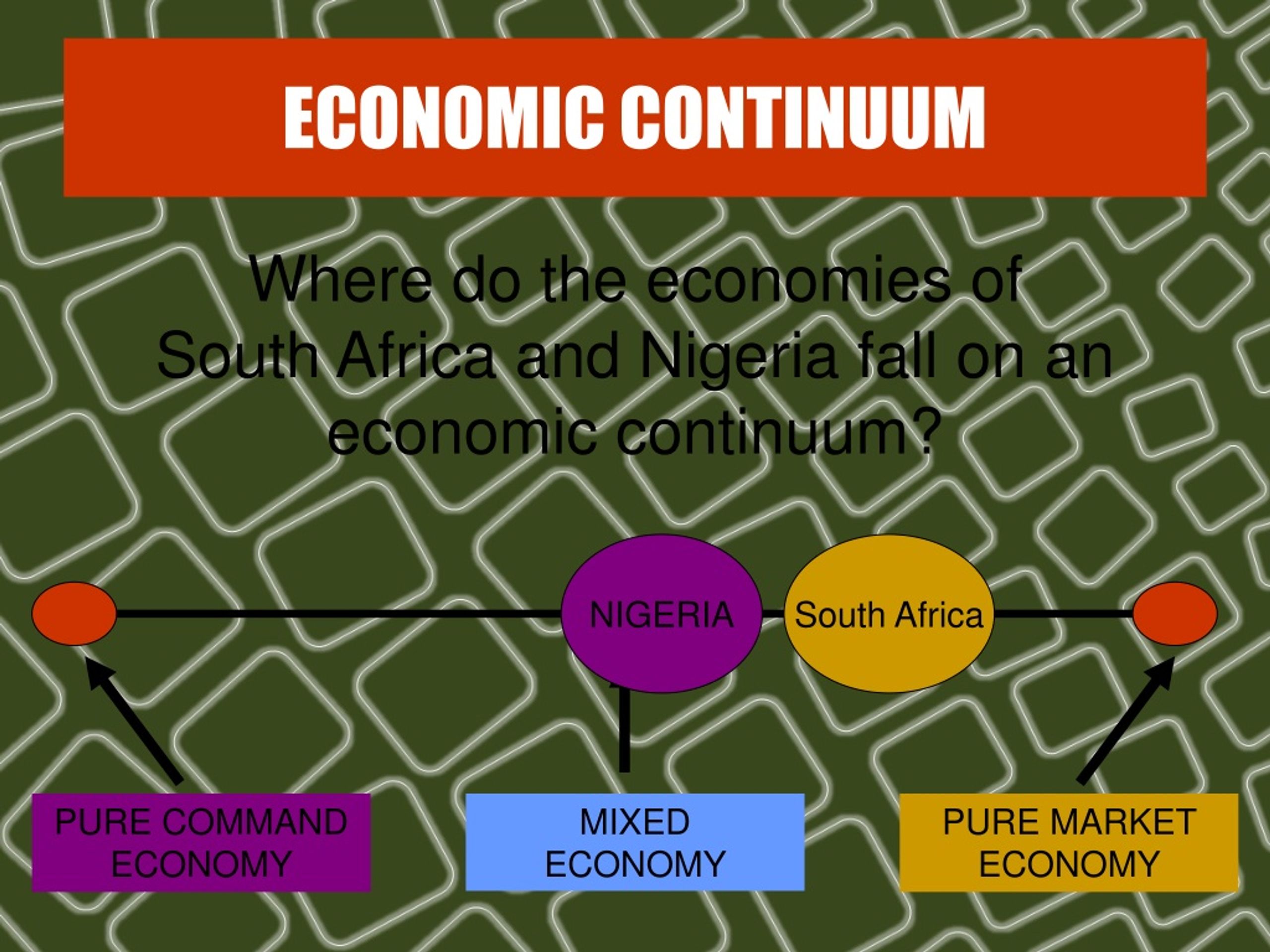
The South African economic system is a sophisticated mixed economy characterized by a dual nature: a highly developed financial and industrial sector integrated into global markets alongside a significant informal sector and persistent structural socioeconomic challenges. It functions through a combination of private enterprise, state-owned entities, and a robust regulatory framework designed to balance growth, fiscal discipline, and historical redress.
The Foundation of the Mixed Economy
South Africa operates as a mixed economy, meaning it relies on both market mechanisms and government intervention. Private property rights are constitutionally protected under the Constitution of the Republic of South Africa, 1996, which forms the bedrock of its commercial law. The economy is heavily influenced by the National Treasury, which is responsible for managing fiscal policy, and the South African Reserve Bank (SARB), which maintains price stability through an inflation-targeting mandate.
The market-driven aspect of the economy is mature. The Johannesburg Stock Exchange (JSE) serves as the largest exchange in Africa, providing a platform for capital formation and investment. However, the state remains a central participant through various State-Owned Enterprises (SOEs) that manage critical infrastructure, such as energy generation (Eskom), logistics (Transnet), and civil aviation (Airports Company South Africa). Understanding the tension between these public utilities and the private sector is essential for grasping the current economic landscape of 2026.
The Regulatory and Institutional Framework
Economic activity in South Africa is governed by a dense web of legislation aimed at fostering competition, ensuring fair labor practices, and addressing historical inequality. Key regulatory pillars include:
- The Competition Commission: Tasked with investigating, controlling, and evaluating restrictive business practices, abuse of dominant positions, and exemptions in order to achieve equity and efficiency in the South African economy.
- Broad-Based Black Economic Empowerment (B-BBEE): A policy framework designed to address the legacy of apartheid by facilitating the economic participation of previously disadvantaged groups. Businesses are evaluated on their compliance with these codes, which influence their ability to secure government contracts and participate in certain supply chains.
- The Companies Act (2008): This legislation provides the framework for corporate governance, outlining the rights, duties, and responsibilities of directors and shareholders. It is the primary legal tool for business formation and operation in the country.
Key Sectors and Economic Drivers
The South African economy has transitioned from a primary-sector focus (mining and agriculture) to a more diversified model, though it remains a significant global commodity exporter.
- Mining and Extractive Industries: Still a cornerstone of the economy, South Africa remains a global leader in platinum group metals, gold, and chrome. The sector is highly sensitive to global commodity price cycles and logistical bottlenecks.
- Financial Services: This is the most mature sector of the economy. South African banks are highly regulated, technologically advanced, and serve as the hub for financial services across the Southern African region.
- Manufacturing and Automotive: Benefiting from various industrial incentives, the automotive sector remains a major contributor to export earnings. The government provides support through the Automotive Production and Development Programme (APDP).
- Tourism and Services: The services sector, including telecommunications and retail, accounts for the largest share of Gross Domestic Product (GDP).
Challenges to Economic Stability
While the institutional framework is robust, the South African economic system faces persistent structural hurdles that impact growth potential and investor sentiment.
- Infrastructure Constraints: The performance of SOEs in electricity generation and rail logistics has historically created supply-side bottlenecks. Businesses must often account for the costs of self-provisioning, such as alternative energy sources and private security.
- Labor Market Dynamics: High rates of structural unemployment remain a primary concern. The labor market is characterized by centralized collective bargaining and strong trade union presence, which influences wage outcomes and industrial relations.
- Fiscal Position: Managing the sovereign debt-to-GDP ratio requires a delicate balance between social spending commitments and the need to limit fiscal deficits. The South African government consistently utilizes the annual Medium-Term Budget Policy Statement (MTBPS) to communicate these adjustments to the public and international rating agencies.
Comparative Analysis of Key Economic Indicators
Understanding how the system operates requires monitoring specific indicators that reflect the health of the broader economy. The following table highlights the primary metrics used by analysts in 2026 to assess systemic performance.
| Indicator | Primary Regulator | Purpose |
|---|---|---|
| Repo Rate | South African Reserve Bank | Used to influence inflation and stabilize the currency. |
| CPI (Inflation) | Statistics South Africa | Measures the average change over time in prices paid by consumers. |
| GDP Growth Rate | Statistics South Africa | Indicates the pace of economic expansion or contraction. |
| Unemployment Rate | Statistics South Africa | Reflects the percentage of the labor force without work. |
| Current Account | South African Reserve Bank | Records the value of exports vs. imports of goods and services. |
The Role of Foreign Direct Investment (FDI)
Foreign investment is viewed as a vital catalyst for economic growth. South Africa provides a "gateway" to the broader African market, particularly for companies looking to establish regional headquarters. The country offers a transparent legal system, a highly sophisticated financial sector, and an independent judiciary. However, investors often perform extensive due diligence regarding regulatory compliance, energy security, and local partnership requirements under B-BBEE mandates.
Frequently Asked Questions
What is the function of the South African Reserve Bank? The SARB is the central bank of South Africa. Its primary mandate is to protect the value of the currency in the interest of balanced and sustainable economic growth. It achieves this primarily by setting the repo rate to influence inflation within a target range of 3% to 6%.
How does B-BBEE affect foreign businesses? Foreign-owned companies operating in South Africa are subject to B-BBEE compliance if they wish to transact with the government or state-owned entities. Most foreign firms must develop a local ownership or empowerment strategy, which can involve local procurement, enterprise development, and skills training initiatives.
Why is electricity supply critical to the economy? Electricity, largely provided by Eskom, is an input for almost all industrial and commercial activity. Shortages or "load shedding" directly impact manufacturing output, mining productivity, and retail operations, often leading to increased costs as businesses invest in independent power generation.
Is the South African economy considered a free market? It is a mixed market economy. While it features strong private property rights and competition, the government retains a significant role through the ownership of strategic infrastructure and the implementation of social welfare and developmental policies.
What is the difference between fiscal and monetary policy in South Africa? Fiscal policy is managed by the National Treasury and concerns government spending and taxation. Monetary policy is managed independently by the South African Reserve Bank and concerns interest rates and money supply to manage inflation.
Practical Next Steps for Stakeholders
For those looking to engage with the South African economic system, the following actions are recommended:
- Engage Professional Counsel: Given the complexities of tax law, labor regulations, and B-BBEE compliance, engaging local legal and financial advisors is a prerequisite for any significant business venture.
- Monitor Regulatory Updates: Keep current with the National Treasury and Department of Trade, Industry and Competition (DTIC) announcements, as policy adjustments can occur annually.
- Assess Infrastructure Risk: If planning a physical operation, conduct a thorough site assessment regarding grid connectivity and utility reliability, as these remain the most common operational challenges.
- Review Statistical Data: Regularly consult Statistics South Africa for the most recent labor, production, and inflation data to inform strategic business decisions.
The South African economic system offers significant opportunities for growth, provided that market participants account for the unique regulatory landscape and existing structural constraints. By prioritizing transparency, compliance, and strategic planning, organizations can effectively navigate this complex, yet highly developed, emerging market.

Image Gallery
Select an image to open it in a new tab.
Celine Dubois
Contemporary Living and Global Arts Columnist
